

Ah, allergy season—that magical time of year when your pet starts itching like they’ve got fleas, sneezing like they’re auditioning for a cold medicine commercial, and generally acting like they’re allergic to, well, everything. If you’re nodding along because your furry friend is currently scratching themselves raw, you’re not alone. The good news? Allergy season supplements can be a game-changer for pets suffering from seasonal allergies, and we’re here to break down exactly how to find relief.
Understanding Pet Allergies and Seasonal Triggers
Before we dive into solutions, let’s talk about what’s actually happening when your pet goes into full-on itch mode during allergy season. Seasonal allergies in pets aren’t that different from human allergies—pollen, mold spores, dust mites, and grass are the usual culprits. When your pet’s immune system overreacts to these allergens, inflammation kicks in, and suddenly you’ve got one scratchy, uncomfortable companion on your hands.
The thing is, seasonal allergies for pets can range from mildly annoying to downright miserable. Some pets get itchy skin, others develop ear infections, and some lucky ones get the full package. This is where seasonal allergy relief for pets becomes essential, and that’s where supplements enter the chat.
Why Allergy Season Supplements Work Better Than You’d Think
Here’s the deal: allergy season supplements don’t just mask the problem like a band-aid on a broken leg. They actually work to support your pet’s immune system and reduce inflammation from the inside out. The best ones contain ingredients that strengthen the skin barrier, support gut health, and help regulate immune response—basically, they’re like a bodyguard for your pet’s body during pollen season.
The reason supplements are so effective is that they address the root cause rather than just treating symptoms. While antihistamines might stop the itching temporarily, quality allergy relief supplements help prevent the allergic response from happening in the first place. It’s like the difference between putting out a fire and installing a sprinkler system.
Omega-3 Fatty Acids: The Skin’s Best Friend
If there’s one supplement that deserves a standing ovation for allergy season, it’s omega-3 fatty acids. These powerhouse nutrients reduce inflammation throughout your pet’s body, and they’re particularly brilliant for skin health. When your pet’s skin is healthier and stronger, it’s better equipped to handle allergens.
Fish oil supplements are packed with EPA and DHA, which actively work to calm inflammatory responses. Studies have shown that pets on regular omega-3 supplementation experience fewer allergic flare-ups and less intense itching. Plus, there’s a bonus: their coat will look shinier than a freshly waxed sports car. You can find omega-3s in liquid form, capsules, or even mixed into food—whatever works for your pet’s personality.
Probiotics: The Gut-Allergy Connection You Didn’t Know About
Here’s something that blew our minds when we learned it: about 70% of your pet’s immune system lives in their gut. That’s right—their digestive system is basically the command center for fighting off allergic reactions. This is why multi-strain probiotics for pets are absolute MVPs during allergy season.
When your pet’s gut microbiome is balanced and thriving, their immune system doesn’t overreact to harmless allergens. Probiotics help maintain that delicate balance, which means fewer sneezes, less scratching, and a happier pet overall. You’ve got options here too—liquid probiotics for pets are great for picky eaters, while powder probiotics for cats can be mixed right into their food. If your pet has a sensitive stomach alongside their allergies, check out our guide on sensitive stomach supplements for a comprehensive approach.
Quercetin: Nature’s Antihistamine
Ever heard of quercetin? It’s basically nature’s answer to antihistamines, and it’s found in tons of natural supplement formulas designed for allergy relief. This flavonoid works by stabilizing mast cells and reducing histamine release—which means less itching and fewer inflammatory responses.
The beautiful thing about quercetin is that it’s completely natural and comes with virtually no side effects, unlike some pharmaceutical antihistamines. Many pet owners swear by quercetin supplements during peak allergy season, and veterinarians increasingly recommend it as part of a holistic allergy management plan. You’ll often find it combined with other beneficial ingredients in comprehensive allergy supplements.
Licorice Root and Other Herbal Powerhouses
Traditional herbal medicine has been onto something for thousands of years, and modern science is finally catching up. Licorice root is an anti-inflammatory superstar that can significantly reduce skin irritation and itching. It also supports the adrenal glands, which play a role in managing stress-related immune responses.
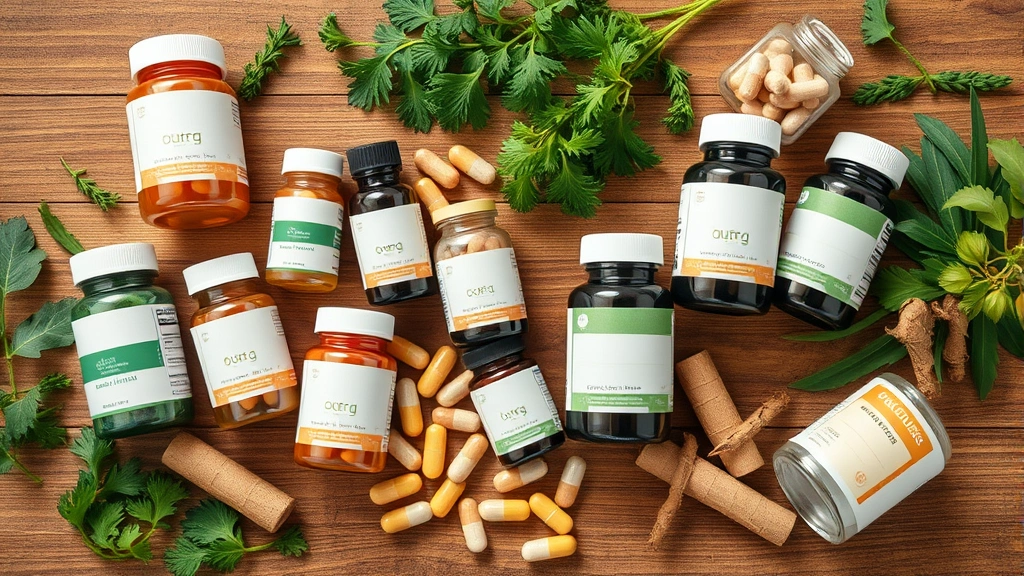
Other herbal ingredients worth looking for include nettle leaf (a natural antihistamine), turmeric (powerful anti-inflammatory), and plantain (soothing for irritated skin). Many quality allergy season supplements combine these herbs into formulas specifically designed to tackle seasonal allergies. The synergy between these ingredients is where the real magic happens.
Vitamin E and Antioxidants: The Protective Shield
Vitamin E is like a bodyguard for your pet’s skin cells, protecting them from oxidative stress and damage. During allergy season, when inflammation is running rampant, antioxidants become your pet’s best friend. They neutralize free radicals and reduce the inflammatory cascade that makes allergies so miserable.
You’ll find vitamin E in most comprehensive allergy supplements, often paired with other antioxidants like vitamin C and selenium. Together, they create a protective shield that helps your pet’s body handle allergens more gracefully. It’s like giving your pet’s immune system a suit of armor.
How to Choose the Right Allergy Season Supplements for Your Pet
Not all supplements are created equal, and choosing the right one can feel like navigating a minefield. Here’s what you should look for:
Quality Ingredients: Look for supplements with recognizable, high-quality ingredients. Avoid fillers, artificial colors, and unnecessary additives. Check the label like you’re reading a legal document—because honestly, you kind of are.
Third-Party Testing: Reputable manufacturers have their products tested by independent labs. This ensures you’re actually getting what the label says you’re getting. It’s like getting a receipt for your supplement purchase.
Veterinary Formulation: Supplements specifically formulated by veterinarians tend to be more effective because they understand pet nutrition and dosing requirements. They’re not just human supplements repackaged for pets.
Form Factor: Consider your pet’s preferences. Some pets are cool with capsules, others would rather eat dirt. Liquids, powders, and chewables all have their place—pick what your pet will actually consume.
Potency and Dosage: Make sure the supplement has therapeutic levels of active ingredients. Some cheap supplements have such low concentrations that they’re basically expensive placebos.
Timing Matters: When to Start Allergy Season Supplements
Here’s a pro tip that most people miss: start allergy season supplements before allergy season hits. Seriously. If you know your pet gets allergies every spring, start supplementing in late winter. It takes time for these supplements to build up in your pet’s system and create that protective effect.
Most supplements need 2-4 weeks to show noticeable results, so getting ahead of the game is crucial. Think of it like training for a marathon—you don’t start the day before the race. You train for weeks beforehand. Same concept applies here.

Combining Supplements with Other Allergy Management Strategies
While allergy season supplements are fantastic, they work best as part of a comprehensive allergy management plan. Regular bathing with hypoallergenic shampoo can remove allergens from your pet’s coat. Keeping your home clean and using air filters helps reduce indoor allergen levels. Some pet owners even switch to grain-free or limited-ingredient diets during allergy season.
The key is recognizing that supplements are one tool in your toolkit, not the only tool. When combined with environmental management and other strategies, you’ll see the best results. It’s like building a fortress against allergies—multiple layers of defense work better than a single wall.
Frequently Asked Questions
Are allergy season supplements safe for all pets?
Most quality allergy season supplements are safe for dogs and cats, but dosing varies based on size and species. Always consult with your veterinarian before starting any new supplement, especially if your pet is on medications. Some ingredients might interact with prescriptions, and your vet needs to know what your pet is taking.
How long does it take to see results from allergy supplements?
Most pets show noticeable improvement within 2-4 weeks of consistent supplementation. Some pets respond faster, others take a bit longer. Consistency is key—you can’t take a supplement sporadically and expect results. It’s like exercise; you’ve got to stick with it.
Can I give my pet allergy supplements year-round?
Absolutely! Many pet owners give allergy supplements year-round, especially if their pets have year-round allergies or multiple seasonal allergy triggers. Year-round supplementation can provide consistent relief and prevent flare-ups. Just make sure you’re using quality products and monitoring your pet’s health.
What’s the difference between allergy supplements and allergy medications?
Medications like antihistamines work quickly to relieve symptoms but don’t address underlying immune dysfunction. Supplements work more slowly but support your pet’s body’s natural ability to handle allergens. Many vets recommend using both—supplements for long-term management and medications for acute flare-ups.
Should I choose liquid or powder probiotics for my allergic pet?
Both work great! Liquid probiotics are easier for picky eaters since they can be mixed into food, while powders offer flexibility in dosing. Choose based on your pet’s preferences and your lifestyle. Some pets do better with one form over another, so you might need to experiment.
The Bottom Line: Your Pet Deserves Relief
Allergy season doesn’t have to mean months of misery for your pet. With the right allergy season supplements—whether that’s omega-3 fatty acids, probiotics, quercetin, or herbal combinations—you can significantly reduce itching, inflammation, and discomfort. The key is choosing high-quality products, starting early, and combining supplements with other allergy management strategies.
Your pet is counting on you to help them feel their best, and honestly, there’s nothing quite like seeing your itchy, miserable friend finally get some relief. Start exploring supplement options now, talk to your vet about what might work best for your specific pet, and get ready to enjoy allergy season without all the scratching. Your pet (and your furniture) will thank you.





