
If your furry friend is limping around like they’ve aged 20 years overnight, or your cat’s constantly licking their joints, anti-inflammatory foods for pets might be exactly what the vet ordered (well, almost). Inflammation is basically your pet’s immune system throwing a tantrum, and while it’s trying to help, chronic inflammation is like inviting a destructive party guest who won’t leave. The good news? You can fight back through diet, and we’re not talking about sad, boring kibble here.
Table of Contents
- What Exactly is Pet Inflammation and Why Should You Care?
- The Science Behind Anti-Inflammatory Pet Nutrition
- Fatty Fish: The MVP of Pet Anti-Inflammatory Foods
- Leafy Greens: The Underrated Inflammation Fighters
- Berries: Tiny Powerhouses of Antioxidants
- Turmeric and Curcumin: The Golden Anti-Inflammatory Spice
- Bone Broth: The Collagen-Rich Elixir
- Sweet Potatoes: The Fiber-Rich Anti-Inflammatory Staple
- Coconut Oil: The Controversial but Beneficial Fat
- Pumpkin: The Gentle Gut Healer
- Green Tea: The Antioxidant Beverage Your Pet Didn’t Know They Needed
- Ginger: The Warming Spice with Anti-Inflammatory Power
- Implementation: How to Actually Get Your Pet to Eat This Stuff
- The Gut-Brain-Inflammation Connection
- Red Flags: Foods to Avoid When Fighting Inflammation
- Measuring Success: What to Expect
- Working With Your Veterinarian
- Frequently Asked Questions
- Conclusion: Your Pet’s Anti-Inflammatory Journey Starts Now
What Exactly is Pet Inflammation and Why Should You Care?
Think of inflammation as your pet’s body’s alarm system gone haywire. A little inflammation is normal and necessary—it’s how your pet heals from injuries. But when it becomes chronic, that’s when problems snowball. Your dog’s joints start creaking, your cat stops jumping on furniture, and suddenly they’re acting like a grumpy retiree. Chronic inflammation contributes to arthritis, digestive issues, allergies, and even cognitive decline in senior pets. The silver lining? Strategic nutrition can genuinely help dial it down.
The Science Behind Anti-Inflammatory Pet Nutrition
Here’s where it gets interesting: certain foods contain compounds called polyphenols and omega-3 fatty acids that actually suppress inflammatory markers in your pet’s body. Research shows that omega-3 to omega-6 ratios matter tremendously—most commercial pet foods are loaded with omega-6s (which promote inflammation) and lacking in omega-3s (which fight it). It’s like your pet’s diet is accidentally fueling the fire. By incorporating anti-inflammatory whole foods, you’re essentially giving your pet’s immune system a chill pill.
Fatty Fish: The MVP of Pet Anti-Inflammatory Foods
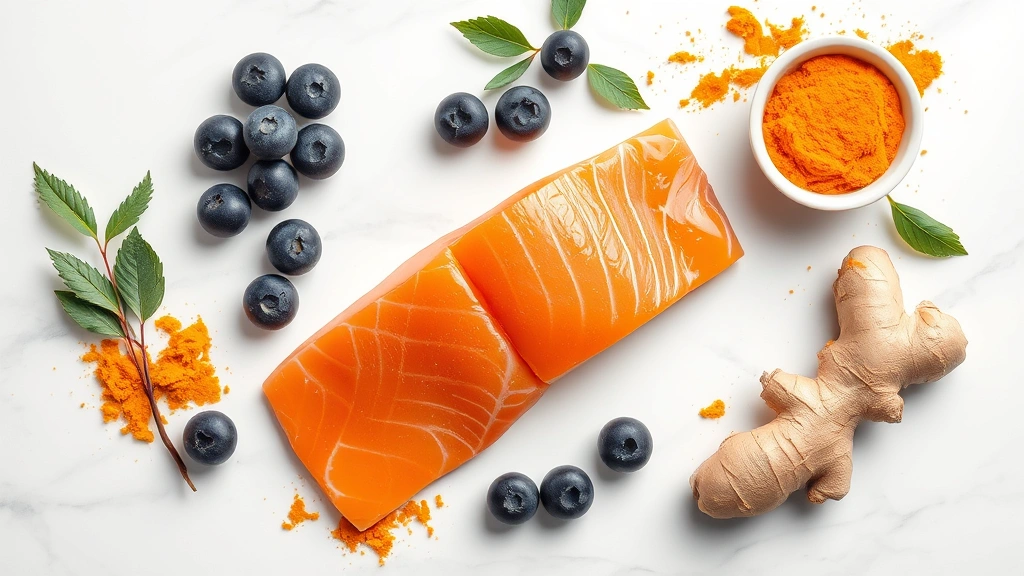
Salmon, sardines, and mackerel are packed with EPA and DHA—the omega-3 fatty acids your pet’s brain and joints desperately need. These fish are like nature’s anti-inflammatory medicine cabinet. A small serving of cooked salmon a few times weekly can noticeably improve joint mobility in arthritic dogs. The best part? Most pets actually enjoy fish, unlike some other “healthy” foods that get the side-eye. Just make sure it’s cooked (never raw) and boneless to avoid choking hazards.
Leafy Greens: The Underrated Inflammation Fighters
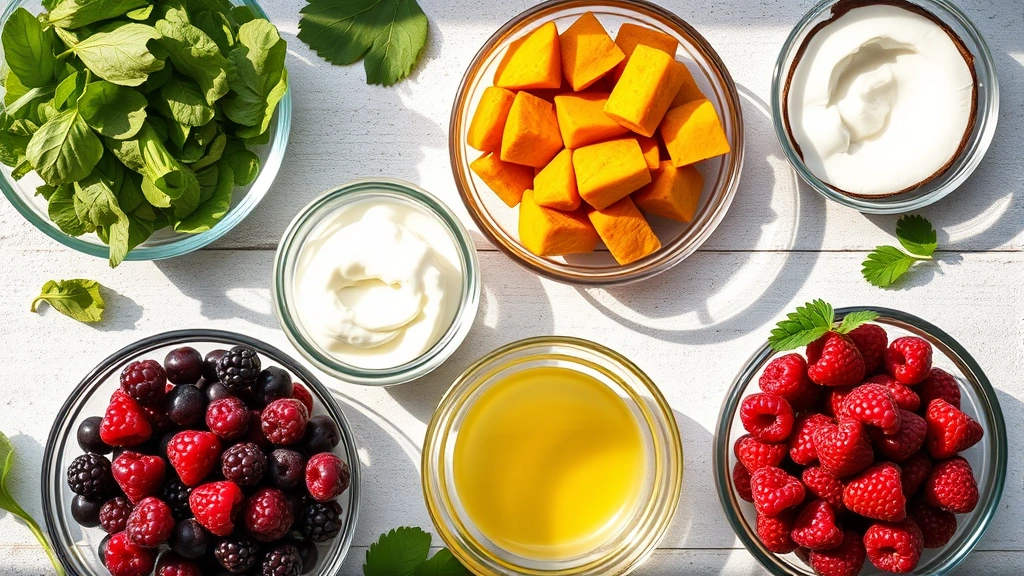
Spinach, kale, and sweet potato leaves contain vitamin K and antioxidants that reduce inflammatory markers. Your dog probably won’t win a salad-eating contest, but mixing finely chopped greens into their regular food works wonders. The key is moderation—leafy greens should be no more than 10% of their daily intake. Cats are trickier with vegetables, but even a tiny amount mixed into their food can help. These nutrient-dense options support the overall stiffness relief for older pets through systemic inflammation reduction.
Berries: Tiny Powerhouses of Antioxidants
Blueberries, raspberries, and strawberries are basically nature’s anti-inflammatory candy. They’re loaded with anthocyanins—compounds that fight free radicals and reduce inflammatory cytokines. Your pet can enjoy these as occasional treats, and they’re safe for both dogs and cats. A small handful for a medium-sized dog or a few berries for cats provides meaningful benefits. Plus, they’re low in calories, so you won’t need to adjust their daily food portions.
Turmeric and Curcumin: The Golden Anti-Inflammatory Spice
Turmeric contains curcumin, which research shows is as effective as some anti-inflammatory medications for joint pain. However—and this is important—curcumin has poor bioavailability on its own. You need to pair it with black pepper (piperine increases absorption by up to 2000%) and a fat source. A small pinch of turmeric mixed with coconut oil and added to your pet’s food can make a real difference. Start slowly to ensure digestive tolerance, and always consult your vet before adding supplements, especially if your pet is on medications.
Bone Broth: The Collagen-Rich Elixir
Homemade bone broth (made from simmered bones without onions or garlic) is loaded with collagen, gelatin, and amino acids that support joint health and gut healing. Gut inflammation is often the root cause of systemic inflammation in pets, so healing the gut lining can have cascading benefits. You can serve it warm as a broth or freeze it into treats. This aligns perfectly with bone health supplements that support skeletal integrity and joint function.
Sweet Potatoes: The Fiber-Rich Anti-Inflammatory Staple
Sweet potatoes are loaded with beta-carotene and vitamin C, both powerful anti-inflammatory compounds. They’re also rich in fiber, which feeds beneficial gut bacteria—and yes, your pet’s microbiome matters for inflammation control. Cooked, unseasoned sweet potato can be mixed into regular food. They’re safe for both dogs and cats, though cats are usually less enthusiastic about them. The fiber also supports digestive health, creating a win-win situation.

Coconut Oil: The Controversial but Beneficial Fat
While coconut oil gets mixed reviews in human nutrition circles, for pets it’s genuinely useful. The medium-chain triglycerides (MCTs) in coconut oil have antimicrobial and anti-inflammatory properties. A tiny amount—literally ¼ teaspoon for small pets, ½ teaspoon for medium dogs—can be mixed into food. Too much causes digestive upset, so start small. It also improves coat quality and cognitive function, making it a multi-purpose addition.
Pumpkin: The Gentle Gut Healer
Plain pumpkin (not pie filling) is rich in soluble fiber and beta-carotene. It supports healthy digestion, which is crucial because 70% of your pet’s immune system lives in their gut. A healthy gut means less inflammatory response overall. Plus, pumpkin helps regulate digestion whether your pet deals with constipation or loose stools. A tablespoon for dogs or a teaspoon for cats mixed into food works great. It’s also affordable and shelf-stable, making it practical for long-term use.
Green Tea: The Antioxidant Beverage Your Pet Didn’t Know They Needed
Brewed green tea (cooled) contains EGCG and polyphenols that reduce inflammatory markers. You can add a small amount to your pet’s water bowl or mix it into their food. The key is “small amount”—too much caffeine isn’t ideal for pets, but a splash of green tea provides antioxidant benefits without overdoing it. This is especially useful for senior pets dealing with age-related inflammation.
Ginger: The Warming Spice with Anti-Inflammatory Power
Fresh ginger contains gingerols and shogaols—compounds that inhibit inflammatory pathways. A tiny amount of grated fresh ginger mixed into food can help, especially for pets with joint pain or nausea. Start with just a pinch and monitor for digestive tolerance. Ginger is warming in nature, so it’s particularly beneficial for older pets or those in cold climates. Always use fresh ginger, never powdered ginger which can be too concentrated.
Implementation: How to Actually Get Your Pet to Eat This Stuff
Here’s the real challenge: convincing your pet that broccoli is exciting. Start by mixing small amounts of anti-inflammatory foods into their regular meals. Most pets won’t notice a small portion of leafy greens or sweet potato mixed in. For picky eaters, bone broth is your secret weapon—drizzle it over kibble and suddenly dinner is gourmet. Consider consulting pet supplement interactions if your pet is on medications, as some foods can interact with pharmaceuticals. Also, homemade diet supplements for pets should be introduced gradually over 7-10 days to avoid digestive upset.
The Gut-Brain-Inflammation Connection
Here’s something most pet owners don’t realize: your pet’s gut health directly influences inflammation throughout their entire body. Small animal probiotics work synergistically with anti-inflammatory foods to restore healthy gut flora. When your pet’s microbiome is balanced, their immune system stops overreacting. This is why adding fiber-rich foods like pumpkin and sweet potato alongside probiotic-rich foods creates a powerful anti-inflammatory effect that goes way beyond just reducing joint pain.
Red Flags: Foods to Avoid When Fighting Inflammation
While we’re celebrating anti-inflammatory foods, let’s talk about the inflammation villains: excessive omega-6 oils, refined carbohydrates, artificial additives, and low-quality protein sources. Many commercial pet foods are loaded with these inflammatory triggers. Corn, soy, and wheat are also common inflammatory culprits in sensitive pets. Reading ingredient lists matters more than you’d think—if you can’t pronounce it, your pet probably shouldn’t be eating it.
Measuring Success: What to Expect
Don’t expect overnight miracles. Anti-inflammatory dietary changes typically show results over 4-8 weeks. You might notice your dog climbing stairs more easily, your cat jumping higher, or your senior pet having more energy. Some pets experience reduced itching, shinier coats, or better digestion. Keep a simple log of improvements—it helps you stay motivated and shows your vet what’s working. Every pet responds differently, so patience and consistency are key.
Working With Your Veterinarian
Before overhauling your pet’s diet, chat with your vet. They know your pet’s specific health situation and can identify any contraindications. Some pets have conditions where certain foods aren’t appropriate. Your vet can also rule out underlying issues causing inflammation that might need medical intervention beyond diet. Think of dietary changes as complementary to veterinary care, not a replacement for it.
Frequently Asked Questions
Can I give my pet anti-inflammatory foods if they’re on medication?
Generally yes, but check with your vet first. Some foods can interact with medications—for example, turmeric can thin blood if your pet is on anticoagulants. Your veterinarian can review your pet’s specific medications and recommend safe anti-inflammatory foods.
How much anti-inflammatory food should I give my pet daily?
Anti-inflammatory foods should comprise 10-20% of your pet’s daily caloric intake. The remaining 80-90% should be their regular balanced diet. This prevents nutritional imbalances while providing meaningful anti-inflammatory benefits. Adjust portions based on your pet’s weight and activity level.
Are anti-inflammatory foods safe for puppies and kittens?
Most anti-inflammatory foods are safe for young pets, but puppies and kittens have different nutritional requirements than adults. Growing pets need specific calcium-to-phosphorus ratios and adequate protein. Consult your vet before adding supplements or significant dietary changes to young pets’ diets.
How long before I see results from anti-inflammatory foods?
Most pets show noticeable improvements within 4-8 weeks of consistent dietary changes. Some show benefits within 2-3 weeks, while others take longer. Chronic conditions developed over years won’t resolve in days. Consistency matters more than speed—stick with it for at least 8 weeks before evaluating effectiveness.
Can I use supplements instead of whole foods?
Whole foods are superior because they contain the full spectrum of beneficial compounds, not just isolated nutrients. Supplements are useful additions but shouldn’t replace whole foods. The synergy between different compounds in whole foods often produces better results than isolated supplements.
What if my pet has a sensitive stomach?
Introduce anti-inflammatory foods slowly over 7-10 days, mixing tiny amounts into their regular food. Start with easily digestible options like cooked sweet potato or bone broth. If digestive upset occurs, pause that food and try a different option. Some pets need gentler introductions than others.
Conclusion: Your Pet’s Anti-Inflammatory Journey Starts Now
Anti-inflammatory foods for pets aren’t a magical cure-all, but they’re a powerful, natural tool for improving your companion’s quality of life. Whether your pet is dealing with arthritis, allergies, digestive issues, or just the general wear and tear of aging, strategic nutrition can make a real difference. Start with one or two anti-inflammatory foods that appeal to your pet, introduce them gradually, and monitor the results. Combine dietary changes with appropriate exercise, weight management, and veterinary care for comprehensive inflammation management. Your pet has been loyal to you their entire life—they deserve the effort to help them feel their best during their golden years.





