

If your feline friend is limping around like they’ve aged 20 years overnight, or if they’re acting grumpier than usual, anti-inflammatory supplements for cats might be exactly what they need to get back to their playful selves. Just like us humans reach for ibuprofen after a tough workout, cats can benefit from targeted nutritional support to manage inflammation and improve their overall quality of life.
The truth is, inflammation in cats is sneaky. It doesn’t always announce itself with dramatic symptoms. Sometimes it’s just a subtle slowdown in activity, reluctance to jump, or that telltale stiffness after a nap. But here’s the good news: there are proven, natural ways to help your kitty feel better without resorting to heavy medications.
Understanding Feline Inflammation: Why It Matters
Before we dive into the supplement cabinet, let’s talk about what’s actually happening inside your cat’s body. Inflammation is your cat’s immune system’s way of responding to injury, infection, or irritation. Short-term inflammation? That’s helpful. It’s your cat’s built-in defense system. But chronic inflammation? That’s the villain in our story.
Chronic inflammation can develop from arthritis, digestive issues, allergies, or even dental disease. When inflammation sticks around, it accelerates aging, reduces mobility, and makes your cat miserable. That’s where sensitive stomach supplements and targeted anti-inflammatory options come into play.
Fish Oil and Omega-3 Fatty Acids: The Gold Standard
Let’s start with the MVP of anti-inflammatory supplements for cats: fish oil. Omega-3 fatty acids are like nature’s chill pill for inflammation. They work by reducing the production of inflammatory molecules in your cat’s body—basically telling inflammation to take a hike.
Fish oil supplements are particularly effective for cats dealing with arthritis, joint pain, or inflammatory bowel conditions. The EPA and DHA in fish oil are the active compounds doing the heavy lifting. Most vets recommend fish oil as a first-line supplement because the research backing it is solid, and cats generally tolerate it well.
Pro tip: Look for supplements specifically formulated for cats, as their nutritional needs differ from dogs. A typical dose ranges from 250-500mg daily, but always check with your vet for your specific kitty.
Turmeric and Curcumin: Golden Goodness
Turmeric has been used in traditional medicine for thousands of years, and modern science is finally catching up to what ancient healers knew. Curcumin, the active compound in turmeric, is a powerhouse anti-inflammatory agent that rivals some pharmaceutical options.
For cats, turmeric works by blocking inflammatory pathways at the molecular level. It’s particularly helpful for cats with joint issues or digestive inflammation. The challenge? Cats are notoriously picky, and turmeric has a strong taste. Many pet supplement companies now offer cat-friendly formulations mixed with other palatability enhancers.
A typical dose for cats is 100-200mg of curcumin daily, though you’ll want your vet to confirm what’s right for your individual cat.
Probiotics and Gut Health: The Inflammation Connection
Here’s something most cat owners don’t realize: a huge portion of your cat’s immune system lives in their gut. When gut health goes south, inflammation spreads throughout the body like wildfire. This is why powder probiotics for cats are becoming increasingly popular among savvy pet parents.
Probiotics introduce beneficial bacteria that help restore the gut microbiome, reduce intestinal permeability (leaky gut), and subsequently lower systemic inflammation. It’s like giving your cat’s digestive system a reset button. When combined with other supplements, probiotics create a synergistic effect that amplifies anti-inflammatory benefits.
Consider pairing probiotics with your other anti-inflammatory supplements for maximum impact. Multi-strain probiotics for pets offer diversity in beneficial bacteria, which is generally more effective than single-strain options.
Green-Lipped Mussel: The Underrated Superstar
If you haven’t heard of green-lipped mussel, prepare to have your mind blown. This New Zealand native contains natural compounds called glycosaminoglycans (try saying that three times fast) that support joint health and reduce inflammation simultaneously.
What makes green-lipped mussel special is that it contains the inflammation-fighting compounds in their natural form, not isolated extracts. This means your cat gets the full benefit of how nature packaged these nutrients. It’s particularly effective for arthritic cats and those with inflammatory joint conditions.
The supplement is typically available in powder form, making it easy to sprinkle on your cat’s food. Most cats tolerate it well, and you’ll often see improvements in mobility within 4-6 weeks.
Boswellia: Ancient Remedy, Modern Results
Boswellia, derived from frankincense resin, has been used in Ayurvedic medicine for centuries. Modern research shows it contains boswellic acids that inhibit inflammatory enzymes—basically stopping inflammation before it starts.
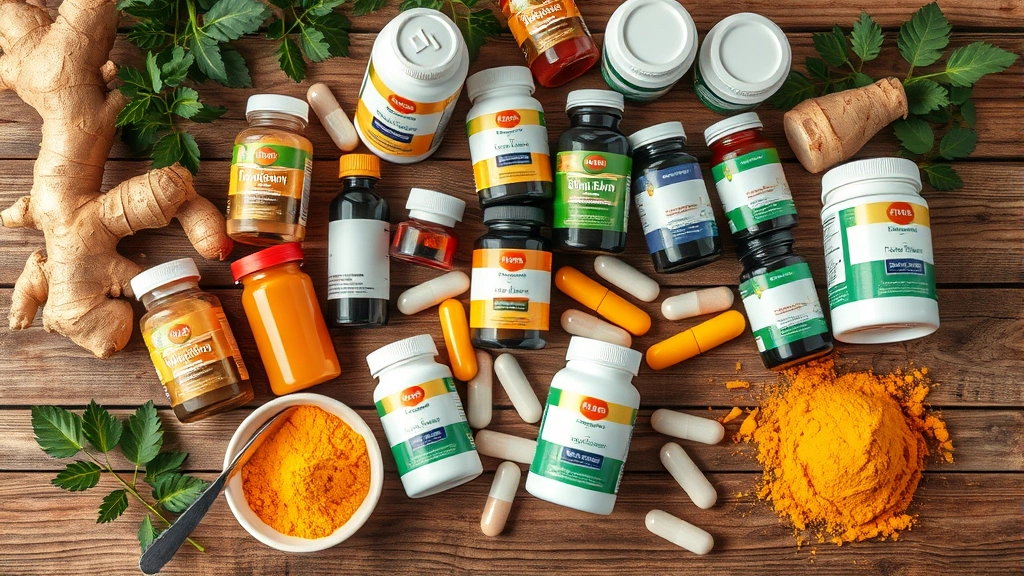
For cats with osteoarthritis or chronic inflammatory conditions, boswellia can be a game-changer. It works differently than other supplements on this list, making it an excellent addition to a multi-supplement protocol. Some studies suggest it’s as effective as certain NSAIDs but without the potential side effects.
Boswellia is typically available in extract form and can be mixed into food or given as a capsule (if your cat cooperates, which let’s be honest, is a big if).
Ginger: Warming Anti-Inflammatory Power
Ginger isn’t just for upset stomachs. This warming spice contains gingerols and shogaols—compounds with powerful anti-inflammatory properties. In traditional Chinese medicine, ginger has been used to improve circulation and reduce inflammation for millennia.
For cats, ginger supplements can help with both joint inflammation and digestive issues. The warming nature of ginger also improves blood flow, which helps deliver nutrients to inflamed tissues more effectively. It’s particularly beneficial during colder months when cats tend to stiffen up.
You can find ginger in extract form or as part of comprehensive anti-inflammatory blends designed specifically for cats.
Combining Supplements: The Synergy Strategy
Here’s where things get interesting. While individual supplements are effective, combining them strategically creates what we call synergistic effects—meaning the whole is greater than the sum of its parts. Liquid probiotics for pets combined with fish oil and curcumin, for example, create a multi-pronged attack on inflammation.
The key is avoiding redundancy. You don’t want to give your cat three different fish oil supplements; instead, choose one quality option and pair it with complementary supplements that work through different mechanisms. This approach maximizes benefits while minimizing the supplement load.
Always introduce new supplements gradually, spacing them out over a week or two to monitor for any sensitivities. Your cat’s digestive system needs time to adjust, and you want to identify which supplement causes any reaction (if any).
Quality Matters: Choosing the Right Supplements
Not all supplements are created equal. The pet supplement industry is less regulated than pharmaceuticals, which means quality varies wildly. Look for brands that third-party test their products, provide transparent ingredient lists, and source from reputable suppliers.
Check for certifications from organizations like the National Animal Supplement Council (NASC) or similar bodies. Read reviews from other cat owners, and don’t hesitate to ask your veterinarian for specific brand recommendations. Your vet can point you toward supplements that have been vetted and proven effective.
Price is a consideration, but it shouldn’t be your only one. A cheap supplement that your cat won’t eat or that provides minimal benefits is a waste of money. Invest in quality, and you’ll see better results.
Dosing and Administration: Making It Work
The challenge with supplements isn’t finding them—it’s getting your cat to actually take them. Cats are notoriously stubborn about anything that tastes different or feels unusual. Here are some strategies that work:
Powder supplements: Mix with a small amount of wet food or bone broth. The stronger flavors mask the supplement taste.
Liquid supplements: Drizzle on food or mix into wet food. Liquid formulations often have better absorption anyway.
Capsules: If your cat will tolerate it, you can open capsules and mix the contents with food. Some cats are pill-takers; most aren’t.
Treats: Many supplement companies now offer treats infused with anti-inflammatory compounds. These are often the easiest route for picky eaters.

Consistency is crucial. You won’t see results from sporadic supplementation. Aim for daily administration, and give supplements at least 4-6 weeks to show effects. Chronic inflammation didn’t develop overnight, and it won’t disappear overnight either.
When to Consult Your Veterinarian
Before starting any supplement regimen, chat with your vet. This is especially important if your cat is on medications, as some supplements can interact with pharmaceuticals. Your vet can also help identify the root cause of inflammation and recommend the most appropriate supplements for your cat’s specific situation.
If your cat has underlying conditions like kidney disease, liver disease, or diabetes, certain supplements might not be appropriate. Your vet is your partner in optimizing your cat’s health, so keep them in the loop.
Watch for any adverse reactions after starting supplements: vomiting, diarrhea, lethargy, or loss of appetite. These are signs to stop and contact your vet immediately.
Frequently Asked Questions
Are anti-inflammatory supplements safe for all cats?
Most anti-inflammatory supplements are safe for healthy adult cats, but certain conditions warrant caution. Cats with kidney disease, bleeding disorders, or those taking blood thinners should consult their vet before starting supplements. Pregnant or nursing cats should also get veterinary approval. When in doubt, ask your vet.
How long does it take to see results from anti-inflammatory supplements?
Most cats show noticeable improvements within 4-6 weeks of consistent supplementation. Some cats respond faster, while others need 8-12 weeks. Patience is key. Keep a journal of your cat’s activity level and mobility to track progress objectively.
Can supplements replace prescription anti-inflammatory medications?
Supplements can be effective for mild to moderate inflammation, but they’re not always a complete replacement for prescription medications in severe cases. Many vets recommend a combined approach: supplements for ongoing support and medications for acute flare-ups. Always discuss this with your veterinarian.
Which anti-inflammatory supplement is best for arthritic cats?
Fish oil, green-lipped mussel, and boswellia are the top choices for arthritic cats. Many vets recommend starting with fish oil due to extensive research backing its effectiveness. If that alone isn’t sufficient, adding green-lipped mussel or boswellia often provides additional relief.
Can I give my cat multiple anti-inflammatory supplements at once?
Yes, strategic combination of supplements often works better than single supplements. However, avoid doubling up on similar compounds. For example, don’t give two different fish oil supplements. Instead, combine fish oil with boswellia or turmeric for complementary effects.
What’s the difference between liquid and powder probiotics for cats?
Both liquid and powder probiotics are effective. Liquid formulations often have better absorption and are easier to administer mixed into food. Powder versions are more shelf-stable and sometimes more concentrated. Choose based on your cat’s preferences and your administration ease.
Conclusion: Giving Your Cat the Gift of Comfort
Anti-inflammatory supplements for cats represent a powerful, natural approach to managing chronic inflammation and improving quality of life. Whether your cat is dealing with arthritis, digestive issues, or age-related stiffness, there’s likely a supplement protocol that can help.
Start with the fundamentals: fish oil for its proven anti-inflammatory effects, probiotics for gut health, and perhaps turmeric or green-lipped mussel depending on your cat’s specific needs. Introduce supplements gradually, monitor for results, and work closely with your veterinarian to optimize your cat’s health.
Remember, supplements are tools in your wellness toolkit, not magic bullets. They work best alongside proper nutrition, regular veterinary care, and appropriate exercise. Your cat didn’t develop chronic inflammation overnight, and recovery takes time. But with patience, consistency, and the right supplements, you can help your feline friend feel younger, more active, and genuinely happier.
Your cat deserves to enjoy their golden years with comfort and vitality. Anti-inflammatory supplements can help make that happen.





