
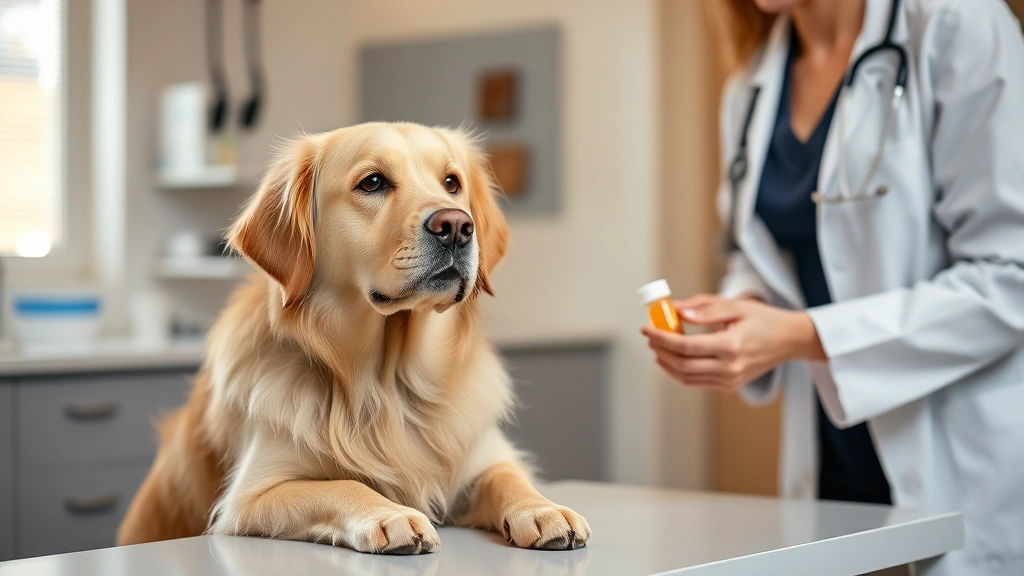
Your dog has a limping gait, a nasty ear infection, or a wound that won’t heal. Your vet mentions antibiotics, and suddenly you’re wondering: What exactly is my dog getting? Will it work? What are the side effects? Antibiotics for dogs are one of the most commonly prescribed medications in veterinary medicine—and for good reason. They save lives. But they’re also not magic, and understanding how they work, when your vet actually needs them, and how to give them safely makes you a better pet parent.
This guide breaks down everything you need to know about antibiotics for dogs: which ones vets prescribe most, how they work, what to watch for, and when you might be dealing with unnecessary prescriptions. Real talk included.
How Antibiotics for Dogs Actually Work
Here’s the thing: antibiotics for dogs don’t boost immunity or fight infection like your immune system does. They’re more like targeted assassins. They either kill bacteria outright or stop bacteria from reproducing. That’s it. Two mechanisms, countless drugs.
Bactericidal antibiotics are the killers. They punch holes in bacterial cell walls or disrupt their DNA. Penicillin-based drugs work this way. Your dog’s body then cleans up the dead bacteria.
Bacteriostatic antibiotics are the growth stoppers. They prevent bacteria from multiplying, giving your dog’s immune system time to mop up what’s already there. Tetracyclines work this way.
The key insight: antibiotics for dogs only work on bacterial infections. They do absolutely nothing against viruses. If your vet prescribes them for a suspected viral infection (like kennel cough early on), that’s a red flag. Sometimes vets do this preventatively if they’re worried about secondary bacterial infections, but it’s worth asking about.
Pro Tip: Bacteria have been around for billions of years. They’re survivors. If you don’t finish the full course of antibiotics for dogs, you’re essentially training the remaining bacteria to resist the drug. Always complete the prescription, even if your dog seems fine after three days.
Common Types of Antibiotics for Dogs
Your vet has options, and understanding the major categories helps you have smarter conversations about what your dog’s getting.
Penicillins & Amoxicillin
The workhorse of veterinary medicine. Amoxicillin is probably prescribed more than any other antibiotic for dogs. It’s cheap, effective against many common bacteria, and generally safe. You’ll see it for skin infections, ear infections, urinary tract infections, and wound infections. Side effects are usually minimal, though some dogs get diarrhea or vomiting.
Cephalosporins (Cephalexin, Cefpodoxime)
These are cousins of penicillin. If your dog has a penicillin allergy, cephalosporins are sometimes still okay (though there’s a small cross-reactivity risk). Cephalexin is commonly used for skin and soft tissue infections. It’s also well-tolerated, though again, GI upset happens.
Fluoroquinolones (Enrofloxacin, Marbofloxacin)
These are the heavy hitters. Broad-spectrum, meaning they hit a wide range of bacteria. Vets use them for serious infections, urinary tract infections, and respiratory issues. They’re also more expensive and have more potential side effects, including joint problems in young dogs. Reserve these for when narrower-spectrum drugs won’t cut it.
Tetracyclines (Doxycycline)
Broad-spectrum and good for respiratory infections, Lyme disease, and some skin conditions. Doxycycline is commonly prescribed. The catch: it can cause esophageal irritation if not given properly, and it interacts with dairy products. Give it with a full glass of water, and wait 30 minutes before food.
Macrolides (Azithromycin)
Used less frequently but helpful for certain respiratory and soft tissue infections. Generally well-tolerated, though GI upset is possible.
Sulfonamides (Trimethoprim-Sulfamethoxazole)
An older class, sometimes used for urinary tract infections and some protozoal infections. Less common now because better options exist, but still in the toolkit.
When Your Vet Prescribes Antibiotics for Dogs
Not every infection needs antibiotics for dogs. This is crucial. Over-prescribing is a massive problem in veterinary medicine, just like in human medicine. Understanding when they’re actually necessary helps you advocate for your dog.
Definitely Needs Antibiotics
- Bacterial skin infections (pyoderma)—especially if there’s pus, crusty lesions, or the infection is spreading
- Urinary tract infections confirmed by culture (not just symptoms)
- Ear infections with bacterial involvement (your vet should check with an otoscope)
- Bite wounds or puncture wounds—these are dirty and prone to serious infections
- Pneumonia or other respiratory infections showing bacterial signs
- Abscesses or wounds that are draining pus
- Post-surgical infections or prophylactic use before surgery
- Bone infections (osteomyelitis)—serious and needs aggressive treatment
Maybe Needs Antibiotics (Ask Questions)
- Kennel cough early on—usually viral, but if secondary bacterial infection is suspected, maybe. Ask your vet if they’re treating the virus itself or preventing complications.
- Mild ear infections—sometimes topical treatment alone works. Do you need systemic antibiotics for dogs?
- Minor wounds without signs of infection—good cleaning and topical care (like Neosporin on dogs) might be enough
- Suspected UTI based only on symptoms—get a culture first. Many things mimic UTIs.
Probably Doesn’t Need Antibiotics
- Viral infections like most cases of kennel cough, canine influenza, or COVID in dogs
- Allergic skin conditions—these need allergy management, not antibiotics (though secondary infections might develop)
- Routine itching or scratching without visible infection
- Fever alone—knowing how to tell if your dog has a fever is important, but fever isn’t always bacterial
Real Talk: Some vets prescribe antibiotics for dogs “just in case” because it’s easier than explaining why they’re not needed. If your vet prescribes them without explaining the specific bacterial infection, ask: “What bacteria are we treating?” A good vet can answer that.
How to Give Antibiotics for Dogs (Without Losing Your Mind)
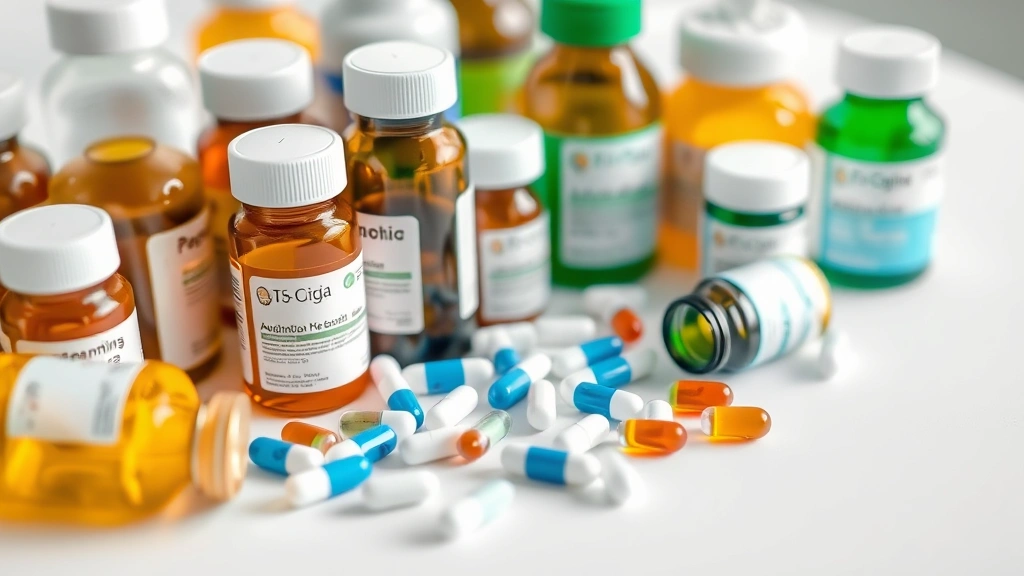
Knowing your dog needs antibiotics for dogs is one thing. Actually getting them to take it is another. Here’s what works.
Pills & Capsules
The classic struggle. Some dogs swallow pills like treats. Others will spit out a pill hidden in peanut butter like they’re defusing a bomb. Strategies:
- Pill pockets work for many dogs, but not all. They’re worth trying.
- Pill crusher or grinder—ask your vet first if the specific antibiotic for dogs can be crushed. Some need to stay whole.
- Pill gun (pet piller)—mechanical device that puts the pill way back in the throat. Sounds harsh, but it works and is safer than finger-in-mouth.
- Cream cheese, liverwurst, or wet food—coat the pill and follow with a treat they love even more.
- Compounding pharmacy—if all else fails, ask your vet about getting the antibiotic for dogs compounded into a flavored liquid or treat. It costs more but works.
Liquids & Suspensions
Easier to dose but often taste terrible. Your dog knows. Strategies:
- Syringe in the corner of the mouth—not down the throat, which risks aspiration. Squirt slowly and let them swallow naturally.
- Mix with food—check with your vet. Some antibiotics for dogs need to be given on an empty stomach; others are fine with food.
- Refrigerate—cold sometimes masks bitter taste.
- Follow with something tasty—immediately after, give a treat or a lick of peanut butter to wash away the taste.
Timing Matters
Your vet says “twice daily.” That means roughly 12 hours apart, not breakfast and dinner if those are 8 hours apart. Set phone reminders. Missing doses or giving them unevenly reduces effectiveness and increases resistance risk.
Some antibiotics for dogs need an empty stomach; others work better with food. Ask your vet specifically, and write it down. “With food” vs. “without food” changes absorption.
Duration
Your vet gives you a prescription for 10 days, 14 days, sometimes longer. Finish it all. Even if your dog seems 100% better on day 5, the infection might not be. Stopping early is how bacteria learn to resist.
Side Effects & Safety Concerns
All drugs have side effects. Antibiotics for dogs are generally safe, but awareness matters.
Common Side Effects
- Gastrointestinal upset—vomiting, diarrhea, loss of appetite. Most common. Usually mild and resolves after the course ends.
- Allergic reactions—rare but possible. Signs: hives, facial swelling, difficulty breathing, or severe vomiting. This is an emergency. Stop the drug and call your vet immediately.
- Photosensitivity (with tetracyclines)—sun sensitivity. Avoid prolonged sun exposure during treatment.
- Yeast infections—antibiotics for dogs kill good bacteria too, sometimes allowing yeast to overgrow. You might notice itching or discharge.
Drug Interactions
Tell your vet about everything your dog is taking. Some antibiotics for dogs interact with other medications. For example:
- Doxycycline + dairy or calcium supplements = reduced absorption
- Fluoroquinolones + NSAIDs = increased risk of GI ulcers
- Tetracyclines + antacids = reduced effectiveness
If your dog is on pain medicine safe for dogs or trazodone or other medications, mention it.
Special Populations
Puppies: Some antibiotics for dogs (like fluoroquinolones) can affect developing joints. Vets are careful here, but ask if the chosen drug is safe for your puppy’s age.
Pregnant or nursing dogs: Some antibiotics for dogs pass into milk or cross the placenta. Your vet needs to know.
Liver or kidney disease: These organs metabolize and eliminate antibiotics for dogs. Dosing might need adjustment. Blood work before starting is smart.
Elderly dogs: Similar concerns as liver/kidney disease. Slower metabolism means drugs stay in the system longer.
Antibiotic Resistance in Dogs: A Growing Problem
This is the big picture issue. Bacteria adapt. They’re incredible at it. Every time antibiotics for dogs are used—especially when used unnecessarily or incompletely—bacteria that survive pass on resistance genes to their offspring. Over time, entire bacterial populations become resistant.
The American Veterinary Medical Association and veterinary organizations worldwide are pushing for stewardship: use antibiotics for dogs when truly needed, choose the narrowest-spectrum drug that works, and use them correctly.
What does this mean for you?
- Ask your vet to culture before prescribing. A culture identifies the exact bacteria and which antibiotics for dogs actually work against it. It costs more upfront but prevents wasted medication and resistance.
- Don’t push for antibiotics. If your vet says your dog has a viral infection and doesn’t need antibiotics for dogs, trust that. You’re helping everyone.
- Always finish the course. Incomplete treatment is a major driver of resistance.
- Don’t save leftover antibiotics. They degrade over time and tempt you to self-treat next time. Dispose of them properly.
Important: Antibiotic resistance is a global health crisis. The choices you make about your dog’s treatment ripple outward. Responsible use now protects everyone’s pets (and people) in the future.
Questions to Ask Your Vet About Antibiotics for Dogs
Before you leave the clinic with a prescription for antibiotics for dogs, ask these:
- “What bacteria are we treating?” If your vet says “we’re not sure,” ask if a culture is possible. If they say “it’s just a precaution,” push back gently.
- “Why this specific antibiotic?” Is it because it’s the narrowest-spectrum option that works, or because it’s what they always use?
- “How long will treatment take?” Get the exact duration and understand why that length is appropriate.
- “With food or without?” Write down the exact instructions.
- “What side effects should I watch for?” Know what’s normal (mild diarrhea) vs. concerning (severe vomiting, swelling).
- “What should I do if my dog misses a dose?” Is it “give it ASAP” or “skip and resume the schedule”?
- “What happens if this doesn’t work?” When do you follow up? What’s the next step?
- “Are there any drug interactions I should know about?” Mention everything your dog is taking.
- “Can this be compounded?” If your dog is a pill-spitter, ask now rather than struggling for two weeks.
Frequently Asked Questions
Can I give my dog leftover antibiotics from a previous prescription?
– No. Medications degrade over time, and you don’t know if the old infection and the new one are caused by the same bacteria. Plus, the dose might be wrong. Always get a fresh prescription. It’s tempting to save money, but it’s not worth the risk.
What if my dog is allergic to penicillin-based antibiotics for dogs?
– Tell your vet immediately. Cephalosporins are sometimes an option (there’s a small cross-reactivity risk, but it’s usually okay). Fluoroquinolones, macrolides, or other classes are alternatives. Your vet has options.
How long does it take for antibiotics for dogs to work?
– You might see improvement in 24-48 hours, especially with skin infections. But “improvement” doesn’t mean “cure.” Keep giving the full course. Serious infections like bone infections can take weeks.
Can I use human antibiotics on my dog?
– Don’t. Dosing is different, and some human formulations contain additives toxic to dogs. Always use veterinary-prescribed antibiotics for dogs.
What if my dog vomits right after taking an antibiotic?
– Call your vet. Depending on the timing (immediately vs. 30 minutes later) and the specific antibiotic for dogs, you might need to give another dose or adjust how you’re administering it. Don’t guess.
Are there natural alternatives to antibiotics for dogs?
– Some supplements have mild antibacterial properties, but they’re not substitutes for prescription antibiotics for dogs when a serious bacterial infection is present. Honey, probiotics, and certain herbs might support healing, but they won’t cure pneumonia or a bone infection. Use them as complementary, not alternative, treatment.
Why does my vet want to do a culture before prescribing antibiotics for dogs?
– Because it identifies the exact bacteria and which antibiotics for dogs actually work. It costs more upfront but saves money and reduces resistance. A culture takes 3-5 days, so your vet might give a broad-spectrum antibiotic for dogs while waiting, then switch to a narrower one once results are back. That’s good medicine.
Can my dog develop a yeast infection from antibiotics for dogs?
– Yes. Antibiotics kill good bacteria, sometimes allowing yeast to overgrow. If you notice itching, discharge, or odor during or after treatment, tell your vet. They might recommend probiotics or a short antifungal course.
Is it okay to stop antibiotics for dogs early if my dog seems better?
– No. This is one of the biggest mistakes pet owners make. Seeming better and being cured are different. Stopping early leaves resistant bacteria behind. Always finish the prescription, even if your dog looks perfect on day 5 of a 14-day course.





