
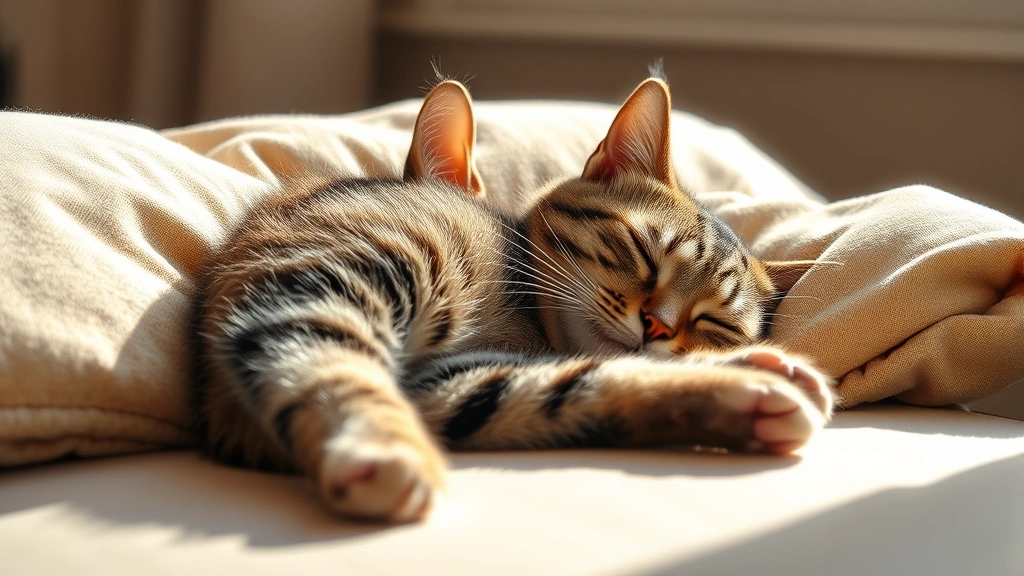
Anxiety treats for cats are a game-changer for pet parents dealing with stressed-out kitties. If your cat is hiding under the bed, refusing to eat, or acting like a furry little gremlin during thunderstorms, you’re not alone—feline anxiety is real, and it’s more common than you’d think. The good news? There are proven solutions that actually work, and many of them taste pretty darn good (at least according to our feline taste-testers).
Understanding Cat Anxiety: Why Your Kitty Needs Help
Before we dive into the treats themselves, let’s talk about why cats get anxious in the first place. Unlike dogs who might bark at a leaf, cats internalize stress like tiny, furry philosophers. They experience anxiety from loud noises, changes in their environment, vet visits, new pets, or even shifts in their routine. Some cats are naturally more anxious than others—it’s just their personality. When your cat is stressed, their whole body reacts: they might stop grooming, lose appetite, or develop behavioral issues that drive you up the wall.
The thing about anxiety in cats is that it’s not just about comfort—chronic stress can actually weaken their immune system and lead to other health problems. That’s why managing anxiety early with the right supplements and treats is so important.
The Science Behind Calming Ingredients in Cat Treats
Here’s where it gets interesting. The best anxiety treats for cats aren’t just random snacks—they contain scientifically-backed ingredients that actually affect your cat’s brain chemistry. L-theanine, for example, is an amino acid that promotes relaxation without drowsiness. Chamomile and passionflower have been used for centuries to calm nervous systems, and guess what? They work on cats too.
Many premium anxiety treats also include probiotics for cats, which support gut health. There’s actually a fascinating connection between gut bacteria and anxiety—it’s called the gut-brain axis, and it’s just as important in cats as it is in humans. When your cat’s digestive system is happy, their mood improves. It’s like they’re getting a double dose of chill from one little treat.
Method 1: Herbal and Natural Calming Treats
Natural calming treats are your first line of defense against feline anxiety. These are typically made with ingredients like valerian root, catnip (yes, really—it calms some cats), and various herbs that have been proven to reduce stress. Look for treats that list these ingredients clearly and come from reputable manufacturers.
The beauty of herbal treats is that they’re gentle and have minimal side effects. Your cat won’t become a zombie; they’ll just be noticeably more chill. Some cats respond immediately, while others need a few days to show improvement. It’s not magic, but it’s pretty close. Brands that focus on feline anxiety have usually spent years perfecting their formulas, so you’re getting the benefit of their research.
Pro tip: Start with a small dose to see how your cat responds. Every cat is different, and what works wonders for Mr. Whiskers might not impress Princess Fluffington.
Method 2: CBD and Hemp-Based Anxiety Treats
CBD for cats has become increasingly popular, and for good reason. Hemp-derived CBD (the non-psychoactive compound from cannabis) has shown promise in reducing anxiety without getting your cat high. Yes, you read that right—your cat won’t be lounging on the couch eating Cheetos.
CBD works by interacting with your cat’s endocannabinoid system, which regulates mood, pain, and stress responses. Studies have shown that CBD can reduce anxiety in pets while improving overall wellness. The treats come in various strengths, so you can find the right dosage for your cat’s size and anxiety level.
The key here is quality. Make sure any CBD treats you choose are third-party tested and come with a certificate of analysis. You want to know exactly what you’re giving your furry friend. Some vets are now recommending CBD treats as part of a comprehensive anxiety management plan, which tells you something about their effectiveness.
Method 3: Probiotic-Enhanced Anxiety Treats
Remember that gut-brain connection we mentioned? This is where it gets really practical. Multi-strain probiotics for pets can significantly impact your cat’s anxiety levels by supporting digestive health and, by extension, mental health.

Anxiety treats that combine calming herbs with probiotics give you the best of both worlds. Your cat gets immediate relaxation support from the herbal ingredients while building long-term emotional resilience through improved gut health. It’s like giving your cat a spa day and a therapy session rolled into one treat.
The probiotics work by promoting beneficial bacteria growth in the digestive tract, which produces neurotransmitters like serotonin and GABA—the same chemicals that make humans feel happy and relaxed. Your cat’s microbiome is basically their mood manager.
Choosing the Right Anxiety Treats for Your Cat
Not all anxiety treats are created equal, and choosing the right one requires a bit of detective work. First, check the ingredient list. You want recognizable ingredients, not a chemistry experiment. Second, consider your cat’s specific anxiety triggers—is it noise-related, social, or environmental? Different treats target different types of anxiety.
Third, look at the form factor. Some cats prefer crunchy treats, while others want soft, chewy ones. A treat your cat won’t eat is useless, no matter how good the ingredients are. Fourth, consider your cat’s dietary restrictions. If your cat has a sensitive stomach, you might want to look for treats that include liquid probiotics or other digestive support.
Finally, talk to your vet. They know your cat’s health history and can recommend treats that won’t interfere with any medications or existing conditions. Your vet might also suggest combining treats with other anxiety management strategies like environmental enrichment or behavioral modification.
How to Introduce Anxiety Treats to Your Cat
Introducing new treats requires patience and strategy. Start with a very small amount—like a quarter of a treat—to make sure your cat doesn’t have any adverse reactions. Watch for any changes in behavior, appetite, or litter box habits over the next few days.
Once you’ve confirmed your cat tolerates the treats well, you can gradually increase the dosage according to the package instructions. Most anxiety treats work best when given consistently, so establish a routine. Give them at the same time each day, preferably during moments when your cat is naturally more anxious (like before a vet visit or during storm season).
Some cats will gobble up anxiety treats like they’re the best thing since sliced tuna. Others will sniff them suspiciously and walk away. If your cat falls into the latter category, try crushing the treat and mixing it with a favorite food, or breaking it into smaller pieces and hiding it in wet food.
Combining Treats with Other Anxiety Management Strategies
Here’s the truth: anxiety treats are most effective when they’re part of a comprehensive approach. Think of them as one tool in your anxiety-fighting toolkit. Combine them with environmental modifications like creating safe spaces, using pheromone diffusers (like Feliway), and maintaining a consistent routine.
Interactive play, puzzle feeders, and vertical spaces can also reduce anxiety by giving your cat outlets for natural behaviors. Some cats benefit from calming music designed specifically for felines. Others need more one-on-one time with their humans. The point is, anxiety treats work better when your cat’s overall environment supports calmness.
If your cat’s anxiety is severe, you might also need to work with a veterinary behaviorist. They can assess whether medication might be necessary alongside anxiety treats. There’s no shame in this—sometimes cats need pharmaceutical help, and that’s okay.
Red Flags: When to Skip Treats and See a Vet
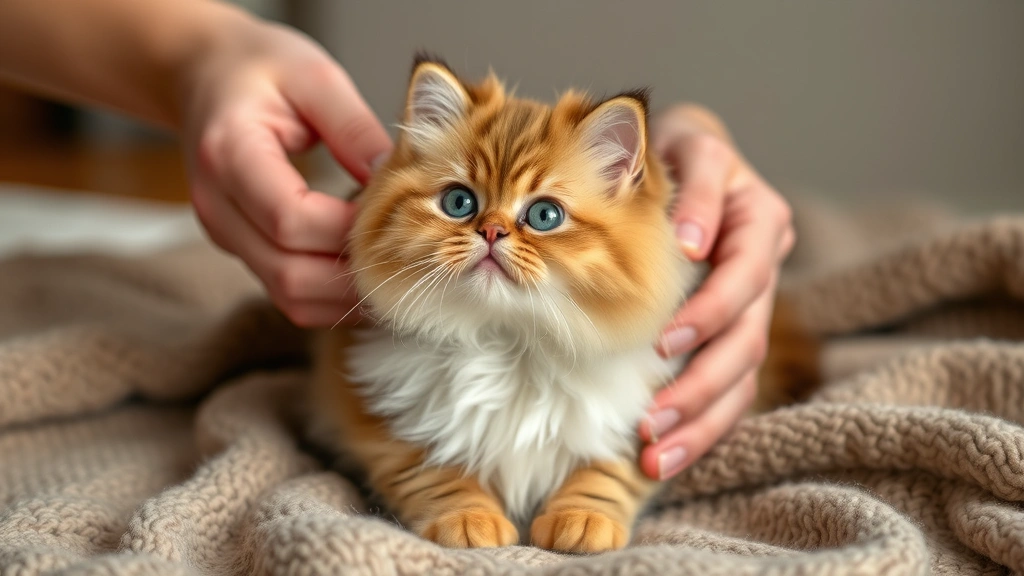
While anxiety treats are generally safe, there are situations where you need professional help first. If your cat is showing signs of extreme distress, aggression, or self-harm, get to a vet immediately. If your cat suddenly develops anxiety after being calm, there might be an underlying medical issue—cats can hide pain and illness remarkably well.
Also, be cautious if your cat is already on medications. Some herbal ingredients can interact with pharmaceuticals, so always check with your vet first. CBD, while generally safe, can interact with certain medications, particularly those processed by the liver.
Never use anxiety treats as a substitute for medical care when medical care is needed. They’re supplements, not replacements for veterinary treatment.
Frequently Asked Questions
How long does it take for anxiety treats to work?
Most anxiety treats start showing effects within 30 minutes to an hour, though some cats respond faster or slower depending on their metabolism and the specific ingredients. For long-term benefits from probiotic-enhanced treats, give it at least 2-4 weeks of consistent use. Some cats show improvement immediately, while others need time to adjust.
Are anxiety treats safe for all cats?
Most anxiety treats are safe for healthy adult cats, but they’re not recommended for kittens under 12 weeks, pregnant or nursing cats, or cats with certain medical conditions. Always consult your vet before starting any new supplement, especially if your cat is on medications or has underlying health issues.
Can I give my cat anxiety treats daily?
Yes, most anxiety treats are formulated for daily use and are safe to give consistently. In fact, daily use often produces better results than occasional use. However, follow the dosage instructions on the package, and adjust based on your cat’s response. More isn’t always better.
What’s the difference between anxiety treats and anxiety medications?
Anxiety treats are supplements containing natural or herbal ingredients, while anxiety medications are pharmaceutical drugs prescribed by vets. Treats work more gently and have fewer side effects, but medications might be necessary for severe anxiety. Many cats benefit from a combination of both.
Do anxiety treats really work, or is it placebo?
Anxiety treats do work, though the placebo effect isn’t really a factor with cats—they can’t expect to feel better. The ingredients in quality anxiety treats have been scientifically studied and shown to reduce anxiety markers in cats. That said, they work best as part of a comprehensive anxiety management plan.
The Bottom Line on Anxiety Treats for Cats
Anxiety treats for cats are a legitimate, effective tool for managing feline stress. Whether you choose herbal treats, CBD-based options, or probiotic-enhanced formulas, you’re giving your cat a safe way to cope with anxiety. The key is choosing high-quality products, introducing them gradually, and combining them with other anxiety-reducing strategies.
Your anxious cat doesn’t have to suffer through every thunderstorm or vet visit in a state of panic. With the right anxiety treats and a comprehensive approach to stress management, you can help your furry friend find their zen. And honestly, a calmer cat makes for a happier household for everyone involved.
Start by talking to your vet about which anxiety treats might work best for your specific cat, then give them a try. Your cat will thank you—probably by actually sitting on your lap instead of hiding under the bed.





