

An appetite stimulation schedule is your secret weapon when your furry friend turns their nose up at dinner like it’s yesterday’s garbage. Whether your dog, cat, or rabbit has decided to become a professional food critic, we’ve got the game plan to get them eating again—and actually enjoying it.
Table of Contents
- Why Your Pet’s Appetite Matters More Than You Think
- Step 1: Establish a Rigid Feeding Schedule
- Step 2: Optimize Meal Timing Around Activity
- Step 3: Rotate Protein Sources and Food Varieties
- Step 4: Create an Appealing Feeding Environment
- Step 5: Incorporate Strategic Supplements and Appetite Enhancers
- Common Appetite Stimulation Mistakes to Avoid
- When to Escalate Your Appetite Stimulation Strategy
- Real-World Success: What Actually Works
- Your Appetite Stimulation Schedule at a Glance
- Frequently Asked Questions
- The Bottom Line: Consistency Wins
Why Your Pet’s Appetite Matters More Than You Think
When pets stop eating with enthusiasm, it’s not just annoying—it’s a red flag. A declining appetite can signal everything from dental issues to stress, nutritional deficiencies, or something more serious. That’s why establishing a consistent feeding schedule for picky eaters isn’t just about getting them to chomp down; it’s about their overall health and wellbeing.
Your vet might recommend pet health monitoring to rule out underlying conditions. But once you’ve got the all-clear, it’s time to implement a structured approach to appetite stimulation.
Step 1: Establish a Rigid Feeding Schedule
Consistency is king when dealing with picky pets. Instead of leaving food out all day (which basically screams “eat whenever you feel like it”), implement set mealtimes. Most adult dogs and cats do best with two meals daily, spaced 8-12 hours apart.
Here’s the trick: put food down for 15-20 minutes, then remove it—even if Fluffy hasn’t touched it. This creates anticipation and teaches your pet that mealtime is a privilege, not a 24/7 buffet. Within a few days, you’ll notice they’re more interested in actually eating when the bowl appears.
For puppies and kittens, three to four smaller meals work better. Adjust based on your pet’s age and metabolism, but the key is predictability.
Step 2: Optimize Meal Timing Around Activity
Timing your appetite stimulation schedule around your pet’s natural rhythms makes a huge difference. Feed them after exercise or playtime—not before. A dog that’s just had a 20-minute walk will be genuinely hungry, not just picking at food out of boredom.
Morning meals should happen after their bathroom break and some activity. Evening meals work best 2-3 hours before bedtime. This prevents late-night bathroom emergencies and aligns with your pet’s natural circadian rhythm for hunger.
Pro tip: if your pet is a cat, feed them right before your own dinner. Cats are crepuscular (most active at dawn and dusk), so timing meals with these natural activity peaks works wonders.
Step 3: Rotate Protein Sources and Food Varieties
Picky pets often get bored. Imagine eating the exact same kibble every single day—you’d probably lose your appetite too. Rotating between different protein sources keeps things interesting while preventing food sensitivities.
Try alternating between chicken, beef, fish, and turkey-based meals. If your pet has a sensitive stomach, introduce new proteins slowly over 7-10 days to avoid digestive upset.
You don’t need to go fancy—just varying the kibble brand or mixing in a small amount of wet food can spark renewed interest. Some pets respond better to wet food, while others prefer the crunch of kibble. Experiment to find what gets their tail wagging.
Consider adding pet multivitamins or pet supplement dosage guidance to ensure they’re getting complete nutrition, especially if they’re eating less than ideal amounts.
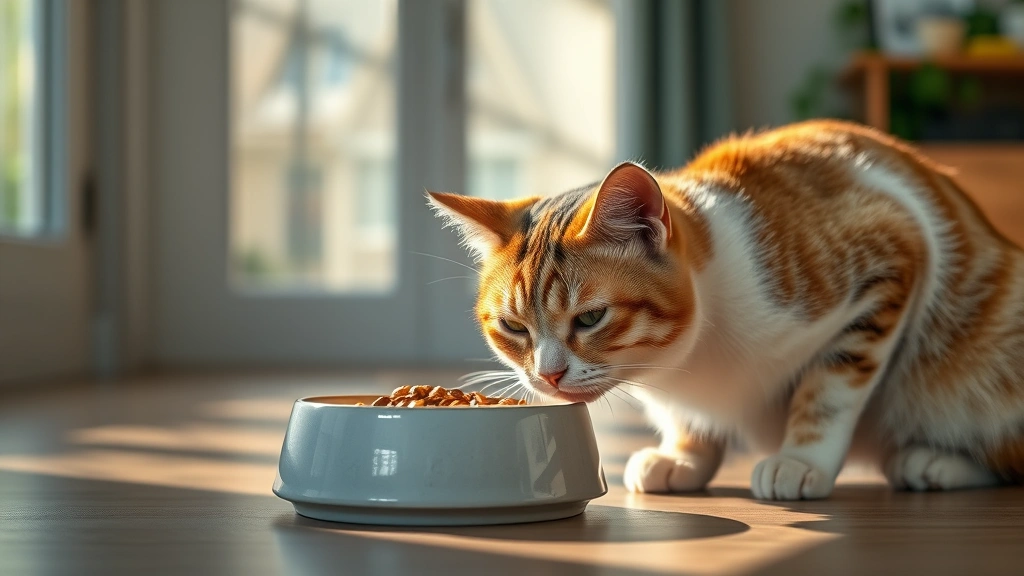
Step 4: Create an Appealing Feeding Environment
Where your pet eats matters just as much as what they eat. A chaotic kitchen with kids screaming and dogs barking? That’s not an appetite stimulant—that’s a appetite suppressant.
Create a calm, dedicated feeding space away from household chaos. Some pets are sensitive to their bowls’ material—try switching from plastic to stainless steel or ceramic. Water should be in a separate bowl, placed away from food (cats especially prefer this arrangement).
Remove the bowl after meals to keep the space clean and prevent stale food from sitting around. A fresh, quiet dining experience signals to your pet that mealtime is special and worth their attention.
Step 5: Incorporate Strategic Supplements and Appetite Enhancers
Once you’ve nailed the schedule and environment, strategic supplementation can push your pet’s appetite into overdrive. Fish oil, bone broth, and certain amino acids are scientifically shown to increase palatability and food interest.
Check out recovery supplements if your pet is bouncing back from illness—these often include appetite-stimulating ingredients. For ongoing health, preventative care supplements can maintain appetite and digestive health long-term.
Always consult your vet before adding supplements, especially if your pet is on medication. Some combinations can interact, and dosing matters. A vet can recommend specific products that won’t interfere with your pet’s current treatment plan.
Common Appetite Stimulation Mistakes to Avoid
Don’t fall into these traps: offering too many treats between meals (kills actual appetite), feeding human food (creates picky expectations), or constantly switching foods without a transition period (causes digestive upset and further appetite loss).
Also avoid coaxing or begging your pet to eat. I know it’s tempting when you’re worried, but it reinforces the idea that eating is optional. Stay calm, present the food, and walk away. Your pet will eat when genuinely hungry.
When to Escalate Your Appetite Stimulation Strategy
If your pet shows no improvement after 2-3 weeks of consistent scheduling, or if appetite loss is accompanied by vomiting, diarrhea, lethargy, or weight loss, contact your vet immediately. These could signal infections, parasites, metabolic disease, or other serious conditions requiring professional intervention.
According to the American Kennel Club, sudden appetite changes warrant veterinary evaluation. Don’t assume it’s just pickiness—better safe than sorry.
Real-World Success: What Actually Works
Dogs that thrived on an appetite stimulation schedule often showed results within 3-5 days of implementation. Cats typically took 1-2 weeks to adjust. The consistency matters more than the specific foods or supplements you choose.
One common success pattern: combining a rigid schedule with environmental improvements yields faster results than supplements alone. Your pet’s brain is wired to respond to routine and safety—leverage that psychology before jumping to supplements.
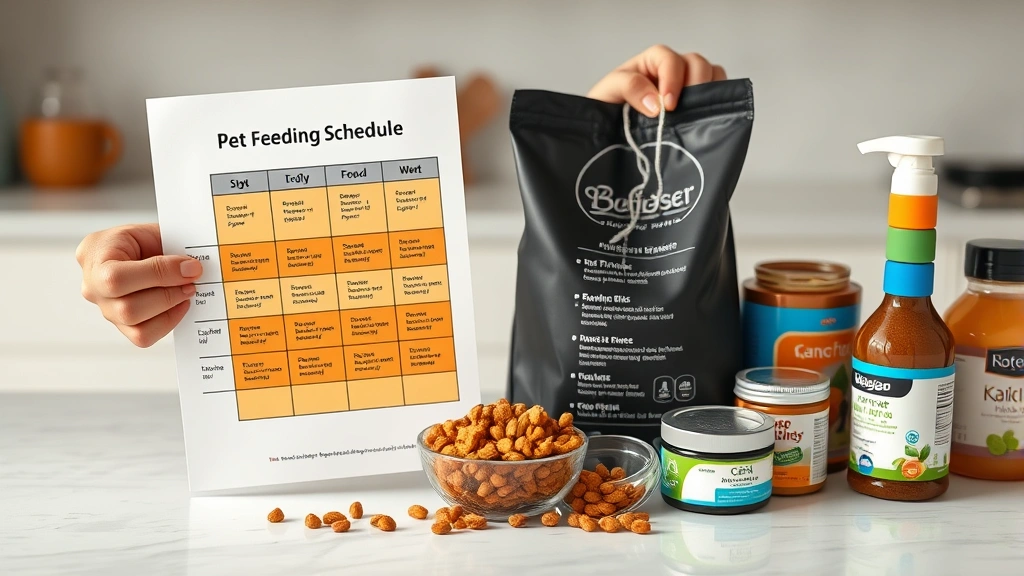
Your Appetite Stimulation Schedule at a Glance
Morning: Exercise first, then meal within 30 minutes. Bowl down for 15-20 minutes, then removed.
Afternoon: Light activity or play, water available throughout.
Evening: Second meal 2-3 hours before bedtime. Quiet environment, calm presentation.
Throughout: Monitor water intake, watch for behavioral changes, adjust based on response.
Frequently Asked Questions
How long does an appetite stimulation schedule take to work?
Most pets show improvement within 3-7 days of consistent scheduling. Dogs typically respond faster than cats. If there’s no improvement after 2-3 weeks, consult your veterinarian to rule out medical issues.
Can I use an appetite stimulation schedule for senior pets?
Absolutely. Senior pets often benefit most from structured schedules because their metabolism is more sensitive to routine. You may need to adjust portion sizes and meal frequency based on their age and health status. Consult your vet for senior-specific guidance.
Is it safe to mix wet and dry food as part of appetite stimulation?
Yes, mixing wet and dry food is generally safe and often helps with appetite stimulation. It increases palatability and moisture intake. Just ensure the total calories don’t exceed your pet’s daily needs, and transition gradually if your pet has a sensitive stomach.
What’s the difference between picky eating and a medical appetite problem?
Picky eating involves selective food rejection while maintaining normal behavior and weight. Medical appetite problems include weight loss, lethargy, vomiting, or diarrhea. If you see these signs, seek veterinary care immediately rather than relying on an appetite stimulation schedule alone.
Should I add supplements if my pet eats a complete and balanced diet?
If your pet is eating a high-quality, complete diet and maintaining healthy weight and energy, supplements aren’t necessary. However, if appetite is low or they’re recovering from illness, targeted supplements can help. Always discuss with your vet before adding anything new.
Can stress affect my pet’s appetite?
Absolutely. Moving, new pets, loud noises, or schedule changes can suppress appetite. Creating a calm feeding environment and maintaining routine helps reduce stress-related appetite loss. If stress is significant, talk to your vet about additional strategies.
The Bottom Line: Consistency Wins
Your appetite stimulation schedule doesn’t require fancy tricks or expensive supplements. It requires consistency, patience, and understanding that your pet’s appetite responds to routine, environment, and genuine hunger—in that order.
Start with the fundamentals: set mealtimes, calm feeding space, and appropriate portion sizes. Add variety and supplements only if needed. Most picky eaters transform into enthusiastic diners once they understand that mealtime is predictable, special, and actually worth their attention.
Remember, your vet is your partner in this process. Rule out medical issues first, then implement behavioral changes. Within weeks, you’ll likely see your pet’s appetite return to normal—and you’ll finally get to enjoy peaceful mealtimes again.





