
Are Antlers Safe for Dogs? What Experts Recommend
If you’ve ever wandered through a pet store, you’ve probably seen those beautiful, mysterious antlers sitting on the shelf—and wondered if they’re actually safe for your furry best friend. The question “are antlers good for dogs?” has sparked countless debates among dog owners, veterinarians, and pet enthusiasts. Some swear by them as the ultimate long-lasting chew, while others warn they’re a recipe for dental disaster. So what’s the real scoop?
The truth is, antlers occupy a complicated space in the dog chew universe. They’re not inherently evil, but they’re not a one-size-fits-all solution either. Understanding the facts about antlers—the benefits, the risks, and the expert recommendations—will help you make an informed decision about whether they’re right for your pup. Let’s dig into what the experts actually say about this popular (and polarizing) dog treat.
Your dog’s safety is paramount, and that means looking beyond the marketing hype to understand what really happens when your pooch gnaws on an antler for hours on end. We’ll explore everything from dental health implications to choking hazards, plus some safer alternatives that might give you peace of mind.
What Are Dog Antlers?
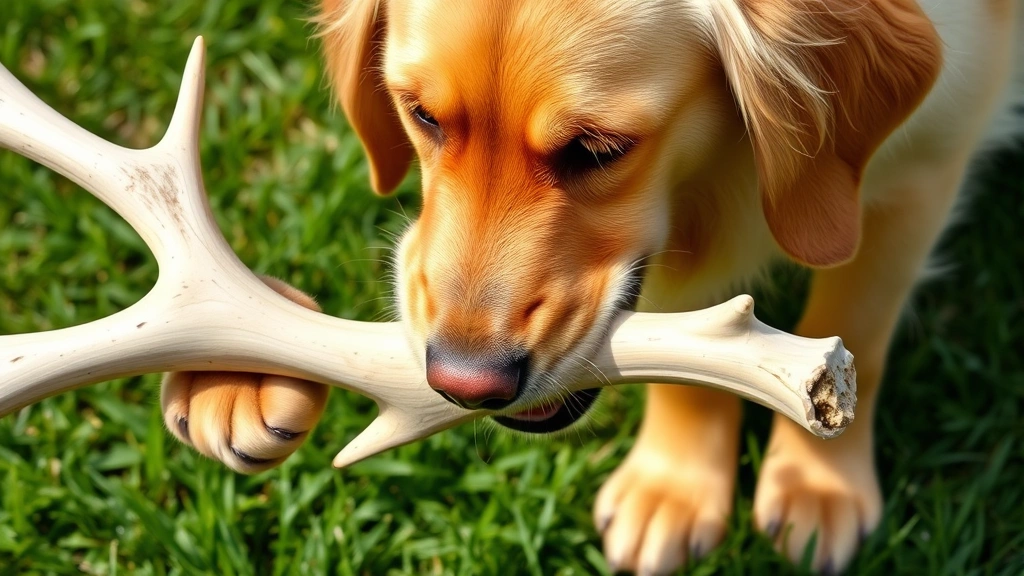
Dog antlers, also called “chew antlers” or “natural antlers,” are exactly what they sound like—real antlers that have been harvested from deer, elk, moose, or other cervids. These antlers are typically shed naturally during the animals’ annual cycle, collected, cleaned, and then packaged for sale as dog treats. Unlike synthetic alternatives, these are genuinely natural products with no artificial additives or processing chemicals.
The antlers come in various sizes and are often cut or split to expose the inner marrow, which dogs find absolutely irresistible. They’re marketed as long-lasting chews that can keep your dog occupied for hours, making them an appealing option for busy pet parents looking for enrichment activities. The appeal is understandable—what dog doesn’t love sinking their teeth into something substantial and flavorful?
What makes antlers different from other natural chews is their density and hardness. They’re significantly harder than most alternatives, which is both their selling point and their primary concern. This extreme hardness means they last longer than soft chews, but it also means they pose unique risks that we need to discuss.
The Potential Benefits of Antlers for Dogs
Before we dive into the downsides, let’s acknowledge what antlers actually do offer. There are some legitimate reasons why dog owners have embraced antlers as part of their pet’s enrichment routine:
- Long-lasting engagement: Unlike treats that disappear in seconds, antlers can occupy a dog for extended periods, providing mental stimulation and satisfying their natural chewing instincts
- Natural composition: They’re free from artificial additives, preservatives, and fillers that some pet parents prefer to avoid
- No artificial chemicals: Since they’re shed naturally and minimally processed, you’re not introducing synthetic compounds into your dog’s mouth
- Nutritional content: Antlers contain minerals like calcium and phosphorus that can contribute to bone health when consumed in moderation
- Behavioral benefits: Chewing is a natural dog behavior that helps reduce stress and anxiety, and antlers can facilitate this healthy outlet
The enrichment factor shouldn’t be underestimated. Dogs are intelligent creatures that need mental stimulation, and a challenging chew can provide hours of focused activity. For dogs prone to destructive behavior or anxiety, having an appropriate outlet for their chewing instincts is genuinely valuable.
Health Risks and Safety Concerns
Now for the part that keeps veterinarians up at night. Despite their popularity, antlers come with a significant list of potential health complications that every dog owner should understand:
Choking and blockages: As antlers wear down, they can splinter into small pieces. These fragments can lodge in your dog’s throat, esophagus, or digestive tract. Unlike softer treats, antler pieces don’t break down easily and can create serious blockages requiring emergency surgery. If you notice signs like difficulty swallowing, vomiting, or loss of appetite, knowing what to do if your dog is choking could save their life.
Intestinal perforation: In severe cases, sharp antler fragments can actually puncture the intestinal wall, leading to peritonitis—a life-threatening infection. This is one of the most serious complications and often requires immediate surgical intervention.
Mouth injuries: Antlers can cause cuts, abrasions, or lacerations inside the mouth, on the gums, or on the tongue. These injuries can become infected and cause considerable pain for your pup.
Bacterial contamination: While most antlers are cleaned before sale, they can still harbor bacteria or mold, especially if stored in humid conditions. This is why checking the source and storage conditions matters.
The risk level varies based on your dog’s size, age, chewing intensity, and overall health status. A small dog with an aggressive chewing style faces higher risks than a senior dog who gently gnaws.
Dental Damage: A Major Concern
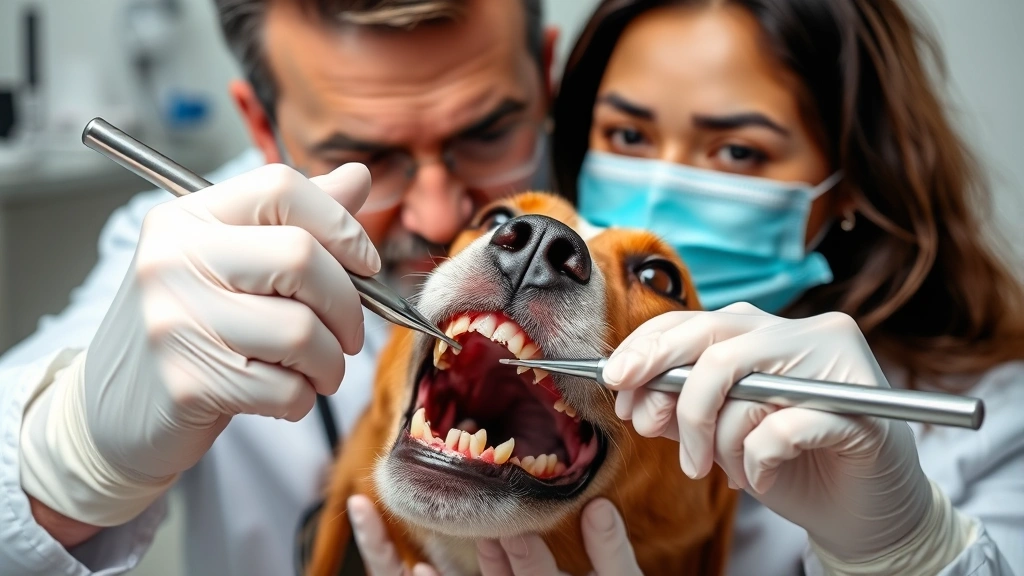
Perhaps the most common consequence of antler chewing is dental damage—and it’s something many dog owners don’t anticipate. Veterinarians have noted a significant increase in fractured teeth among dogs whose owners regularly provide antlers. This isn’t an overblown concern; it’s a documented clinical reality.
The hardness that makes antlers attractive also makes them problematic for teeth. When dogs chew intensely on something as dense as an antler, the repetitive pressure and impact can cause:
- Fractured or broken teeth (particularly the large molars)
- Worn-down tooth enamel
- Tooth root damage
- Increased sensitivity and pain
- Need for expensive dental extractions
Unlike the bones discussed in our guide about whether dogs can eat bones, antlers are significantly harder and pose a greater risk to dental integrity. A fractured tooth can lead to infections, pain, and the need for veterinary dental procedures that aren’t cheap or pleasant.
The American Animal Hospital Association has noted an uptick in dental fractures related to hard chews, and many veterinary dental specialists now actively discourage antler use in their practice recommendations.
What Veterinarians Actually Recommend
So what do the actual experts say? The veterinary community isn’t universally opposed to antlers, but they’re increasingly cautious. Here’s what major veterinary organizations recommend:
The ASPCA lists antlers among the chews that warrant careful consideration, noting the risks of fractured teeth and digestive blockages. Similarly, many board-certified veterinary dentists recommend against antlers entirely, pointing to the high incidence of dental damage they see in their practices.
A reasonable middle-ground approach that some veterinarians endorse involves:
- Supervision requirement: Never leave your dog alone with an antler, especially when first introducing it
- Size matching: Choose antlers large enough that your dog cannot fit the entire thing in their mouth
- Time limits: Restrict chewing sessions to 15-30 minutes rather than allowing all-day access
- Monitoring: Watch for signs of excessive chewing aggression or any behavioral changes
- Rotation: Use antlers sparingly, not as a daily chew
- Removal of fragments: Take away the antler immediately if it starts breaking apart or splintering
The key takeaway from veterinary experts is that antlers aren’t necessarily forbidden, but they require responsible management and aren’t suitable for all dogs. Individual risk assessment based on your dog’s specific characteristics is essential.
When considering alternatives like bully sticks, many vets suggest these softer options present fewer risks while still providing satisfying chewing experiences.
Safer Chewing Alternatives
If you’re concerned about antler safety—and honestly, many veterinarians wish more owners were—there are plenty of alternatives that can satisfy your dog’s chewing instincts without the elevated risk profile:
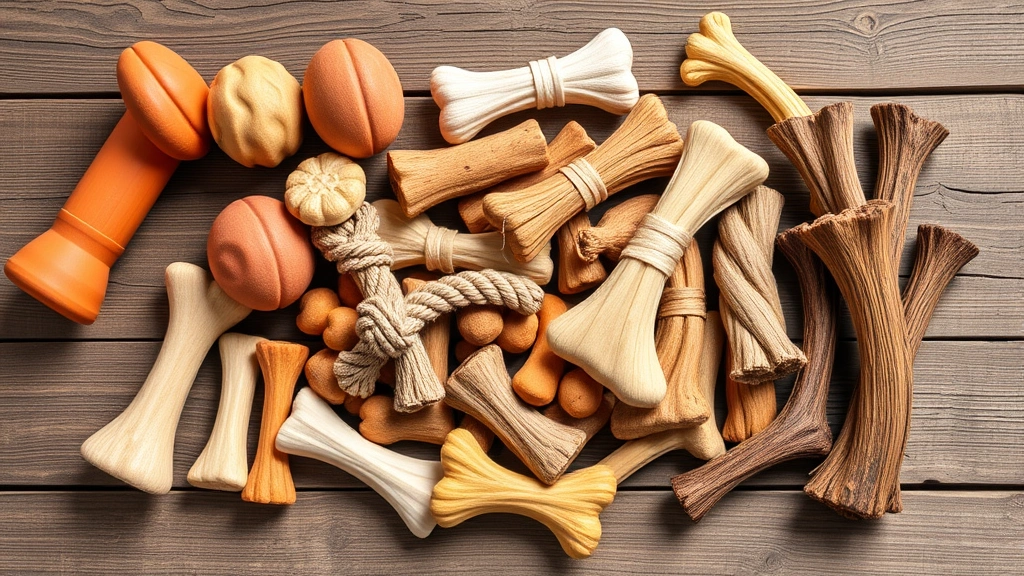
Rubber chew toys: Durable rubber toys like Kongs are specifically designed to withstand aggressive chewing while being gentle on teeth. They can be stuffed with treats or peanut butter for added engagement.
Rope toys: Natural fiber rope toys are softer than antlers and less likely to cause dental damage, though supervision is still important to prevent ingestion of fibers.
Bully sticks: These are a safer alternative that most veterinarians view more favorably than antlers. Our detailed guide on whether bully sticks are safe explains why many experts recommend them.
Rawhide alternatives: While traditional rawhide has its own concerns (which we explore in our article about rawhide safety), there are newer plant-based alternatives that offer similar benefits with fewer risks.
Yak cheese chews: These Himalayan dog chews are hard but less likely to fracture teeth than antlers, and they’re biodegradable, which reduces choking risk as they wear down.
Compressed vegetable chews: Made from sweet potato or other vegetables, these provide satisfying chewing without the hardness of antlers.
Puzzle toys: Interactive toys that make your dog work for treats provide mental stimulation that rivals the engagement antlers offer.
The beautiful thing about these alternatives is that they often provide comparable or superior enrichment benefits while presenting lower health risks. Your dog doesn’t need antlers to be happy and mentally stimulated.
How to Choose Safe Chews for Your Dog
If you decide to include any chews in your dog’s routine—whether antlers or alternatives—here’s how to make the safest choices:
Know your dog: Consider your dog’s age, size, chewing intensity, and any existing health conditions. Puppies, seniors, and dogs with dental disease need different considerations than healthy adults. Understanding why dogs like bones and other chews can help you understand their individual preferences.
Source matters: If you do choose antlers, buy from reputable suppliers who can verify the antlers have been properly cleaned and stored. Avoid antlers from unknown sources or those that smell off.
Supervise always: Never give your dog any chew without being present. This allows you to intervene if something goes wrong and to monitor for signs of problems.
Use the “thumbnail test”: If you can’t make an indent in the chew with your thumbnail, it might be too hard for safe chewing. This simple test helps identify potentially problematic items.
Introduce gradually: Whether it’s an antler or any new chew, introduce it slowly and monitor your dog’s response for 24-48 hours for any digestive upset.
Rotate options: Variety is good for enrichment and reduces the risk associated with any single type of chew. Mix and match from multiple categories.
Watch for warning signs: Monitor for broken teeth, excessive drooling, difficulty eating, vomiting, constipation, or changes in appetite. These could indicate problems related to chewing.
The Association of American Feed Control Officials doesn’t specifically regulate dog chews, so it falls to you as the pet owner to make informed decisions based on available evidence.
Frequently Asked Questions
Are antlers safe for puppies?
Antlers are generally not recommended for puppies. Young dogs still have developing teeth and tend to chew more aggressively without understanding appropriate intensity. Additionally, puppies are more prone to swallowing fragments. Wait until your dog is at least 12-18 months old before considering antlers, and even then, proceed with caution.
Can antlers cause worms or parasites?
While antlers themselves don’t cause worms, they can harbor bacteria or parasites if not properly cleaned and stored. If you’re concerned about parasitic infections from any source, our guide on how to tell if your dog has worms covers the signs to watch for and when to contact your vet.
How often can dogs have antlers?
If you choose to give antlers, limit them to occasional treats rather than daily chews. Many veterinarians suggest no more than 2-3 times per week, and always with supervision. This reduces the cumulative risk of dental damage and digestive issues.
What should I do if my dog swallows an antler fragment?
Small fragments may pass through without issue, but monitor your dog closely for the next 48-72 hours for signs of blockage like vomiting, constipation, loss of appetite, or abdominal pain. If any of these symptoms appear, contact your veterinarian immediately. Don’t wait for the problem to resolve on its own—intestinal blockages are serious.
Are shed antlers safer than cut antlers?
Shed antlers (whole antlers naturally dropped by deer) and cut antlers (split to expose marrow) have different risk profiles. Whole antlers present less immediate risk of splintering but are harder on teeth. Cut antlers expose the marrow, which dogs find more appealing but which increases the risk of aggressive chewing and dental damage. Neither is inherently safer than the other; the risks just manifest differently.
Can dogs digest antlers?
Dogs cannot fully digest antlers. While small amounts of antler material may pass through the digestive system, the hard mineral content isn’t broken down by canine digestive enzymes. This is why fragments can accumulate and create blockages. Antlers are meant to be gnawed on, not consumed.
What’s the difference between antlers and bones?
While both are hard and natural, antlers are significantly denser than most bones. Bones are more likely to splinter into smaller pieces that can pass through the digestive system, while antlers tend to break into larger, harder chunks that pose greater blockage risk. Both present dental concerns, but antlers are generally considered higher risk by veterinary dental specialists.
Are there dog breeds that shouldn’t have antlers?
Yes. Small breed dogs, senior dogs, and dogs with existing dental disease should avoid antlers entirely. Brachycephalic breeds (flat-faced dogs like Bulldogs) often have dental crowding and shouldn’t chew hard items. Dogs with a history of gastrointestinal issues or those prone to eating non-food items are also poor candidates for antler chewing.
How do I know if my dog has a fractured tooth from an antler?
Signs include excessive drooling, reluctance to eat, favoring one side of the mouth while chewing, visible crack or chip on a tooth, or behavioral changes like avoiding hard food. Some fractures aren’t immediately visible, which is why regular dental checkups are important. Your veterinarian can often detect problems you might miss during home examination.





