
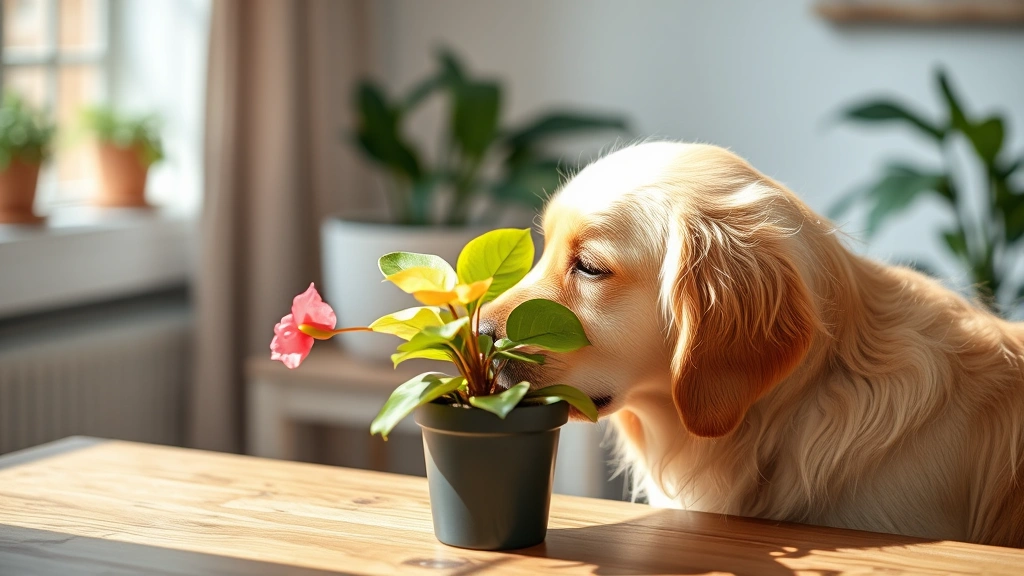
Are Begonias Toxic to Dogs? Vet’s Advice
If you’re a dog owner who loves gardening, you’ve likely wondered about the safety of your houseplants and garden flowers. Begonias are popular ornamental plants found in many homes, but pet safety should always come first. The good news is that while begonias can cause mild gastrointestinal upset in dogs, they are not severely toxic and rarely result in serious harm. However, understanding the risks and knowing what to do if your dog ingests begonias is essential for responsible pet ownership.
This comprehensive guide will help you navigate begonia safety for your canine companion, explain what happens if dogs eat begonias, and provide practical tips for keeping your dog safe around these popular plants. Whether you have begonias indoors or in your garden, this information will give you peace of mind and help you make informed decisions about your home environment.
Are Begonias Toxic to Dogs?
Yes, begonias are mildly toxic to dogs, but they rank low on the toxicity scale. According to the ASPCA Animal Poison Control Center, begonias contain soluble calcium oxalates, which are compounds that can irritate a dog’s mouth, throat, and digestive system. These crystals cause discomfort when ingested, but serious poisoning is uncommon because dogs typically don’t consume large quantities of the plant.
The toxicity level depends on several factors, including the amount ingested, your dog’s size and age, and their overall health status. A small nibble might cause minimal symptoms, while consuming a significant portion of the plant could lead to more noticeable gastrointestinal distress. Most veterinarians classify begonias as a minor concern rather than a major threat, similar to how we evaluate other common household plants.
It’s worth noting that begonias are significantly less toxic than many other popular houseplants. For context, if you’re concerned about plant safety, you might also want to learn about safe vegetables like broccoli that can actually benefit your dog’s diet.
What Parts of Begonias Are Toxic?
The entire begonia plant contains soluble calcium oxalates, but certain parts pose a greater risk than others. Understanding which parts are most problematic helps you identify potential hazards in your home and garden.
Roots and Tubers: The underground parts of begonias, particularly the tubers and rhizomes, contain the highest concentration of calcium oxalates. If your dog digs into a potted begonia or garden bed, they’re most likely to encounter these parts. This is why potted begonias should be placed on elevated surfaces away from curious noses and paws.
Leaves: The leaves are also toxic and contain significant amounts of calcium oxalates. Dogs may chew on fallen leaves or nibble at the foliage if they have access to the plant. Young, tender leaves may be more palatable to dogs and therefore more likely to be consumed.
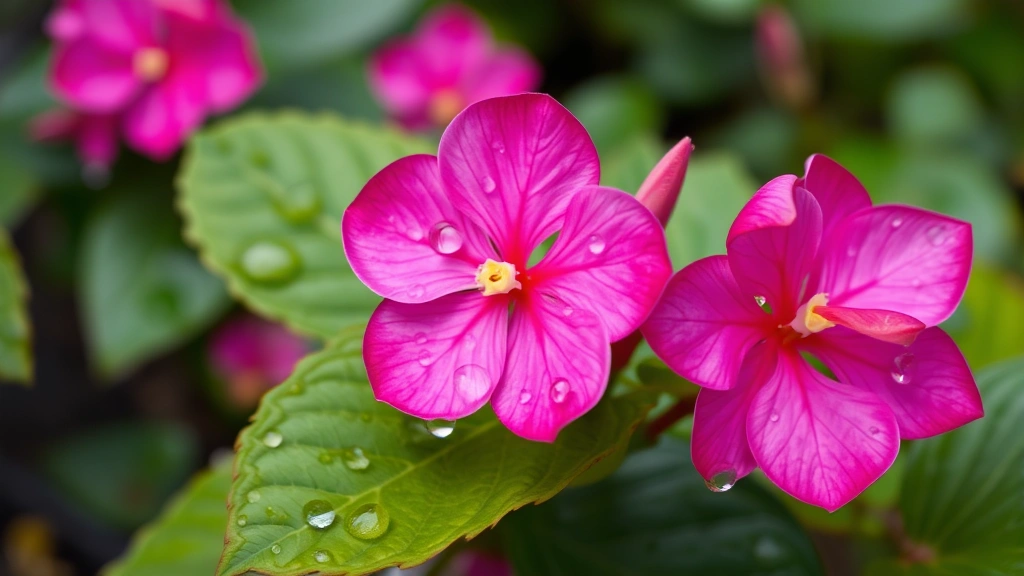
Stems and Flowers: While the stems and flowers are less concentrated in toxins than the roots, they still contain harmful compounds. The colorful flowers might attract a dog’s attention, making accidental ingestion possible.
The good news is that the taste and texture of begonias are generally unpalatable to most dogs, which naturally discourages consumption. Dogs typically avoid eating plants that taste bitter or cause immediate mouth irritation.
Symptoms of Begonia Ingestion in Dogs
If your dog has eaten begonias, watch for these signs of toxicity. Symptoms typically appear within 30 minutes to a few hours after ingestion and usually resolve within 24 hours.
Mild to Moderate Symptoms:
- Drooling or excessive salivation
- Pawing at the mouth
- Vomiting
- Diarrhea
- Loss of appetite
- Mild abdominal discomfort
- Mouth and throat irritation
Severe Symptoms (Rare):
- Difficulty swallowing
- Respiratory distress (if swelling occurs in the throat)
- Lethargy or depression
- Excessive drooling with inability to swallow
Most dogs experience only mild symptoms like drooling and mild vomiting. Severe reactions are uncommon because dogs rarely consume enough of the plant to cause significant harm. However, if your dog shows any concerning symptoms, contacting your veterinarian is always the safest course of action.
How Much Begonia Is Dangerous?
The amount of begonia required to cause serious toxicity in dogs is substantial. Since begonias rank as only mildly toxic, your dog would need to consume a considerable quantity to experience severe poisoning. Toxicity depends on several variables:
Dog Size and Weight: A large breed dog can tolerate more plant material than a small breed. A German Shepherd nibbling a few leaves will likely experience fewer effects than a Chihuahua consuming the same amount. Small dogs and puppies are at higher risk of experiencing noticeable symptoms from smaller ingestions.
Age and Health Status: Senior dogs or those with compromised digestive systems may be more sensitive to plant toxins. Puppies are naturally more curious and may be more likely to investigate and eat plants. Dogs with existing gastrointestinal issues should be kept away from begonias entirely.
Type of Begonia: There are hundreds of begonia varieties, and some may have slightly different toxin concentrations. However, all begonias contain soluble calcium oxalates and should be considered potentially harmful to dogs.
As a general rule, consuming a small amount (a few leaves or a small piece of stem) typically causes only minor symptoms or no symptoms at all. Consuming a large portion of the plant (multiple stems, leaves, or tubers) is more likely to cause noticeable gastrointestinal upset. If your dog has eaten a small amount and shows no signs of distress, observation at home is usually sufficient.
What to Do If Your Dog Eats Begonias
If you suspect your dog has eaten begonias, follow these steps to ensure their safety and well-being.
Step 1: Stay Calm Remember that begonias are mildly toxic, and most dogs recover quickly without complications. Panicking won’t help your dog, so take a deep breath and proceed methodically.
Step 2: Remove Remaining Plant Material Check your dog’s mouth for any plant debris and gently remove it if possible. Look around your home or yard to determine how much of the plant your dog likely consumed. This information will be helpful when speaking with your veterinarian.
Step 3: Monitor Your Dog Watch closely for symptoms of toxicity over the next 24 hours. Keep track of any vomiting, diarrhea, drooling, or behavioral changes. Note the time symptoms appear and their severity.
Step 4: Contact Your Veterinarian or Poison Control If your dog shows any symptoms or if you’re unsure how much they consumed, contact your veterinarian or the ASPCA Animal Poison Control Center at (888) 426-4435. They can provide specific guidance based on your dog’s size, the amount ingested, and the symptoms present. There is a consultation fee, but the expertise is invaluable.
Step 5: Provide Supportive Care Most cases require only supportive care, which includes fresh water, rest, and monitoring. Your veterinarian may recommend withholding food for a few hours if vomiting is present, then offering bland food like boiled chicken and rice. This is similar to dietary management for other digestive upsets, as discussed in guides about digestive-friendly foods like pumpkin.
When to Seek Emergency Care: Contact an emergency veterinary clinic if your dog experiences difficulty breathing, severe vomiting that doesn’t stop, inability to swallow, or extreme lethargy. These signs, while rare with begonia ingestion, warrant immediate professional attention.
Prevention Strategies
The best approach to begonia safety is prevention. By making smart choices about plant placement and training, you can keep your dog safe while maintaining your beloved plants.
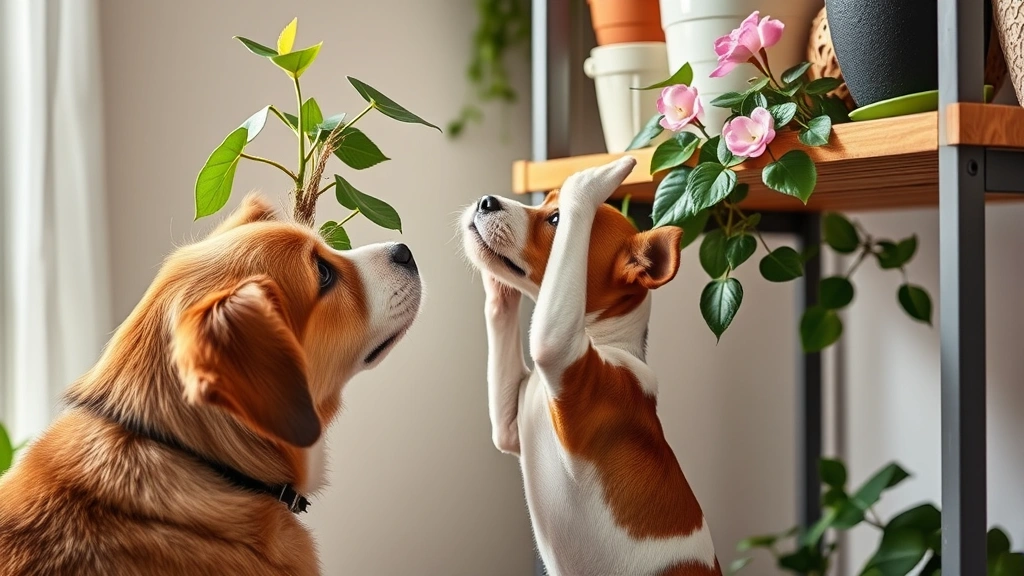
Strategic Plant Placement: Keep begonias on high shelves, windowsills, or hanging planters where your dog cannot access them. Consider using plant stands or wall-mounted shelves to elevate pots out of reach. If you have a particularly curious or athletic dog, ensure the plant is truly inaccessible—some dogs are surprisingly resourceful!
Create Designated Plant-Free Zones: Establish areas in your home where your dog spends most time, and keep begonias out of these spaces. This might be your bedroom, living room, or a specific dog bed area. Your dog will be safer, and you can relax knowing toxic plants aren’t in their immediate environment.
Use Physical Barriers: Baby gates, playpens, or closed doors can prevent access to rooms containing begonias. This is particularly useful in bedrooms or home offices where you want to keep plants but also want to ensure your dog’s safety.
Garden Safety: If you grow begonias outdoors, fence off garden areas or use raised beds to prevent your dog from digging into the soil where toxic tubers are located. Supervise outdoor time, especially with puppies and dogs prone to eating plants.
Training and Redirection: Train your dog to avoid plants using positive reinforcement. Reward your dog for ignoring plants and redirect their attention to appropriate toys and activities. Teaching a solid “leave it” command is invaluable for preventing accidental ingestion of toxic substances.
Provide Alternatives: Offer your dog safe, engaging toys and activities to satisfy their natural curiosity. Puzzle toys, chew toys, and interactive games can redirect their attention away from plants. Dogs that are mentally stimulated and physically active are less likely to engage in destructive plant-chewing behavior.
Safe Plant Alternatives
If you’re concerned about begonias in your home, consider replacing them with dog-safe plants. Many beautiful options won’t pose any toxicity risk to your furry friend.
Dog-Safe Indoor Plants:
- Spider plants (Chlorophytum comosum)
- Boston ferns (Nephrolepis exaltata)
- African violets (Saintpaulia)
- Parlor palms (Chamaedorea elegans)
- Prayer plants (Maranta leuconeura)
- Christmas cactus (Schlumbergera)
- Haworthia succulents
- Bamboo palms (Chamaedorea seifrizii)
These plants provide the same aesthetic appeal as begonias without any toxicity concerns. Many are easy to care for and thrive in various home environments. You can confidently display them throughout your home without worrying about accidental ingestion.
For dog owners interested in growing edible plants, you might also explore vegetables like carrots or sweet potatoes that are both safe and nutritious for dogs. Growing dog-safe herbs like parsley or basil in the kitchen can be a fun way to provide fresh, healthy treats while maintaining a dog-friendly environment.
Garden-Safe Plants: For outdoor spaces, consider dog-safe flowering plants like sunflowers, zinnias, marigolds, and roses (without pesticide treatment). These can create a beautiful garden while keeping your dog safe during outdoor exploration.
FAQ
Are all types of begonias toxic to dogs?
Yes, all begonia varieties contain soluble calcium oxalates and are considered toxic to dogs. This includes wax begonias, tuberous begonias, rex begonias, and angel wing begonias. While toxicity levels may vary slightly between varieties, all begonias should be considered potentially harmful and kept away from dogs.
What should I do if my dog ate begonia roots?
Begonia roots and tubers contain the highest concentration of calcium oxalates. If your dog has eaten begonia roots, monitor them closely for symptoms and contact your veterinarian or poison control immediately. Provide information about the quantity consumed and your dog’s size. Most cases resolve with supportive care, but professional guidance is important.
How long do begonia toxicity symptoms last?
Most symptoms of begonia toxicity resolve within 24 hours with supportive care. Vomiting and diarrhea typically stop once the plant material has passed through the digestive system. If symptoms persist beyond 24 hours or worsen, contact your veterinarian for further evaluation.
Can begonias cause kidney damage in dogs?
While soluble calcium oxalates can affect kidney function in severe cases, begonias are considered only mildly toxic and rarely cause lasting kidney damage in dogs. Severe kidney issues are associated with highly toxic plants containing insoluble calcium oxalates, such as lilies or certain philodendrons. However, dogs with pre-existing kidney disease should be kept away from all oxalate-containing plants.
Is it safe to keep begonias in a home with dogs?
Yes, you can safely keep begonias in a home with dogs if you take appropriate precautions. Place them on high shelves or hanging planters, use baby gates to restrict access, and train your dog to avoid plants. Many dog owners successfully maintain begonias by implementing proper safety measures.
What’s the difference between begonias and other toxic houseplants?
Begonias are mildly toxic compared to many other popular houseplants. For example, lilies, sago palms, and oleander are significantly more toxic and can cause severe illness or death even in small quantities. Begonias rank much lower on the toxicity scale, making them a relatively safer choice if proper precautions are taken.
Should I remove all begonias from my home if I have a dog?
Not necessarily. If you can securely place begonias out of your dog’s reach and supervise your dog’s environment, you can keep them. However, if your dog is particularly curious, persistent, or prone to eating plants, removing begonias might be the safest option. Prioritize your dog’s safety and your peace of mind.
Are begonia flowers more toxic than leaves?
No, begonia flowers are not more toxic than leaves, though all parts of the plant contain harmful compounds. The roots and tubers contain the highest concentration of calcium oxalates, while flowers are somewhat less concentrated. However, all parts should be considered potentially harmful.





