
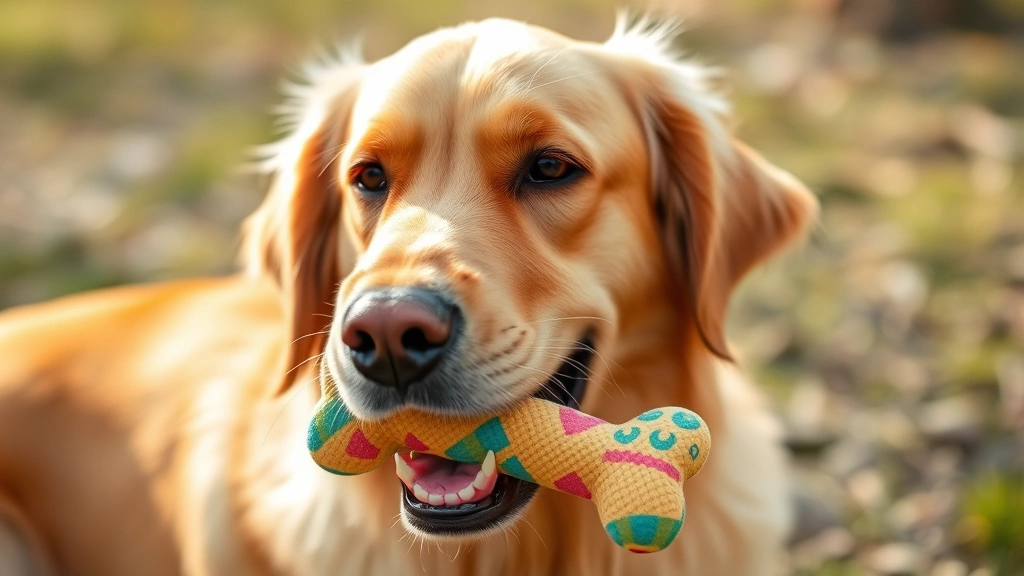
Are Benebones Safe for Dogs? What Experts Say
If you’re a dog owner, you’ve likely seen Benebones at your local pet store or scrolling through online pet product recommendations. These colorful, bone-shaped chews have become increasingly popular among pet parents looking for long-lasting entertainment and dental benefits for their furry companions. But with so many chew toys on the market, it’s natural to wonder: are Benebones actually safe for dogs?
The short answer is yes—Benebones are generally considered safe for most dogs when used appropriately. However, like any chew toy, they come with specific considerations that responsible pet owners should understand. This comprehensive guide will walk you through everything you need to know about Benebones, including how they’re made, potential risks, and how to determine if they’re right for your dog.
As a pet owner, your dog’s safety is paramount. Understanding the nuances of pet products helps you make informed decisions that keep your beloved companion happy and healthy. Let’s dive into what experts say about Benebones and explore how they compare to other popular chew options.
What Are Benebones?
Benebones are dental chew toys designed to provide dogs with extended chewing satisfaction while promoting oral health. The brand offers various styles, including the original Benebone, Benebone Dental, and Benebone Maplestick, each with distinct features and intended benefits.
These chews are manufactured from nylon composite materials infused with natural flavoring like peanut butter, bacon, or maple. The unique design includes ridges and contours specifically engineered to help clean teeth and massage gums as your dog chews. Unlike some competitor products, Benebones are designed to be long-lasting, making them ideal for dogs who are aggressive chewers.
The company behind Benebones has invested significantly in product development and safety testing. According to their manufacturing process, each Benebone is made in the United States and undergoes rigorous quality control measures. The materials used are non-toxic and designed to withstand the pressure of a dog’s bite without splintering or breaking into dangerous pieces.
Safety Analysis: What Experts Say
Veterinarians and pet safety experts generally agree that Benebones are safe for dogs when used correctly. The Association of American Feed Control Officials recognizes nylon-based chew toys as appropriate for dogs, provided they meet specific safety standards.
Dr. Jennifer Coates, a veterinary advisor for the Petful website, notes that Benebones are among the safer chew toy options available. She emphasizes that the key to safety lies in proper supervision and selecting the appropriate size for your dog. The product’s durability means it’s less likely to break apart and cause choking or intestinal blockages compared to softer chew alternatives.
According to research published by veterinary dental specialists, products like Benebones that encourage chewing can help reduce plaque and tartar buildup on a dog’s teeth. The mechanical action of chewing on textured surfaces provides genuine dental benefits beyond simple entertainment.

The ASPCA includes Benebones on their list of acceptable chew toys for dogs, though they recommend monitoring your pet during use. This professional endorsement provides additional confidence in the product’s safety profile for most dogs.
Benefits of Benebones for Dogs
Beyond safety, Benebones offer several legitimate benefits for canine health and wellbeing:
- Dental Health: The ridged surface helps scrape away plaque and tartar, promoting healthier teeth and gums. This can reduce the need for professional dental cleanings and lower your dog’s risk of periodontal disease.
- Mental Stimulation: Long-lasting chews provide extended mental engagement, which is crucial for preventing boredom-related behavioral problems. A mentally stimulated dog is typically a well-behaved dog.
- Stress Relief: The act of chewing releases endorphins in dogs’ brains, helping them relax and manage anxiety. This is particularly beneficial for dogs with separation anxiety or those in high-stress environments.
- Jaw Strength: Regular chewing on appropriate toys helps maintain strong jaw muscles and supports overall oral health throughout your dog’s life.
- Durability: Unlike softer chews that quickly disintegrate, Benebones last significantly longer, providing better value and reducing the frequency of replacement.
Potential Risks and Concerns
While Benebones are generally safe, certain situations and dog characteristics warrant caution:
Aggressive Chewers: Dogs that demolish toys quickly may pose a choking risk. If your dog is an extremely aggressive chewer, supervising Benebone use is essential. Some owners of power chewers report their dogs breaking off pieces, which could potentially cause intestinal obstruction.
Dental Issues: Dogs with compromised teeth, previous dental disease, or those prone to tooth fractures may experience discomfort when chewing on hard nylon. Consult your veterinarian before introducing Benebones if your dog has a history of dental problems.
Digestive Sensitivity: Some dogs have sensitive digestive systems and may experience gastrointestinal upset if they ingest small pieces of the chew. Monitor your dog after introducing any new chew toy.
Size Mismatch: Using an incorrectly sized Benebone can pose safety risks. A toy that’s too small could become a choking hazard, while one that’s too large might be uncomfortable or unusable for your dog.
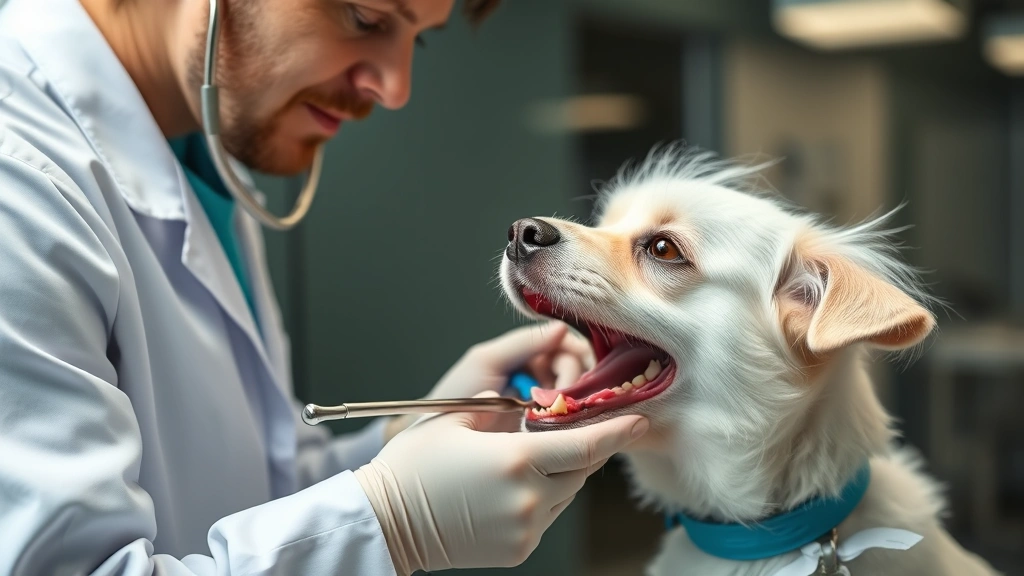
The American Veterinary Medical Association recommends that pet owners select chew toys appropriate for their dog’s size, age, and chewing intensity. Following these guidelines significantly reduces risk.
How Benebones Compare to Alternatives
Understanding how Benebones stack up against other popular chew options helps you make the best choice for your dog. When comparing Benebones to Nylabones, both are nylon-based products with similar safety profiles. However, Benebones are often praised for their superior durability and more natural flavor infusions.
If you’re considering bully sticks, note that while these natural chews offer excellent nutritional value, they’re more prone to splintering and can pose choking risks. Benebones provide a safer alternative for dogs prone to gulping their chews.
Many dog owners also wonder about antlers as chew options. Natural antlers are extremely hard and carry a higher risk of tooth fractures compared to Benebones. Benebones’ engineered composition provides a safer hardness level that promotes dental benefits without excessive risk.
For those concerned about synthetic materials, comparing Benebones to rawhide chews reveals that while rawhide is natural, it carries higher choking and blockage risks. Benebones’ durability and engineered breakdown resistance make them a safer choice for most dogs.
It’s worth noting that squeaky toys serve a different purpose than chew toys and shouldn’t be considered direct alternatives. However, combining Benebones with interactive toys provides comprehensive enrichment for your dog.
Understanding how many teeth dogs have helps you appreciate why dental health products like Benebones are valuable. Adult dogs have 42 teeth that require proper maintenance throughout their lives.
Choosing the Right Benebone for Your Dog
Selecting the appropriate Benebone for your specific dog involves several important considerations:
Size Selection: Benebones come in various sizes: Small (for dogs under 25 pounds), Medium (for dogs 25-50 pounds), and Large (for dogs over 50 pounds). Choose the size that fits appropriately in your dog’s mouth—large enough that they can’t swallow it whole, but sized to their mouth proportions.
Chewing Style: Assess your dog’s typical chewing habits. Gentle chewers can enjoy any Benebone variety, while aggressive chewers may benefit from the extra-durable Benebone Dental line. If your dog is an extreme power chewer, you may need more frequent supervision or consider alternative products.
Flavor Preferences: Benebones come in various flavors including peanut butter, bacon, chicken, and maple. Observe which flavors your dog typically prefers and select accordingly. Different dogs have different taste preferences, and choosing a flavor your dog loves increases engagement.
Age Appropriateness: Puppies with baby teeth should not use Benebones until their permanent adult teeth are fully erupted, typically around 7 months of age. Senior dogs with dental issues may need to avoid hard chews entirely.
Health Considerations: Dogs with food allergies, sensitive stomachs, or specific dietary restrictions may react differently to flavored Benebones. Always check the ingredient list and consult your veterinarian if your dog has dietary sensitivities.
Safe Usage Tips
Following these guidelines ensures your dog enjoys Benebones safely:
- Supervise Initially: When introducing any new chew toy, closely monitor your dog for the first few sessions. This helps you identify any adverse reactions or unsafe chewing behaviors.
- Limit Chewing Time: While Benebones are designed for extended use, limit sessions to 15-30 minutes, especially when introducing them. This prevents jaw fatigue and reduces risk of excessive ingestion of material.
- Remove When Worn: Once a Benebone becomes small enough to be a choking hazard (typically when it’s about 1 inch or smaller), remove it and replace with a fresh one. Don’t allow your dog to continue chewing dangerously small pieces.
- Check Regularly: Inspect your dog’s Benebone periodically for signs of damage, cracks, or pieces breaking off. Discard any damaged chews immediately.
- Maintain Proper Hygiene: Wash Benebones occasionally with warm soapy water to prevent bacterial growth. Allow them to dry completely before returning to your dog.
- Store Safely: Keep unused Benebones in a cool, dry place away from direct sunlight, which can degrade the material over time.
- Observe Your Dog: Pay attention to your dog’s teeth and gums. If you notice excessive drooling, difficulty eating, or signs of tooth damage, discontinue use and consult your veterinarian.
- Consider Individual Needs: Every dog is unique. What works perfectly for one dog might not be suitable for another. Adjust your approach based on your individual dog’s needs and behavior.
Frequently Asked Questions
Can Benebones cause blockages if swallowed?
Benebones are designed to resist breaking into large chunks that could cause blockages. However, if your dog aggressively swallows pieces without chewing them, there’s a minimal risk. Dogs with a history of intestinal blockages should avoid Benebones. If you suspect your dog has swallowed a large piece, contact your veterinarian immediately.
Are Benebones better than real bones?
Benebones offer several advantages over real bones. They don’t splinter like cooked bones, they’re less likely to cause tooth fractures than hard natural bones, and they’re engineered for safety. Real bones carry higher risks of choking, intestinal blockage, and tooth damage, making Benebones a safer alternative for most dogs.
What age can puppies start using Benebones?
Puppies should wait until their permanent adult teeth are fully erupted, typically around 7 months of age. Before this, their baby teeth are more delicate and could be damaged by hard chewing. Always consult your veterinarian before introducing any new chew toy to puppies.
Do Benebones really help with dental health?
Yes, the mechanical action of chewing on Benebones’ textured surface helps remove plaque and tartar buildup. Multiple veterinary studies confirm that appropriate chew toys contribute to better oral health. However, Benebones shouldn’t replace professional dental cleanings or daily tooth brushing.
Can dogs with sensitive stomachs use Benebones?
Most dogs tolerate Benebones well since they’re designed not to break apart easily. However, dogs with very sensitive stomachs may experience upset if they ingest small pieces. Introduce Benebones gradually and monitor your dog’s digestive response. Consult your veterinarian if your dog has a history of GI issues.
How long does a Benebone typically last?
Longevity depends on your dog’s chewing intensity. For gentle to moderate chewers, a Benebone can last several weeks or even months. Aggressive chewers might wear through one in a few days. This durability makes them cost-effective compared to softer chews that are consumed quickly.
Are there any dogs that shouldn’t use Benebones?
Dogs with severe dental disease, previous tooth fractures, or those prone to intestinal blockages should avoid Benebones. Extremely aggressive chewers who don’t properly masticate their food may also be at higher risk. Always consult your veterinarian if your dog has health concerns before introducing new chew toys.
Can Benebones be frozen for added durability?
Some pet owners freeze Benebones to increase durability and provide additional sensory stimulation. However, freezing can make them excessively hard, increasing the risk of tooth fractures. If you choose to freeze them, do so only occasionally and monitor your dog carefully during use.





