

When it comes to choosing the right chew treats for our beloved canine companions, bully sticks have emerged as one of the most popular options among dog owners. These single-ingredient treats promise to satisfy your dog’s natural chewing instincts while providing dental benefits and entertainment. However, with so many conflicting opinions and concerns circulating about pet treats, many dog parents find themselves wondering: are bully sticks actually safe and beneficial for their furry friends?
Understanding the truth about bully sticks requires examining their composition, manufacturing process, benefits, and potential risks. As responsible pet owners, we want to make informed decisions that prioritize our dogs’ health and wellbeing. This comprehensive guide will explore everything you need to know about bully sticks, from their nutritional value to safety considerations, helping you determine whether these popular chews deserve a place in your dog’s treat repertoire.
What Are Bully Sticks?
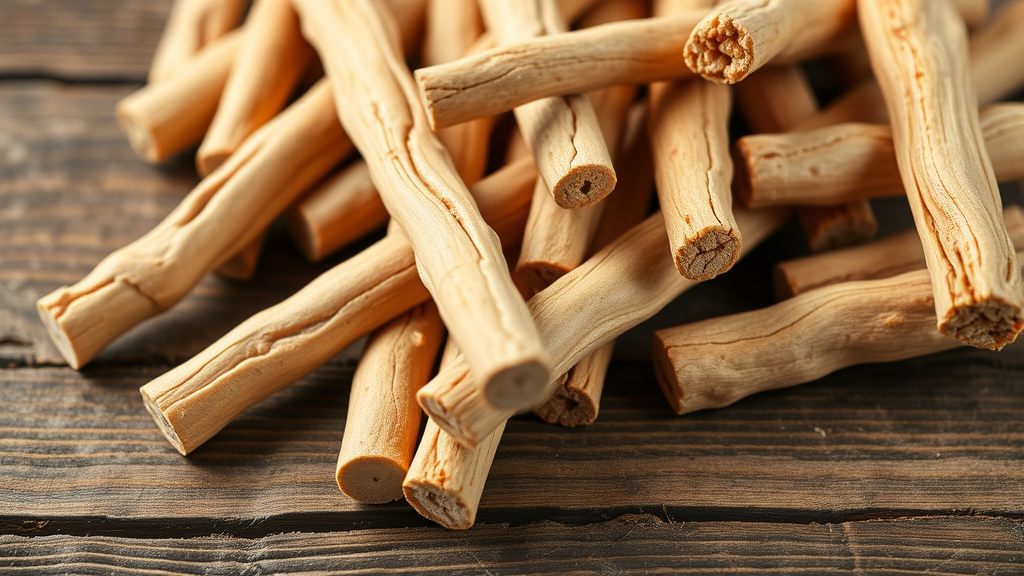
Bully sticks are single-ingredient dog treats made from the pizzle (penis) of bulls or steers. Despite their somewhat unappetizing origin, these chews are completely natural and undergo a thorough cleaning and drying process during manufacturing. The American Kennel Club recognizes bully sticks as a popular alternative to rawhide and other processed chews.
The manufacturing process typically involves cleaning the raw material, stretching it into stick form, and then slow-drying or smoking it to remove moisture and create the final product. This process preserves the natural proteins while creating a durable chew that can keep dogs occupied for extended periods. Unlike many commercial dog treats that contain multiple ingredients, preservatives, and artificial additives, bully sticks maintain their appeal through their simplicity and natural composition.
These treats come in various sizes, thicknesses, and shapes to accommodate different dog breeds and chewing preferences. From thin sticks suitable for small dogs to thick, braided versions for powerful chewers, the versatility of bully sticks makes them accessible to dogs of all sizes. The natural variation in texture and density also means that each stick provides a unique chewing experience, helping to maintain your dog’s interest over time.
Nutritional Benefits of Bully Sticks
From a nutritional standpoint, bully sticks offer several advantages that make them an appealing treat option for dogs. They are primarily composed of protein, typically containing 80-90% protein content by weight. This high protein concentration makes them an excellent supplement to your dog’s regular diet, especially for active dogs or those requiring additional protein intake for muscle maintenance and growth.
The protein in bully sticks is considered complete, containing all essential amino acids that dogs need for optimal health. According to veterinary nutrition guidelines, these amino acids play crucial roles in muscle development, immune function, and overall cellular repair. Unlike some processed treats that may contain low-quality protein sources, bully sticks provide easily digestible, high-biological-value protein.
Additionally, bully sticks are naturally low in fat and carbohydrates, making them suitable for dogs on restricted diets or those prone to weight gain. They also contain natural levels of vitamins and minerals, including iron, zinc, and B-vitamins, which contribute to overall health and vitality. However, it’s important to note that while bully sticks provide nutritional benefits, they should be considered treats and not replacements for balanced, complete dog food.
Dental Health Advantages
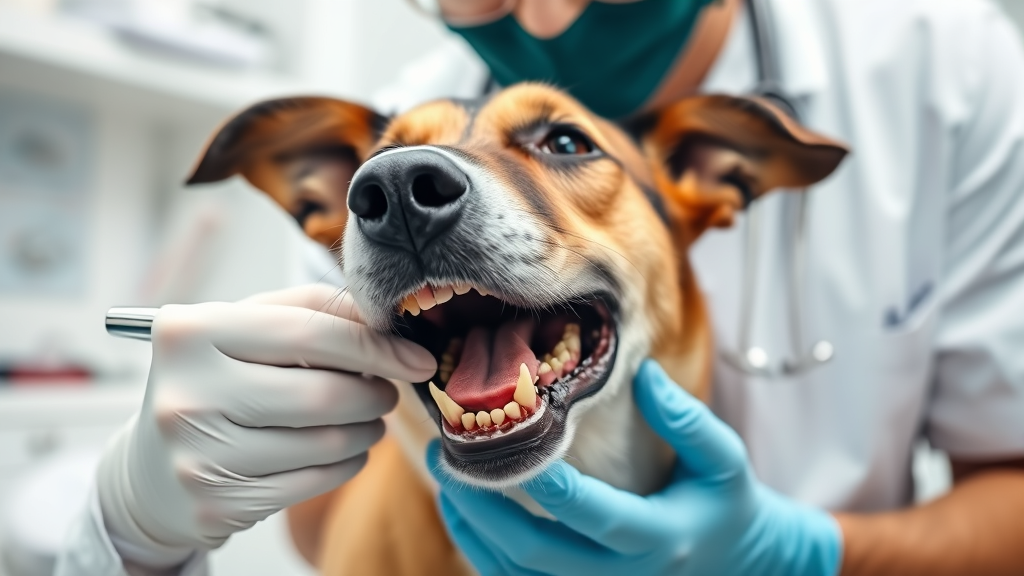
One of the most significant benefits of bully sticks lies in their contribution to dental health. The act of chewing these treats helps remove plaque and tartar buildup from your dog’s teeth through natural abrasive action. As dogs gnaw on the stick, the texture scrapes against their teeth, providing a mechanical cleaning effect similar to brushing. This is particularly important since dental disease affects over 80% of dogs by age three.
The extended chewing time required to consume a bully stick also promotes increased saliva production, which naturally helps neutralize harmful bacteria in the mouth and wash away food particles. This increased salivation creates a healthier oral environment and can help reduce bad breath, a common concern among dog owners. Regular chewing on appropriate treats like bully sticks can serve as a valuable supplement to professional dental cleanings and daily oral care routines.
Understanding how many teeth dogs have helps appreciate why proper dental care is crucial. Dogs have 42 adult teeth that require regular maintenance, and bully sticks can help keep these teeth clean and healthy when used as part of a comprehensive dental care program. However, while bully sticks support dental health, they should complement, not replace, regular veterinary dental checkups and professional cleanings when necessary.
Safety Considerations and Potential Risks
While bully sticks offer numerous benefits, responsible pet ownership requires understanding and addressing potential safety concerns. One primary consideration is the risk of choking or intestinal blockage, particularly when dogs attempt to swallow large pieces or the remaining end of the stick. The FDA recommends supervising dogs while they chew and removing small pieces that could pose choking hazards.
Caloric content represents another important safety consideration. Despite their nutritional benefits, bully sticks are calorie-dense treats that can contribute to weight gain if not properly accounted for in your dog’s daily caloric intake. A typical 6-inch bully stick contains approximately 90-120 calories, which can represent 10-15% of a small dog’s daily caloric needs. Pet owners should adjust meal portions accordingly when providing these treats to maintain healthy body weight.
Bacterial contamination, while rare in properly manufactured products, remains a potential concern. Some studies have identified the presence of harmful bacteria in certain commercially available bully sticks, emphasizing the importance of purchasing from reputable manufacturers who follow strict quality control protocols. Proper storage and handling of bully sticks can also minimize bacterial risks and ensure product safety.
How to Choose High-Quality Bully Sticks
Selecting high-quality bully sticks requires careful attention to sourcing, processing methods, and manufacturer reputation. Look for products made from grass-fed, free-range cattle, as these sources typically provide superior nutritional profiles and are less likely to contain harmful chemicals or hormones. Reputable manufacturers will clearly indicate their sourcing practices and may provide information about their suppliers’ farming methods.
The processing method significantly impacts both safety and quality. Seek products that are slow-dried or naturally smoked rather than chemically treated or artificially preserved. High-quality bully sticks should have minimal odor when properly processed, though some natural smell is normal. Avoid products with strong, unpleasant odors, unusual colors, or visible mold, as these may indicate improper processing or storage.
Certification and testing protocols provide additional assurance of quality and safety. Look for manufacturers who conduct regular bacterial testing and follow USDA safety guidelines for pet food production. Some companies also pursue third-party certifications or organic designations, which can provide additional quality assurance. Reading customer reviews and consulting with your veterinarian can also help identify reputable brands and products.
Proper Supervision and Usage Guidelines
Implementing proper supervision and usage guidelines maximizes the benefits of bully sticks while minimizing potential risks. Always supervise your dog during chewing sessions, especially when introducing bully sticks for the first time or when your dog is a particularly aggressive chewer. Remove the stick when it becomes small enough to swallow whole, typically when it’s reduced to about 2-3 inches in length, depending on your dog’s size.
Establishing appropriate frequency and portion control helps prevent overconsumption and maintains the treat’s value as a special reward. Most veterinarians recommend limiting bully stick consumption to 2-3 times per week for average-sized dogs, adjusting frequency based on your dog’s size, activity level, and overall diet. For dogs new to bully sticks, start with shorter sessions to assess digestive tolerance and chewing behavior.
Storage plays a crucial role in maintaining product quality and safety. Keep unused bully sticks in a cool, dry place, preferably in sealed containers that prevent moisture absorption and pest contamination. Some pet owners refrigerate or freeze bully sticks to extend shelf life and provide additional texture variety. When considering alternatives, you might explore whether pig ears are good for dogs or examine other chewing options for variety.
Comparing Bully Sticks to Other Chew Treats
Understanding how bully sticks compare to other popular chew treats helps pet owners make informed decisions about their dog’s treat selection. Unlike rawhide, which can be difficult to digest and may contain chemical processing agents, bully sticks are fully digestible and made from a single, natural ingredient. This digestibility advantage makes them a safer option for dogs with sensitive stomachs or those prone to digestive issues.
When compared to dental chews like Greenies, bully sticks offer a more natural approach to dental care without artificial ingredients or additives. However, commercial dental chews may provide more standardized nutritional profiles and specific dental benefits designed by veterinary nutritionists. The choice between these options often depends on individual dog preferences, dietary restrictions, and owner priorities regarding natural versus formulated products.
Bone-based treats present another comparison point, with many pet owners questioning whether dogs can eat bones safely. While natural bones can provide chewing satisfaction and dental benefits, they also carry risks of splintering, tooth damage, and choking. Bully sticks offer similar chewing satisfaction with reduced safety concerns, making them an appealing alternative for risk-conscious pet owners.
The question of whether rawhide is bad for dogs often leads owners to seek alternatives like bully sticks. Rawhide processing typically involves chemical treatments and bleaching agents that some pet owners prefer to avoid. Additionally, rawhide pieces can swell when wet and may cause choking or intestinal blockage. Bully sticks dissolve more readily in stomach acid and pose fewer digestive risks.
Interactive toys and puzzle feeders represent non-consumable alternatives that provide mental stimulation and chewing satisfaction. While these options don’t offer the nutritional benefits of bully sticks, they can provide longer-lasting entertainment and may be more cost-effective over time. Understanding why dogs like squeaky toys can help owners choose appropriate alternatives that satisfy their pet’s specific preferences and needs.
Frequently Asked Questions
Are bully sticks safe for puppies?
Bully sticks can be safe for puppies over 12 weeks old when properly supervised and appropriately sized. Choose thinner sticks designed for small dogs and monitor closely to prevent choking. Puppies have developing digestive systems, so introduce bully sticks gradually and in small amounts. Always consult with your veterinarian before introducing new treats to a puppy’s diet, especially if they have any health concerns or dietary restrictions.
How long should I let my dog chew on a bully stick?
Most dogs can safely chew on a bully stick for 10-30 minutes at a time, depending on their size and chewing intensity. Limit sessions to prevent overconsumption and remove the stick when it becomes small enough to swallow whole. For aggressive chewers, shorter sessions may be necessary to prevent digestive upset. Monitor your dog’s behavior and adjust timing based on their individual needs and tolerance.
Can bully sticks cause diarrhea or digestive upset?
Some dogs may experience mild digestive upset when first introduced to bully sticks, particularly if they consume large amounts quickly. Start with small pieces or shorter chewing sessions to assess your dog’s tolerance. Dogs with sensitive stomachs may need gradual introduction over several days. If persistent diarrhea or vomiting occurs, discontinue use and consult your veterinarian.
Are all bully sticks the same quality?
No, bully stick quality varies significantly between manufacturers. Factors affecting quality include sourcing practices, processing methods, testing protocols, and storage conditions. High-quality products typically come from grass-fed cattle, undergo minimal processing, and are regularly tested for bacterial contamination. Research manufacturers, read reviews, and look for products with clear sourcing and safety information.
How should I store bully sticks to maintain freshness?
Store bully sticks in a cool, dry place away from direct sunlight and moisture. Sealed containers or zip-lock bags help prevent contamination and maintain freshness. Some pet owners refrigerate or freeze bully sticks to extend shelf life, though this isn’t necessary for properly processed products. Check for signs of mold, unusual odors, or discoloration before giving to your dog.
Can dogs with food allergies eat bully sticks?
Dogs with beef allergies should avoid bully sticks since they’re made from bull pizzle. However, dogs with allergies to chicken, lamb, or other proteins may find bully sticks to be a suitable treat option. Always check with your veterinarian before introducing new treats to dogs with known food allergies. Consider conducting a small trial under veterinary supervision if you’re uncertain about your dog’s tolerance.
Are there any alternatives to traditional bully sticks?
Yes, several alternatives exist including fish-based chews, sweet potato chews, antlers, and dental chews. The Humane Society recommends evaluating alternatives based on your dog’s size, chewing style, and dietary needs. Some manufacturers also offer bully stick alternatives made from different protein sources like lamb or venison for dogs with beef sensitivities.





