
Are Cats Cleaner Than Dogs? A Comprehensive Comparison Guide
The great pet debate rages on: are cats truly the cleaner companions we’ve always assumed them to be, or do our beloved canine friends get an unfair reputation? If you’ve ever watched a cat meticulously groom itself for what feels like the hundredth time in a day, you might think the answer is obvious. But here’s the twist—the reality is far more nuanced than most people realize. While cats do spend significantly more time on personal grooming, this doesn’t necessarily make them objectively “cleaner” than dogs in every meaningful way.
The perception that cats are pristine little creatures while dogs are mud-loving, slobber-prone chaos agents has been deeply ingrained in our collective consciousness for generations. Yet when we examine the science behind cleanliness, hygiene habits, and what actually matters for household sanitation, the comparison becomes surprisingly complicated. This guide will break down everything you need to know about feline versus canine cleanliness, exploring grooming behaviors, hygiene practices, and what cleanliness really means in the context of pet ownership.
Grooming Habits: The Time Investment
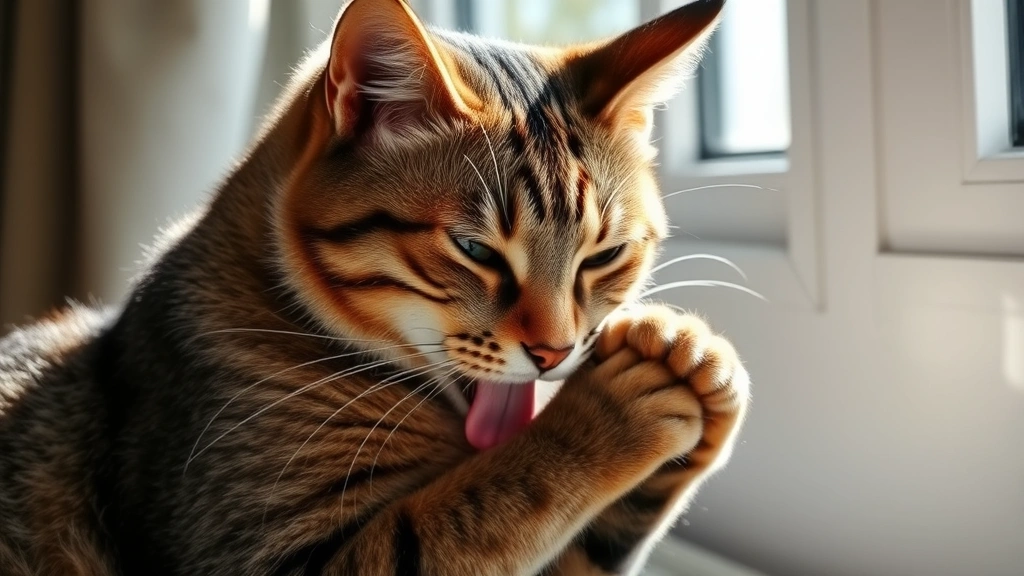
Let’s start with the most obvious difference: cats are obsessive groomers. The average cat spends between 30 to 40 percent of their waking hours engaged in self-grooming activities. That’s roughly 8 to 10 hours per day dedicated to licking, cleaning, and maintaining their coat. Dogs, by contrast, spend far less time on personal hygiene—typically just a few minutes daily, usually confined to occasional licking of their paws and face.
This dramatic difference stems from evolutionary biology. Cats are solitary hunters who rely on stealth and silence to catch prey, making scent control absolutely critical for survival. A cat covered in dirt or carrying the scent of a previous meal would be a failed hunter. Dogs, as pack animals, evolved with different priorities. Their survival depended more on social bonding and cooperation than on remaining undetectable to prey.
The grooming difference is also related to how these animals regulate body temperature and maintain skin health. Cats use saliva as a cooling mechanism during hot weather, which is why you’ll notice increased grooming during summer months. Dogs, lacking efficient sweat glands, rely more on panting. Additionally, dogs lick their paws for various reasons including comfort, anxiety relief, and minor wound care, but this behavior is far less systematic than feline grooming routines.

Bacteria and Germs: The Microscopic Picture
Here’s where things get interesting and counterintuitive: despite cats spending vastly more time grooming, research suggests that their mouths and skin may actually harbor different—not necessarily fewer—microorganisms than dogs. According to a study published in the Journal of Medical Microbiology, both cats and dogs carry similar bacterial loads, though the specific bacterial species differ.
The myth that dogs’ mouths are cleaner than humans has been thoroughly debunked by veterinary science, and the same applies to comparing dogs and cats. Both animals have mouths teeming with bacteria—some beneficial, some potentially pathogenic. The American Kennel Club emphasizes proper dental care for dogs, noting that oral hygiene is crucial regardless of species.
Cat saliva actually contains some unique antimicrobial properties thanks to enzymes like lysozyme, but this doesn’t make cats universally “cleaner.” Dogs produce similar enzymes in their saliva as well. The real difference lies in how these microorganisms are managed and transmitted. Cats’ grooming behavior does help distribute natural oils throughout their coat more effectively, which can provide some protective benefits against certain pathogens.
What matters more than the presence of bacteria is the risk of transmission. Both cats and dogs can transmit zoonotic diseases—illnesses that jump from animals to humans. However, the specific diseases differ. Cat scratches can transmit Bartonella henselae (cat scratch disease), while dog bites carry different bacterial risks. Neither animal is inherently “cleaner” in terms of disease transmission risk.
Odor Control and Natural Scent
One of the most noticeable differences between cats and dogs is odor. Cats are notoriously low-odor animals, while dogs can develop that distinctive “dog smell” that many people either love or find off-putting. This difference is largely attributable to grooming habits combined with skin chemistry.
Cats’ constant grooming removes dead skin cells, dust, and debris before these materials can accumulate and decompose, which is what creates odor. Additionally, cats have fewer sweat glands than dogs (they have sweat glands primarily on their paw pads), so they produce less of the oils and secretions that create that characteristic canine smell.
Dogs have apocrine sweat glands distributed across their entire body, which produce oils that contribute to their natural scent. This isn’t necessarily a hygiene problem—it’s simply biology. However, it does mean dogs require more frequent bathing to maintain a neutral odor. Most veterinarians recommend bathing dogs every 4 to 8 weeks, depending on breed and activity level, whereas cats rarely need baths and will often bathe themselves adequately without human intervention.
Interestingly, dogs use their natural scent for communication in ways cats don’t. When you pet your dog, you’re interacting with an animal that uses scent marking as a primary communication method. This is why dogs roll in grass, mud, and occasionally less pleasant substances—they’re not being dirty; they’re engaging in natural behavior.
Litter Box Hygiene vs. Outdoor Bathroom Breaks
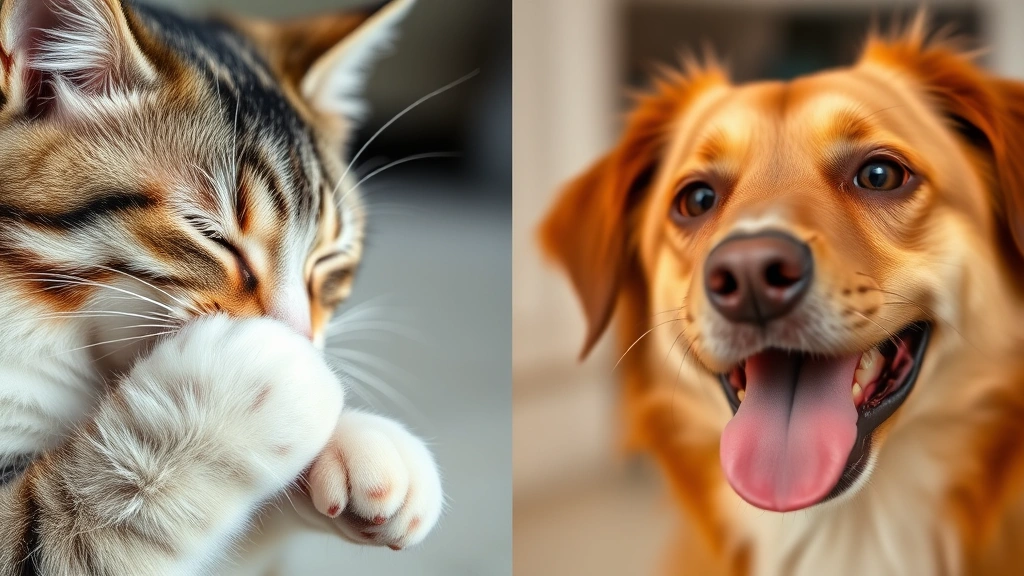
When discussing cleanliness in the context of pet ownership, we must address bathroom habits. Cats use litter boxes, which they bury their waste in, keeping everything contained and relatively odor-controlled. Dogs, particularly those without yard access, require outdoor bathroom breaks where they eliminate in public spaces.
From a household cleanliness perspective, litter boxes present unique challenges. Even the best litter box maintenance requires daily scooping and weekly complete changes. Litter can track throughout the house on paws and fur. Some cats are fastidious about their litter boxes, while others are less particular, potentially creating sanitation issues.
Dogs eliminate outdoors (ideally), which keeps waste outside the home. However, this creates community sanitation responsibilities. Dogs can occasionally have accidents indoors, and their waste is larger and potentially more problematic if not cleaned up immediately. The ASPCA recommends proper cleanup protocols for dog waste to prevent parasite transmission.
Neither system is objectively “cleaner.” They’re simply different approaches to waste management. Indoor litter box systems keep waste concentrated in one area, while outdoor elimination disperses it. Both require diligent maintenance to prevent hygiene issues.
The Saliva Question
A common concern for pet owners is whether one animal’s saliva is cleaner than the other’s. The answer: not really. Both cats and dogs have saliva containing various enzymes and antimicrobial compounds, but both also harbor bacteria.
The old saying that “a dog’s mouth is cleaner than a human’s” originated from a misunderstanding of scientific research. While dogs do have some antimicrobial compounds in their saliva, this doesn’t make their mouths clinically clean or safer than other animals’ mouths. The same applies to cats—their saliva has some beneficial properties, but it’s not inherently cleaner.
What’s important to understand is that both cats and dogs can transmit bacteria through their saliva. If you have concerns about cross-species contamination or allergies, focus on basic hygiene practices: wash your hands after petting either animal, don’t allow them to lick open wounds, and maintain regular veterinary check-ups to ensure your pet is healthy.
Impact on Household Cleanliness
Perhaps the most practical question is: which pet keeps your home cleaner? This depends on multiple factors beyond just the animal’s personal grooming habits.
Shedding: Cats and dogs both shed, but the pattern differs. Many dog breeds shed heavily year-round or seasonally, with larger dogs producing more visible hair. Cats also shed, though their hair is often finer and can be less visible on dark furniture. However, cats’ grooming means they ingest more hair, which can lead to hairball issues.
Tracking dirt: Dogs are more likely to come inside with mud, dirt, and debris on their paws and coat. Cats, being primarily indoor animals in most modern households, track less external dirt. However, litter box usage means cats track litter particles throughout the home.
Accidents: Cats, when properly litter trained, rarely have accidents. Dogs, especially puppies or those with medical issues, may have occasional indoor accidents. This is a significant factor in household cleanliness.
Furniture and fabric damage: Both animals can damage household items, though through different mechanisms. Dogs may have accidents or shed heavily on furniture. Cats may scratch furniture or knock items over. Neither is inherently messier; they’re just messy in different ways.
Keeping Your Pet Clean and Healthy
Regardless of whether you choose a cat or dog, maintaining your pet’s cleanliness requires consistent effort. Here are evidence-based recommendations:
For Dogs:
- Bathe every 4-8 weeks using a quality dog shampoo (more frequently if your dog spends significant time outdoors)
- Brush coat 2-3 times weekly to remove loose hair and prevent matting
- Clean ears regularly to prevent infections, especially for dogs with floppy ears
- Trim nails every 3-4 weeks
- Brush teeth daily or use dental treats to maintain oral health (your veterinarian can recommend specific products)
- Wipe paws after outdoor activities to minimize dirt tracking
For Cats:
- Provide regular grooming brushing, especially for long-haired breeds, to prevent matting and reduce hairballs
- Maintain a clean litter box with daily scooping and weekly complete changes
- Trim nails every 2-3 weeks
- Schedule regular dental check-ups with your veterinarian (cats are prone to dental disease)
- Monitor for signs of skin issues or parasites
- Provide scratching posts to help maintain claw health and reduce furniture damage
Both cats and dogs benefit from regular veterinary check-ups to ensure overall health and hygiene. Your veterinarian can identify potential health issues before they become serious problems affecting your pet’s cleanliness and your home’s sanitation.
The Association of American Feed Control Officials also recommends proper nutrition as part of maintaining your pet’s overall health, which includes skin and coat quality that affects how clean they appear and how much they shed.
Frequently Asked Questions
Do cats really spend 30-40% of their time grooming?
Yes, research confirms that cats dedicate approximately 30-40% of their waking hours to grooming activities. This includes full-body licking, paw cleaning, and face washing. Some cats groom even more frequently when stressed or during shedding season.
Are cats actually cleaner than dogs, or is it just perception?
It’s largely perception combined with different behavioral patterns. Cats groom more frequently and spend more time on personal hygiene, which makes them appear cleaner. However, this doesn’t mean they’re objectively cleaner in terms of bacteria load or disease transmission risk. They’re simply clean in different ways.
Can I get sick from a cat or dog licking me?
Both cats and dogs carry bacteria in their mouths that could potentially cause infection if introduced to an open wound or mucous membranes. However, casual contact like petting or being licked on intact skin is generally safe. Wash your hands after petting either animal, especially before eating or touching your face.
Which pet is better for people with allergies?
Neither cats nor dogs are universally “better” for allergies, though some people react more to one species than the other. Cat allergies are often more severe because of a specific protein in cat saliva and skin. However, individual reactions vary greatly. If you have allergies, spend time with both species before committing to pet ownership.
How often should I bathe my dog?
Most veterinarians recommend bathing dogs every 4-8 weeks, though this varies based on breed, coat type, activity level, and skin conditions. Dogs with skin issues may need more frequent baths with medicated shampoo, while dogs with water-resistant coats may need less frequent bathing.
Do cats need baths?
Most cats don’t need regular baths and will groom themselves adequately. However, some situations warrant bathing: long-haired cats with matted fur, cats that got into something toxic or extremely dirty, senior cats that can’t groom effectively, or cats with certain skin conditions. Always use cat-specific shampoo, as human or dog shampoo can irritate their skin.
Is the dog smell permanent or can it be reduced?
The natural dog smell can be reduced through regular bathing, brushing, and grooming, but some dogs naturally have a stronger scent than others due to breed genetics and skin chemistry. If your dog has an unusually strong or unpleasant odor, consult your veterinarian, as this could indicate a skin infection, ear infection, or other health issue requiring treatment.
Which pet is more hygienic for a household with young children?
Both can be hygienic with proper management. Cats require teaching children not to put hands in the litter box, while dogs require teaching children not to put hands in their mouth and to wash hands after petting. Neither is inherently more or less hygienic for households with children—proper training and supervision matter more.





