

Are Chicken Feet Good for Dogs?
As a dog owner, you’re constantly searching for nutritious and safe treats to keep your furry companion healthy and happy. Chicken feet have gained popularity in recent years as a natural dog treat, but many pet parents wonder whether they’re truly beneficial or potentially harmful. This comprehensive guide explores the nutritional value, health benefits, and potential risks of feeding chicken feet to your dog, helping you make an informed decision about whether this treat belongs in your pup’s diet.
Chicken feet have been used in traditional Chinese medicine and cooking for centuries, and they’re now emerging as a trendy pet food option. Unlike other chicken parts, chicken feet offer unique nutritional properties that can be advantageous for dogs. However, understanding the proper way to prepare and serve them is essential for ensuring your dog’s safety and maximizing the health benefits they provide.
In this article, we’ll explore everything you need to know about chicken feet for dogs, from their nutritional composition to preparation methods and safety considerations. Whether you’re considering adding them to your dog’s regular diet or using them as an occasional treat, this guide will provide you with evidence-based information to support your decision.
Table of Contents
- Nutritional Benefits of Chicken Feet for Dogs
- Health Advantages and Joint Support
- Safety Concerns and Preparation Methods
- Proper Serving Guidelines and Portion Sizes
- Comparison to Other Chicken Products
- Frequently Asked Questions
Nutritional Benefits of Chicken Feet for Dogs
Chicken feet are surprisingly nutrient-dense treats that offer several important vitamins and minerals for canine health. These bony appendages contain high levels of glucosamine and chondroitin, compounds that are naturally occurring in cartilage and connective tissue. These substances are particularly beneficial for dogs as they support joint health and mobility throughout your pet’s life.
Beyond glucosamine and chondroitin, chicken feet provide essential amino acids, collagen, and gelatin. The collagen content is especially noteworthy because it breaks down into gelatin during cooking or digestion, which can support your dog’s skin, coat, and digestive health. Chicken feet also contain minerals like calcium and phosphorus, which are crucial for maintaining strong bones and teeth in dogs of all ages.
When compared to other protein sources like can dogs eat chicken, chicken feet offer a different nutritional profile. While chicken breast and thighs provide lean protein, chicken feet excel in providing joint-supporting nutrients and collagen. Additionally, the act of gnawing on chicken feet can provide natural dental benefits by helping to clean teeth and massage gums.
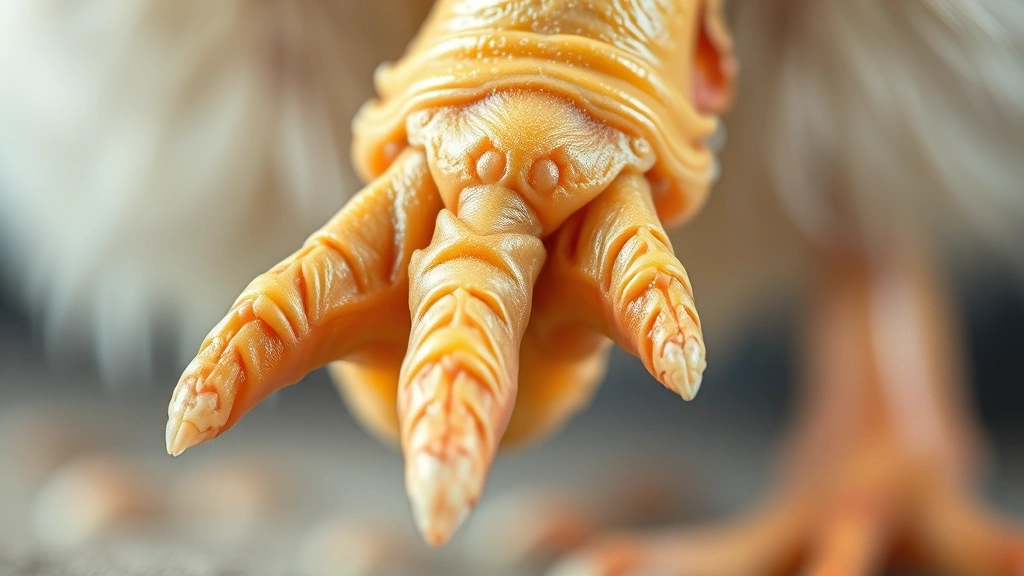
The nutritional content varies depending on whether the chicken feet are raw, freeze-dried, or cooked. Raw chicken feet contain more active enzymes and nutrients, while freeze-dried versions are more concentrated and shelf-stable. Each preparation method offers unique advantages, and the best choice depends on your dog’s individual needs and your comfort level with food safety protocols.
Health Advantages and Joint Support
One of the most significant benefits of chicken feet for dogs is their potential to support joint health and mobility. The naturally occurring glucosamine and chondroitin in chicken feet work together to maintain cartilage integrity and reduce joint inflammation. This is particularly beneficial for senior dogs, large breed dogs prone to hip dysplasia, or dogs with arthritis.
Regular consumption of chicken feet may help improve flexibility and reduce pain associated with joint deterioration. Dogs that receive adequate glucosamine and chondroitin in their diet often show improved movement and activity levels. Many veterinarians recommend these compounds, especially for aging dogs or breeds predisposed to joint problems.
The collagen found in chicken feet also supports skin health and can contribute to a shinier, healthier coat. Additionally, the gelatin produced when chicken feet are cooked or digested can support digestive health by promoting a healthy gut lining. This is particularly beneficial for dogs with sensitive stomachs or those recovering from digestive issues.
For dogs interested in other protein sources, you might also explore options like can dogs eat sardines, which offer omega-3 fatty acids and similar health benefits. However, chicken feet provide a unique combination of nutrients that make them particularly valuable for joint support.
The chewing action required to consume chicken feet also provides mental stimulation and can help satisfy your dog’s natural instinct to gnaw. This extended chewing time releases endorphins and can reduce stress and anxiety in dogs, contributing to overall behavioral and emotional well-being.
Safety Concerns and Preparation Methods
While chicken feet are generally safe for dogs, certain preparation and handling considerations are essential. The most critical safety concern is bacterial contamination, particularly from Salmonella and E. coli. Raw chicken feet carry a higher risk of bacterial contamination than cooked versions, so proper handling is crucial if you choose to feed them raw.
If you opt for raw chicken feet, source them from reputable suppliers who follow strict food safety protocols. Always handle raw chicken feet separately from human food, use dedicated cutting boards and utensils, and wash your hands thoroughly after handling. Many dog owners prefer freeze-dried chicken feet as a safer alternative that maintains nutritional value without the bacterial risks associated with raw poultry.
Cooked chicken feet are another safe option, though the cooking process may reduce some heat-sensitive nutrients. Boiling or steaming chicken feet without seasoning or additives makes them safe for dogs. Never feed your dog chicken feet seasoned with garlic, onion, salt, or other spices, as these can be harmful.
It’s also important to understand the difference between chicken feet and can dogs eat chicken bones. While chicken feet contain soft, cartilaginous material that’s generally safe, actual chicken bones can splinter and cause serious digestive problems. Chicken feet are safer than hard bones because they’re more pliable and less likely to cause blockages or perforation.
Always supervise your dog while they’re consuming chicken feet to prevent choking hazards. Remove any small pieces that break off, and ensure your dog has access to fresh water while and after eating chicken feet. If your dog has a history of choking or digestive blockages, consult your veterinarian before introducing chicken feet.

Proper Serving Guidelines and Portion Sizes
The appropriate amount of chicken feet depends on your dog’s size, age, and overall diet. As a general rule, treats should comprise no more than 10% of your dog’s daily caloric intake. For a medium-sized dog weighing 50 pounds, this typically means one to two chicken feet per day, though this varies based on individual needs.
For small dogs weighing under 20 pounds, half a chicken foot or one small foot may be appropriate. Large breed dogs can typically handle one to three chicken feet daily, depending on their overall caloric needs. Senior dogs and dogs with existing health conditions should start with smaller portions and be monitored for any digestive changes.
It’s best to introduce chicken feet gradually into your dog’s diet to allow their digestive system to adjust. Start with small pieces or one-quarter of a chicken foot and observe your dog for any signs of digestive upset. If your dog tolerates them well, you can gradually increase the portion size.
Consider alternating chicken feet with other healthy treats to provide variety in your dog’s diet. If you’re also offering other protein sources like can dogs have bacon, adjust portions accordingly to maintain balanced nutrition. Remember that chicken feet should supplement, not replace, your dog’s regular balanced diet.
Some dog owners use chicken feet as a training reward or enrichment activity. Frozen chicken feet can provide extended chewing time, making them excellent for keeping dogs occupied during hot weather. Always ensure your dog has adequate hydration when consuming freeze-dried or raw chicken feet.
Comparison to Other Chicken Products
Understanding how chicken feet compare to other chicken products helps you make informed choices about your dog’s diet. Unlike regular chicken meat, which provides lean protein but lacks the joint-supporting compounds found in feet, chicken feet offer unique nutritional advantages specifically targeting joint health and collagen production.
Chicken hearts and liver are other chicken byproducts commonly fed to dogs. While these organs provide excellent protein and essential nutrients like iron and B vitamins, they don’t offer the same glucosamine and chondroitin benefits that chicken feet provide. Each chicken product serves a different nutritional purpose in your dog’s diet.
Chicken necks are sometimes compared to chicken feet, but they have different safety profiles. Chicken necks have harder bone content and carry a higher choking risk, whereas chicken feet are primarily soft cartilage. For dogs prone to swallowing large pieces without adequate chewing, chicken feet are generally the safer option.
If your dog enjoys other protein sources like can dogs eat scrambled eggs or can dogs eat salmon skin, these can be rotated with chicken feet to provide diverse nutritional profiles. Eggs offer choline and selenium, while salmon skin provides omega-3 fatty acids. A varied diet including different protein sources ensures your dog receives comprehensive nutrition.
The key difference between chicken feet and other chicken products is the collagen and cartilage content. These components are largely absent in muscle meat and organs, making chicken feet uniquely valuable for dogs concerned about joint health and skin quality. This specialization makes chicken feet particularly beneficial for specific health goals.
Frequently Asked Questions
Are raw chicken feet safer than cooked chicken feet for dogs?
The safety of raw versus cooked chicken feet depends on handling and sourcing. Raw chicken feet carry higher risks of bacterial contamination but retain more heat-sensitive nutrients. Cooked chicken feet are generally safer from a bacterial standpoint but may lose some nutritional value. Freeze-dried chicken feet offer a middle ground, providing safety and retained nutrients. According to resources from PetMD, proper handling is essential regardless of preparation method.
Can puppies eat chicken feet?
Puppies can eat chicken feet, but only after they’ve been weaned and are eating solid food. The soft cartilage is easier for growing puppies to digest than hard bones. However, ensure portions are appropriate for your puppy’s size and supervise consumption to prevent choking. Wait until your puppy is at least 8 weeks old and has been introduced to varied foods before offering chicken feet.
How often can dogs eat chicken feet?
Most healthy adult dogs can safely eat chicken feet daily as part of a balanced diet, provided they don’t exceed the 10% treat guideline for daily calories. Some dogs may prefer them as an occasional treat several times per week. Monitor your dog’s digestive health and adjust frequency based on individual tolerance and dietary needs.
Can dogs with allergies eat chicken feet?
Dogs with chicken allergies should not eat chicken feet, as they will trigger allergic reactions. However, dogs with other food allergies or sensitivities may tolerate chicken feet well, as the cartilage and gelatin are often easier to digest than muscle meat. Consult your veterinarian before introducing chicken feet to dogs with known food sensitivities.
What are the signs that my dog shouldn’t eat chicken feet?
Signs that your dog may not tolerate chicken feet include vomiting, diarrhea, constipation, excessive gas, or abdominal discomfort. If your dog has a history of digestive blockages, choking incidents, or has difficulty chewing, chicken feet may not be appropriate. Additionally, dogs undergoing dental procedures or those with broken teeth should avoid chicken feet until fully healed.
Should I feed freeze-dried or fresh chicken feet?
Both freeze-dried and fresh chicken feet offer benefits. Freeze-dried versions are more convenient, shelf-stable, and carry lower bacterial risks, making them ideal for most dog owners. Fresh chicken feet provide more natural enzymes and may be more cost-effective. Choose based on your comfort level with food safety and your dog’s specific needs. According to the American Kennel Club, both options can be appropriate when sourced responsibly.
Are there any breeds that shouldn’t eat chicken feet?
Most dog breeds can safely eat chicken feet, but certain situations warrant caution. Dogs with a history of bloat or gastric dilatation should consume chicken feet under close supervision. Brachycephalic breeds (those with flat faces) may have difficulty consuming chicken feet safely due to their anatomy. Always consider your individual dog’s health status and consult your veterinarian if you have concerns about your specific breed or dog.
For additional nutritional guidance, resources from the Humane Society and AVMA provide comprehensive information about canine nutrition. Additionally, Wisconsin Dog Trainer offers practical insights on incorporating chicken feet into your dog’s diet.





