
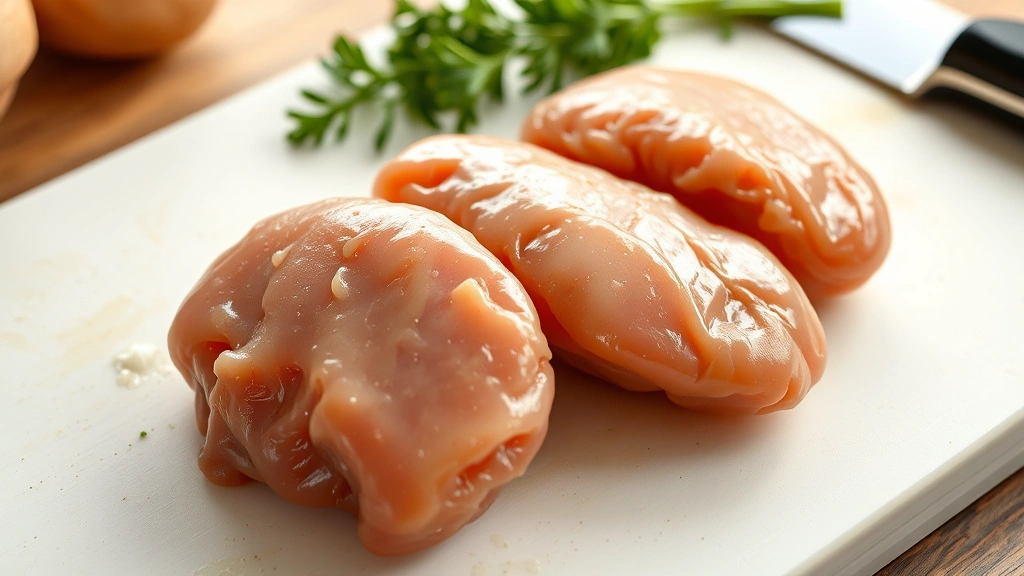
Are Chicken Livers Good for Dogs? Vet Insights
Chicken livers are a nutrient-dense organ meat that many dog owners consider adding to their pet’s diet. Unlike muscle meat, organ meats like liver contain concentrated levels of vitamins, minerals, and proteins that can support canine health when prepared and served appropriately. But are they truly beneficial, and what precautions should pet owners take?
This guide explores the nutritional profile of chicken livers, their health benefits, potential risks, and practical feeding guidelines based on veterinary recommendations. Whether you’re interested in supplementing your dog’s diet or using chicken livers as training treats, understanding the facts will help you make an informed decision for your furry companion.
Nutritional Profile of Chicken Livers
Chicken livers are remarkably nutrient-dense compared to chicken breast or thighs. A 100-gram serving of raw chicken liver contains approximately 110 calories, 16.9 grams of protein, and just 3.6 grams of fat, making them an excellent lean protein source for dogs. The real value lies in their micronutrient content.
Key vitamins in chicken livers include:
- Vitamin A: Essential for vision, immune function, and skin health. Chicken livers contain approximately 11,000 IU per 100 grams.
- B Vitamins: Including B12, folate, riboflavin, and niacin, which support energy metabolism and neurological function.
- Iron: Highly bioavailable heme iron, crucial for oxygen transport and preventing anemia.
- Selenium: A powerful antioxidant that supports thyroid function and immune health.
- Copper: Important for bone health, immune function, and iron metabolism.
- Choline: Supports brain health, liver function, and muscle development.
Compared to other organ meats, chicken livers rank among the highest in nutrient density. They contain 5-10 times more vitamin A than muscle meat and significantly higher iron content. This concentrated nutrition is why many raw and whole-food diet advocates recommend including small amounts of organ meat in canine diets.
Health Benefits for Dogs
When fed appropriately, chicken livers can provide several documented health benefits for dogs. Veterinarians and canine nutritionists recognize organ meats as valuable dietary additions, though moderation is essential.
Supporting Immune Function: The selenium and vitamin A in chicken livers bolster immune system responses. Studies on canine nutrition published by the Association of American Feed Control Officials emphasize that adequate selenium intake supports white blood cell production and antibody formation.
Promoting Healthy Skin and Coat: The B vitamins, iron, and copper work synergistically to maintain skin integrity and promote lustrous coat growth. Dogs with dull coats or skin issues sometimes show improvement when nutrient-dense foods like liver are incorporated into their diet.
Supporting Liver and Detoxification: Contrary to the misconception that liver is “toxic,” properly sourced chicken livers actually support hepatic function. The choline and B vitamins help the liver process and eliminate toxins efficiently. This is particularly beneficial for senior dogs or those recovering from illness.
Improving Energy and Vitality: The high iron content and B-complex vitamins support energy metabolism. Active dogs, working breeds, and those with anemia may benefit from the bioavailable iron in chicken livers. Always consult your veterinarian before using liver supplements for medical conditions.
Enhancing Nutrient Absorption: Some nutrients in chicken livers contain cofactors that improve absorption of other nutrients. For example, the vitamin C naturally present supports iron absorption, while copper facilitates iron metabolism.
Potential Risks and Concerns
While chicken livers offer nutritional benefits, several risks warrant careful consideration. Understanding these concerns helps you feed chicken livers responsibly.
Vitamin A Toxicity: The primary concern with chicken livers is their high vitamin A content. Vitamin A is fat-soluble, meaning excess amounts accumulate in body tissues rather than being excreted. Chronic overconsumption can lead to hypervitaminosis A, causing bone pain, lethargy, poor coat quality, and in severe cases, skeletal deformities. This risk is highest when liver comprises more than 5-10% of a dog’s daily caloric intake over extended periods.
The AAFCO establishes maximum vitamin A levels in complete canine diets at 250,000 IU per kilogram of food. A single chicken liver can contain substantial vitamin A, so portion control is critical.
Bacterial Contamination: Raw or undercooked chicken liver carries risks of bacterial contamination, including Salmonella and Campylobacter. While dogs have stronger stomach acid than humans, they can still contract foodborne illness and shed bacteria to human family members through saliva and feces. Cooking chicken livers thoroughly eliminates this risk entirely.
Choking Hazard: Whole chicken livers can present a choking hazard, particularly for enthusiastic eaters or dogs with gulping tendencies. Chopping or grinding liver reduces this risk significantly.
Pancreatitis Concerns: Some veterinarians express caution about high-fat organ meats for dogs prone to pancreatitis. While chicken livers are relatively lean, dogs with pancreatic disease should only receive them under veterinary guidance. If your dog has a history of pancreatitis or dietary sensitivities, consult your vet before introducing organ meats.
Drug and Pesticide Accumulation: Livers from conventionally raised chickens may contain residues of antibiotics or pesticides used in commercial farming. Sourcing chicken livers from pasture-raised or organic sources reduces this exposure, though it increases cost.
Digestive Upset: Introducing liver too quickly or in excessive amounts can cause loose stools or diarrhea in some dogs. The rich, concentrated nutrition requires a gradual introduction period.
How to Serve Chicken Livers Safely
Following evidence-based serving guidelines ensures your dog receives the benefits of chicken livers while minimizing risks. Veterinary nutritionists generally recommend the following approach:
Appropriate Portion Sizes: Chicken liver should comprise no more than 5-10% of your dog’s total daily caloric intake. For a 50-pound dog consuming approximately 1,000 calories daily, this translates to roughly 50-100 calories from liver, equivalent to one small chicken liver (approximately 30-50 grams) several times per week.
Frequency Recommendations: Rather than daily inclusion, serve chicken liver 2-3 times weekly as a supplement or treat. This frequency provides nutritional benefits while preventing vitamin A accumulation. Some veterinarians suggest weekly or bi-weekly servings for dogs on complete, balanced commercial diets that already contain liver or comprehensive nutrient profiles.
Age Considerations: Puppies have different nutritional requirements than adult dogs, and their organs are still developing. Most veterinary nutritionists recommend waiting until puppies are at least 6 months old before introducing organ meats. Senior dogs often benefit from the nutrient density, but those with compromised liver or kidney function should receive veterinary clearance first.
Health Status Factors: Dogs with specific health conditions require modified feeding protocols. Those with iron metabolism disorders, hemochromatosis, or certain liver diseases should avoid or strictly limit liver consumption. Dogs with kidney disease may need phosphorus monitoring, as liver is phosphorus-rich. Always discuss organ meat inclusion with your veterinarian if your dog has diagnosed health conditions.
Monitoring Your Dog: After introducing chicken livers, observe your dog for allergic reactions, digestive changes, or behavioral shifts. Most dogs tolerate chicken livers well, but individual sensitivities vary. Keep records of what you feed and any observed effects to share with your veterinarian.
Preparation Methods
How you prepare chicken livers significantly impacts safety and nutritional value. Different preparation methods suit different feeding philosophies.
Cooking Methods: Boiling chicken livers in plain water (no salt, garlic, or onions) is the safest preparation method. Boil for 5-7 minutes until fully cooked through, then chop into appropriate bite-sized pieces. This eliminates bacterial contamination and makes the liver easier to portion. Some nutrients may leach into cooking water, but the liver retains most nutritional value.
Steaming or baking at 350°F for 10-12 minutes are equally effective cooking methods that preserve slightly more nutrients than boiling. Never add seasonings, as salt, garlic, and onions are harmful to dogs. Avoid fried liver due to excess fat.
Raw Feeding Considerations: Raw chicken livers appeal to dogs following raw or whole-prey diets. The ASPCA advises that raw diets carry bacterial risks, particularly for immunocompromised dogs or households with vulnerable humans. If you choose raw feeding, source from reputable suppliers, handle with strict food safety protocols, and discuss risks with your veterinarian.
Freezing and Storage: Fresh chicken livers keep refrigerated for 1-2 days. For longer storage, freeze in individual portions using ice cube trays or small containers. Frozen liver maintains nutritional value for 3-4 months. Thaw in the refrigerator before serving, never at room temperature.
Mixing with Regular Food: Chop cooked chicken liver into small pieces and mix with your dog’s regular meal. This approach ensures even distribution and makes portion control easier. Some dogs with picky eating habits become more enthusiastic about meals when liver is added.
Healthy Alternatives
If chicken livers don’t suit your dog’s needs or preferences, several alternatives provide similar nutritional benefits. Understanding these options helps you optimize your dog’s diet.
Other Organ Meats: Beef liver, turkey liver, and lamb liver offer similar nutrient profiles to chicken liver. Beef liver contains even higher vitamin A levels, requiring smaller portions. Turkey liver provides comparable benefits with slightly different micronutrient ratios. Rotating between different organ meats provides nutritional variety.
Muscle Meats and Whole Prey: While less nutrient-dense than organs, high-quality muscle meats form the foundation of balanced canine diets. Whole prey options like quail or rabbit include organs naturally, providing balanced nutrition without requiring separate supplementation.
Plant-Based Nutrient Sources: Dogs on vegetarian or plant-forward diets can obtain some nutrients from alternatives. Sweet potatoes provide beta-carotene, which converts to vitamin A. Carrots offer bioavailable nutrients, and broccoli provides various vitamins. However, these don’t fully replicate organ meat nutrition and should complement rather than replace animal-based foods.
Commercial Supplements: Organ meat powders and supplements offer concentrated nutrition in convenient forms. Look for AAFCO-compliant products from reputable manufacturers. These provide consistent dosing but lack the whole-food benefits of actual liver.
Nutritionally Balanced Commercial Diets: High-quality commercial dog foods often include organ meats in formulations, providing balanced nutrition without requiring separate supplementation. Premium brands list specific organ sources and maintain strict quality controls. Discuss your dog’s dietary needs with your veterinarian to select appropriate commercial options.
FAQ
Can dogs eat raw chicken livers?
Dogs can eat raw chicken livers, but safety concerns exist. Raw chicken carries bacterial contamination risks including Salmonella and Campylobacter, which can affect both dogs and humans in the household. While dogs have stronger stomach acid than humans, they can still contract illness and shed bacteria through feces. If you choose raw feeding, use reputable suppliers, maintain strict food safety protocols, and discuss risks with your veterinarian. Cooking eliminates bacterial risks entirely.
How often should I feed my dog chicken livers?
Feed chicken livers 2-3 times weekly as a supplement or treat, ensuring they comprise no more than 5-10% of daily caloric intake. This frequency provides nutritional benefits while preventing vitamin A accumulation. Dogs on complete, balanced commercial diets may require less frequent liver supplementation. Adjust frequency based on your individual dog’s diet and health status, consulting your veterinarian for personalized recommendations.
Are chicken livers safe for puppies?
Most veterinarians recommend waiting until puppies are at least 6 months old before introducing organ meats like chicken livers. Developing puppies have specific nutritional requirements, and introducing complex foods too early can disrupt balanced nutrition. Once puppies reach 6 months, introduce chicken livers gradually in small amounts, monitoring for digestive changes. Always consult your veterinarian about your puppy’s specific dietary needs.
Can chicken livers cause diarrhea?
Introducing chicken livers too quickly or in excessive amounts can cause loose stools or diarrhea in some dogs. The rich, concentrated nutrition requires gradual introduction. Start with small pieces mixed into regular food, gradually increasing over 1-2 weeks. If diarrhea persists, discontinue chicken livers and consult your veterinarian. Some dogs may have individual sensitivities to liver regardless of portion size.
What’s the difference between chicken liver and beef liver for dogs?
Both chicken and beef livers offer excellent nutrition, but beef liver contains even higher vitamin A levels, requiring smaller portions to prevent hypervitaminosis A. Chicken liver is milder and more palatable to many dogs. Beef liver is denser and more nutrient-concentrated per gram. Rotating between different organ meats provides nutritional variety. Choose based on your dog’s preferences and specific nutritional needs, adjusting portions accordingly.
Can dogs with liver disease eat chicken livers?
Dogs with diagnosed liver disease should not consume chicken livers without veterinary clearance. While healthy livers support detoxification, diseased livers may struggle to process the concentrated nutrients. Dogs with hepatic disease require carefully controlled diets formulated by veterinary nutritionists. Discuss any organ meat inclusion with your veterinarian, as it may be contraindicated depending on the specific liver condition.
Should I cook chicken livers or feed them raw?
Cooking chicken livers is the safest preparation method, eliminating bacterial contamination risks. Boil for 5-7 minutes or bake at 350°F for 10-12 minutes until fully cooked through. Cooking maintains most nutritional value while ensuring food safety. Raw feeding appeals to some owners but carries risks, particularly for immunocompromised dogs or households with vulnerable individuals. If choosing raw, use reputable suppliers and maintain strict food safety protocols.
Can chicken livers cause vitamin A toxicity?
Yes, excessive chicken liver consumption can cause vitamin A toxicity (hypervitaminosis A). Vitamin A is fat-soluble and accumulates in body tissues. Chronic overconsumption causes bone pain, lethargy, poor coat quality, and potentially skeletal deformities. Prevent toxicity by limiting chicken liver to no more than 5-10% of daily caloric intake and serving 2-3 times weekly rather than daily. Monitor your dog for signs of vitamin A excess and adjust portions accordingly.
Are chicken livers good training treats?
Chicken livers make excellent high-value training treats due to their palatability and nutrient density. Freeze cooked liver pieces in small portions for convenient training sessions. The strong aroma appeals to most dogs, making them effective motivators. Use sparingly during training to maintain portion control and prevent exceeding daily caloric recommendations. Track training treat calories to ensure they don’t exceed 10% of daily intake when combined with other treats.
Can dogs with pancreatitis eat chicken livers?
Dogs with pancreatitis history should avoid chicken livers without veterinary guidance. While chicken livers are relatively lean, the concentrated fat and rich nutrition can trigger pancreatitis flare-ups in susceptible dogs. Pancreatic disease requires carefully controlled, low-fat diets. Discuss any dietary additions, including organ meats, with your veterinarian before introducing them to pancreatitis-prone dogs. Your vet may recommend alternative nutrient sources better suited to your dog’s condition.





