

Are Dogs Allergic to Chicken? Signs to Watch For
If you’ve ever wondered whether your furry best friend might be having an allergic reaction to chicken, you’re not alone. Chicken is one of the most common proteins in dog food and treats, yet it’s also one of the most frequent culprits behind canine allergies. The irony? Many pet parents don’t even realize their dog’s itching, digestive issues, or ear infections might stem from everyone’s favorite poultry protein.
The truth is, dogs can absolutely be allergic to chicken, and the symptoms can range from mildly annoying to seriously uncomfortable. Whether your pup is scratching like they’re auditioning for a flea circus or dealing with chronic ear problems, understanding chicken allergies in dogs is crucial for keeping your four-legged companion happy and healthy.
This comprehensive guide will walk you through everything you need to know about chicken allergies in dogs—from recognizing the warning signs to managing the condition effectively. By the end, you’ll be equipped with the knowledge to help your dog feel their absolute best.
What Exactly Is a Chicken Allergy in Dogs?
A chicken allergy in dogs is an immune system overreaction to proteins found in chicken meat. Unlike food intolerances, which are digestive issues, true allergies involve the immune system mistakenly identifying chicken proteins as harmful invaders. When your dog consumes chicken, their body launches an inflammatory response that can affect their skin, digestive system, and respiratory tract.
It’s important to distinguish between a true allergy and other issues. According to the American Kennel Club’s guide to canine allergies, food allergies account for only about 10% of all allergies in dogs, with environmental allergens being far more common. However, when food allergies do occur, chicken is consistently among the top offenders.
The proteins in chicken that trigger allergies are typically larger molecular compounds that your dog’s digestive system may struggle to break down completely. These undigested proteins can leak through the intestinal wall and trigger an immune response—a phenomenon sometimes called “leaky gut.” This process can take days or even weeks to manifest as visible symptoms, which is why pinpointing the exact cause can be tricky.
How Common Are Chicken Allergies?
Chicken allergies are surprisingly common in dogs, making it one of the most frequently reported food allergens alongside beef, dairy, wheat, and eggs. If you’re searching for information about whether chicken is good for dogs, the answer is nuanced—it’s excellent for many dogs but problematic for others.
Research indicates that certain breeds may be more predisposed to chicken allergies than others. Breeds with sensitive skin or a genetic predisposition to allergies—such as Labradors, Golden Retrievers, Bulldogs, and West Highland White Terriers—seem to experience chicken allergies more frequently. However, any dog of any breed or mixed heritage can develop a chicken allergy at any point in their life.
The prevalence is also influenced by how much chicken your dog consumes. Dogs eating chicken-based kibble for years might suddenly develop an allergy, or they might never develop one at all. Some veterinarians suggest that overexposure to a single protein source can increase the likelihood of developing an allergy over time.
Signs and Symptoms to Watch For
The symptoms of a chicken allergy in dogs can be incredibly varied, which is why many pet parents don’t immediately connect their dog’s problems to dietary issues. Here are the primary signs to watch for:
Skin Issues
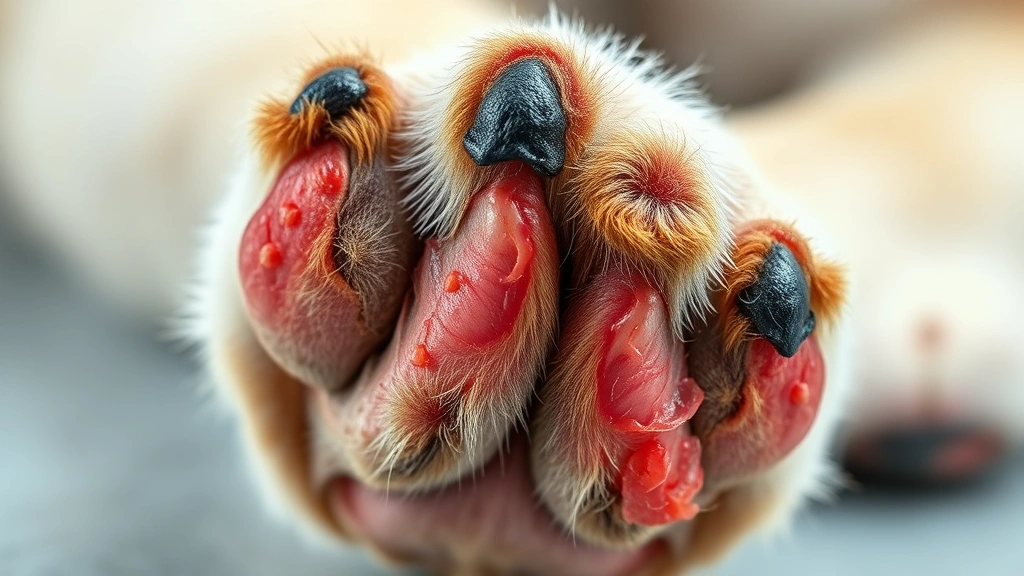
Excessive scratching, licking, and biting at the skin are among the most visible signs of a chicken allergy. You might notice your dog scratching their paws, belly, armpits, or ears obsessively. Some dogs develop red, inflamed patches of skin, and in severe cases, hair loss and secondary skin infections can occur. The itching is often worse on the face, ears, paws, and rear end.
Ear Problems
Chronic ear infections or ear inflammation is a telltale sign of food allergies in dogs. If your pup frequently shakes their head, scratches their ears, or has a foul-smelling discharge from their ears, a chicken allergy might be the culprit. Many dogs with chicken allergies develop recurrent yeast infections in their ears.
Gastrointestinal Symptoms
Digestive upset is another common manifestation. Watch for vomiting, diarrhea, constipation, or excessive gas. Some dogs may have a decreased appetite or seem less interested in meals. Chronic digestive issues that don’t improve with standard treatments could indicate a food allergy.
Paw and Face Swelling
Some dogs experience localized swelling in their paws or face after consuming chicken. This can sometimes be accompanied by excessive licking of the paws or rubbing of the face against furniture or the ground.
Respiratory Symptoms
Though less common than skin and digestive symptoms, some dogs may experience sneezing, coughing, or wheezing in response to a chicken allergy. These symptoms might be subtle and easy to overlook.

How Vets Diagnose Chicken Allergies
Diagnosing a chicken allergy requires patience and systematic investigation. Your veterinarian will likely start by ruling out other potential causes, such as parasites, bacterial infections, or environmental allergies. The gold standard for diagnosing food allergies is an elimination diet, where chicken and all chicken-based products are removed from your dog’s diet for 8-12 weeks.
According to the ASPCA’s information on canine food allergies, an elimination diet involves feeding your dog a novel protein source they’ve never eaten before—such as venison, duck, or kangaroo—along with a novel carbohydrate. If your dog’s symptoms improve significantly during this period, it suggests a food allergy to one of the proteins they were previously consuming.
After the elimination phase, your vet will reintroduce chicken to see if symptoms return. This “challenge” phase confirms whether chicken is indeed the problem. Blood tests and intradermal skin tests for food allergies exist, but they’re less reliable than elimination diets for identifying food allergies specifically.
Your vet might also check for other underlying conditions that could be causing similar symptoms. Parasites, bacterial skin infections, and environmental allergies can all mimic the signs of food allergies, so thorough diagnostic work is essential.
Managing Your Dog’s Chicken Allergy
Once you’ve confirmed your dog has a chicken allergy, management becomes straightforward: avoid chicken entirely. This means reading every label carefully, as chicken appears in surprising places—some dog treats, certain medications, and even some supplements contain chicken or chicken byproducts.
If you’re looking for solutions, what you can give your dog for allergies depends on the severity and your dog’s individual needs. Your vet might recommend antihistamines, omega-3 fatty acid supplements, or in some cases, topical steroids to manage inflammation while you transition to a new diet.
Probiotics can also be beneficial for dogs with food allergies, as they support gut health and may help reduce intestinal inflammation. The UC Davis School of Veterinary Medicine notes that a healthy gut microbiome can play an important role in managing allergic responses.
Your veterinarian might also recommend adding skin-supporting supplements like fish oil, which contains omega-3 fatty acids that naturally reduce inflammation. Some dogs benefit from medicated shampoos or topical treatments to manage secondary skin infections that develop as a result of excessive scratching.
Finding Safe Protein Alternatives
The good news is that there are plenty of protein alternatives to chicken for dogs with allergies. Novel proteins—those your dog has never consumed before—are often the best choice for dogs with established allergies. Popular options include:
- Duck: A flavorful alternative that many dogs with chicken allergies tolerate well
- Fish: Salmon and other fish provide excellent omega-3 fatty acids alongside protein
- Venison: A lean, novel protein that rarely causes allergic reactions
- Lamb: A traditional protein that works well for many dogs with poultry allergies
- Turkey: While poultry, turkey is often tolerated by dogs allergic to chicken
- Beef: Though it can be an allergen for some dogs, it’s worth discussing with your vet
- Kangaroo or Rabbit: Highly novel proteins for dogs with multiple food sensitivities
- Pork: Generally well-tolerated, though less common in commercial dog foods
When transitioning to a new protein, do so gradually over 7-10 days to allow your dog’s digestive system to adjust. Mix increasing amounts of the new food with decreasing amounts of the old food to minimize digestive upset.
If you’re considering homemade diets, consult with a veterinary nutritionist to ensure your dog receives all necessary nutrients. Homemade diets can be nutritionally incomplete if not carefully formulated, potentially causing other health issues down the line.
Prevention and Long-Term Care
While you can’t prevent a genetic predisposition to allergies, you can take steps to minimize the likelihood of developing a chicken allergy or manage one effectively once diagnosed. Here’s what you can do:
- Rotate Proteins: If your dog tolerates multiple proteins, rotating between them can help prevent sensitization to any single protein source
- Read Labels Carefully: Always check ingredient lists for hidden chicken or chicken byproducts, including chicken meal and chicken fat
- Maintain Gut Health: A healthy digestive system is better equipped to handle potential allergens. Probiotics and fiber can support gut health
- Regular Vet Checkups: Discuss your dog’s diet and any symptoms with your vet regularly
- Keep a Food Diary: Document what your dog eats and any symptoms that appear, which can help identify patterns
- Avoid Contamination: If you have multiple dogs and only one has a chicken allergy, feed them separately to prevent accidental exposure
When feeding your dog, it’s also worth understanding other potential concerns. For instance, if you’re wondering about whether dogs can eat chicken bones, the answer is generally no—cooked chicken bones can splinter and cause serious injury, so this is another reason to be cautious about chicken products in general. And if you’re interested in preparing chicken for dogs who can tolerate it, learning how to boil chicken for dogs ensures any chicken you prepare is safe and nutritious.
It’s also worth noting that sometimes what appears to be a food allergy might actually be an infection or environmental issue. For example, whether dogs can catch human colds is relevant because respiratory symptoms might stem from illness rather than allergies. Always work with your vet to rule out other possibilities.
For long-term management, establish a good relationship with your veterinarian and consider consulting with a veterinary dermatologist or nutritionist if your dog has multiple allergies or complex dietary needs. These specialists can provide additional insights and help create a comprehensive management plan tailored to your dog’s specific situation.
Frequently Asked Questions
Can dogs develop a chicken allergy later in life?
Yes, absolutely. Dogs can develop allergies at any age, even if they’ve been eating chicken without problems for years. Allergies can develop as a result of cumulative exposure, changes in the immune system, or increased intestinal permeability. It’s not uncommon for middle-aged or senior dogs to suddenly develop food allergies.
Is a chicken allergy the same as a chicken intolerance?
No, they’re different. A true allergy involves the immune system and can cause symptoms throughout the body, including skin reactions and respiratory issues. An intolerance is purely digestive and typically causes only GI symptoms like diarrhea or vomiting. Intolerances are usually less severe and may be dose-dependent.
Will my dog outgrow a chicken allergy?
Unfortunately, food allergies in dogs are typically lifelong. Unlike some environmental allergies that dogs might develop tolerance to over time, food allergies tend to persist. However, strict avoidance of the allergen allows most dogs to live comfortable, symptom-free lives.
How long does it take to see improvement after removing chicken from my dog’s diet?
Most dogs show noticeable improvement within 2-4 weeks of eliminating chicken, though some may take up to 8-12 weeks to show full resolution of symptoms, particularly skin issues. The timeline depends on the severity of the allergy and how much chicken was in the original diet.
Can I give my dog treats if they’re allergic to chicken?
Absolutely! There are many chicken-free treat options available. Look for treats made with alternative proteins like fish, duck, beef, or sweet potato. Always check labels carefully, as some treats labeled as “chicken-free” might still contain chicken byproducts or be processed in facilities that handle chicken.
What’s the best diet for a dog with a chicken allergy?
The best diet is one that avoids chicken entirely and uses a protein your dog tolerates well. This could be a commercial limited-ingredient diet, a prescription diet from your vet, or a carefully formulated homemade diet. Work with your veterinarian or a veterinary nutritionist to determine the most appropriate option for your dog’s specific needs and ensure complete nutrition.
Are chicken allergies more common in certain breeds?
While any dog can develop a chicken allergy, breeds with genetic predispositions to allergies—such as Labradors, Golden Retrievers, Bulldogs, Terriers, and Cocker Spaniels—may be more susceptible. However, mixed-breed dogs can certainly develop chicken allergies too.
Can environmental allergies cause the same symptoms as a chicken allergy?
Yes, environmental allergies (to pollen, dust, mold, etc.) can cause similar symptoms like itching and ear infections. This is why an elimination diet is so important for diagnosis—it helps distinguish between food and environmental allergies. Your vet might recommend allergy testing or refer you to a dermatologist if environmental allergies are suspected.





