

Are Dogs Allowed in Yosemite? Your Complete Pet-Friendly Guide
Planning a trip to Yosemite National Park with your furry best friend? You’re not alone! Every year, thousands of dog owners wonder if they can bring their pups to experience the majesty of Yosemite’s granite cliffs, cascading waterfalls, and pristine wilderness. The good news? Dogs are absolutely welcome in many parts of this iconic park—but there are important rules and restrictions you need to know before you pack up the car and hit the road.
Yosemite National Park has thoughtfully created policies that allow dog lovers to share the park’s beauty with their canine companions while protecting the environment and respecting other visitors. However, unlike some places where dogs are allowed in Lowe’s with minimal restrictions, Yosemite has specific guidelines that every pet owner must follow. This comprehensive guide will walk you through everything you need to know about bringing your dog to Yosemite, from trail restrictions to lodging options and essential safety tips.
Whether you’re a seasoned hiker or planning a casual park visit, understanding Yosemite’s pet policies ensures you and your dog have a safe, enjoyable experience while respecting this natural treasure for future generations.
Are Dogs Allowed in Yosemite?
Yes, dogs are allowed in Yosemite National Park, but with important caveats. The National Park Service recognizes that many visitors want to share their park experiences with their canine companions, and they’ve established a balanced approach that permits dogs in certain areas while protecting the park’s ecosystem and wildlife.
According to the official Yosemite National Park website, dogs are permitted in the following areas:
- Developed areas of the park, including campgrounds, parking areas, and picnic zones
- Paved paths and certain valley floors
- Some lodging facilities that specifically accommodate pets
- Your vehicle while driving through the park
However, dogs are strictly prohibited on most backcountry trails, wilderness areas, and natural surface paths. This restriction exists to minimize disturbance to wildlife, protect sensitive ecosystems, and ensure the safety of other hikers and park visitors. Much like how Target allows dogs only in certain circumstances, Yosemite has very specific parameters for pet access.
The key distinction is that Yosemite prioritizes wilderness preservation over convenience, which means your pup won’t be able to accompany you on many of the park’s most famous trails. This policy has been developed through years of research and is supported by conservation organizations nationwide.
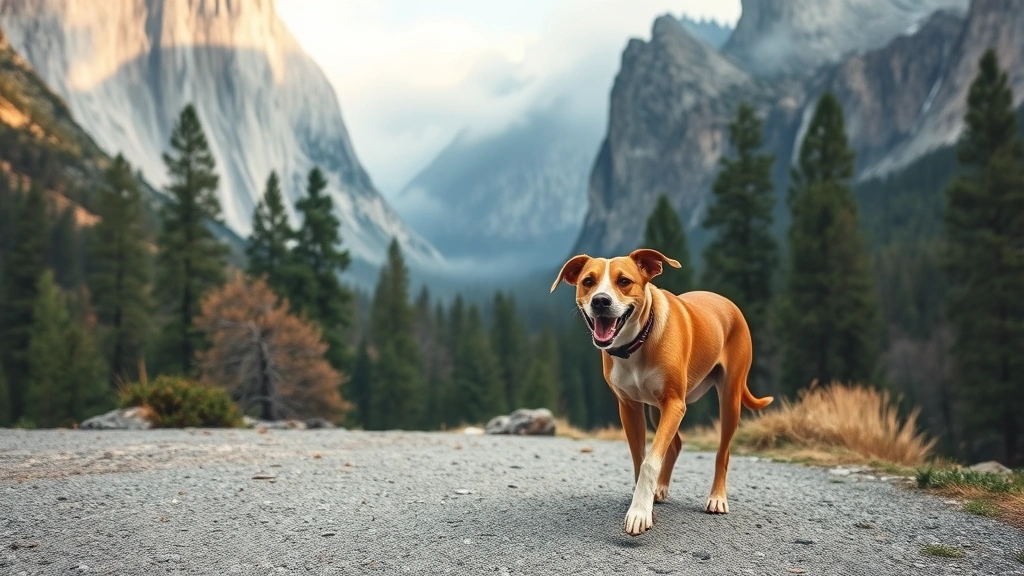
Trail Restrictions and Where Dogs Can Go
Understanding which trails permit dogs is absolutely crucial for planning your Yosemite adventure. The restrictions can be surprisingly limiting, so let’s break down exactly where your four-legged friend can and cannot venture.
Dog-Friendly Paved Paths: The most dog-accessible areas include the Valley Loop Trail (paved sections only), Mirror Lake Loop (paved portions), and Lower Yosemite Fall Trail. These paved pathways offer stunning views while keeping your dog on solid, manageable surfaces. They’re perfect for a leisurely walk without the strain of rocky terrain.
Campground and Developed Area Access: Your dog can freely roam throughout most campgrounds on a leash, including popular spots like Upper Pines, Lower Pines, and Crane Flat Campgrounds. This means you’ll have plenty of opportunities for morning and evening walks to help your pup burn off energy after a day of travel.
Prohibited Areas: Dogs are not permitted on any backcountry trails, wilderness areas, or natural surface paths. This includes iconic hikes like Half Dome, Mist Trail, Vernal Fall, and Nevada Fall. The rationale behind these restrictions is sound: dogs can get poison ivy and other vegetation-related issues, plus they can disturb wildlife and damage fragile ecosystems.
According to the ASPCA guidelines for pet travel, national parks typically restrict dogs from backcountry areas to protect both the animals and the environment. This policy makes sense when you consider that dogs can chase wildlife, bark at animals, and leave scent marks that confuse native species’ territorial behaviors.
Before your trip, consult the official Yosemite trail map or visit the park’s visitor center to get current information about which specific paths permit dogs. Trail conditions and policies can change seasonally, so it’s worth verifying before you go.
Pet-Friendly Lodging in Yosemite
If you’re planning an overnight stay, you’ll be pleased to know that Yosemite offers several pet-friendly accommodations. However, availability is limited and spots fill up quickly, especially during peak season.
Pet-Friendly Campgrounds: Most Yosemite campgrounds welcome leashed dogs. Upper Pines, Lower Pines, Crane Flat, and Wawona Campgrounds all permit pets. Campground fees typically remain the same whether you bring a dog or not, and your pup can stay in your tent or RV. Just remember to keep them on a leash at all times and pick up after them—campground courtesy is essential for all future pet owners.
Yosemite Valley Lodge: This is one of the only lodging facilities in the park that accepts dogs. Pet fees usually apply (typically $10-$20 per night), and certain rooms are designated for guests with pets. Call ahead to reserve a pet-friendly room, as availability is extremely limited.
Outside the Park: If you can’t find pet-friendly lodging within Yosemite, consider staying in nearby towns like Mariposa, El Portal, or Groveland. These communities offer numerous pet-friendly hotels and vacation rentals. While it means a longer drive each day, you’ll have more flexibility and often better availability.
Much like researching whether dogs are allowed in Lowe’s before a shopping trip, it’s wise to call ahead and confirm pet policies. Yosemite’s lodging availability changes seasonally, and pet-friendly rooms are in high demand.
Essential Safety Tips for Dogs in Yosemite
Bringing your dog to Yosemite requires extra attention to safety. The park’s environment presents unique challenges that differ from your home or local trails.
Leash Requirements: Dogs must be on a leash no longer than six feet in all developed areas and campgrounds. This isn’t just a rule—it’s essential for your dog’s safety. The park is home to wildlife including bears, mountain lions, and coyotes. An unleashed dog could encounter these animals with potentially tragic consequences.
Heat Management: Yosemite can get scorching hot, particularly in the valley during summer months. Never leave your dog in a car, even with windows cracked. If you’re planning activities that don’t allow dogs, arrange for pet care or leave your dog at your lodging with access to water and shade.
Hydration and Breaks: Bring plenty of fresh water and take frequent breaks. Just because you’re having fun doesn’t mean your dog isn’t exhausted. Panting heavily, reluctance to continue walking, or excessive drooling are signs your pup needs rest and water.
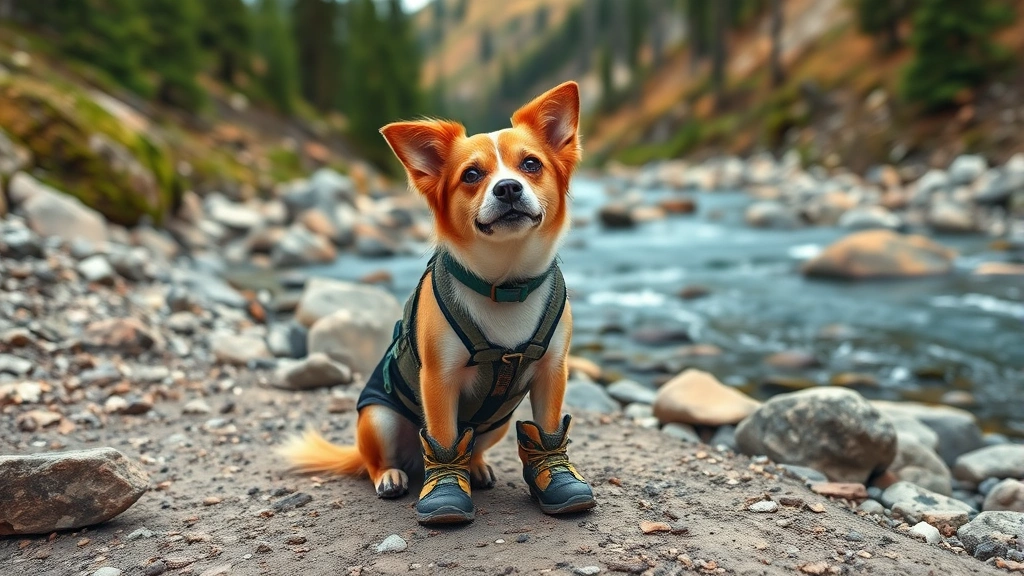
Paw Protection: The park’s rocky terrain can be harsh on paw pads. Consider dog booties for extended walks on rocky surfaces, or check your dog’s feet regularly for cuts or abrasions. Some people also use paw balm before trips to toughen up their dog’s feet.
The American Kennel Club provides detailed guidance on hiking with dogs, emphasizing that proper preparation and attention make all the difference in safety and enjoyment.
Natural Hazards and Wildlife Concerns
Yosemite’s wilderness presents specific dangers that dog owners must understand and prepare for. This isn’t like a casual walk in your neighborhood.
Wildlife Encounters: Bears are the most significant concern. Never leave food unattended, and store all snacks and dog food in bear-proof containers. If your dog barks at or chases wildlife, you risk stressing the animals and potentially putting your dog in danger. Keep your dog close and under strict control at all times.
Mountain Lions and Coyotes: While rare, these predators inhabit the park. A small dog could be vulnerable to a coyote attack. Keep your dog close during dawn and dusk when these animals are most active, and never leave your dog unattended outside your tent or vehicle.
Toxic Plants and Substances: While dogs can get poison ivy in many parks, Yosemite also has other toxic plants. Oleander, foxglove, and various mushrooms can be dangerous if ingested. Supervise your dog closely and discourage sniffing and eating vegetation.
Water Safety: While water sources seem clean, they can harbor giardia and other parasites. Don’t let your dog drink from lakes, streams, or rivers. Bring fresh water or use a portable water bowl. Additionally, swift currents and cold temperatures in mountain streams pose drowning risks.
Altitude Considerations: If you live at sea level and are traveling to Yosemite’s higher elevations (the park sits between 2,000 and 13,000 feet), your dog may experience altitude adjustment issues. Give your pup time to acclimate, and watch for signs of altitude sickness like excessive panting, lethargy, or loss of appetite.
According to UC Davis School of Veterinary Medicine, dogs can experience altitude-related stress, so gradual acclimatization is important.
How to Prepare Your Dog for the Trip
Proper preparation ensures your dog stays healthy, happy, and safe throughout your Yosemite adventure.
Veterinary Check-Up: Schedule a vet visit before your trip. Ensure your dog is current on vaccinations, particularly rabies. Discuss the trip with your vet and ask about any altitude or climate concerns specific to your dog’s age and health status.
Exercise and Conditioning: If your dog isn’t used to walking long distances, gradually increase exercise in the weeks before your trip. Yosemite’s terrain is different from typical neighborhood walks, so conditioning helps prevent injury and exhaustion.
Microchip and ID: Make sure your dog has a microchip and wears an ID tag with your phone number. In the unlikely event your dog gets lost in the park, these tools are lifesavers. Update your microchip information with current contact details.
Pack Essential Supplies: Bring more supplies than you think you’ll need. Pack:
- Extra food and treats
- Multiple water bowls and plenty of fresh water
- Medications and first aid supplies
- Waste bags and a waste container
- A comfortable bed or blanket
- Favorite toys for entertainment
- Recent photos of your dog (in case of separation)
- Vaccination records
Crate Training: If your dog isn’t already crate-trained, consider working on this before your trip. A crate provides a safe space in your vehicle and at lodging, and it’s useful if you need to leave your dog temporarily in a secure space.
Just as you’d prepare before wondering how long a dog can go without food, you should thoroughly prepare for Yosemite’s unique environment and demands.
Practice Recall and Obedience: Before arriving at the park, ensure your dog has solid obedience training. A reliable recall command could literally save your dog’s life if they spot wildlife or get too close to a cliff edge. Practice “sit,” “stay,” and “come” commands regularly.
Frequently Asked Questions
Can I bring my dog on all Yosemite trails?
No, dogs are only allowed on paved paths and certain valley floor areas. They are prohibited on backcountry trails, wilderness areas, and most natural surface paths. Always check the official Yosemite website or consult with park rangers about specific trail regulations before your visit.
What if I want to hike a dog-free trail?
Consider hiring a pet sitter or using a doggy daycare service in a nearby town. Alternatively, you could arrange for a traveling companion to stay with your dog at your lodging while you hike. Some people also book trips to Yosemite during seasons when they can leave their dogs at home with family or a trusted pet care provider.
Are there any off-leash dog areas in Yosemite?
No, dogs must be on a leash no longer than six feet at all times in developed areas. There are no designated off-leash dog parks within the park boundaries. This policy protects wildlife and other visitors.
What’s the best season to visit Yosemite with a dog?
Spring and fall offer moderate temperatures ideal for dogs. Summer can be extremely hot, increasing heat stroke risk. Winter brings snow and ice, which can be uncomfortable for many dogs. Fall (September-October) is often considered the best season for pet travel to Yosemite—fewer crowds, comfortable temperatures, and beautiful scenery.
How much does it cost to bring a dog to Yosemite?
There’s no additional park entrance fee for dogs. However, if you stay at pet-friendly lodging, expect pet fees ranging from $10-$20 per night. Campground stays typically don’t have additional pet fees. Budget for any veterinary care, pet supplies, or pet-sitting services you might need.
Can I leave my dog in the car while I explore the park?
Never leave your dog unattended in a vehicle, even for short periods. Temperatures inside a parked car can become dangerously hot within minutes, even on mild days. This is a serious safety risk and potentially illegal. Always arrange proper care or choose dog-friendly activities.
What should I do if my dog encounters a bear?
Immediately leash your dog and slowly back away from the bear while facing it. Don’t run, as this can trigger a chase response. Make yourself appear larger and speak in a calm, firm voice. Never get between a mother bear and her cubs. Report the encounter to park rangers immediately.
Are service dogs treated differently than regular pets?
Yes, service dogs that perform specific tasks for people with disabilities are permitted in more areas of the park than regular pets. However, they must still follow leash requirements in developed areas and are not permitted on trails where regular dogs are prohibited. Emotional support animals are treated as regular pets regarding park regulations.
Planning a trip to Yosemite with your dog is absolutely possible when you understand and respect the park’s pet policies. By following these guidelines, preparing properly, and prioritizing safety, you and your furry companion can create wonderful memories in one of America’s most spectacular natural settings. The key is balancing your desire to share the experience with your dog against the park’s need to protect its delicate ecosystem and wildlife. With thoughtful planning and responsible pet ownership, everyone wins—including future generations who’ll enjoy Yosemite’s pristine beauty.





