
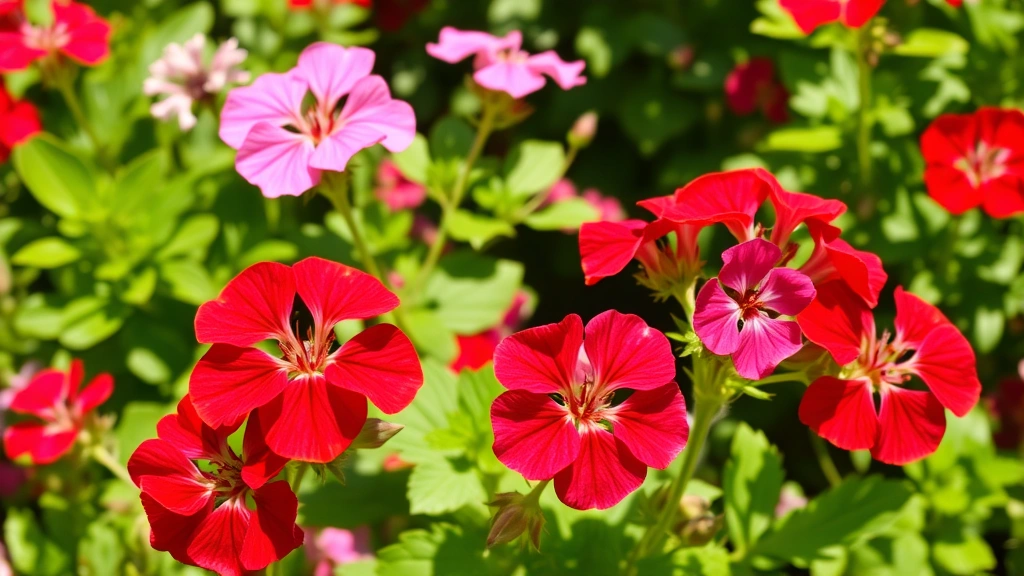
Are Geraniums Poisonous to Dogs?
As a dog owner, one of your primary responsibilities is ensuring your furry friend stays safe from household hazards. Plants are a common concern for pet parents, especially ornamental flowers that brighten our homes and gardens. Geraniums are popular decorative plants found in many households, and if you have a dog, you may have wondered whether these colorful blooms pose a risk to your canine companion. The short answer is yes—geraniums can be toxic to dogs, though the severity depends on various factors including the amount ingested and your dog’s individual sensitivity.
Understanding which plants are dangerous to your pets is crucial for maintaining a safe living environment. While geraniums are not among the most deadly plants for dogs, they do contain compounds that can cause gastrointestinal upset and other health issues. This comprehensive guide will explore everything you need to know about geraniums and dogs, including symptoms of poisoning, treatment options, and how to protect your beloved pet from accidental ingestion.
Whether you’re a plant enthusiast who loves decorating with geraniums or you’re simply trying to identify potential risks in your home, this article will provide you with expert veterinary insights and practical advice to keep your dog safe and healthy.
Table of Contents

Geranium Toxicity in Dogs: What You Need to Know
Geraniums, scientifically known as Pelargonium species, are indeed toxic to dogs according to the ASPCA Animal Poison Control Center. These popular houseplants and garden flowers contain compounds that can irritate your dog’s digestive system if ingested. The level of toxicity is generally considered mild to moderate, meaning that while geraniums are not among the most dangerous plants for dogs, they can still cause discomfort and health concerns.
The toxicity of geraniums varies depending on which part of the plant your dog consumes. The stems, leaves, and flowers all contain the problematic compounds, though concentrated levels may differ between plant parts. Additionally, different varieties of geraniums may have slightly varying toxicity levels, though all members of the Pelargonium genus should be considered unsafe for canine consumption. Pet owners should be particularly vigilant if they have curious dogs who like to chew on plants or investigate new objects with their mouths.
Understanding the Toxic Compounds in Geraniums
The primary toxic compounds found in geraniums are geraniol and linalool, which are essential oils that give the plant its distinctive fragrance. These volatile organic compounds are responsible for the geranium’s pleasant smell but can cause irritation when ingested by dogs. The plant also contains other phytochemicals that contribute to its toxicity profile, making it unsuitable for canine consumption.
When your dog ingests geranium material, these essential oils are absorbed through the digestive tract and can cause inflammation and irritation. The severity of the reaction depends on the quantity ingested relative to your dog’s body weight. Smaller dogs may experience more pronounced symptoms from consuming the same amount of plant material as a larger breed. Understanding these toxic compounds helps explain why certain symptoms develop and why prompt veterinary attention is important if your dog has consumed significant quantities of geranium plant material. Similar concerns exist with other aromatic plants—for instance, you may want to research is lavender safe for dogs if you use multiple fragrant plants in your home.
Symptoms of Geranium Poisoning in Dogs
If your dog has eaten geranium plant material, watch for the following signs of poisoning. The most common symptoms are gastrointestinal in nature and typically appear within a few hours of ingestion:
- Vomiting and retching
- Diarrhea, sometimes with mucus or blood
- Loss of appetite or refusal to eat
- Excessive drooling or hypersalivation
- Abdominal pain or discomfort (indicated by a hunched posture)
- Lethargy or unusual tiredness
- Mild dermatitis if the plant material contacts the skin
Most dogs experience mild to moderate symptoms that resolve within 24-48 hours with appropriate care. However, some individual dogs may be more sensitive to the geranium’s toxic compounds, and symptoms could be more severe. If your dog is elderly, has a compromised immune system, or suffers from pre-existing gastrointestinal conditions, they may be at higher risk for experiencing more significant reactions. Keep in mind that other plants in your home could pose additional risks—are lilies toxic to dogs is another important question to consider for your home safety assessment.
Severity and Risk Factors
The severity of geranium toxicity in dogs depends on several important factors. First, the amount of plant material ingested plays a crucial role—consuming a single leaf is unlikely to cause serious problems, while eating a significant portion of the plant or multiple stems could result in more pronounced symptoms. Your dog’s weight is another critical factor; a small Chihuahua consuming the same amount as a Golden Retriever would experience a much higher concentration of toxic compounds relative to body weight.
Age is also relevant to toxicity risk. Puppies and senior dogs often have more sensitive digestive systems and may experience worse symptoms than adult dogs in their prime. Additionally, dogs with pre-existing health conditions, particularly those affecting the gastrointestinal tract or liver function, may be at elevated risk for complications. The frequency of exposure matters too—a single incident is less concerning than repeated exposure to geranium plant material over time. is eucalyptus safe for dogs represents another similar plant concern that follows comparable toxicity patterns.
Individual variation in sensitivity also plays a role. Some dogs seem to have naturally stronger tolerance for certain plants, while others react more severely to the same amount of exposure. This is why it’s important to monitor your specific dog closely if you know they’ve ingested geranium material, rather than assuming their reaction will match what you read online about other dogs’ experiences.

Prevention Strategies for Dog Owners
The best approach to geranium toxicity is prevention. If you love geraniums and want to keep them in your home, implement these practical strategies to protect your dog:
- Place geraniums out of reach: Keep potted geraniums on high shelves, window sills your dog cannot access, or in rooms where your dog is not permitted
- Use barriers: Consider using baby gates or pet barriers to restrict your dog’s access to areas where you keep geraniums
- Choose locations wisely: If you have a garden, plant geraniums in areas of your yard that your dog doesn’t frequent
- Supervise outdoor time: When your dog is outside, supervise them to prevent them from investigating and chewing on garden plants
- Train your dog: Teach your dog commands like “leave it” and “drop it” to prevent them from consuming unknown plants
- Remove temptation: If your dog shows particular interest in your geraniums despite prevention efforts, it may be safer to remove the plants altogether
- Use deterrents: Pet-safe plant deterrent sprays can make geraniums less appealing to curious dogs
For those seeking alternative decorative plants, researching pet-safe options is worthwhile. Understanding whether is rosemary safe for dogs can help you make informed decisions about which plants to bring into your home when you have canine companions.
Treatment and Veterinary Care
If you suspect your dog has ingested geranium plant material, take these steps immediately:
Contact your veterinarian or poison control center: Call your vet right away, or contact the ASPCA Animal Poison Control Center at (888) 426-4435. Have information ready about the amount your dog likely consumed and when the ingestion occurred. The Cornell University Veterinary Poison Control is another excellent resource for immediate guidance.
Your veterinarian may recommend inducing vomiting if the ingestion was very recent (within 1-2 hours), though this isn’t always necessary depending on the amount consumed. Activated charcoal may be administered to help absorb the toxic compounds. Supportive care is the primary treatment approach and includes:
- Monitoring for symptoms and providing comfort measures
- Ensuring adequate hydration, especially if vomiting or diarrhea occurs
- Providing bland food once your dog’s appetite returns
- Rest and minimal activity to allow recovery
- Follow-up veterinary examinations if symptoms persist or worsen
Most dogs recover completely from geranium ingestion without lasting effects. However, if your dog shows signs of severe abdominal pain, persistent vomiting that prevents hydration, or symptoms lasting more than 48 hours, seek immediate veterinary attention as these may indicate a complication requiring more intensive treatment.
Safe Plant Alternatives for Dog Owners
If you want to maintain a beautiful, plant-filled home while keeping your dog safe, consider these dog-safe alternatives to geraniums:
- Spider plants: Non-toxic and nearly indestructible, spider plants are excellent choices for dog owners
- Boston ferns: Safe for dogs and add lush greenery to your indoor spaces
- Parlor palms: These elegant plants are non-toxic and create a tropical feel
- African violets: Colorful flowers that are completely safe for your canine companion
- Calathea: Beautiful foliage plants that pose no threat to dogs
- Peperomia: Compact plants with attractive leaves that are dog-safe
- Prayer plants: Interesting folding leaves and dog-safe profile
Before bringing any new plant into your home, verify its safety for dogs. Just as you might wonder can dogs get poison ivy, it’s wise to check the safety of plants before introducing them to your household. The Humane Society’s guide to poisonous plants provides comprehensive information about which plants are safe and which should be avoided.
Additionally, consider the benefits of creating a dedicated “dog garden” with pet-safe plants that your dog can safely explore and even nibble on if desired. This approach provides enrichment for your dog while protecting them from toxic plants.
Frequently Asked Questions
Are all types of geraniums toxic to dogs?
Yes, all varieties of true geraniums (Pelargonium species) are considered toxic to dogs. This includes common types like zonal geraniums, ivy geraniums, and scented geraniums. However, hardy geraniums (Geranium species, different from Pelargonium) are generally considered non-toxic. Always verify the specific plant variety before assuming safety, as common names can be confusing. If you’re unsure about a plant’s identification, consult your veterinarian or a professional botanist.
How much geranium does a dog need to eat to get sick?
There isn’t a precise threshold, as toxicity depends on your dog’s size, age, and individual sensitivity. Generally, consuming just a few leaves or stems may cause mild symptoms in some dogs, particularly small breeds, while larger dogs might tolerate slightly more plant material before showing signs of illness. However, any ingestion should be monitored, and significant consumption should prompt veterinary contact. It’s better to err on the side of caution and contact your vet if your dog eats any substantial amount of geranium plant material.
Can geranium toxicity be fatal to dogs?
Geranium toxicity is rarely fatal to dogs. While the plant is toxic, the severity is generally mild to moderate, meaning most dogs recover completely with appropriate care. However, very young puppies, elderly dogs, or those with serious underlying health conditions might face more severe complications. Additionally, if a dog ingests a massive quantity of geranium material, or if multiple toxic plants are involved, the risk increases. This is why immediate veterinary consultation is important for any significant ingestion.
What should I do if my dog shows no symptoms after eating geranium?
If your dog consumed a small amount of geranium and shows no symptoms after several hours, they may simply have ingested a quantity too small to cause noticeable illness. However, continue monitoring for the next 24-48 hours, as symptoms can sometimes appear with a delay. Keep your dog comfortable, ensure they have access to fresh water, and note any changes in appetite or bathroom habits. If symptoms do develop, contact your veterinarian. If you’re concerned about your dog’s safety with other plants, can dogs eat ginger is another plant question worth researching for comprehensive home safety.
Are geranium essential oils or extracts safer than the plant itself?
No, geranium essential oils and concentrated extracts are actually more dangerous than the plant itself because they contain much higher concentrations of the toxic compounds. Never apply geranium essential oils to your dog or use them in diffusers in areas where your dog spends time. The concentrated form can cause more severe toxicity symptoms and should be kept securely away from your pet. Always use pet-safe essential oils and aromatherapy products if you want to use them in your home with dogs present.
Can my dog develop immunity to geranium toxin with repeated small exposures?
No, dogs cannot develop immunity to geranium toxins through repeated exposure. In fact, chronic exposure to toxic compounds can potentially cause cumulative damage over time. Repeated ingestion, even of small amounts, is not advisable and could lead to chronic gastrointestinal issues or other health problems. The best approach is complete prevention rather than allowing your dog to be exposed to geraniums repeatedly, even in small quantities.
How do I know if my dog’s symptoms are from geranium versus something else?
Geranium toxicity typically causes gastrointestinal symptoms like vomiting and diarrhea that appear relatively quickly after ingestion. However, many other conditions and plants can cause similar symptoms. This is why contacting your veterinarian is so important—they can perform a physical examination, take a history of what your dog may have consumed, and possibly run diagnostic tests to determine the cause. If you know your dog accessed geraniums, always mention this to your vet, as it helps them narrow down the diagnosis. For comparison, why can’t dogs have chocolate causes different symptoms than geranium toxicity, demonstrating how different toxins affect dogs in unique ways.





