

Are Ham Bones Safe for Dogs? Vet Insights on Risks and Alternatives
Ham bones are a tempting treat for dog owners, especially after holiday meals or family dinners. Your dog’s eager eyes and wagging tail make it seem harmless to toss them a bone, but veterinarians consistently warn against this practice. While the idea of a dog gnawing on a bone appears natural, ham bones specifically present multiple serious health risks that every pet owner should understand.
The short answer is no, ham bones are not safe for dogs. Unlike raw meaty bones that some raw-feeding advocates promote, cooked ham bones—which is what most dogs encounter—become brittle and splintery. They can cause choking, intestinal blockages, and perforations that may require emergency surgery. Beyond the physical dangers, ham bones are also loaded with salt and fat, contributing to pancreatitis, obesity, and other chronic health issues.
This comprehensive guide breaks down exactly why ham bones are dangerous, what symptoms to watch for, and what safer alternatives your dog will love just as much.
Why Ham Bones Are Dangerous for Dogs
The danger of ham bones stems from multiple factors working together. When ham is cooked, the bone structure fundamentally changes at a cellular level. The collagen denatures, calcium becomes brittle, and the bone loses its natural flexibility. This makes cooked ham bones prone to splintering into sharp, dangerous fragments that can cause serious internal injuries.
Beyond the structural issues, ham bones carry an exceptionally high salt content—often 10-15 times what a dog’s body needs in a single day. Dogs require approximately 100-600 mg of sodium daily depending on their size, while a single ham bone can contain 1,000-3,000 mg. This excessive sodium intake leads to increased thirst, urination, and can contribute to hypertension and kidney problems over time.
The fat content in ham bones is equally concerning. Ham is typically 20-30% fat by weight, and a bone that’s been simmered or roasted concentrates these lipids. High-fat foods are the primary trigger for acute pancreatitis in dogs, a painful and potentially life-threatening inflammation of the pancreas.
Additionally, ham bones may carry harmful bacteria like Salmonella or E. coli that survive the cooking process. While dogs have stronger stomach acid than humans, they’re not immune to foodborne illness, particularly if they have compromised immune systems or existing digestive issues.
Physical Hazards and Choking Risks
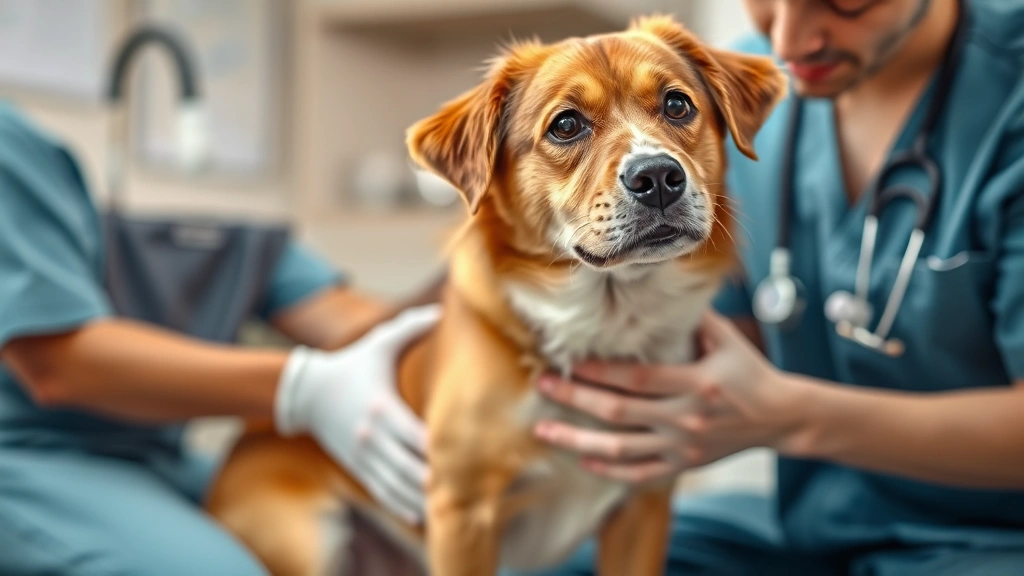
The most immediate danger of ham bones is physical injury. When a dog chews a cooked ham bone, pieces break off unpredictably. These fragments can:
- Cause choking by lodging in the throat or esophagus
- Perforate the mouth, gums, or tongue, leading to painful lacerations and infections
- Become stuck between teeth, causing dental damage or requiring extraction
- Create intestinal blockages that trap food and waste, preventing normal digestion
- Puncture the stomach or intestinal wall, causing life-threatening peritonitis (infection in the abdominal cavity)
Intestinal blockages are particularly insidious because symptoms may not appear immediately. A dog might seem fine for 24-48 hours after consuming bone fragments, then suddenly show signs of distress. Emergency surgery to remove the blockage can cost $2,000-$5,000 and carries its own surgical risks.
Certain dog breeds face elevated risks. Brachycephalic dogs (flat-faced breeds like Bulldogs and Pugs) have compromised airway anatomy, making choking more likely. Small dogs and puppies have proportionally smaller throats, increasing choking risk from even tiny bone fragments. Senior dogs with dental disease may struggle to properly break down bones, swallowing larger pieces whole.
According to the Association of American Feed Control Officials, bone-related injuries represent a significant portion of foreign body obstructions requiring emergency veterinary intervention.
Nutritional and Digestive Concerns
While bones do provide some minerals like calcium and phosphorus, a dog’s nutritional needs are better met through balanced commercial diets or properly formulated home-cooked meals. The nutritional benefit of a ham bone doesn’t justify the health risks.
The high fat content deserves special attention. Pancreatitis triggered by fatty foods can be acute (sudden onset) or chronic (recurring). Acute pancreatitis causes severe abdominal pain, vomiting, diarrhea, and lethargy. Chronic pancreatitis develops gradually and can lead to exocrine pancreatic insufficiency (EPI), where the pancreas fails to produce digestive enzymes. Dogs with EPI require lifelong enzyme supplementation and strict dietary management.
The excessive sodium also impacts kidney function over time. While a single ham bone won’t cause immediate kidney failure, repeated exposure increases the risk, especially in senior dogs or those with pre-existing kidney disease. Dogs cannot regulate sodium intake the way humans can, making them vulnerable to cumulative sodium toxicity.
Ham bones may also trigger or exacerbate digestive sensitivities. Dogs with inflammatory bowel disease, food allergies, or sensitive stomachs often experience flare-ups after consuming fatty, salty, or processed foods. If your dog has any known digestive issues, ham bones are absolutely off-limits.
Warning Signs Your Dog Ate a Ham Bone
If your dog has consumed a ham bone (or you suspect they have), watch closely for these warning signs over the next 24-72 hours:
- Vomiting or retching – may contain bone fragments or blood
- Loss of appetite – refusal to eat normal meals
- Abdominal pain – reluctance to move, hunched posture, whining, or sensitivity to touch
- Constipation or straining – difficulty defecating or no bowel movements
- Diarrhea – may be bloody (appears dark or bright red)
- Lethargy – unusual tiredness or depression
- Difficulty swallowing – drooling, gagging, or reluctance to eat
- Pale gums – may indicate internal bleeding
- Excessive thirst and urination – from high sodium content
- Fever – suggests infection from perforation
If you observe any of these symptoms, contact your veterinarian immediately. Bring information about when the bone was consumed and any symptoms you’ve noticed. Your vet may recommend X-rays, ultrasound, or bloodwork to assess for blockages, pancreatitis, or other complications.
Don’t wait to see if symptoms resolve on their own. Intestinal perforations and blockages are medical emergencies requiring urgent intervention. The faster treatment begins, the better the prognosis.
Safe Bone and Chew Alternatives
Your dog doesn’t need ham bones to satisfy their natural urge to chew. Plenty of safer alternatives provide mental stimulation, dental benefits, and satisfaction:
Commercially Available Safe Options
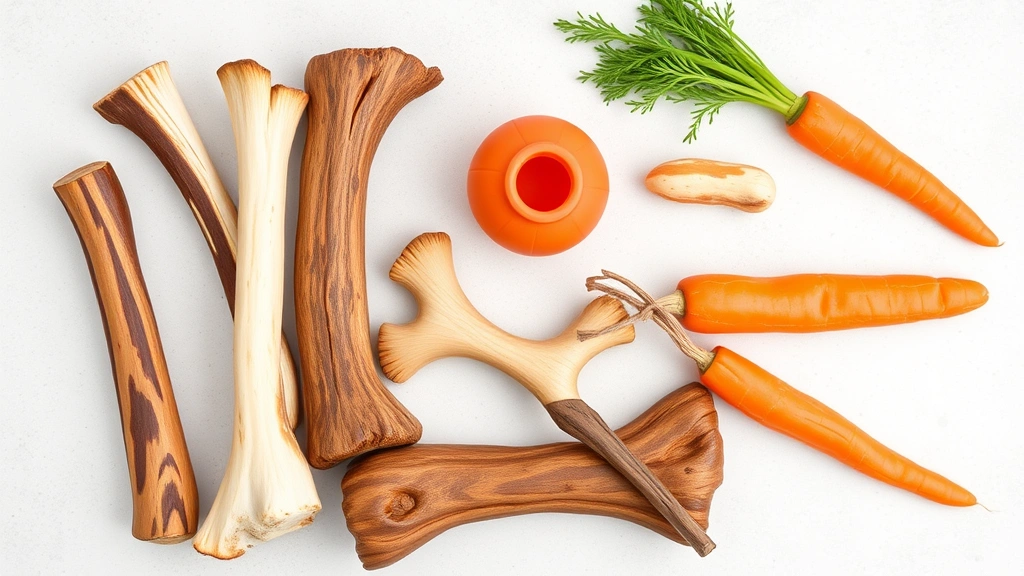
- Bully sticks – single-ingredient, digestible chews made from beef muscle. They’re long-lasting and much less likely to splinter
- Yak chews (Himalayan dog chews) – hard cheese chews that soften as dogs work on them, completely digestible
- Rubber Kong toys – fill with peanut butter, pumpkin puree, or plain yogurt for extended mental engagement
- Nylon chew toys – designed to be durable without splintering (though supervise to ensure your dog doesn’t ingest large pieces)
- Antlers – naturally shed deer or elk antlers are extremely durable, though they’re hard and may cause tooth fractures in aggressive chewers
- Dental chews – specifically formulated to reduce plaque and tartar while being digestible
Healthy Food-Based Alternatives
If you want to offer something special from the dinner table, consider these safer options instead of ham bones:
- Carrots – carrots are good for dogs and provide natural tooth-cleaning benefits when given raw
- Apples (without seeds) – crunchy and low in calories
- Green beans – low-calorie treat with nutritional value
- Plain cooked chicken – protein-rich without excess fat or salt
- Pumpkin puree – supports digestive health when given in moderation
These alternatives satisfy the chewing instinct without the health risks associated with ham bones. They also make excellent training rewards or puzzle toy fillings.
Raw vs. Cooked Bones: What’s the Difference?
Understanding the distinction between raw and cooked bones helps clarify why ham bones specifically are problematic, even though some proponents advocate for raw bones in general.
Cooked Bones (Like Ham Bones)
Cooking fundamentally changes bone structure through heat-induced protein denaturation and mineral changes. Cooked bones become:
- Brittle and prone to splintering into sharp fragments
- More likely to cause choking and intestinal damage
- Harder for dogs to digest if swallowed
- Concentrated sources of salt and fat (in the case of ham)
Veterinarians universally recommend never giving dogs cooked bones of any kind, whether from chicken, pork, beef, or ham.
Raw Bones
Raw meaty bones retain their natural flexibility and are less likely to splinter. Some raw-feeding advocates argue that raw bones are safe and provide nutritional benefits. However, this remains controversial among veterinarians due to:
- Risk of bacterial contamination (Salmonella, E. coli, Listeria) that can affect both dogs and humans in the household
- Potential for choking or blockages, though lower than with cooked bones
- Dental fractures from hard bones
- Potential nutritional imbalances if raw feeding isn’t properly formulated
If you’re interested in raw feeding, consult with a veterinary nutritionist to ensure your dog receives complete and balanced nutrition. Never assume that raw bones are completely risk-free.
FAQ
Can dogs eat ham in general, or just ham bones?
Plain ham meat without bones is safer than ham bones, but it’s still not ideal for regular feeding. Ham is extremely high in sodium and fat, making it an occasional treat at best. A small piece (1-2 ounces for a medium dog) as a rare treat is unlikely to cause immediate harm, but shouldn’t become routine. Always remove all bones, skin, and fatty portions before offering any ham to your dog.
What if my dog swallowed a small ham bone fragment?
Monitor your dog closely for 48-72 hours for any signs of distress (vomiting, abdominal pain, constipation, or diarrhea). Contact your vet if any symptoms appear. If your dog is small, the fragment was large, or you’re concerned, call your vet for guidance—they may recommend X-rays to confirm the fragment has passed or isn’t causing blockage.
Are smoked ham bones safer than regular ham bones?
No. Smoking doesn’t change the fundamental risks. Smoked ham bones are still cooked, brittle, and high in sodium and fat. The smoking process may even increase certain compounds that aren’t ideal for dogs.
Can I give my dog ham bone broth?
Ham bone broth is safer than the bone itself since the bone fragments are removed, but it’s still problematic. Broth made from ham bones concentrates the sodium and fat content. A small amount of low-sodium, fat-trimmed chicken or beef broth (without onions or garlic) is a better choice if you want to add broth to your dog’s meal.
What about bones from other meats like chicken or beef?
Cooked chicken and beef bones carry the same risks as ham bones—they splinter and can cause choking or blockages. Never give cooked bones of any kind. If you want to offer raw bones, do so only under veterinary guidance and with proper food safety precautions.
How do I prevent my dog from finding ham bones?
Store leftover ham securely in the refrigerator, dispose of bones in a sealed trash can, and keep your dog away from dining areas during meals. Educate family members and guests about the dangers so they don’t sneak bones to your dog. Consider crate training or using baby gates to manage access to food preparation areas during holidays when ham is commonly served.
Are there any dogs that can safely eat ham bones?
No. All dogs—regardless of breed, age, or size—face the same risks from ham bones. Individual variation in how dogs respond doesn’t make them safe; it just means some dogs might get lucky. Relying on luck with your pet’s health isn’t worth the potential emergency vet bill or worse outcomes.
What should I do if ham bones are a family tradition?
Start a new tradition! Offer your dog a dog-safe alternative at the same time the family eats ham. Bully sticks, yak chews, or special toys filled with pumpkin puree create positive associations with mealtime without the health risks. Your dog will be just as happy, and you’ll have peace of mind.
When should I call the vet about potential ham bone ingestion?
Call immediately if your dog shows any symptoms listed in the warning signs section. If your dog ate a ham bone but shows no symptoms, call your vet for guidance—they may recommend monitoring only or may want to see your dog for an examination. It’s always better to be cautious with potential blockages or toxicity.
Can I give my dog a ham bone if I remove the meat first?
No. The bone itself is the problem, not the meat. Bare ham bones are still cooked, brittle, and prone to splintering. Removing the meat doesn’t address any of the safety concerns. Skip ham bones entirely and choose one of the safe alternatives instead.
Final Thoughts: The temptation to share table scraps with your beloved dog is understandable, but ham bones aren’t worth the risk. Veterinarians consistently warn against them because they’ve seen the consequences—emergency surgeries, prolonged hospitalizations, and sadly, dogs who didn’t survive complications. Protect your dog by keeping ham bones off-limits and offering safe alternatives that satisfy their chewing instincts without endangering their health. Your dog will be healthier, happier, and safer for it.





