

Are Impatiens Poisonous to Dogs? Vet Insights
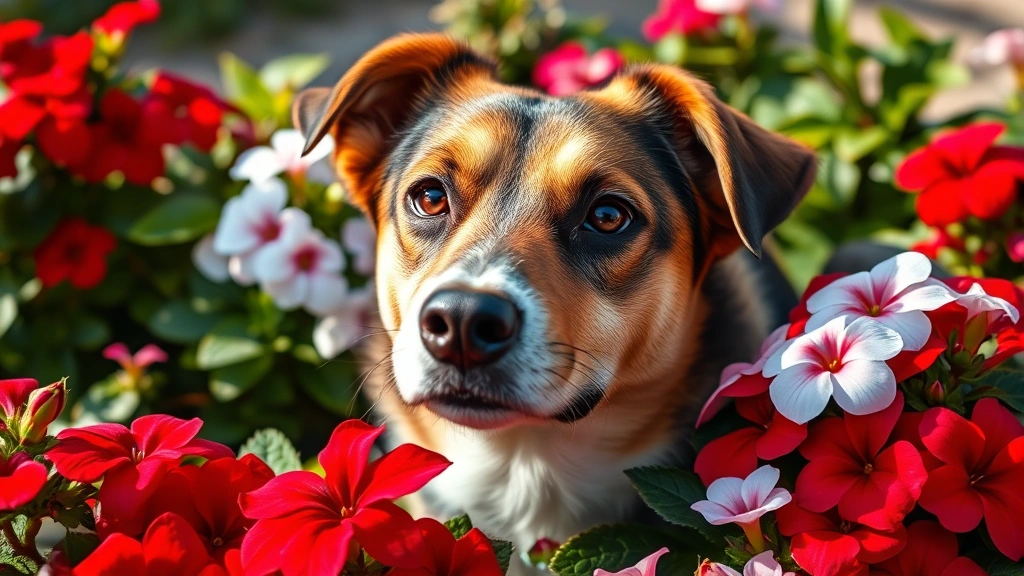
If you’re a dog owner who loves gardening, you’ve probably wondered about the safety of common houseplants and garden flowers. Impatiens are beloved by gardeners for their vibrant blooms and shade tolerance, but if you have a curious pup at home, it’s natural to worry whether these colorful flowers pose any risk. The good news is that impatiens are generally considered safe for dogs, but there are important nuances every pet owner should understand.
In this comprehensive guide, we’ll explore what veterinarians say about impatiens and dogs, discuss why some plants are toxic while others aren’t, and provide practical tips for creating a dog-safe garden. Whether you’re planning your flower beds or concerned about your dog’s recent nibbling habits, this article will give you the evidence-based information you need to keep your furry friend safe while enjoying beautiful plants.
Are Impatiens Toxic to Dogs?
Impatiens are not toxic to dogs. According to the ASPCA Animal Poison Control Center, impatiens (Impatiens walleriana) are non-toxic to dogs, cats, and horses. This means that if your dog accidentally ingests parts of an impatiens plant—whether leaves, flowers, or stems—it will not cause poisoning or serious health complications.
This classification applies to the most common varieties of impatiens found in home gardens and indoor collections. The plant’s safety profile makes it an excellent choice for households with dogs who have a tendency to investigate or chew on vegetation. However, non-toxic doesn’t mean consequence-free, and understanding the distinction is crucial for responsible pet ownership.
Many gardeners and plant enthusiasts appreciate impatiens precisely because they offer beautiful aesthetic appeal without the worry associated with genuinely dangerous plants. The vibrant flowers come in shades of pink, red, purple, white, and bi-colors, making them popular for adding visual interest to shaded garden areas where many other flowering plants struggle to thrive.
What Veterinarians Say About Impatiens
Veterinary professionals consistently confirm that impatiens pose no toxicity risk to canine companions. The ASPCA and American Kennel Club both list impatiens as safe plants for dogs. This veterinary consensus is based on extensive research and years of clinical experience with dogs who have consumed various plant materials.
Dr. veterinary toxicologists have determined that impatiens lack the compounds that trigger toxic reactions in dogs. Unlike lilies, sago palms, or oleander—which contain alkaloids and other harmful substances—impatiens simply don’t possess the chemical constituents that would cause systemic poisoning.
That said, veterinarians do recommend monitoring your dog’s plant consumption habits for several reasons beyond toxicity. Even non-toxic plants can cause mild gastrointestinal upset if consumed in large quantities, and excessive plant eating might indicate underlying issues like nutritional deficiencies, boredom, or medical conditions requiring attention.
If your dog is a frequent plant eater, discussing this behavior with your veterinarian is wise. They can rule out conditions like pica (compulsive eating of non-food items) or nutrient deficiencies that might be driving the behavior. Additionally, your vet can recommend safe alternatives and environmental enrichment strategies to redirect your dog’s natural foraging instincts.

Why Dogs Eat Plants
Understanding why dogs consume plants helps pet owners address the root cause rather than simply removing all vegetation. Dogs eat plants for multiple reasons, and the behavior isn’t necessarily indicative of a problem—though it can be.
Natural Foraging Instincts: Dogs retain ancestral behaviors from their wolf ancestors, who consumed vegetation as part of their omnivorous diet. While modern domestic dogs are primarily carnivorous, this instinctual drive to explore and sample their environment remains strong.
Boredom and Lack of Stimulation: A dog with insufficient mental or physical exercise may resort to chewing plants as a form of entertainment. This is particularly common in younger dogs or high-energy breeds that aren’t receiving adequate activity.
Nutritional Deficiencies: Some research suggests that dogs experiencing certain nutritional gaps may seek out plants to compensate. While this is debated among veterinarians, it’s worth discussing with your vet if your dog shows persistent plant-eating behavior.
Texture and Sensory Appeal: Dogs may simply enjoy the texture of plant material, especially during teething or when experiencing dental discomfort. The act of chewing can be soothing and pleasurable.
Gastrointestinal Issues: Some dogs eat grass and plants when experiencing digestive upset, possibly to induce vomiting or obtain fiber. If your dog suddenly increases plant consumption, a veterinary check-up is warranted.
Understanding these motivations helps you create an environment that discourages unwanted plant consumption while addressing your dog’s underlying needs through appropriate toys, exercise, and enrichment.
Signs Your Dog Ate Impatiens
Since impatiens are non-toxic, you won’t see signs of poisoning. However, you might notice behavioral or digestive changes if your dog has consumed a significant quantity of plant material.
Mild Gastrointestinal Effects: Eating large amounts of any plant material can cause mild digestive upset. Watch for vomiting, diarrhea, or constipation following plant consumption. These symptoms are typically mild and self-limiting.
Behavioral Signs: You might observe your dog with plant material on their face or teeth, or find chewed leaves around your garden or houseplant area. Some dogs may have plant matter visible in their stool.
When to Worry: If your dog shows signs of severe vomiting, persistent diarrhea, abdominal pain, or lethargy after plant consumption, contact your veterinarian. While impatiens themselves won’t cause these serious symptoms, they could indicate your dog ate something else or has an underlying condition.
The distinction is important: if your dog ate impatiens specifically and shows no symptoms, there’s no cause for concern. However, if symptoms develop, your vet needs to know what plant material you suspect was consumed to rule out other possibilities.
Truly Toxic Plants to Avoid
While impatiens are safe, many common garden and houseplants are genuinely dangerous for dogs. Pet owners should familiarize themselves with these toxic varieties to create a truly safe environment.
Lilies (especially Lilium and Hemerocallis species): These are among the most dangerous plants for dogs. Even small amounts of lily plant material—particularly the pollen, stems, and leaves—can cause severe kidney damage in dogs. Lilies should never be present in homes with canine companions.
Sago Palm: This popular ornamental plant contains cycasin, a toxin that causes severe liver damage. Ingestion can be fatal, making sago palm absolutely off-limits for dog owners.
Oleander: Every part of this plant contains cardiac glycosides that affect heart function. Symptoms include drooling, vomiting, diarrhea, and potentially fatal cardiac arrhythmias.
Foxglove: Similar to oleander, foxglove contains cardiac glycosides and poses serious heart risks to dogs.
Dieffenbachia: This common houseplant contains calcium oxalate crystals that cause oral irritation, drooling, and difficulty swallowing.
Philodendron: Another calcium oxalate-containing plant that causes similar symptoms to dieffenbachia.
Azaleas and Rhododendrons: These contain grayanotoxins that cause gastrointestinal upset and potentially dangerous cardiac effects.
For a comprehensive list of toxic plants, the ASPCA maintains an extensive database you can reference. Bookmark this resource for quick consultation when considering new plants for your home or garden.
Creating a Dog-Safe Garden
Creating a dog-friendly outdoor space involves more than simply avoiding toxic plants. A well-designed garden provides enrichment while protecting your pet’s health and safety.
Choose Non-Toxic Plants: Beyond impatiens, consider other safe flowering options like sunflowers, zinnias, roses, and marigolds. For ground cover, dog-safe options include clover and certain grass varieties. When selecting plants, always verify their safety status before planting.
Designate a Dog Area: Create a specific zone where your dog can safely explore without encountering toxic plants or hazards. This area might include dog-friendly plants, digging spots, and enrichment opportunities.
Provide Appropriate Chewing Materials: Offer designated chew toys and natural chewing items like bully sticks or yak chews to satisfy your dog’s natural urge to chew. This redirects their attention from garden plants.
Ensure Adequate Exercise: A well-exercised dog is less likely to engage in destructive plant-eating behavior. Aim for daily walks, playtime, and mental stimulation appropriate to your dog’s age, breed, and health status.
Install Barriers if Needed: For particularly determined plant-eaters, consider fencing off garden beds or using plant cages to prevent access to specific areas.
Monitor Pesticides and Fertilizers: Even non-toxic plants become hazardous if treated with toxic chemicals. Use dog-safe gardening practices and store all chemicals securely away from your pet. Many conventional pesticides and fertilizers are highly toxic to dogs.
Remember that creating a dog-safe environment is an ongoing process. As your dog ages or if new pets join your household, reassess your garden’s safety and adjust accordingly.
What to Do If Your Dog Ingests Plants
If you suspect your dog has eaten plant material, here’s a systematic approach to handling the situation:
Identify the Plant: Try to determine exactly what your dog consumed. Take a photo of the plant or collect a sample to show your veterinarian. If you’re uncertain about plant identification, bring the plant itself to your vet’s appointment.
Contact Your Veterinarian or Poison Control: If the plant is potentially toxic, contact your vet or the ASPCA Poison Control Center at (888) 426-4435 immediately. They can provide guidance based on the specific plant and quantity consumed. Note that the ASPCA charges a consultation fee but provides expert toxicology information.
Monitor for Symptoms: Watch your dog closely for the next 24-48 hours for any signs of illness including vomiting, diarrhea, lethargy, drooling, difficulty breathing, or behavioral changes.
Seek Emergency Care if Needed: If your dog shows severe symptoms like persistent vomiting, difficulty breathing, collapse, or signs of extreme distress, seek emergency veterinary care immediately. Don’t wait to see if symptoms resolve on their own.
Provide Information to Your Vet: Tell your veterinarian approximately how much plant material your dog consumed and when the ingestion occurred. This helps them assess the risk level and determine appropriate monitoring or treatment.
Save the Plant Information: For future reference, keep records of what plants are in your home and garden, along with their toxicity status. This information can be invaluable if future incidents occur.
The good news regarding impatiens is that if you’re certain your dog ate only impatiens and shows no symptoms, you can likely observe at home without veterinary intervention. However, if you’re unsure what plant was consumed or if symptoms develop, professional guidance is always the safest choice.
FAQ
Can dogs eat impatiens flowers safely?
Yes, impatiens flowers are completely safe for dogs. The blooms, leaves, and stems are all non-toxic. However, eating large quantities might cause mild digestive upset. If your dog has eaten impatiens and shows no symptoms, there’s no cause for concern.
What should I do if my dog ate impatiens?
If your dog ate impatiens specifically and is acting normally with no vomiting or diarrhea, you can simply monitor them at home. If they show signs of gastrointestinal upset or if you’re unsure what plant they ate, contact your veterinarian for guidance.
Are all varieties of impatiens safe for dogs?
The common garden impatiens (Impatiens walleriana) are safe for dogs. This includes most varieties you’ll find in nurseries and garden centers. Always verify plant safety before bringing new plants into your home.
What are the most dangerous plants for dogs?
Lilies, sago palms, oleander, foxglove, and azaleas are among the most toxic plants for dogs. Other dangerous plants include dieffenbachia, philodendron, and many others. Consult the ASPCA’s toxic plant database for a comprehensive list.
How can I stop my dog from eating plants?
Provide adequate exercise and mental stimulation, offer appropriate chew toys, ensure proper nutrition, and redirect your dog’s attention when they attempt to eat plants. Consider creating a designated dog area with safe plants. If the behavior persists, discuss it with your veterinarian to rule out underlying issues.
Should I be concerned if my dog ate an unknown plant?
If you’re unsure what plant your dog ate, contact your veterinarian or the ASPCA Poison Control Center immediately. It’s better to err on the side of caution when plant toxicity is involved. Have a photo of the plant or a sample ready when you call.
Are impatiens better than other houseplants for dog owners?
Impatiens are an excellent choice for dog owners because they’re non-toxic and beautiful. However, you might also consider other safe options like spider plants, African violets, or Boston ferns. Always verify plant safety before purchasing.
Can impatiens cause any health issues in dogs?
Impatiens themselves won’t cause toxicity. However, eating large quantities of any plant material might cause mild vomiting or diarrhea. If your dog shows persistent digestive symptoms, consult your veterinarian to rule out other causes.





