Are Nylon Bones Safe for Dogs? Vet Insights on Chew Toy Safety
Nylon bones have been a staple in pet stores for decades, marketed as durable chew toys designed to satisfy your dog’s natural urge to chew. However, veterinarians and pet safety experts have raised important concerns about their safety profile. Understanding the risks and benefits of nylon bones is essential for making informed decisions about your dog’s playtime and dental health.
The question of whether nylon bones are safe for dogs doesn’t have a simple yes or no answer. While some dogs enjoy them without incident, others have experienced serious health complications including intestinal blockages, tooth fractures, and gastrointestinal upset. This comprehensive guide explores what veterinarians recommend, the potential dangers, safer alternatives, and how to choose appropriate chew toys for your canine companion.
What Are Nylon Bones?
Nylon bones are synthetic chew toys made from nylon plastic, engineered to be resistant to tearing and breaking. They’re typically flavored with meat or vanilla to appeal to dogs and come in various shapes and sizes. Manufacturers design them to be long-lasting alternatives to natural bones, promising to keep dogs entertained for extended periods while promoting dental health through the chewing action.
These toys became popular because they don’t splinter like real bones and can last much longer than rawhide chews. Pet owners appreciate that nylon bones don’t leave residue on furniture or create messy cleanup situations. However, their durability is a double-edged sword—while they resist breaking, they can still shed small particles that dogs ingest, and large pieces can become lodged in the digestive tract.
The nylon material is non-biodegradable, meaning if a dog swallows fragments, the body cannot break them down naturally. This characteristic is central to many veterinary concerns about these products.
Vet Concerns About Nylon Bones
Veterinarians across the country have documented numerous cases of health complications directly linked to nylon bone consumption. The American Association of Feed Control Officials and many veterinary professionals recommend caution with these products due to documented risks.
Intestinal Blockages
The most serious concern veterinarians raise is the risk of intestinal blockages. When dogs chew nylon bones, small fragments can be ingested. Because nylon doesn’t digest, these pieces can accumulate in the stomach or intestines, potentially causing complete or partial blockages. This condition is life-threatening and often requires emergency surgery. Dogs prone to rapid or aggressive chewing face the highest risk.
Tooth Fractures and Dental Damage
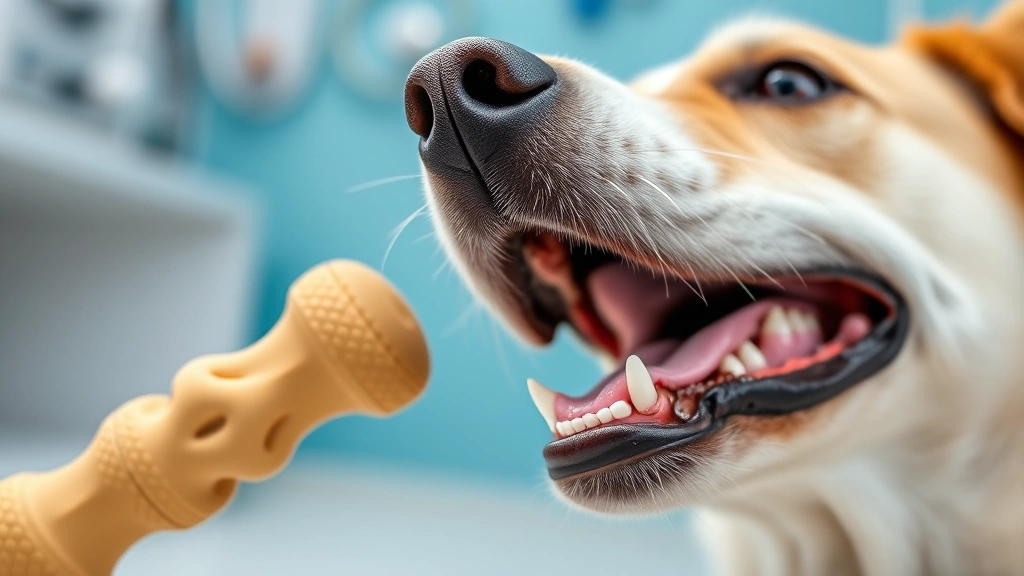
Nylon bones are extremely hard, and some dogs—particularly those with strong jaw pressure—can crack or fracture their teeth while chewing them. Fractured teeth are painful, can become infected, and often require extraction. Veterinary dental procedures are costly and stressful for both dogs and owners. The American Veterinary Medical Association advises against chew toys harder than your thumbnail when pressed firmly.
Gastrointestinal Upset
Even small nylon fragments that pass through the digestive system can cause vomiting, diarrhea, constipation, and abdominal discomfort. Some dogs develop chronic digestive issues from repeated nylon bone use.
Chemical Concerns
While nylon itself is FDA-approved for food contact, some nylon bones contain dyes, flavoring agents, and other additives. Dogs with sensitive stomachs or allergies may react negatively to these components. Additionally, the long-term effects of ingesting plastic particles remain understudied in veterinary medicine.
Signs Your Dog Is Having Problems
Recognizing warning signs early can prevent serious complications. Contact your veterinarian immediately if your dog exhibits any of these symptoms:
- Vomiting – Especially repeated vomiting or vomiting that doesn’t resolve within a few hours
- Loss of appetite – Refusing meals or treats is always concerning
- Lethargy – Unusual tiredness or lack of interest in activities
- Abdominal pain – Whining, hunching, or reluctance to move
- Constipation or diarrhea – Changes in bowel movements lasting more than 24 hours
- Straining to defecate – Difficulty passing stool
- Visible pieces in vomit or stool – Nylon fragments are sometimes visible
- Excessive drooling – Can indicate mouth pain from dental fractures
- Difficulty chewing – Reluctance to eat hard foods
Intestinal blockages are emergencies. If your dog shows multiple symptoms or appears severely distressed, seek immediate veterinary care. Blockages can become life-threatening within hours.
Safer Chew Toy Alternatives
Fortunately, many safer options satisfy dogs’ natural chewing instincts without the associated risks of nylon bones.
Natural Rubber Toys
High-quality natural rubber toys like Kong brand products are designed to be digestible if small pieces are ingested. They’re softer than nylon bones, reducing tooth fracture risk, and come in various textures and sizes. Many can be filled with treats or frozen for extended engagement.
Rope Toys
Rope toys are excellent for interactive play and supervised chewing. However, they require careful monitoring because dogs can ingest rope fibers, which can also cause blockages. Never leave rope toys unsupervised with aggressive chewers.
Edible Chews
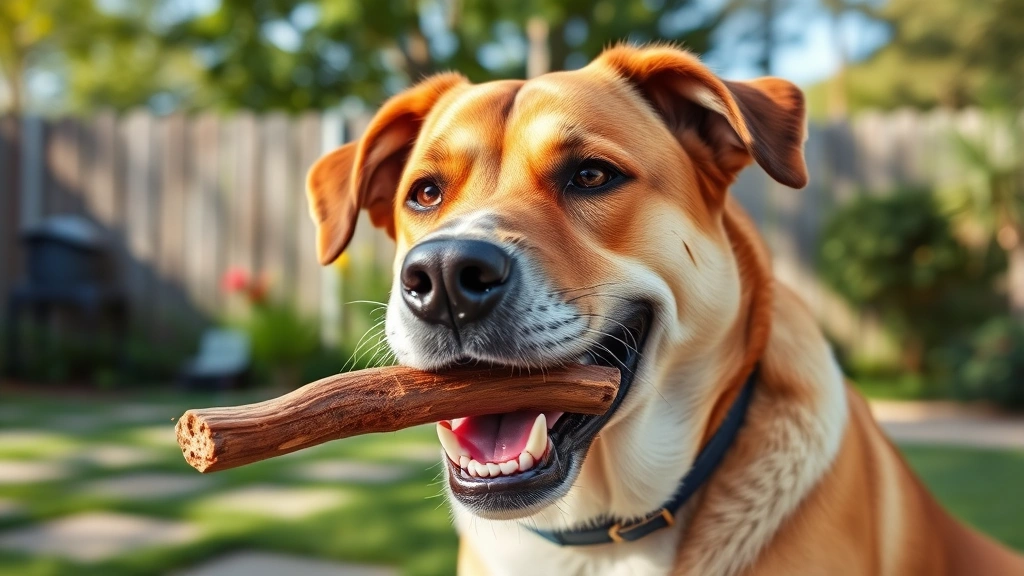
Natural options like bully sticks, yak cheese chews, and compressed vegetable treats are digestible alternatives. Unlike nylon bones, these chews break down in the digestive system. However, they require supervision and should be removed when they become small enough to be choking hazards. For dogs interested in vegetables, you might explore whether dogs can eat carrots, which provide natural chewing satisfaction and nutritional benefits.
Puzzle Toys and Interactive Feeders
These toys engage dogs mentally while providing chewing satisfaction. They’re particularly beneficial for bored dogs and can be filled with kibble or safe treats to encourage prolonged interaction.
Real Bones (With Caution)
Raw meaty bones under supervision can be safer than nylon alternatives, though they carry their own risks. Never give cooked bones, which splinter easily. Consult your veterinarian about appropriate options for your dog’s size and chewing style.
How to Choose Safe Chew Toys
When selecting chew toys, veterinarians recommend following these guidelines:
- Apply the thumbnail test – Press your thumbnail firmly against the toy. If your nail doesn’t make an indent, the toy is too hard and risks breaking teeth.
- Consider your dog’s chewing style – Aggressive chewers need different toys than gentle chewers. Assess whether your dog tends to destroy toys quickly.
- Check for small parts – Ensure toys have no small pieces that could be ingested or become choking hazards.
- Look for certification – The ASPCA and other organizations test toys for safety. Products with safety certifications are generally more reliable.
- Verify materials – Choose toys made from non-toxic, digestible, or safely indigestible materials.
- Match toy size to dog size – Small toys can become choking hazards for large dogs, while oversized toys may frustrate small breeds.
- Rotate toys regularly – Preventing boredom reduces destructive chewing behavior.
- Inspect regularly – Discard toys that show signs of damage, peeling, or deterioration.
Supervision and Best Practices
Regardless of which chew toys you choose, supervision is crucial for your dog’s safety. Never leave your dog unsupervised with any chew toy for extended periods, especially when first introducing a new toy.
Establish Boundaries
Teach your dog to chew only appropriate toys and redirect them if they attempt to chew forbidden items. Consistent training prevents ingestion of dangerous materials.
Monitor Chewing Sessions
Observe your dog during play to ensure they’re using toys appropriately. Some dogs swallow large chunks rather than gnawing gradually—these aggressive chewers require closer supervision.
Age-Appropriate Selection
Puppies have different needs than adult dogs. Their teeth are still developing, and they’re prone to swallowing things whole. Choose softer, safer options for young dogs and gradually introduce appropriate chew toys as they mature.
Dental Health Considerations
While chewing does provide some dental benefits through natural abrasion, professional dental cleanings remain important. Regular veterinary dental exams can catch early tooth damage before complications develop.
Digestive System Health
Dogs with sensitive stomachs or history of blockages should use only digestible chew options. If your dog has experienced previous blockages, consult your veterinarian before introducing any new chew toys.
Individual Variation
Every dog is unique. What works safely for one dog might be dangerous for another based on their chewing habits, jaw strength, and digestive sensitivity. Pay attention to your individual dog’s response to different toys and adjust accordingly.
FAQ
Are nylon bones toxic to dogs?
Nylon itself isn’t inherently toxic, but it’s not digestible. If ingested in significant quantities, nylon fragments can cause intestinal blockages, which are serious medical emergencies. Additionally, some nylon bones contain additives or dyes that may cause digestive upset in sensitive dogs.
Can nylon bones cause blockages?
Yes. This is one of the primary concerns veterinarians have about nylon bones. When dogs chew them, small pieces accumulate in the stomach or intestines. Because nylon doesn’t break down, these fragments can cause partial or complete blockages requiring emergency surgery.
What’s the safest chew toy for dogs?
The safest options are toys made from digestible materials like natural rubber, or edible chews like bully sticks. The key is choosing toys appropriate for your dog’s size and chewing intensity, supervising use, and applying the thumbnail test to ensure adequate softness.
How long can dogs safely chew nylon bones?
Veterinarians generally recommend avoiding nylon bones altogether rather than limiting their use. If your dog already uses them without incident, limit sessions to 15-20 minutes under supervision and remove the toy before your dog ingests large pieces.
What should I do if my dog swallowed nylon bone pieces?
Monitor your dog closely for the symptoms mentioned earlier: vomiting, loss of appetite, abdominal pain, and changes in bowel movements. Contact your veterinarian immediately if any of these signs appear. Don’t wait—blockages can become emergencies quickly. Your vet may recommend X-rays or ultrasound to assess the situation.
Do vets recommend nylon bones?
Most veterinarians do not recommend nylon bones as a primary chew toy option due to documented risks. The AVMA and many veterinary dental specialists recommend safer alternatives. Always consult your individual veterinarian about appropriate toys for your dog.
Are there safer alternatives to nylon bones for aggressive chewers?
Yes. Aggressive chewers benefit from toys like reinforced natural rubber Kongs, puzzle toys, and supervised edible chews. Some dogs also do well with raw meaty bones under veterinary guidance. The key is choosing items that won’t splinter or create blockage risks while still providing satisfying chewing action.
Can nylon bones break teeth?
Yes, nylon bones are extremely hard and can cause tooth fractures, particularly in dogs with strong bite force. Fractured teeth are painful and often require extraction. This is why the thumbnail test—ensuring toys indent when pressed with your nail—is so important for preventing dental damage.
What about flavored nylon bones with added ingredients?
While flavoring makes toys more appealing, it may also increase risks. Dogs might chew more aggressively to consume flavoring, increasing blockage risk. Additionally, flavoring agents and dyes can cause gastrointestinal upset in sensitive dogs. Simpler, unflavored options or naturally flavored toys tend to be safer choices.