
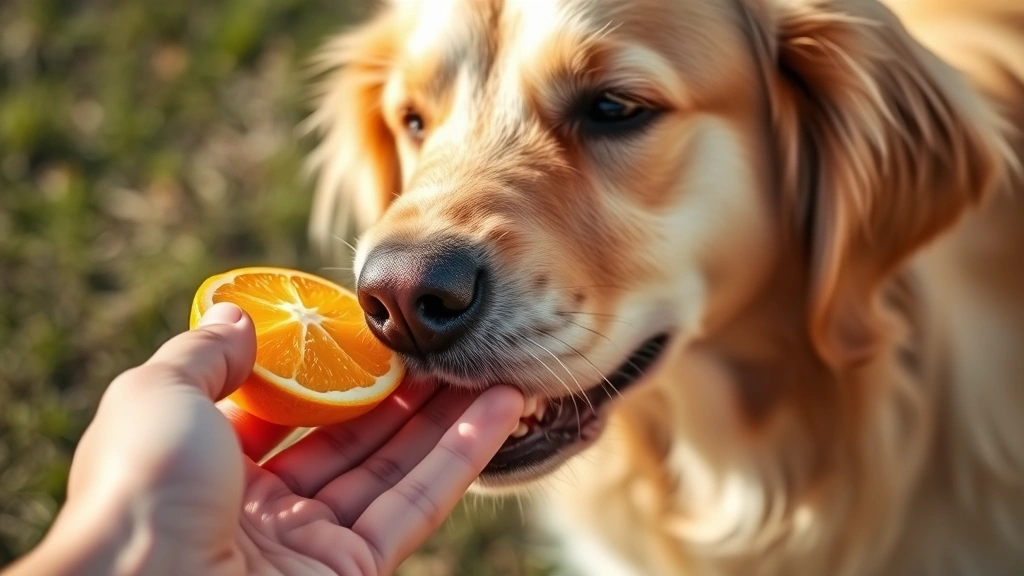
Can Dogs Eat Oranges? Vet-Approved Guide to Citrus Safety
Oranges are a refreshing snack for humans, packed with vitamin C and natural sweetness. But when your furry friend gives you those irresistible puppy-dog eyes while you’re peeling an orange, you might wonder: are oranges safe for dogs? The answer is nuanced. While oranges aren’t toxic to dogs, they come with several important considerations that every pet owner should understand before sharing this citrus fruit with their canine companion.
Dogs have different nutritional needs and digestive systems than humans, which means what’s healthy for us isn’t always ideal for them. Understanding the benefits, risks, and proper serving methods for oranges can help you make informed decisions about your dog’s diet and keep them healthy and happy.

Are Oranges Safe for Dogs?
Yes, oranges are generally safe for dogs when given in moderation and prepared correctly. The flesh of oranges contains no toxic compounds that would harm your dog. However, the key word here is moderation. Oranges are high in natural sugars and acidity, which can cause digestive upset if consumed in large quantities. Most veterinarians agree that small amounts of orange flesh are acceptable treats for healthy adult dogs, though certain dogs should avoid them entirely.
The safety of oranges for dogs depends on several factors, including your dog’s age, size, health status, and existing dietary conditions. Puppies, senior dogs, and those with specific health conditions may need to avoid oranges altogether. Additionally, certain parts of the orange—like the peel and seeds—should never be given to dogs, as they can cause serious problems.
According to the American Kennel Club, citrus fruits like oranges are not on the list of toxic foods for dogs, but they recommend consulting your veterinarian before introducing any new foods to your dog’s diet. This professional guidance ensures you’re making the best choice for your individual pet’s health needs.
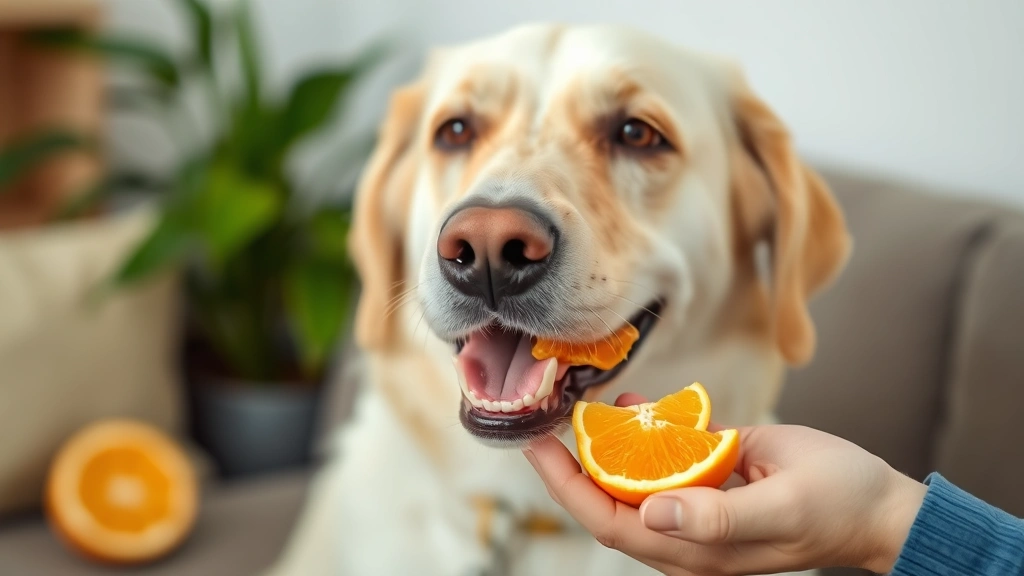
Nutritional Benefits of Oranges
Oranges offer some genuine nutritional benefits that make them appealing as occasional treats. These benefits can complement a well-balanced dog diet when offered appropriately:
- Vitamin C: Oranges are famous for their vitamin C content, which supports immune function and acts as an antioxidant. While dogs can synthesize their own vitamin C, supplemental amounts from whole foods may provide additional immune support.
- Fiber: The pulp of oranges contains dietary fiber, which can aid digestion and promote healthy bowel movements. This is particularly beneficial for dogs experiencing mild constipation.
- Hydration: With approximately 87% water content, oranges can help keep your dog hydrated, especially during warm weather or after exercise.
- Antioxidants: Oranges contain flavonoids and other antioxidant compounds that may help reduce inflammation and protect cells from oxidative stress.
- Folate: This B-vitamin supports cell division and DNA synthesis, contributing to overall metabolic health.
However, it’s important to note that dogs don’t require these nutrients from oranges specifically. A complete and balanced commercial dog food already provides all necessary vitamins and minerals. Oranges should be viewed as an occasional supplement, not a nutritional necessity.
Potential Risks and Concerns
While oranges aren’t toxic, several legitimate concerns should make you cautious about feeding them to your dog:
High Sugar Content: A medium orange contains approximately 12-15 grams of natural sugar. For small dogs, this represents a significant portion of their daily caloric intake. Excessive sugar consumption can lead to weight gain, dental problems, and increased risk of diabetes. Dogs don’t need added sugars in their diet, and even natural sugars should be limited.
Digestive Upset: The high acidity and fiber content of oranges can trigger gastrointestinal distress in sensitive dogs. Symptoms may include vomiting, diarrhea, stomach cramping, and loss of appetite. Dogs with existing digestive issues are particularly vulnerable to these side effects.
Citric Acid Sensitivity: Some dogs are sensitive to citric acid, which can cause mouth irritation or exacerbate acid reflux. Large quantities of citric acid may also interfere with nutrient absorption and mineral balance.
Choking Hazard: Orange segments can present a choking risk, particularly for enthusiastic eaters or dogs with swallowing difficulties. The membrane between segments can also get stuck in the throat.
Peel Toxicity: While orange flesh is safe, the peel contains compounds like limonene and linalool in concentrated amounts. These essential oils can cause gastrointestinal upset and, in severe cases, central nervous system depression. Always remove the peel completely before offering any orange to your dog.
Seeds and White Pith: Orange seeds contain small amounts of cyanogenic compounds, though the quantity is typically too small to cause serious harm. However, it’s best to remove seeds entirely. The white pith beneath the peel can also cause digestive upset.
The ASPCA Animal Poison Control Center notes that while oranges aren’t toxic, they should be given sparingly to avoid gastrointestinal issues.
How to Safely Serve Oranges to Your Dog
If you’ve determined that oranges are appropriate for your dog and your veterinarian has given approval, follow these guidelines to serve them safely:
- Choose Fresh, Ripe Oranges: Select oranges that are firm and free from mold or soft spots. Avoid canned oranges in syrup, which contain excessive added sugars.
- Wash Thoroughly: Rinse the orange under running water to remove any pesticides or bacteria from the peel.
- Remove All Peel: Completely peel away the outer skin and the white pith layer. Take time to ensure no peel remains, as this is where problematic compounds are concentrated.
- Remove Seeds: Extract any seeds from the orange flesh. While the risk from a few seeds is low, complete removal eliminates potential choking hazards and ensures maximum safety.
- Cut into Small Pieces: Slice the orange into small, manageable pieces appropriate for your dog’s size. This reduces choking risk and makes portion control easier.
- Serve Plain: Never add sugar, honey, or other sweeteners. Serve plain orange flesh only.
- Monitor Your Dog: Observe your dog after eating orange for any signs of digestive upset, including vomiting, diarrhea, or loss of appetite.
Remember that preparation is crucial. The effort required to properly prepare oranges for your dog means they’re not a convenient treat option compared to other safer alternatives like carrots or broccoli.
Portion Guidelines by Dog Size
The appropriate serving size varies significantly based on your dog’s weight and overall health. These guidelines represent maximum occasional treats and should constitute no more than 10% of your dog’s daily caloric intake:
Small Dogs (Under 25 lbs): Offer no more than 1-2 small orange segments once or twice per month. A single segment is approximately the size of a grape and contains roughly 5-8 calories.
Medium Dogs (25-50 lbs): Maximum of 2-3 small orange segments, 2-3 times per month. This amounts to approximately 15-25 calories per serving.
Large Dogs (50-100 lbs): Up to 4-5 small orange segments, 2-3 times per month, providing approximately 25-40 calories.
Extra-Large Dogs (Over 100 lbs): Maximum of 6-8 small orange segments, 2-3 times per month, containing approximately 40-60 calories.
These portions assume your dog is in good health with no underlying conditions. Dogs with obesity, diabetes, pancreatitis, or gastrointestinal issues should receive smaller portions or avoid oranges entirely. Always consult your veterinarian about appropriate portion sizes for your individual dog’s health profile.
Healthy Alternatives to Oranges
If you’re looking to expand your dog’s treat options, many alternatives offer similar nutritional benefits without the risks associated with oranges. Consider these vet-approved choices:
Vegetables: Carrots are excellent low-calorie treats that support dental health through natural chewing. Broccoli provides vitamins and minerals with minimal sugar content. Corn can be offered occasionally in moderation. Cauliflower is another nutritious, low-calorie option.
Fruits: Blueberries are packed with antioxidants and are naturally lower in sugar than oranges. Watermelon (seedless and rind-free) provides hydration with minimal calories. Apples (without seeds) offer fiber and natural sweetness.
Protein-Based Treats: Plain cooked chicken, turkey, or beef provides lean protein without added sugars. Plain Greek yogurt offers probiotics and calcium. Hard-boiled eggs are nutrient-dense and satisfying.
Commercial Options: Dog-specific treat products are formulated to meet nutritional guidelines and portion appropriateness. Look for options with minimal added sugars and recognizable ingredients.
The advantage of these alternatives is that many offer greater nutritional density with lower sugar content than oranges, making them safer choices for regular treat rotation.
FAQ
Can puppies eat oranges?
Puppies should generally avoid oranges. Their developing digestive systems are more sensitive to acidic foods and high sugar content. Additionally, the high sugar in oranges can interfere with proper growth and development. Wait until your dog is at least one year old before considering oranges, and even then, only offer them occasionally under veterinary guidance.
What about orange juice for dogs?
Orange juice is not recommended for dogs. Juice concentrates the natural sugars while removing the beneficial fiber found in whole oranges. A small glass of orange juice contains 20-25 grams of sugar—far too much for most dogs. Stick to plain water for hydration and offer whole fruits only when appropriate.
Can dogs eat mandarin oranges or clementines?
Yes, mandarin oranges and clementines are generally safer than regular oranges for dogs because they’re smaller, easier to portion, and slightly lower in acid. However, the same preparation rules apply: remove all peel, seeds, and pith completely. Serve only the flesh in small quantities.
What should I do if my dog accidentally eats orange peel?
If your dog consumes a small amount of orange peel, monitor them closely for symptoms like vomiting, diarrhea, or lethargy. Most dogs will experience mild digestive upset that resolves within 24 hours. However, if your dog consumed a large quantity of peel or shows severe symptoms, contact your veterinarian or the ASPCA Animal Poison Control Center immediately.
Are there any dog breeds that shouldn’t eat oranges?
Dogs with existing gastrointestinal conditions, including inflammatory bowel disease, pancreatitis, or acid reflux, should avoid oranges entirely. Small breed dogs are also at higher risk due to their limited stomach capacity and sensitivity to sugar. Dogs with diabetes or obesity should never consume oranges. Always consult your veterinarian about your specific dog’s dietary needs.
How often can I give my dog oranges?
Oranges should be an occasional treat, not a regular part of your dog’s diet. Limit orange treats to 2-3 times per month at most. More frequent consumption increases the risk of digestive upset, weight gain, and dental problems. Your dog’s regular diet should provide all necessary nutrition without supplementation from citrus fruits.
Can oranges help with dog breath?
While some believe citrus can freshen breath, oranges are not an effective solution for dog breath issues. In fact, the acidity can potentially harm tooth enamel. If your dog has persistent bad breath, consult your veterinarian, as this often indicates underlying health issues requiring professional attention.
What’s the difference between safe and unsafe citrus for dogs?
All citrus fruits share similar risks, but some are worse than others. Lemons and limes are too acidic and should be avoided entirely. Grapefruits contain compounds that can interfere with medications and should never be given. Oranges and their smaller cousins like clementines are the safest citrus options, though they still require careful preparation and portion control.





