

Can Dogs Eat Pears? Vet-Approved Guide
Yes, dogs can safely eat pears in moderation, making them a refreshing and nutritious treat for your furry friend. Pears are packed with vitamins, fiber, and antioxidants that offer genuine health benefits when given appropriately. However, like many human foods, pears come with important preparation guidelines and portion recommendations that every dog owner should understand before sharing this fruit with their canine companion.
The good news is that pears are non-toxic to dogs and can be an excellent low-calorie snack, especially during warm months. Unlike some fruits that pose serious risks to canine health, pears are generally well-tolerated by most dogs when prepared correctly. Understanding the proper way to serve pears, recognizing potential hazards, and knowing when to avoid them entirely will help you make informed decisions about your dog’s diet.
This comprehensive guide explores everything you need to know about feeding pears to dogs, including nutritional benefits, preparation methods, portion sizes, and potential risks. Whether you’re curious about adding variety to your dog’s diet or you’ve found your pup eyeing your fruit bowl, this evidence-based resource will answer your questions.
Are Pears Safe for Dogs?
Pears are absolutely safe for dogs and pose no toxicity concerns when served properly. According to the ASPCA, pears do not contain any compounds that are toxic to canines. This makes them fundamentally different from fruits like grapes and raisins, which are known to cause serious kidney problems in dogs.
The safety of pears for dogs has been confirmed by veterinary nutritionists and animal health organizations. When you remove the seeds and cut the fruit into appropriate sizes, pears become a healthy addition to your dog’s treat rotation. Many veterinarians recommend pears as part of a varied diet that includes other safe fruits and vegetables.
The key to safe pear consumption lies in proper preparation and moderation. Dogs can enjoy fresh pears, but canned pears in syrup should be avoided due to excessive sugar content. Always introduce pears gradually to your dog’s diet, just as you would with any new food, to monitor for digestive tolerance and potential allergic reactions.
Nutritional Benefits of Pears
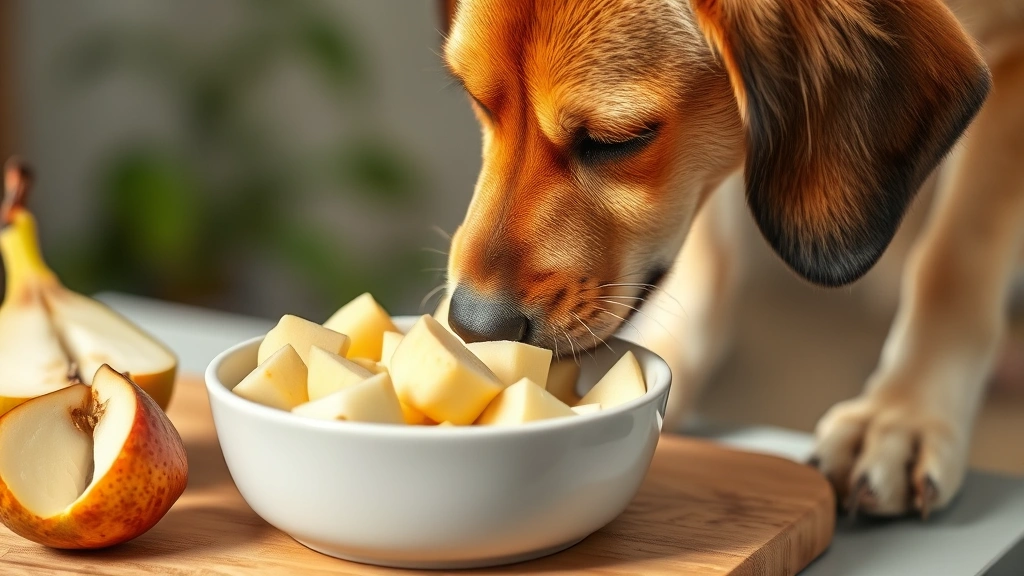
Pears offer impressive nutritional value that can complement your dog’s diet. These fruits are rich in essential vitamins and minerals that support overall health and wellness. A medium pear contains approximately 101 calories and provides meaningful amounts of dietary fiber, vitamin C, and copper—all beneficial nutrients for canine health.
Key Nutritional Components:
- Dietary Fiber: Supports healthy digestion and can help regulate bowel movements in dogs experiencing mild constipation
- Vitamin C: Acts as an antioxidant and supports immune system function, though dogs produce their own vitamin C
- Copper: Essential for bone health, immune response, and iron metabolism
- Vitamin K: Plays a crucial role in blood clotting and bone metabolism
- Potassium: Important for heart health and muscle function
- Antioxidants: Help combat cellular damage and may reduce inflammation
The high water content in pears (approximately 84% water) makes them an excellent hydrating treat, particularly beneficial during summer months. For dogs that don’t drink enough water throughout the day, pear slices can provide additional hydration while delivering nutritional benefits.
Unlike treats that are calorie-dense and offer minimal nutritional value, pears provide genuine health benefits without contributing significantly to weight gain. This makes them an ideal choice for dogs on weight management programs or those requiring low-calorie snacks between meals.
How to Safely Prepare Pears
Proper preparation is absolutely critical when serving pears to your dog. The way you present this fruit directly impacts your dog’s safety and the overall benefit they receive. Following these preparation guidelines ensures your dog enjoys pears without risk.
Step-by-Step Preparation Instructions:
- Wash thoroughly: Rinse the pear under running water to remove any pesticide residue or bacteria from the skin
- Remove the stem: Cut off and discard the stem completely to prevent choking hazards
- Seed removal is essential: Cut the pear in half lengthwise and scoop out all seeds using a spoon or small knife. This step cannot be skipped, as pear seeds contain small amounts of cyanogenic compounds
- Remove the skin (optional but recommended): While the skin is safe, removing it reduces choking risk and makes the fruit easier to digest for some dogs
- Cut into appropriate sizes: Slice the pear into bite-sized pieces that match your dog’s size and chewing ability. Small dogs require smaller pieces; large dogs can handle larger chunks
- Serve fresh: Give pear pieces immediately after preparation, or refrigerate in an airtight container for up to 24 hours
Never serve pears that have been treated with pesticides or picked up from unknown sources. Organic pears are preferable when available, though thoroughly washing conventional pears also reduces chemical exposure. Always inspect pears for mold or soft spots before offering them to your dog.
Portion Size Guidelines
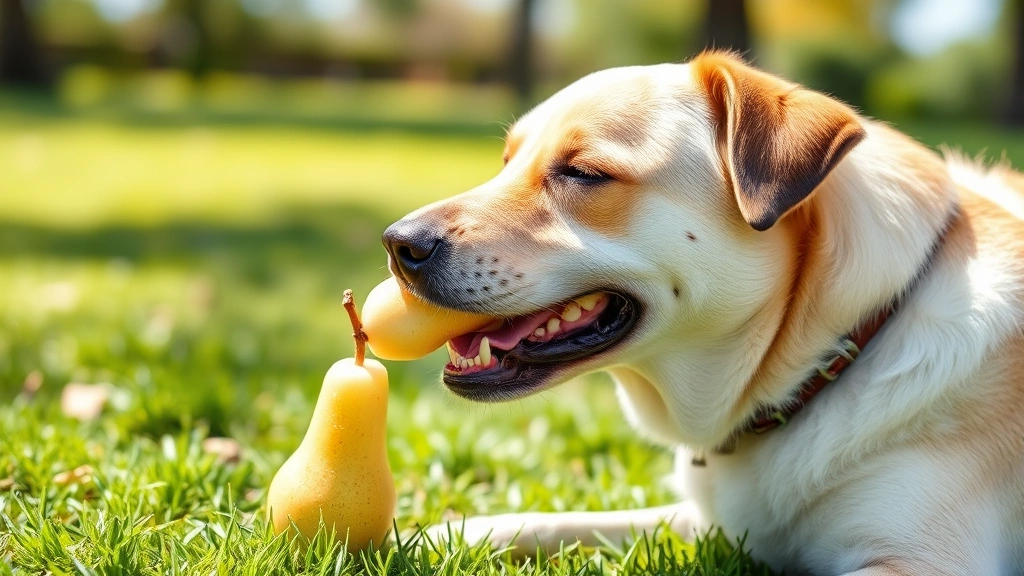
Determining the right portion size depends on your dog’s weight, age, and overall dietary needs. The general rule is that treats should comprise no more than 10% of your dog’s daily caloric intake, with the remaining 90% coming from a complete and balanced dog food.
Recommended Portions by Dog Size:
- Small dogs (under 25 lbs): 1-2 small pear slices, 2-3 times per week
- Medium dogs (25-50 lbs): 3-4 small pear slices, 2-3 times per week
- Large dogs (over 50 lbs): 5-6 small pear slices or 1/4 of a medium pear, 2-3 times per week
- Senior dogs: Smaller portions (1-2 slices) to minimize digestive stress
- Puppies: Introduce gradually with tiny pieces to assess tolerance
Start with minimal amounts when first introducing pears to your dog’s diet. Offer just one or two small pieces and observe your dog for 24 hours to ensure no adverse digestive reactions occur. Most dogs tolerate pears well, but individual sensitivities vary.
Remember that pear portions should be deducted from your dog’s daily treat allowance. If your dog receives other treats during the day, reduce pear quantities accordingly to maintain appropriate caloric balance. Overfeeding treats, including healthy fruits, can contribute to weight gain and nutritional imbalances.
Potential Risks and Hazards
While pears are generally safe, several hazards require your attention. Understanding these risks enables you to serve pears responsibly and prevent complications.
Choking Risk: The most immediate danger comes from improper sizing or serving whole pears. Dogs that eat too quickly without chewing adequately can choke on pear pieces. Always cut pears into appropriately sized chunks for your individual dog, and supervise consumption.
Seed Toxicity Concerns: Pear seeds contain amygdalin, a compound that converts to cyanide when digested. However, the amount in a few pear seeds is negligible and unlikely to cause harm. That said, complete seed removal remains the safest practice. If your dog accidentally swallows a few seeds, don’t panic—toxicity typically requires consumption of large quantities.
Digestive Issues: The high fiber content in pears can cause loose stools or diarrhea if introduced too quickly or given in excessive amounts. Some dogs with sensitive stomachs may experience gas or bloating. Introduce pears gradually and monitor your dog’s digestive response.
Sugar Content Concerns: While pears contain natural sugars, the amount in a single serving is minimal. However, dogs with diabetes should consume pears sparingly and only under veterinary guidance. The natural sugars in pears are less concerning than added sugars in processed treats.
Pesticide Exposure: Non-organic pears may carry pesticide residue. Thorough washing reduces this risk significantly. When possible, choose organic pears or wash conventional pears multiple times before serving.
When to Avoid Pears
Certain situations warrant avoiding pears entirely, even though they’re generally safe. Understanding when pears are inappropriate helps you protect your dog’s health.
Medical Conditions: Dogs with diabetes should avoid pears due to natural sugar content. Consult your veterinarian before introducing pears if your dog has metabolic disorders or blood sugar regulation issues. Dogs with pancreatitis or severe gastrointestinal conditions should also avoid pears, as the fiber content may exacerbate symptoms.
Medication Interactions: If your dog takes medications for digestive issues or other conditions, confirm pear safety with your veterinarian. Certain medications may interact negatively with compounds in pears or affect their digestibility.
Recent Digestive Issues: If your dog recently experienced vomiting, diarrhea, or other gastrointestinal problems, wait until their system has fully recovered before introducing pears. The high fiber content could irritate a compromised digestive system.
Allergies: Although pear allergies are rare in dogs, they do occur. If your dog has known fruit allergies or shows signs of allergy (itching, swelling, difficulty breathing), avoid pears and contact your veterinarian immediately.
Weight Management: Dogs on strict caloric restriction for weight loss may need to avoid pears or receive them in minimal quantities. While low-calorie, pears still contribute to daily caloric intake and should be accounted for in weight management plans.
When in doubt about whether pears are appropriate for your specific dog, contact your veterinarian. They understand your dog’s individual health status and can provide personalized recommendations.
Alternatives to Pears
If pears aren’t suitable for your dog, or if you want to vary your dog’s fruit and vegetable intake, several excellent alternatives provide similar nutritional benefits. Like pears, these options should be introduced gradually and served in appropriate portions.
Apples (without seeds) offer similar nutritional profiles to pears and are widely available. Carrots provide excellent crunch and natural teeth-cleaning properties while being extremely low in calories. Blueberries deliver antioxidants in small, portion-controlled packages—perfect for training treats or mixing into regular food.
For vegetables, consider broccoli in small amounts, which provides vitamins and minerals with minimal calories. Cheese can work as an occasional treat for dogs without lactose sensitivity, though it’s higher in fat and calories than fruits. Green beans offer nutritious, low-calorie snacking options that many dogs enjoy.
Always research safety before introducing new foods. Some common foods like onions and certain mushrooms are toxic to dogs and must be avoided entirely. When trying new treats, follow the same gradual introduction protocol you’d use with pears.
Frozen pear pieces can be a refreshing alternative to fresh pears during warm weather. Freezing pear slices creates a longer-lasting treat that many dogs find satisfying, though ensure pieces are appropriately sized to prevent choking.
FAQ
Can puppies eat pears?
Yes, puppies can eat pears in tiny quantities once they’ve transitioned to solid food. Start with very small pieces to ensure digestive tolerance. Puppies have developing digestive systems, so introduce new foods gradually. Always remove seeds and cut pears into age-appropriate sizes. Consult your veterinarian about appropriate timing and portions for your specific puppy.
Are canned pears safe for dogs?
Canned pears packed in heavy syrup should be avoided due to excessive sugar content and additives. If you use canned pears, rinse them thoroughly to remove syrup, and offer only the fruit portion in minimal quantities. Pears canned in water without added sweeteners are safer options, though fresh pears remain preferable.
What if my dog eats pear seeds?
Don’t panic if your dog accidentally swallows a few pear seeds. The amount of cyanogenic compounds in a handful of seeds is unlikely to cause toxicity. However, if your dog ingests a large quantity of pear seeds or shows symptoms like vomiting, difficulty breathing, or lethargy, contact your veterinarian or ASPCA Animal Poison Control immediately.
How often can dogs eat pears?
Dogs can safely enjoy pears 2-3 times per week as part of their treat rotation. This frequency prevents monotony while maintaining nutritional balance. Ensure total treat consumption doesn’t exceed 10% of daily caloric intake. Individual tolerance varies, so monitor your dog’s response and adjust frequency accordingly.
Can dogs eat pear skin?
Yes, pear skin is safe and contains beneficial fiber. However, removing skin reduces choking risk and makes pears easier to digest for some dogs. If leaving skin on, ensure thorough washing to remove pesticides. Small dogs and senior dogs benefit from skin removal, while larger dogs can typically handle pears with skin intact.
Should I cook pears for my dog?
Cooking is unnecessary and may reduce some nutritional value. Raw pears are perfectly safe and retain more vitamins and antioxidants. However, cooked pears are also safe if you prefer to soften them for senior dogs with dental issues. Avoid adding sugar, spices, or other ingredients when cooking pears for your dog.
What are signs of pear allergy in dogs?
Pear allergies are rare but can occur. Watch for itching, swelling around the mouth or face, difficulty breathing, vomiting, or diarrhea within hours of consumption. If you notice any allergic symptoms, discontinue pears immediately and contact your veterinarian. Keep a record of which foods trigger reactions to help identify patterns.





