
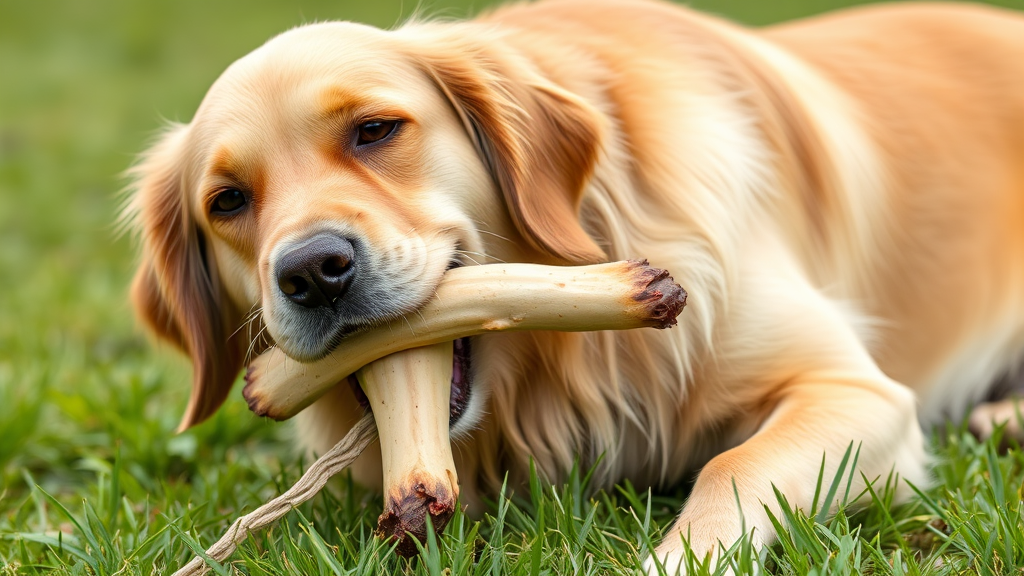
As a devoted pet parent, you want to provide your furry friend with the best possible treats and chew toys. Pig ears have been a popular canine chew for decades, appearing on pet store shelves and in dog treat aisles everywhere. But with increasing awareness about pet nutrition and safety, many dog owners are questioning whether these seemingly innocent treats are actually safe for their beloved companions.
The question “are pig ears safe for dogs” has become increasingly common among responsible pet owners, and for good reason. While these natural chews can offer certain benefits like dental cleaning and mental stimulation, they also come with potential risks that every dog parent should understand. From bacterial contamination concerns to digestive issues and choking hazards, pig ears present a complex safety profile that requires careful consideration.
What Are Pig Ears and How Are They Made?
Pig ears are exactly what their name suggests – the ears of pigs that have been processed into dog treats. These natural chews are typically cleaned, dried, and sometimes smoked or flavored before being packaged for retail sale. The processing methods can vary significantly between manufacturers, which directly impacts both the safety and quality of the final product.
Most pig ears undergo a dehydration process that removes moisture to prevent bacterial growth and extend shelf life. Some manufacturers use heat treatment, while others employ chemical preservatives or smoking techniques. The source of the pig ears also matters significantly – those sourced from USDA-inspected facilities generally undergo more rigorous safety protocols than imported products from countries with less stringent food safety regulations.
Understanding the manufacturing process is crucial because it directly affects the safety profile of pig ears. Products that undergo proper heat treatment and quality control measures are generally safer than those processed in facilities with questionable standards. The FDA regulates pet food safety, but enforcement and standards can vary, making it essential for pet owners to research the brands they choose.
Nutritional Profile of Pig Ears
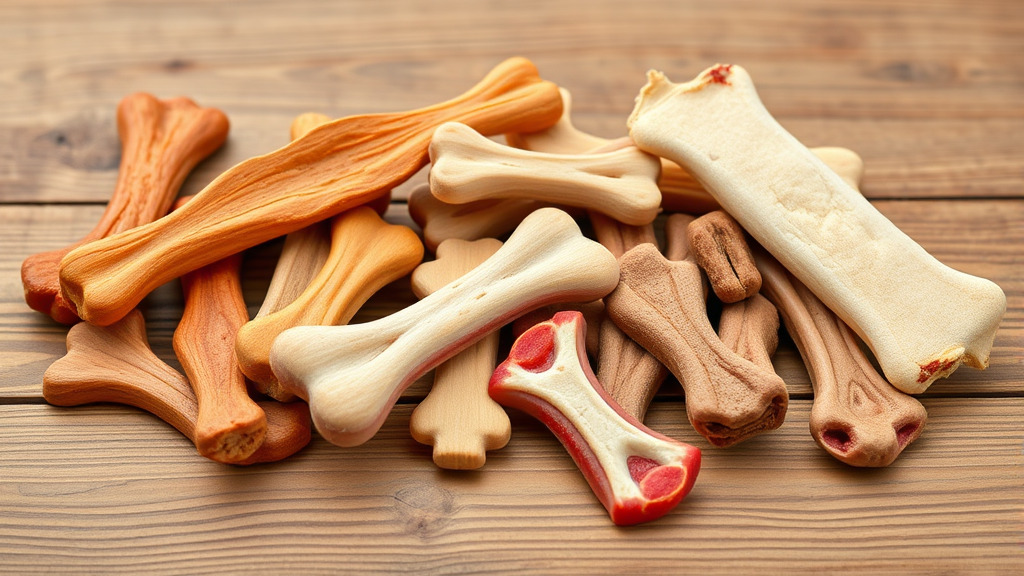
From a nutritional standpoint, pig ears are relatively high in protein and fat while being low in carbohydrates. A typical pig ear contains approximately 69% protein and 22% fat, making it a calorie-dense treat. This high-fat content can be problematic for dogs with sensitive stomachs or those prone to pancreatitis, as excessive fat intake can trigger digestive upset or more serious health complications.
The protein in pig ears is considered complete, containing all essential amino acids that dogs need. However, the biological value isn’t as high as premium protein sources like chicken or fish. Additionally, pig ears contain minimal vitamins and minerals, offering little nutritional value beyond basic macronutrients. The high caloric density means that even small portions can contribute significantly to a dog’s daily caloric intake, potentially leading to weight gain if not properly managed.
Compared to other popular dog treats like bully sticks, pig ears tend to be higher in fat and lower in overall nutritional quality. This nutritional profile makes them more suitable as an occasional treat rather than a regular dietary component.
Potential Benefits of Pig Ears for Dogs
Despite the concerns surrounding pig ears, they do offer some potential benefits when used appropriately. One of the primary advantages is their ability to help maintain dental health through mechanical cleaning action. As dogs chew on pig ears, the texture helps scrape away plaque and tartar buildup from their teeth, promoting better oral hygiene.
The chewing action required to consume pig ears also provides mental stimulation and can help alleviate boredom, particularly for high-energy dogs or those left alone for extended periods. This mental engagement is crucial for preventing destructive behaviors and maintaining overall psychological well-being. For many dogs, the act of chewing is naturally satisfying and stress-relieving.
Pig ears are also relatively affordable compared to other natural chews, making them accessible to pet owners on various budgets. Their natural composition appeals to owners who prefer minimally processed treats over synthetic alternatives. When sourced from reputable manufacturers, pig ears can be a reasonable occasional treat for healthy adult dogs without food sensitivities.
Safety Concerns and Risks
While pig ears may offer some benefits, the safety concerns are significant and cannot be overlooked. The most pressing issues revolve around bacterial contamination, digestive problems, and physical hazards. Understanding these risks is essential for making informed decisions about whether pig ears are appropriate for your specific dog.
The FDA has issued multiple warnings about pig ear treats due to salmonella contamination in various products over the years. These recalls highlight the ongoing challenges in ensuring the safety of these treats throughout the supply chain. Even products that initially test negative for harmful bacteria can become contaminated during storage or handling.
Another significant concern is the potential for choking or intestinal blockage. As pig ears soften during chewing, pieces can break off and be swallowed whole, potentially causing obstructions in the digestive tract. This risk is particularly high for aggressive chewers or dogs who tend to gulp their food and treats without properly chewing.
Bacterial Contamination Risks
Bacterial contamination represents one of the most serious safety concerns associated with pig ears. Salmonella is the most commonly identified pathogen, but other harmful bacteria like E. coli and Listeria have also been found in pig ear products. These bacteria can cause severe illness in both dogs and humans who handle contaminated products.
The risk of contamination is higher in products that haven’t undergone adequate heat treatment or those stored in improper conditions. Moisture, temperature fluctuations, and poor hygiene during processing can all contribute to bacterial growth. Unlike some other dog treats that undergo rigorous pasteurization, many pig ears receive minimal processing that may not eliminate all harmful microorganisms.
Cross-contamination is another significant concern, as bacteria from pig ears can spread to other surfaces, food items, and family members. The CDC has documented cases where human salmonella infections were linked to handling contaminated pet treats, emphasizing the importance of proper hygiene when dealing with these products.
Digestive Issues and Choking Hazards
The high fat content in pig ears can trigger digestive upset in many dogs, particularly those with sensitive stomachs or underlying health conditions. Symptoms can range from mild stomach discomfort to severe diarrhea, vomiting, and in extreme cases, pancreatitis. Dogs with a history of pancreatitis should avoid high-fat treats like pig ears entirely, as they can trigger life-threatening episodes.
Choking hazards present another serious risk, especially for dogs who are aggressive chewers or those who don’t properly chew their food. As pig ears become soft and pliable during chewing, large pieces can break off and become lodged in a dog’s throat or digestive tract. Small dogs are at particularly high risk, as even relatively small pieces can cause complete airway obstruction.
Intestinal blockage is a medical emergency that requires immediate veterinary intervention and often surgery to resolve. Signs of blockage include vomiting, loss of appetite, lethargy, and inability to defecate. Prevention through careful supervision and choosing appropriate-sized treats is far preferable to dealing with these potentially life-threatening complications.
Safer Alternatives to Pig Ears
Fortunately, numerous safer alternatives to pig ears can provide similar benefits without the associated risks. Bully sticks are often considered a superior option, as they’re typically single-ingredient, highly digestible, and undergo more rigorous processing standards. They provide similar dental benefits and mental stimulation while being less likely to cause digestive upset.
For dogs who enjoy the chewing experience, consider alternatives like Nylabones or other synthetic chews designed specifically for dental health. These products are manufactured under strict quality control standards and don’t carry the bacterial contamination risks associated with natural animal products. Dental chews like Greenies are specifically formulated to promote oral health while being safer to digest.
Raw bones from reputable sources can also be a safer alternative, though they require careful selection and supervision. Unlike processed treats, raw bones are less likely to splinter and provide excellent dental benefits. However, cooked bones should always be avoided as they can splinter and cause serious internal injuries.
How to Choose Quality Pig Ears
If you decide that pig ears are appropriate for your dog despite the risks, choosing high-quality products is essential for minimizing potential dangers. Look for pig ears sourced from USDA-inspected facilities and avoid products imported from countries with questionable food safety standards. Domestic products generally undergo more rigorous safety testing and quality control measures.
Read labels carefully and avoid pig ears with artificial preservatives, colors, or flavors. Natural preservation methods like smoking or dehydration are preferable to chemical treatments. Products that list specific processing methods and facility certifications on their packaging are generally more trustworthy than those with vague or missing information.
Consider the size and thickness of pig ears relative to your dog’s size and chewing habits. Thicker ears may last longer but can pose greater choking risks for smaller dogs. Conversely, thin ears may be consumed too quickly, reducing their dental benefits and increasing the risk of digestive upset from rapid consumption.
Safe Feeding Guidelines and Best Practices
If you choose to give your dog pig ears, following proper safety guidelines is crucial for minimizing risks. Always supervise your dog while they’re chewing pig ears, and remove any small pieces that break off to prevent choking or swallowing hazards. Never leave your dog unattended with any chew treat, especially one as potentially problematic as pig ears.
Limit pig ear consumption to occasional treats rather than regular dietary components. Due to their high fat and calorie content, frequent consumption can lead to weight gain and digestive issues. For most dogs, one pig ear per week is more than sufficient, and some dogs may need even less frequent access depending on their size and dietary needs.
Store pig ears in a cool, dry place and check expiration dates regularly. Discard any pig ears that show signs of mold, unusual odor, or texture changes. Wash your hands thoroughly after handling pig ears, and clean any surfaces that come into contact with the treats to prevent cross-contamination.
Consider your dog’s individual health status and risk factors before offering pig ears. Dogs with sensitive stomachs, pancreatitis history, food allergies, or aggressive chewing behaviors may not be good candidates for these treats. When in doubt, consult with your veterinarian about whether pig ears are appropriate for your specific dog. They may recommend safer alternatives like traditional dog biscuits or other treats better suited to your pet’s needs.
For dogs who do tolerate pig ears well, introduce them gradually and monitor for any adverse reactions. Start with small pieces and observe your dog for signs of digestive upset, allergic reactions, or difficulty chewing. The American Veterinary Medical Association recommends always introducing new treats slowly and monitoring pets closely for any changes in behavior or health.
Remember that while some dogs may enjoy pig ears without problems, others may experience severe complications. The decision to include pig ears in your dog’s treat rotation should be based on careful consideration of your pet’s individual needs, health status, and risk tolerance. Regular veterinary check-ups can help ensure that your dog’s diet and treat choices are supporting their overall health and well-being.
Frequently Asked Questions
Are pig ears safe for puppies?
Pig ears are generally not recommended for puppies due to several safety concerns. Young dogs have more sensitive digestive systems and are at higher risk for bacterial infections. Additionally, puppies are more likely to swallow large pieces without proper chewing, increasing choking and blockage risks. Most veterinarians recommend waiting until dogs are at least 6 months old and have their adult teeth before introducing any hard chews. Even then, softer alternatives designed specifically for puppies are usually safer options.
How often can I give my dog pig ears?
Pig ears should be given sparingly as occasional treats, not regular dietary components. Due to their high fat content and potential safety risks, most veterinarians recommend limiting pig ears to once per week or less for healthy adult dogs. Dogs with sensitive stomachs, weight issues, or previous pancreatitis should avoid pig ears entirely. Always account for the calories from pig ears in your dog’s daily intake to prevent weight gain.
What should I do if my dog gets sick after eating a pig ear?
If your dog shows signs of illness after consuming a pig ear, contact your veterinarian immediately. Symptoms to watch for include vomiting, diarrhea, lethargy, loss of appetite, excessive drooling, or difficulty swallowing. These could indicate bacterial infection, digestive upset, or potential blockage. Don’t wait to see if symptoms resolve on their own, as some conditions can quickly become life-threatening. Keep the packaging from the pig ear to help your vet identify potential contaminants or allergens.
Are there any dogs that should never eat pig ears?
Several categories of dogs should avoid pig ears entirely. These include dogs with a history of pancreatitis, sensitive stomachs, food allergies to pork, or those prone to aggressive chewing and swallowing large pieces. Senior dogs with compromised immune systems, puppies under 6 months, and dogs with dental issues should also avoid pig ears. Additionally, dogs on restricted diets for weight management may not be good candidates due to the high calorie content.
How can I tell if a pig ear has gone bad?
Signs that a pig ear has spoiled include unusual odors (sour, rancid, or overly strong smells), visible mold growth, changes in texture (excessive softness or sliminess), or discoloration. Fresh pig ears should have a natural, slightly smoky smell if they’ve been processed that way, and should feel firm but not brittle. If you notice any of these warning signs, discard the pig ear immediately and don’t give it to your dog. Always check expiration dates and store pig ears according to package instructions.
Are pig ears from certain countries safer than others?
Generally, pig ears produced in countries with strict food safety regulations, such as the United States, Canada, Australia, and European Union countries, tend to be safer than those from countries with less stringent standards. The FDA maintains import safety standards, but enforcement can vary. Always look for products from USDA-inspected facilities when possible, and avoid products from manufacturers with histories of recalls or safety violations.
Can pig ears cause allergic reactions in dogs?
Yes, some dogs can develop allergic reactions to pig ears, particularly if they have sensitivities to pork or specific proteins. Symptoms of food allergies in dogs include itching, skin irritation, ear infections, digestive upset, or respiratory issues. Dogs with known food allergies should avoid pig ears unless specifically approved by a veterinarian. If you suspect your dog is having an allergic reaction to pig ears, discontinue use immediately and consult your veterinarian for proper diagnosis and treatment.





