
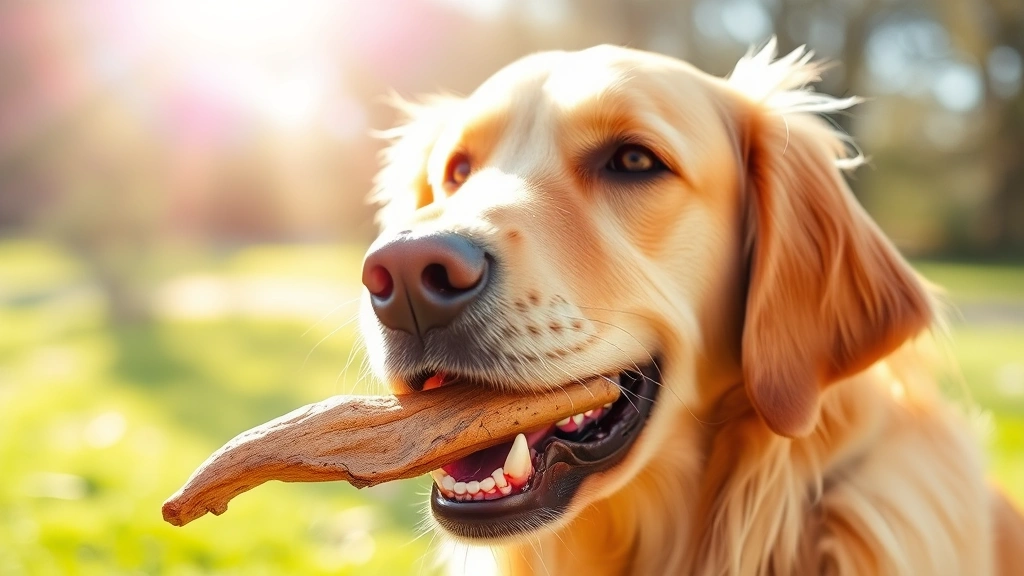
Are Pig Ears Good for Dogs? What Experts Say
If you’ve ever walked down the pet treat aisle at your local store, you’ve probably spotted pig ears prominently displayed among the chew options. These curly, crispy treats have become increasingly popular with dog owners looking for natural alternatives to processed snacks. But the question many pet parents ask is: are pig ears actually good for dogs, or are they just another trendy treat that sounds better than it really is?
The truth is, pig ears occupy an interesting middle ground in the world of dog treats. They’re not inherently dangerous, but they’re not exactly a nutritional powerhouse either. Understanding what makes them appealing to dogs, their potential benefits, and the risks involved will help you make an informed decision about whether they’re right for your furry friend.
In this comprehensive guide, we’ll break down everything you need to know about pig ears for dogs, including what veterinarians and pet nutrition experts have to say about them.
What Are Pig Ears for Dogs?
Pig ears are exactly what they sound like—the ears of pigs, typically dried and sometimes smoked or flavored to make them more appealing to dogs. They’ve been used as dog treats for decades, though their popularity has surged in recent years as pet owners have sought out “natural” and “whole food” alternatives to synthetic chews.
These treats come in various forms. Some are simply dried with minimal processing, while others are smoked, roasted, or flavored with ingredients like peanut butter or bacon. The texture is typically chewy on the inside with a crispier exterior, making them engaging for dogs to work through.
The appeal is straightforward: dogs find them delicious, they’re relatively inexpensive, and they provide extended chewing time—a factor many dog owners value for keeping their pets mentally stimulated and entertained.
Nutritional Value and Benefits
Let’s start with what pig ears actually offer nutritionally. A typical pig ear contains approximately 90 calories and is composed primarily of fat and protein, with very little carbohydrates or fiber. The protein content ranges from about 10-15 grams per ear, depending on size and processing method.
From a pure nutritional standpoint, pig ears aren’t particularly impressive. They’re high in fat—often containing 15-20 grams per treat—which can be problematic for dogs with certain health conditions. The protein-to-calorie ratio isn’t exceptional compared to other treats, and they lack significant vitamin or mineral content.
However, there are some potential benefits worth noting:
- Mental Stimulation: The act of chewing provides cognitive engagement and can help reduce anxiety and boredom in dogs. Pig ears are good for dogs primarily because they encourage this natural chewing behavior.
- Dental Activity: While not as effective as proper dental chews designed specifically for oral health, the chewing action may provide some mild dental benefits by helping to remove surface debris.
- Natural Ingredients: If sourced from reputable suppliers, pig ears are minimally processed and contain no artificial additives, which appeals to health-conscious pet owners.
- Palatability: Most dogs genuinely enjoy them, which means they’re effective as occasional rewards or training treats.
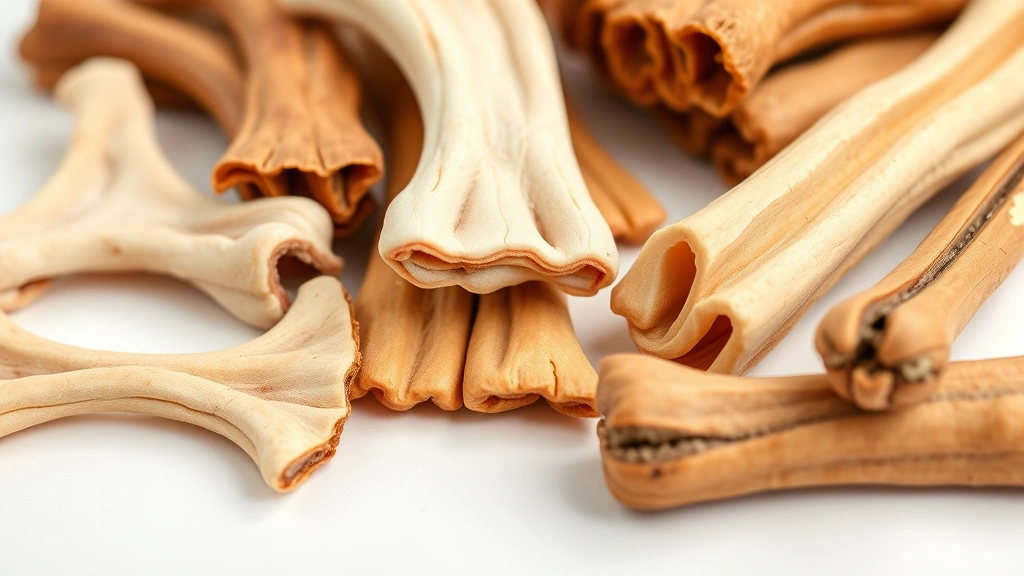
Safety Concerns and Risks
Before you add pig ears to your dog’s treat rotation, it’s important to understand the legitimate safety concerns that veterinarians have raised about them.
Choking and Blockage Hazards
The most significant risk associated with pig ears is the potential for choking or intestinal blockage. Unlike treats that are designed to break down easily, pig ears can become lodged in a dog’s throat or esophagus, particularly in enthusiastic eaters or dogs who don’t chew thoroughly before swallowing. Additionally, large pieces that are swallowed can potentially cause intestinal obstruction, which is a serious medical emergency requiring surgery.
Bacterial Contamination
A 2019 study published in Veterinary Record examined the bacterial contamination of various pet treats, including pig ears. The research found that pig ears safe for dogs depends heavily on manufacturing and storage conditions, as some samples tested positive for harmful bacteria including Salmonella and E. coli. While the risk to healthy adult dogs is relatively low, immunocompromised dogs, puppies, and senior dogs are at higher risk of illness from contaminated treats.
High Fat Content
Pig ears are extremely fatty treats. For dogs prone to pancreatitis or those with digestive sensitivities, the high fat content can trigger serious health issues. Pancreatitis in dogs is painful and potentially life-threatening, and dietary fat is a known trigger for susceptible individuals.
Digestive Upset
Many dogs experience vomiting or diarrhea after consuming pig ears, particularly if they’re not accustomed to high-fat treats. The rich nature of the treat can overwhelm sensitive digestive systems.
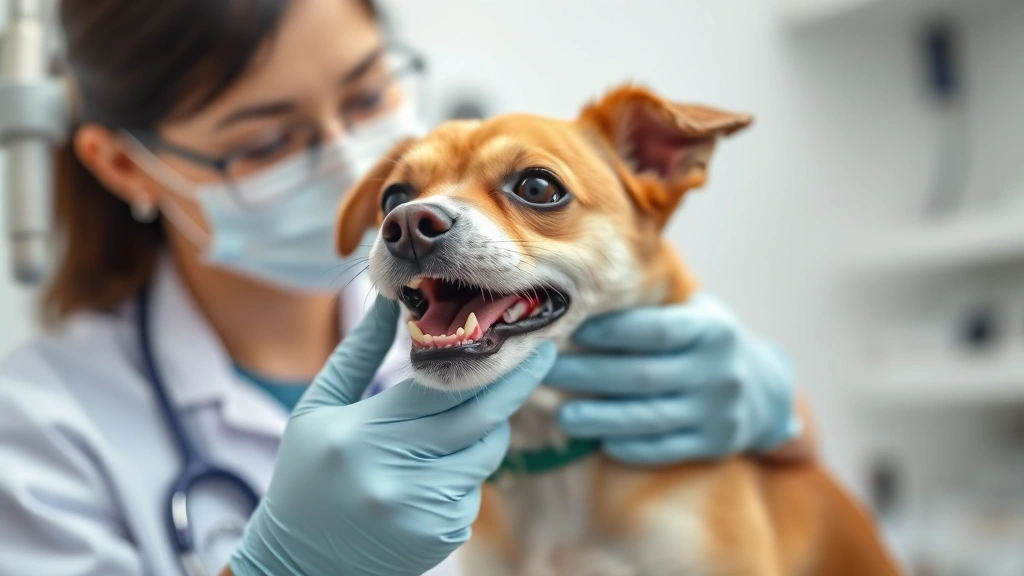
How Pig Ears Compare to Other Treats
To put things in perspective, let’s compare pig ears to other popular dog chew options.
Versus Bully Sticks
If you’re wondering about alternatives, bully sticks safe for dogs offer similar chewing satisfaction with some advantages. Bully sticks are made from beef muscle and are fully digestible, meaning pieces that are swallowed break down in the stomach. They also have lower fat content than pig ears, though they’re higher in calories. Bully sticks are generally considered safer for most dogs, though they do come with their own considerations.
Versus Rawhide
Many pet owners are moving away from rawhide due to safety concerns. When comparing options, you might ask: is rawhide bad for dogs? The answer is yes, for several reasons. Rawhide is heavily processed, often bleached, and poses similar choking and blockage risks as pig ears, while offering even less nutritional value. Pig ears are actually a better choice than rawhide when you’re forced to pick between them.
Versus Dental Chews
Products like Greenies good for dogs are specifically formulated to promote dental health and are designed to break down during digestion. They’re generally safer than pig ears and provide actual dental benefits, though they’re more processed and contain additives.
Versus Raw Meaty Bones
Some advocates of raw feeding suggest raw meaty bones as a natural alternative. These can be beneficial for dental health and provide mental stimulation, but they come with their own risks including bacterial contamination and potential choking hazards. The key difference is that raw bones are edible and digestible, whereas pig ears are more challenging for the digestive system to process.
How to Choose and Serve Pig Ears Safely
If you’ve decided that pig ears are appropriate for your dog, here are evidence-based guidelines for choosing and serving them safely:
Selection Tips
- Source Matters: Purchase from reputable manufacturers with strong quality control standards. Look for products from companies that conduct regular safety testing.
- Check Origin: Pig ears sourced from the United States or Europe generally have stricter manufacturing standards than those from other regions.
- Avoid Heavily Processed Versions: Skip heavily smoked, flavored, or chemically-treated pig ears. The simpler the processing, the fewer potential contaminants.
- Storage: Keep pig ears in cool, dry conditions. If you notice any off smell or discoloration, discard them.
Serving Guidelines
- Supervise Always: Never leave your dog alone with a pig ear. Watch for signs of choking or distress.
- Size Appropriateness: Choose appropriately sized ears for your dog. Large dogs should have larger ears, small dogs smaller ones.
- Limit Frequency: Treat pig ears as an occasional treat, not a daily staple. Once or twice weekly is reasonable for most dogs.
- Monitor Intake: If your dog has a history of digestive issues, start with very small pieces to assess tolerance.
- Remove When Small: Once a pig ear becomes small enough to pose a choking hazard, remove it and don’t allow your dog to swallow it.
- Health Considerations: Avoid giving pig ears to dogs with pancreatitis, obesity, digestive sensitivities, or compromised immune systems.
Signs of Problems
Contact your veterinarian immediately if your dog experiences vomiting, diarrhea lasting more than 24 hours, abdominal pain, loss of appetite, or any signs of choking after consuming a pig ear.
Better Alternatives to Consider
If you’re looking for treats that offer similar satisfaction with fewer risks, consider these alternatives:
Edible Chews
- Yak Chews: These Himalayan cheese chews are long-lasting, fully digestible, and lower in fat than pig ears.
- Bully Sticks: As mentioned, these are fully digestible beef treats that are safer than pig ears for most dogs.
- Dental Chews: Products specifically formulated for oral health are designed with safety in mind.
Natural Alternatives
- Carrots: Fresh carrots provide natural chewing satisfaction, are low in calories, and actually help clean teeth.
- Apples: Remove seeds and serve in moderation for a refreshing, low-calorie chew option.
- Kong Toys: Stuff with appropriate foods for extended mental stimulation without the safety concerns of single-ingredient treats.
Health-Specific Options
If your dog has specific health concerns like allergies, you might explore what you can give your dog for allergies as a starting point for finding appropriate treats. Many dogs with sensitivities do better with simple, whole-food treats or specifically formulated hypoallergenic options.
Frequently Asked Questions
Are pig ears safe for puppies?
No, pig ears are generally not recommended for puppies. Young dogs have developing digestive systems and are more prone to choking hazards. Additionally, the high fat content can cause digestive upset in puppies. Wait until your dog is at least one year old and fully grown before considering pig ears, and even then, exercise caution.
Can pig ears cause pancreatitis in dogs?
Pig ears are very high in fat, and dietary fat is a known trigger for pancreatitis in susceptible dogs. If your dog has any history of pancreatitis, digestive issues, or obesity, you should absolutely avoid pig ears. Even in healthy dogs, the high fat content makes them an occasional treat at best, not a regular food item.
How long do pig ears last?
The duration depends on your dog’s size and chewing intensity. A large, aggressive chewer might consume a pig ear in 15-30 minutes, while a smaller dog might spend an hour or more with it. This extended chewing time is one reason they’re appealing to owners, but it also increases the risk of swallowing large pieces that could cause blockages.
Should I be worried about the smell?
Pig ears definitely have a strong, distinctive smell that many pet owners find unpleasant. While the smell itself isn’t necessarily an indicator of safety, if a pig ear smells rancid or off, it should be discarded. The natural smell of pig ears is simply a characteristic of the product and doesn’t indicate a problem, though you might want to give them to your dog outside to contain the aroma.
Are there any health benefits to pig ears?
The primary benefit is mental stimulation and extended chewing time, which can help reduce anxiety and boredom. They’re also a source of protein and collagen. However, these benefits aren’t unique to pig ears—many other treats offer similar advantages with fewer risks. From a nutritional standpoint, pig ears aren’t particularly impressive compared to whole-food alternatives.
What’s the difference between smoked and unsmoked pig ears?
Smoked pig ears have been treated with heat and smoke, which can make them more palatable to dogs and may help preserve them. However, smoking can also increase the fat content slightly and may introduce additional compounds. Unsmoked pig ears are more natural but may be less appealing to some dogs. Neither is significantly safer than the other, though unsmoked versions with minimal processing are generally preferable.
Can senior dogs have pig ears?
Senior dogs can technically have pig ears, but there are considerations. Older dogs often have compromised immune systems, making them more vulnerable to bacterial contamination. They may also have dental issues that make chewing difficult or dangerous. Additionally, senior dogs are more prone to pancreatitis and digestive issues, making the high fat content particularly problematic. If you give pig ears to a senior dog, do so sparingly and with close supervision.
What should I do if my dog swallows a large piece of pig ear?
Monitor your dog closely for the next 24-48 hours. Signs of intestinal blockage include vomiting, loss of appetite, abdominal pain, lethargy, or constipation followed by diarrhea. If you notice any of these symptoms, contact your veterinarian immediately. Don’t wait to see if it resolves on its own—intestinal blockage is a medical emergency that often requires surgical intervention.





