
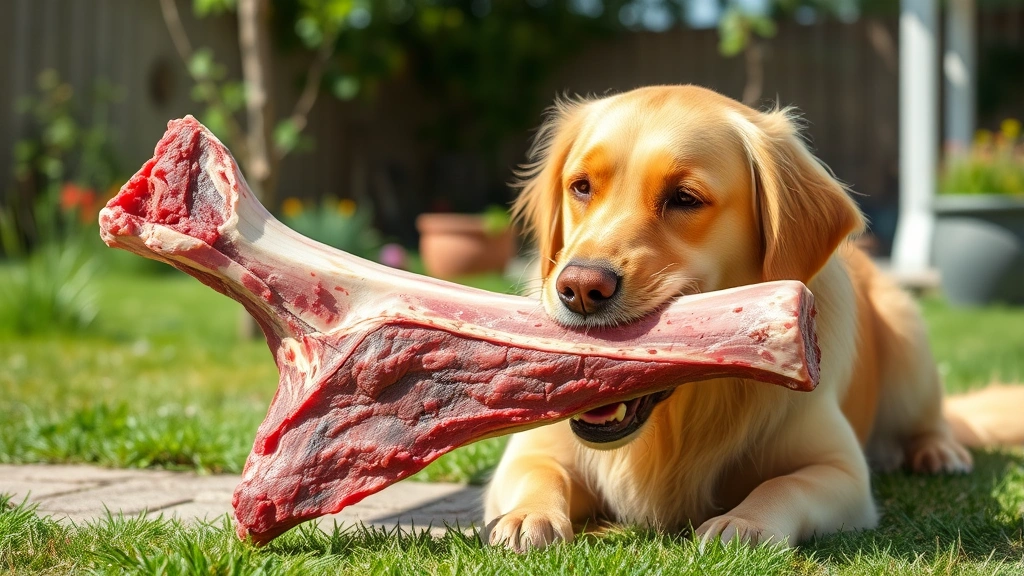
Are Pork Bones Safe for Dogs? What Vets Advise
One of the most common questions pet owners ask is whether it’s safe to give their dogs pork bones. Whether you’re planning to share leftovers from dinner or considering pork bones as a treat, understanding the risks and benefits is essential for your dog’s health and safety. The answer isn’t a simple yes or no—it depends on several factors including the type of bone, how it’s prepared, and your individual dog’s health status.
As a responsible dog owner, you want to make informed decisions about what goes into your furry friend’s mouth. Pork bones can present unique challenges compared to other types of bones, and veterinarians have specific recommendations about feeding them to dogs. This comprehensive guide will walk you through everything you need to know about pork bones and canine safety, backed by expert advice and practical tips.
Understanding the distinction between different bone types and preparation methods is crucial. What might seem like a harmless treat could potentially cause serious health complications if you’re not careful. Let’s explore this topic in depth so you can make the best decision for your beloved pet.
Types of Pork Bones and Their Risks
Pork bones come in various forms, and each presents different levels of risk to your dog. Understanding these distinctions helps you make safer choices for your pet. The most common types you might encounter include rib bones, leg bones, chop bones, and bones from pork shoulders. Each has unique characteristics that affect how dangerous they might be when your dog chews on them.
Pork rib bones are particularly concerning because they’re small, thin, and prone to splintering into sharp fragments. When a dog chews on these bones, they can easily break apart into pieces that might become lodged in the throat or cause internal injuries. Pork chop bones, which still have meat attached, might seem appealing to dogs, but the bone structure makes them risky as well. These bones are typically softer than beef bones but harder than chicken bones, creating an unpredictable texture when subjected to aggressive chewing.
Pork leg bones are larger and denser, which means they’re less likely to splinter immediately. However, they can still pose risks if your dog is an aggressive chewer or has a tendency to swallow large chunks without properly breaking them down. The size of these bones also matters—what might be manageable for a large breed could be dangerous for a small dog. Additionally, pork bones often have a high fat content, which can lead to digestive issues regardless of the bone type.
It’s worth noting that the risk increases significantly when bones are cooked, as the heat changes their structural integrity. Many people don’t realize that the preparation method dramatically affects safety. This is why comparing pork bones to chicken bones and ham bones is helpful—each type has distinct characteristics that influence whether they’re appropriate for canine consumption.
Cooked Versus Raw Pork Bones
The cooking process fundamentally changes how pork bones behave when chewed. Cooked pork bones are significantly more dangerous than raw ones, and this is one of the most important distinctions veterinarians emphasize. When bones are cooked, the heat removes moisture, making them brittle and prone to splintering into sharp, dangerous fragments. These splinters can cause serious injuries to your dog’s mouth, throat, and digestive system.
Raw pork bones, by contrast, maintain more flexibility and are less likely to splinter into dangerous shards. However, raw bones come with their own set of concerns. Raw pork can potentially harbor bacteria like Salmonella or E. coli, which can affect both your dog and your family through cross-contamination. If you’re considering raw pork bones, sourcing them from reputable suppliers and handling them with proper food safety practices is essential.
Most veterinarians strongly advise against giving your dog any cooked pork bones, period. The risks simply outweigh any potential benefits. When bones are boiled, baked, grilled, or smoked, they become hazardous. This is why leftover pork bones from your dinner table should never end up in your dog’s bowl. Even bones that seem soft enough to break by hand can become dangerous once your dog’s powerful jaws start working on them.
The general consensus among veterinary professionals is that if you want to give your dog bones, they should be raw, meaty bones from trusted sources. However, even raw bones require supervision and careful consideration of your dog’s individual health status and chewing habits. Understanding the broader category of what dogs can eat when it comes to bones provides additional context for making safe choices.
Potential Health Risks for Dogs
Feeding pork bones to dogs carries several potential health risks that every pet owner should understand. These risks range from minor digestive upset to life-threatening emergencies, making it crucial to weigh the decision carefully. The severity of complications often depends on the individual dog, the type of bone, and how much supervision occurs during chewing.
One of the most common issues is gastrointestinal obstruction. When dogs chew on bones, they may swallow chunks that are too large to pass through their digestive system. Pork bones, particularly cooked ones, can break into fragments that accumulate in the intestines or stomach, causing a blockage. Symptoms of obstruction include vomiting, loss of appetite, abdominal pain, and constipation. This condition often requires surgical intervention and can be life-threatening if not treated promptly.
Bone splinters present another serious concern. Sharp fragments can perforate the mouth, throat, or digestive tract, causing bleeding and infection. Even small splinters can cause significant damage. Your dog might experience difficulty eating, excessive drooling, or visible blood in their mouth or stool. Internal perforations are particularly dangerous because they’re not immediately visible but can lead to peritonitis, a life-threatening infection.
Pancreatitis is another risk associated with pork bones, particularly because pork is naturally high in fat. When dogs consume high-fat foods, it can trigger inflammation of the pancreas. This condition causes severe abdominal pain, vomiting, and diarrhea. Some dogs are more predisposed to pancreatitis than others, especially older dogs or those with certain health conditions.
Dental problems can also result from chewing on hard bones. Dogs may crack or fracture their teeth, which can be painful and expensive to treat. Additionally, bone fragments can become lodged between teeth or under the gum line, leading to infections or tooth decay. Choking is perhaps the most immediately terrifying risk—if your dog doesn’t chew thoroughly before swallowing, a bone piece could lodge in the airway. Knowing what to do if your dog is choking could literally save your pet’s life.
What Veterinarians Recommend
The veterinary consensus on pork bones is quite clear: they should generally be avoided. The American Veterinary Medical Association advises caution with all bone feeding, and most veterinarians specifically recommend against pork bones due to the risks discussed above. However, veterinarians recognize that some pet owners want to give their dogs bones, so they’ve developed guidelines for doing so as safely as possible.
If you insist on giving your dog pork bones despite the recommendations, veterinarians suggest several precautions. First, choose raw bones over cooked ones without exception. Second, supervise your dog at all times while they’re chewing. Never leave a dog alone with a bone, as this is when accidents most commonly occur. Third, select appropriately sized bones for your dog—larger dogs can handle bigger bones, but small breed dogs should avoid pork bones altogether.
Veterinarians also recommend removing the bone after 15-20 minutes of chewing to prevent your dog from consuming too much. This reduces the risk of obstruction and other complications. Additionally, ensure your dog is in good health before giving bones. Dogs with compromised immune systems, dental disease, or digestive issues should never receive pork bones. Puppies and senior dogs are also at higher risk for complications.
Many veterinarians suggest that their clients consider safer alternatives instead. The ASPCA also cautions pet owners about bone feeding and recommends discussing it with their veterinarian first. Rather than taking risks with pork bones, vets often recommend commercially available chew products that are specifically designed for safety. These alternatives provide similar satisfaction and mental stimulation without the inherent dangers.
Your veterinarian can provide personalized recommendations based on your dog’s age, size, health status, and chewing habits. Some dogs are simply more prone to swallowing without chewing thoroughly, making them higher-risk candidates for any bone feeding. Having an open conversation with your vet about your intentions helps them guide you toward the safest choices for your specific pet.
Safe Alternatives to Pork Bones
If you’re looking to provide your dog with satisfying chew options without the risks associated with pork bones, numerous safe alternatives exist. These alternatives can provide similar mental enrichment and satisfy your dog’s natural urge to chew while minimizing health risks. Exploring these options helps you find activities your dog will love without compromising their safety.
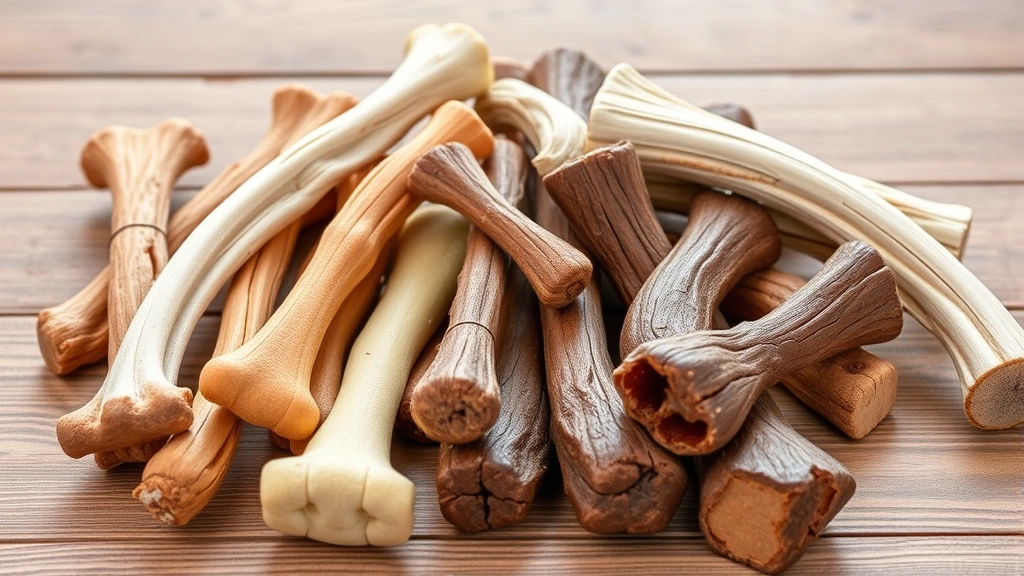
One popular alternative is bully sticks, which are made from beef and are much safer than bones. These chews are digestible, long-lasting, and provide excellent mental stimulation. They’re available in various sizes to suit different dog breeds, and most dogs find them highly appealing. Bully sticks are less likely to cause blockages or splinter into dangerous fragments compared to pork bones.
Dental chews are another excellent option, particularly if you want to support your dog’s oral health while providing a satisfying chew. Many dental chews are formulated to reduce plaque and tartar buildup while being safe to consume. These come in various flavors and textures that dogs typically enjoy.
Raw meaty bones from reputable sources, particularly beef knuckles or marrow bones, are considered safer by many veterinarians than pork bones. However, these still require supervision and careful selection. Alternatively, you might consider frozen treats, Kong toys filled with peanut butter or pumpkin, or puzzle toys that provide mental stimulation without the choking hazards.
Carrots and apple slices (without seeds) can provide satisfying chewing experiences for some dogs while also being low-calorie treats. These natural options are safe and can help clean teeth naturally. For dogs prone to digestive issues, you might explore what you can give your dog for upset stomach to understand which treats work best for sensitive digestive systems.
Antler chews and yak cheese chews are increasingly popular alternatives that many dogs find satisfying. These products are specifically designed for dogs and are formulated to be safe and digestible. They’re often longer-lasting than many other options, providing extended chewing satisfaction.
When to Seek Emergency Care
Knowing the warning signs that your dog needs immediate veterinary attention is crucial if they’ve consumed pork bones. Certain symptoms indicate serious complications that require emergency care. Don’t wait or hope these signs will resolve on their own—when in doubt, contact your veterinarian or emergency animal hospital immediately.
Persistent vomiting is one of the most serious warning signs. If your dog vomits repeatedly after consuming pork bones, this could indicate obstruction or internal injury. Similarly, loss of appetite lasting more than a few hours warrants veterinary evaluation. Your dog might refuse food because they’re experiencing pain or because something is blocking their digestive tract.
Abdominal pain is another critical sign. If your dog is whimpering, assuming a prayer position (front end down, rear end up), or showing reluctance to move, they may have a serious internal problem. Constipation combined with lethargy can indicate an obstruction forming. Visible blood in stool or vomit is always an emergency requiring immediate attention.
Difficulty swallowing, excessive drooling, or visible struggling to breathe could indicate choking or internal injury to the throat or esophagus. These symptoms demand immediate emergency care. Additionally, sudden behavioral changes like extreme restlessness, anxiety, or unusual letharness following pork bone consumption should be evaluated by a veterinarian.
Fever can indicate infection from a perforated bowel, which is a life-threatening condition. If your dog’s temperature is elevated and they’re showing other signs of illness, seek emergency care immediately. The University of Wisconsin School of Veterinary Medicine provides excellent resources on recognizing pet emergencies and when to seek immediate care.
When you contact your veterinarian or emergency clinic, provide specific information about what your dog consumed, when they consumed it, and what symptoms you’ve observed. This information helps the veterinarian make a faster diagnosis and determine the best treatment approach. Don’t hesitate to seek care even if you’re not entirely sure something is wrong—it’s always better to be safe when your dog’s health is at stake.
Frequently Asked Questions
Can my dog get sick from eating a small piece of cooked pork bone?
While a small piece might not cause immediate problems, cooked pork bones are inherently risky. Even small fragments can splinter and cause internal injuries. The risk increases with the amount consumed and your dog’s individual susceptibility. Monitor your dog closely for the next 48-72 hours for any signs of distress. If symptoms develop, contact your veterinarian immediately. It’s best to prevent this situation entirely by never offering cooked pork bones.
Are raw pork bones safer than cooked ones?
Yes, raw pork bones are significantly safer than cooked ones because they’re less likely to splinter dangerously. However, raw pork does carry the risk of bacterial contamination like Salmonella. Additionally, raw pork bones still present risks of obstruction, choking, and digestive upset. Most veterinarians still recommend avoiding pork bones altogether, whether raw or cooked, in favor of safer alternatives.
What size pork bones are safest for large breed dogs?
While larger bones are less likely to be swallowed whole, no size of pork bone is truly safe. Even large pork bones can splinter or break into dangerous fragments. Large breed dogs are more capable of handling larger items, but this doesn’t make pork bones a good choice. Safer alternatives specifically designed for large dogs provide similar satisfaction without the risks.
How long does it take for bone obstruction symptoms to appear?
Symptoms of bone obstruction can appear within hours or may develop over several days. Some dogs show immediate signs like vomiting, while others develop symptoms more gradually as the blockage forms. This unpredictability is one reason why pork bones are so risky. Partial blockages might cause intermittent symptoms that confuse owners about the severity of the situation.
Should I induce vomiting if my dog swallows a pork bone?
Do not attempt to induce vomiting without veterinary guidance. In some cases, inducing vomiting can cause more damage, particularly if a sharp bone fragment is involved. Contact your veterinarian or emergency clinic immediately instead. They can determine whether inducing vomiting is appropriate for your dog’s specific situation or if other interventions are necessary.
Are there any health benefits to giving dogs pork bones?
While bones do provide some calcium and phosphorus, these nutrients are better obtained through balanced commercial dog foods or supplements recommended by your veterinarian. The satisfaction dogs get from chewing can be replicated through safer alternatives. The potential health risks of pork bones far outweigh any minimal nutritional benefits they might provide.
Can puppies have pork bones?
Puppies should absolutely not have pork bones. Their digestive systems are still developing, and they’re more prone to choking and obstruction. Additionally, puppies often don’t chew carefully before swallowing, significantly increasing risks. Wait until your dog is fully grown before considering any bone feeding, and even then, safer alternatives are preferable.





