
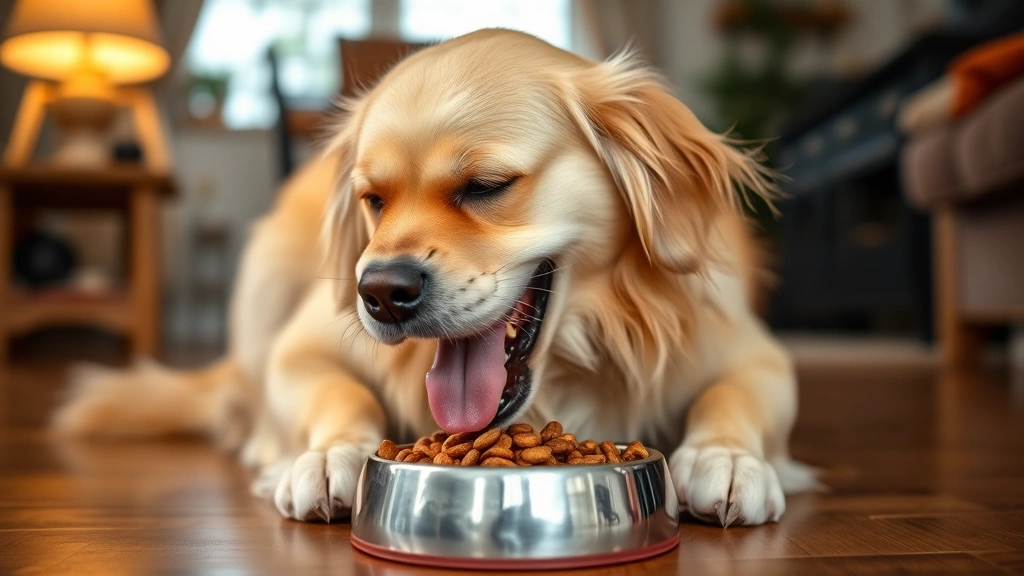
Are Potatoes in Dog Food Bad? What Experts Say
If you’ve ever scrolled through your dog’s food ingredient list and spotted potatoes lurking there, you might have wondered: is that actually okay? The potato debate in the dog food world is hotter than a freshly baked spud, with pet parents and veterinarians weighing in from all sides. Some swear potatoes are a nutritious carbohydrate source, while others claim they’re nothing but filler causing everything from weight gain to mysterious health issues.
Here’s the truth: potatoes in dog food aren’t inherently “bad,” but they’re not exactly a superfood either. The answer, like most things in pet nutrition, is more nuanced than a simple yes or no. What matters most is how much potato your pup is getting, what form it’s in, and whether it’s part of a balanced diet with quality proteins and essential nutrients.
Let’s dig into what the experts actually say about potatoes in commercial dog food and whether you should be concerned about what’s in your dog’s bowl.
Understanding Potatoes as a Dog Food Ingredient
Potatoes have become increasingly common in dog food formulations over the past couple of decades, particularly in premium and grain-free brands. Manufacturers love them because they’re affordable, readily available, and serve as an excellent carbohydrate and binding agent. But popularity doesn’t automatically equal quality or necessity.
When you see “potatoes” or “potato starch” on a dog food label, you’re looking at a source of carbohydrates that provides energy. Dogs, unlike cats, can actually digest carbohydrates fairly well, so having some carbs in their diet isn’t problematic. The real question is whether potatoes should be the primary ingredient or just a minor component.
Most commercial dog foods that include potatoes use them in processed forms—dehydrated, ground, or as starch. This processing changes their nutritional profile and digestibility compared to whole, cooked potatoes you might prepare at home. Understanding this distinction is crucial when evaluating whether your dog’s food is genuinely nutritious or just filling.
When exploring potato content in dog foods, it’s helpful to understand whether potatoes are actually good for dogs in general. This broader context helps you make informed decisions about your pet’s diet.
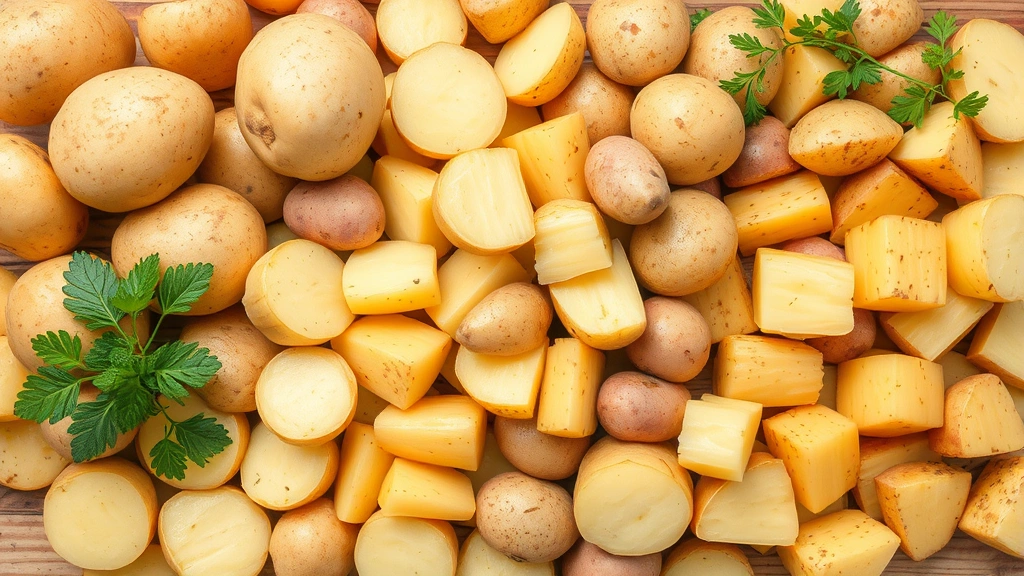
The Nutritional Profile of Potatoes
Let’s break down what potatoes actually offer nutritionally. A medium-sized potato (with skin) contains approximately 17 grams of carbohydrates, 2 grams of protein, minimal fat, and about 2 grams of fiber. They also provide vitamin B6, vitamin C, potassium, and manganese—nutrients that do have some value for dogs.
However, here’s where it gets interesting: potatoes are relatively low in protein compared to meat-based ingredients. Dogs are facultative carnivores, meaning while they can eat and digest plant-based foods, they thrive on protein-rich diets with meat as the primary ingredient. When potatoes take up significant space in the ingredient list, that’s less room for muscle-building proteins that dogs actually need.
The glycemic index (GI) of potatoes is also worth considering. Regular potatoes have a relatively high GI, meaning they can cause a quick spike in blood sugar. For dogs with weight management concerns or metabolic issues, this could be problematic. Sweet potatoes, by contrast, have a lower GI and are often considered a more nutritious carbohydrate choice.
According to the Association of American Feed Control Officials (AAFCO), dog food must meet specific nutritional standards regardless of whether potatoes are the primary carbohydrate source. This means a food heavy in potatoes can still be “complete and balanced”—but that doesn’t mean it’s optimal for your individual dog.
Raw Potatoes vs. Cooked Potatoes in Dog Food
This is a critical distinction that often gets overlooked. Raw potatoes contain compounds called alkaloids, including solanine, which can be toxic to dogs in large quantities. This is why you should never feed your dog raw potatoes—even a little bit could cause gastrointestinal upset.
However, the potatoes used in commercial dog food are processed and cooked, which significantly reduces or eliminates these harmful compounds. The heating process breaks down the alkaloids, making the potatoes safe for consumption. This is one area where commercial processing actually works in your dog’s favor.
If you’re considering giving your dog cooked potatoes, plain boiled or baked potatoes without added salt, butter, or seasonings are perfectly safe. Many owners do this as an occasional treat or dietary supplement. The key is moderation and proper preparation.
It’s also worth noting that mashed potatoes can be fine for dogs, provided they’re made without garlic, onions, or excessive salt. These additions can be harmful, so always prepare dog-friendly versions separately from your family meal.

Potential Health Concerns
Several health concerns have been raised regarding potatoes in commercial dog food, though it’s important to separate fact from fear-mongering. Let’s examine the legitimate concerns:
- Weight Gain: Potatoes are calorie-dense and can contribute to obesity if fed excessively. Dogs with sedentary lifestyles or weight management needs might struggle with potato-heavy foods.
- Digestive Issues: Some dogs have sensitivities to potatoes that can cause diarrhea or other gastrointestinal problems. This isn’t universal but does affect some individuals.
- Allergic Reactions: Though rare, potato allergies in dogs do exist. Signs include itching, skin irritation, or gastrointestinal upset.
- Blood Sugar Spikes: The high glycemic index of regular potatoes can be problematic for diabetic dogs or those prone to metabolic issues.
- Nutrient Imbalance: When potatoes comprise too much of the formula, essential nutrients from meat sources might be insufficient.
One concern that has gained significant media attention is the potential link between potato-heavy, grain-free diets and dilated cardiomyopathy (DCM) in dogs. The FDA has been investigating this connection, though research is still ongoing.
If your dog has a sensitivity causing diarrhea, discussing food ingredients with your veterinarian is essential before making dietary changes.
What Veterinarians and Nutritionists Say
The consensus among veterinary professionals is nuanced. According to the American Veterinary Medical Association (AVMA), there’s nothing inherently wrong with potatoes as an ingredient in dog food when they’re part of a balanced formula. The emphasis here is crucial: “balanced formula.”
Board-certified veterinary nutritionists generally recommend that animal proteins should comprise the majority of a dog’s diet. Potatoes can absolutely be included as a carbohydrate source, but they shouldn’t be the dominant ingredient. Most experts suggest looking for foods where meat, poultry, or fish appears before any potato-derived ingredients in the ingredient list.
Dr. Jennifer Larsen, a veterinary nutritionist at UC Davis, notes that the quality of the protein source matters far more than the presence of potatoes. A food with excellent protein sources and some potatoes is far superior to a food with mediocre proteins and no potatoes.
The ASPCA recommends working with your veterinarian to choose foods appropriate for your individual dog’s age, size, activity level, and health status, rather than making blanket judgments about specific ingredients.
Grain-Free and Potato-Heavy Diets
The grain-free dog food trend has significantly increased potato usage in commercial formulas. When manufacturers remove grains like corn, wheat, and barley, they need alternative carbohydrate sources. Potatoes, peas, and legumes have become the go-to replacements.
Here’s the complication: some grain-free, potato-heavy diets have been associated with potential nutritional imbalances and the aforementioned DCM concerns. The FDA’s investigation suggested that certain formulations lacking taurine or with unusual ingredient combinations might pose risks. This doesn’t mean all grain-free diets are problematic, but it does mean you should be selective.
If you’re considering a grain-free diet for your dog, ensure it’s formulated by veterinary nutritionists and meets AAFCO standards. Ask your vet specifically about the brand’s taurine levels and whether it’s an appropriate choice for your dog’s individual needs.
It’s also worth comparing grain-free options with traditional formulas. Sometimes a high-quality grain-inclusive food (which might contain potatoes along with grains) is a better choice than a trendy grain-free alternative.
Alternatives to Potato-Based Dog Foods
If you’re concerned about potato content in your dog’s food, several alternatives exist. Understanding your options helps you make the best choice for your furry friend.
Grain-Inclusive Foods: These often use rice, oats, or barley as primary carbohydrate sources instead of (or alongside) potatoes. Many dogs thrive on these formulas, and they offer variety in nutritional profiles.
Legume-Based Foods: Some premium brands use lentils, chickpeas, or peas as primary carbohydrate sources. These offer more protein than potatoes and can be excellent alternatives. However, remember the earlier mention of evaluating various carbohydrate sources like corn alongside legumes for balanced nutrition.
Low-Carb or Meat-Focused Foods: Brands emphasizing high meat content with minimal carbohydrates are available, though they tend to be pricier. These might be ideal for dogs with specific health concerns.
Fresh or Raw Diets: Some owners prepare homemade diets or use fresh food delivery services. If you choose this route, consult with a veterinary nutritionist to ensure nutritional completeness.
Limited Ingredient Foods: These formulas often have fewer carbohydrate sources overall and can help identify sensitivities. They’re particularly useful if your dog has suspected potato allergies.
Before switching foods, introduce new options gradually over 7-10 days to avoid digestive upset. Monitor your dog’s energy levels, coat quality, and overall health during the transition.
Frequently Asked Questions
Are potatoes in dog food definitely bad?
No, potatoes in dog food aren’t inherently bad. They’re a digestible carbohydrate source that provides some nutritional value. The concern arises when potatoes are the primary ingredient or when they comprise the majority of the formula, potentially crowding out higher-quality protein sources that dogs need.
Can potatoes cause allergies in dogs?
True potato allergies in dogs are relatively rare, but they do occur. More common are sensitivities that cause gastrointestinal upset or skin issues. If you suspect your dog has a potato sensitivity, consult your veterinarian about an elimination diet to confirm.
Is grain-free dog food with potatoes better than grain-inclusive food?
Not necessarily. The “best” food depends on your individual dog’s needs. Some dogs thrive on grain-free diets, while others do better with grains included. Focus on whether the food meets AAFCO standards, has quality protein sources, and agrees with your dog’s digestive system.
Should I avoid all dog foods with potatoes?
Avoiding all potato-containing foods isn’t necessary for most dogs. Instead, look for formulas where meat is the primary ingredient and potatoes are secondary. If your dog has specific health concerns or sensitivities, discuss options with your veterinarian.
What’s the difference between potato starch and whole potatoes in dog food?
Potato starch is more processed and contains fewer nutrients than whole potatoes. It’s primarily used as a binder. Whole potatoes provide more fiber and some vitamins, though the difference in a commercial formula is minimal since all potatoes are processed to some degree.
Can I feed my dog potatoes at home?
Yes, plain cooked potatoes (boiled or baked without salt, butter, or seasonings) are safe for dogs in moderation. They should be an occasional treat or supplement, not a primary food source. Never feed raw potatoes.
How do I know if my dog’s food has too many potatoes?
Check the ingredient list. If potatoes or potato-based ingredients (like potato starch, potato flour, or potato meal) appear in the first three ingredients, that’s likely too much. Ideally, meat should be the primary ingredient, with potatoes listed further down.
Is sweet potato better than regular potato in dog food?
Sweet potatoes offer some advantages: they have a lower glycemic index, more fiber, and higher levels of certain vitamins. However, regular potatoes aren’t harmful. The difference is relatively minor in the context of a balanced diet.
Should I worry about the FDA’s DCM investigation regarding grain-free foods?
The FDA’s investigation is ongoing, and research is still developing. While some grain-free, potato-heavy formulas have been flagged, this doesn’t mean all grain-free foods are problematic. Discuss your dog’s specific food with your veterinarian if you have concerns.
What should I look for when choosing a dog food?
Look for AAFCO certification, meat as the primary ingredient, appropriate protein and fat levels for your dog’s age and activity level, and absence of artificial additives. Consider your dog’s individual health needs and consult your veterinarian about the best choice.





