
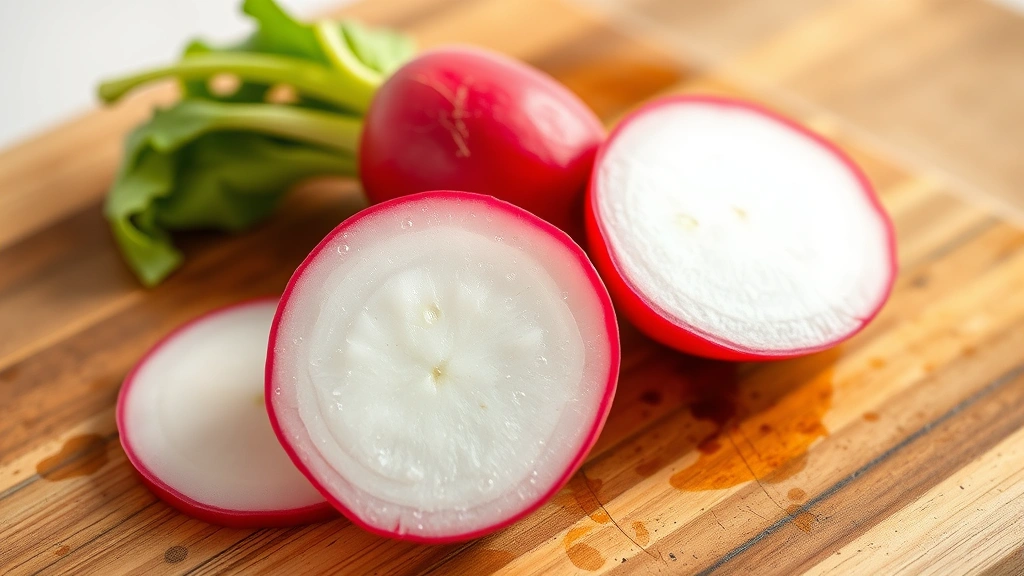
Are Radishes Good for Dogs? What Experts Say
As a dog owner, you’ve probably wondered whether it’s safe to share your fresh garden vegetables with your furry best friend. When you’re crunching on a crisp radish, your pup gives you those irresistible puppy-dog eyes, and you might find yourself asking: can dogs eat radishes? The good news is that radishes are generally safe for dogs in moderation, but there are important considerations you should know before adding them to your pet’s diet.
Understanding what human foods are safe for your canine companion is crucial for their health and wellbeing. While radishes aren’t toxic to dogs, they’re not necessarily a nutritional powerhouse for them either. In this comprehensive guide, we’ll explore everything you need to know about feeding radishes to your dog, including potential benefits, risks, and practical tips for safe preparation.
Whether you’re looking to add variety to your dog’s diet or simply want to share a healthy snack, this article will provide you with evidence-based information from veterinary experts to help you make the best decision for your four-legged friend.
Are Radishes Safe for Dogs?
Yes, radishes are generally safe for dogs when prepared properly and given in appropriate quantities. Unlike some vegetables such as onions which are toxic to dogs, radishes don’t contain compounds that are poisonous to canines. However, safety doesn’t automatically mean they’re an ideal treat or dietary staple for your pet.
The American Kennel Club acknowledges that many vegetables can be part of a dog’s diet, though they emphasize that dogs are primarily carnivores and their nutritional needs differ significantly from humans. Before introducing any new food to your dog’s diet, it’s wise to consult with your veterinarian, especially if your dog has existing health conditions or dietary sensitivities.
The key to safely feeding radishes to your dog lies in understanding proper preparation methods, appropriate portion sizes, and recognizing when radishes might not be the best choice for your particular pet.
Nutritional Content of Radishes
Radishes are composed primarily of water—about 95% by weight—which makes them a low-calorie vegetable option. They contain small amounts of vitamin C, potassium, and fiber, along with various phytonutrients that have antioxidant properties. For humans, radishes are considered quite healthy, but the nutritional profile doesn’t translate to significant benefits for dogs.
Here’s a breakdown of what’s in a typical radish:
- Water: 95% (excellent for hydration)
- Calories: Very low (approximately 16 calories per 100 grams)
- Fiber: Small amounts that may aid digestion
- Vitamin C: Present but not essential for dogs who produce their own
- Potassium: Minimal amounts
- Sulfur compounds: Responsible for the peppery taste and potential digestive effects
Dogs don’t require vitamin C supplementation as they synthesize it naturally in their bodies. While the fiber content could theoretically support digestive health, the amount in a single radish is negligible. The water content, however, can be beneficial for hydration, particularly for dogs who don’t drink enough water throughout the day.

Potential Benefits for Dogs
While radishes aren’t nutritional superstars for dogs, they do offer some minor advantages when given occasionally. Understanding these potential benefits can help you decide whether to incorporate them into your dog’s treat rotation.
Low-Calorie Treat Option: If your dog is overweight or you’re looking for guilt-free snack alternatives, radishes are an excellent choice. With their minimal calorie content, you can offer a satisfying crunch without contributing significantly to weight gain. This is particularly useful when training or rewarding your pup without derailing their diet.
Dental Health Support: The firm, crunchy texture of radishes can provide a mild abrasive action against your dog’s teeth, potentially helping to reduce plaque buildup. While radishes shouldn’t replace proper dental care and regular tooth brushing, they can serve as a supplementary tool for oral health maintenance.
Hydration Boost: Because radishes are over 95% water, they can contribute to your dog’s daily fluid intake. This is particularly beneficial for dogs that seem reluctant to drink enough water, though it’s not a substitute for fresh drinking water availability.
Digestive Stimulation: The minimal fiber content, combined with the act of chewing, can provide gentle digestive stimulation. However, if you’re looking to support your dog’s digestive health more substantially, you might want to consider carrots which offer more fiber and nutritional benefits.

Risks and Concerns
While radishes are generally safe, several considerations should inform your decision about whether to feed them to your dog:
Digestive Upset: Radishes contain sulfur compounds and other volatile substances that can cause digestive issues in some dogs. These compounds are responsible for the peppery flavor and smell that humans enjoy, but they may irritate a sensitive canine digestive system. Dogs with existing gastrointestinal issues or those prone to upset stomachs should avoid radishes altogether.
Potential for Choking: Small dogs or those who gulp their food without chewing properly face a choking risk with whole radishes. Always cut radishes into appropriately sized pieces based on your dog’s size and eating habits.
Spicy Flavor Rejection: Many dogs find the peppery taste of radishes unpleasant, which means they may refuse to eat them anyway. Forcing your dog to consume foods they dislike defeats the purpose of offering healthy treats.
Allergic Reactions: Though rare, some dogs may have individual sensitivities or allergies to radishes. Signs of an allergic reaction include itching, swelling, difficulty breathing, or gastrointestinal distress. If you notice any of these symptoms after introducing radishes, discontinue feeding them immediately and contact your veterinarian.
Interaction with Medications: If your dog is on certain medications or has specific health conditions, radishes might interact negatively. Always inform your vet about any new foods you’re introducing to your dog’s diet, particularly if they’re managing chronic health issues.
If your dog experiences digestive problems from radishes, you might want to explore what to feed a dog with diarrhea to ensure their nutritional needs are met during recovery.
How to Prepare and Serve Radishes
If you’ve decided that radishes are appropriate for your dog, proper preparation is essential to ensure safety and maximize any potential benefits:
Washing and Cleaning: Always thoroughly wash radishes under running water to remove any dirt, pesticides, or contaminants. Use a vegetable brush if available. Even if you’re planning to peel the radish, washing first prevents contaminants from transferring to the flesh when you cut into it.
Peeling: While the skin is edible, peeling radishes before serving them to your dog reduces the concentration of sulfur compounds and makes them easier to digest. This is especially important for dogs with sensitive stomachs.
Size Appropriateness: Cut radishes into pieces suitable for your dog’s size. Small dogs should receive tiny pieces or thin slices, while larger dogs can handle somewhat larger chunks. The general rule is that any treat piece should be small enough that your dog can’t choke on it.
Raw vs. Cooked: Dogs can eat radishes either raw or cooked. Raw radishes offer more crunch and can provide mild dental benefits, while cooked radishes are softer and may be easier for senior dogs or those with dental issues to consume. Cooking also reduces the intensity of the peppery flavor, which some dogs might prefer.
Avoid Seasonings: Never add salt, seasonings, or condiments to radishes before serving them to your dog. Keep them plain and simple to avoid introducing unnecessary sodium or potentially harmful ingredients.
Better Vegetable Alternatives
While radishes are safe, several other vegetables offer superior nutritional benefits for dogs. If you’re looking to add vegetables to your dog’s diet, consider these alternatives:
Carrots are excellent for dogs, offering more fiber, beta-carotene, and vitamins than radishes. They’re also naturally sweet, which most dogs prefer to the peppery taste of radishes. Carrots also provide excellent dental health benefits due to their firm texture and require more chewing effort.
Broccoli can be a nutritious addition to your dog’s diet when given in moderation. It contains vitamins C and K, along with various minerals and antioxidants. The florets can be served raw or steamed, making it a versatile option.
Cauliflower is another excellent vegetable option for dogs, offering similar nutritional benefits to broccoli but with a milder flavor that many dogs find more palatable. It’s low in calories and high in fiber, making it ideal for weight management.
Other dog-safe vegetables include:
- Sweet potatoes: Rich in vitamins and fiber, with natural sweetness dogs love
- Green beans: Low-calorie, nutritious, and generally well-tolerated
- Peas: High in protein and fiber, though should be given in moderation
- Pumpkin: Excellent for digestive health and weight management
Feeding Guidelines and Portion Control
Understanding how much to feed your dog is crucial for maintaining their health. The ASPCA provides guidelines on safe food portions for pets, emphasizing that treats should comprise no more than 10% of your dog’s daily caloric intake, with the remaining 90% coming from their regular, balanced diet.
When it comes to determining how much food to feed your dog, consult with your veterinarian about your specific dog’s caloric needs based on their age, weight, activity level, and health status. Once you know their daily caloric requirement, you can calculate how much room exists for treats like radishes.
General Radish Feeding Guidelines:
- Small dogs (under 20 lbs): No more than 2-3 thin slices, once or twice per week
- Medium dogs (20-50 lbs): No more than 4-5 small pieces, once or twice per week
- Large dogs (over 50 lbs): No more than 6-8 small pieces, once or twice per week
These guidelines assume your dog has no existing health conditions and has been introduced to radishes gradually. Always start with a very small amount and observe your dog for 24-48 hours to ensure they don’t experience any adverse reactions before increasing the portion size.
Introduction Protocol: When introducing radishes for the first time, offer a tiny piece and wait to see how your dog’s digestive system responds. If there are no signs of upset stomach, vomiting, or diarrhea within 24 hours, you can gradually increase the amount. This cautious approach applies to any new food introduction.
Signs to Watch For: Monitor your dog for vomiting, diarrhea, constipation, excessive gas, or loss of appetite. If any of these symptoms occur, discontinue feeding radishes and contact your veterinarian if symptoms persist.
Frequently Asked Questions
Can puppies eat radishes?
While radishes aren’t toxic to puppies, they’re generally not recommended for young dogs. Puppies have developing digestive systems and should primarily consume high-quality puppy food formulated for their specific nutritional needs. The sulfur compounds in radishes could upset their delicate digestive balance. Consult your veterinarian before introducing any new foods to your puppy’s diet.
Can dogs eat radish greens?
Radish greens are non-toxic to dogs and can be offered in small amounts. However, they contain oxalates, which in large quantities could potentially interfere with calcium absorption. Serve radish greens sparingly and only occasionally. Always wash them thoroughly to remove any pesticides or contaminants.
What should I do if my dog ate a whole radish?
If your dog consumed a whole radish, don’t panic. Radishes aren’t toxic, but monitor your dog closely for signs of digestive upset over the next 24-48 hours. Watch for vomiting, diarrhea, or abdominal discomfort. If your dog shows any concerning symptoms or if the radish was extremely large and poses a choking risk, contact your veterinarian immediately.
Are cooked radishes better than raw radishes for dogs?
Both cooked and raw radishes are safe for dogs. Cooking radishes reduces the intensity of sulfur compounds, which may make them easier to digest and more palatable to some dogs. Raw radishes offer more crunch and potential dental benefits. Choose based on your individual dog’s preferences and digestive sensitivity.
Can radishes help with dog breath?
While the crunchy texture of radishes might provide mild dental benefits, they’re not effective for treating bad breath in dogs. Dog breath issues typically stem from poor dental hygiene, gum disease, or underlying health problems. If your dog has persistent bad breath, consult your veterinarian for proper diagnosis and treatment. Regular tooth brushing and professional dental cleanings are more effective solutions.
Are there any dog breeds that shouldn’t eat radishes?
While radishes aren’t inherently dangerous for any particular breed, dogs with sensitive digestive systems or those prone to gastrointestinal issues should avoid them. This includes breeds predisposed to conditions like pancreatitis or inflammatory bowel disease. Additionally, brachycephalic breeds (flat-faced dogs like Bulldogs and Pugs) with potential choking risks should have radishes cut into very small pieces. Always consult your veterinarian if your dog has breed-specific health concerns.
Can senior dogs eat radishes?
Senior dogs can eat radishes if they have no underlying health conditions or digestive sensitivities. However, older dogs with dental problems may find raw radishes difficult to chew. Offering cooked or finely diced radishes might be more appropriate. Always ensure any new food addition is approved by your veterinarian, particularly for senior dogs with age-related health issues.
How do radishes compare to other root vegetables for dogs?
Compared to other root vegetables, radishes are relatively low in nutritional value for dogs. Carrots offer more fiber and beta-carotene, while sweet potatoes provide superior vitamins and minerals. If you’re looking for root vegetables to add to your dog’s diet, carrots and sweet potatoes are generally better choices. However, variety is beneficial, so radishes can be included occasionally as part of a diverse treat rotation.





