
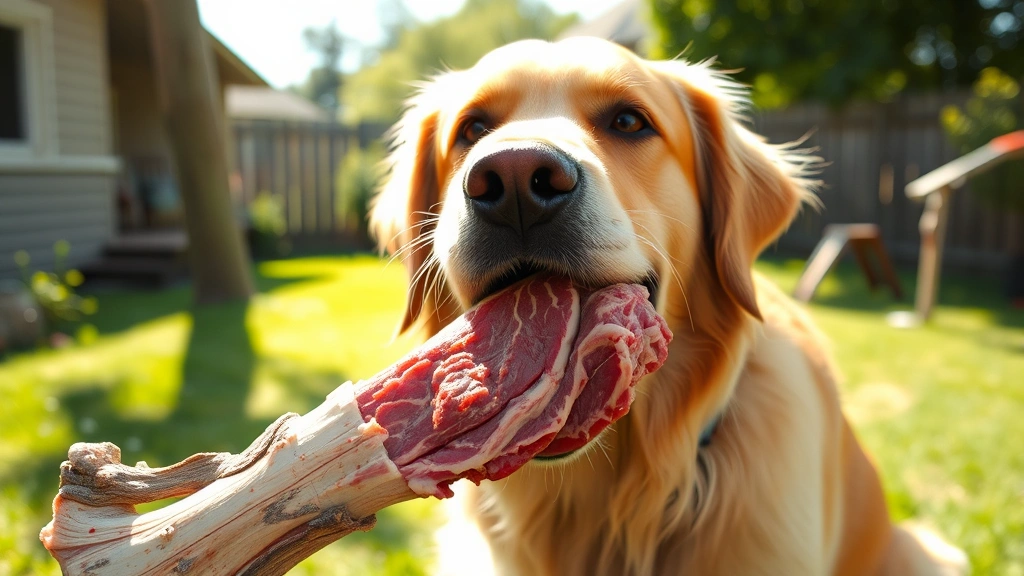
Are Rib Bones Safe for Dogs? Expert Insights
Picture this: you’re enjoying a delicious rack of ribs at your backyard barbecue, and your furry best friend is staring at you with those irresistible puppy-dog eyes. Before you toss that bone under the table, you might be wondering whether rib bones are actually safe for your canine companion. It’s a question that deserves a thoughtful answer, because the stakes are genuinely high when it comes to your pup’s health and safety.
The truth is, the answer isn’t simply “yes” or “no.” Rib bones occupy a complicated space in the world of dog nutrition and safety. While bones have been part of dogs’ diets for thousands of years, modern preparation methods and individual dog factors create a nuanced situation that every pet owner should understand. Let’s dig into the bone-deep details so you can make informed decisions about what your dog eats.
Whether you’re a seasoned dog parent or a new puppy owner, understanding the risks and benefits of rib bones will help you keep your four-legged friend happy and healthy. This comprehensive guide breaks down everything you need to know.
Why Dogs Love Bones
Before we address whether rib bones are safe, let’s explore why dogs like bones so much in the first place. Dogs are descended from wolves, and their ancestral instincts drive them toward bones as valuable food sources. Bones provide essential nutrients like calcium and phosphorus, and gnawing on them can be incredibly satisfying from a psychological perspective.
When your dog chews on a bone, they’re not just enjoying a treat—they’re engaging in natural behavior that helps satisfy their primal urges. The act of gnawing releases endorphins, which are feel-good chemicals that reduce stress and anxiety. Plus, chewing helps clean their teeth and massage their gums, contributing to better oral health. It’s no wonder our dogs go absolutely wild for bones!
The texture and taste of bones are inherently appealing to dogs. Raw bones especially contain marrow and connective tissues that provide intense flavor and nutritional value. However, this natural appeal doesn’t automatically make all bones safe for consumption, particularly when we’re talking about cooked bones from our dinner tables.

The Risks of Rib Bones for Dogs
Now let’s address the elephant in the room: rib bones can pose serious health risks to your dog. Understanding these dangers is crucial before you decide to share your dinner with your pup. The primary concerns with rib bones relate to their structure, how they’re prepared, and how dogs process them.
Splintering and Sharp Fragments: Cooked rib bones become brittle and are prone to splintering into sharp pieces. When your dog swallows these fragments, they can cause lacerations and punctures throughout the digestive tract, from the mouth and throat all the way to the stomach and intestines. This is one of the most dangerous aspects of cooked bones.
Choking Hazard: Rib bones are relatively small compared to other bones, making them perfect choking hazards, especially for enthusiastic eaters or dogs with large mouths who might try to swallow them whole. If you’re unsure how to respond if your dog is struggling, what to do if your dog is choking should be essential knowledge for every pet owner.
Intestinal Blockages: Even if a rib bone makes it past the choking risk, it can lodge in your dog’s digestive system, creating a blockage. Blockages are serious medical emergencies that often require surgery and can be life-threatening if not treated promptly.
Pancreatitis: Rib bones often come with fatty meat attached. The high fat content can trigger pancreatitis, an inflammation of the pancreas that causes severe abdominal pain, vomiting, and diarrhea. Some cases of pancreatitis are mild, but others can be fatal.
Bone Fragments in Stool: Even if your dog seems fine after eating a rib bone, fragments can show up in their stool or cause constipation. This indicates that bone material is moving through their system and could cause problems.

Raw vs. Cooked Rib Bones
The safety profile of rib bones changes dramatically depending on how they’ve been prepared. Let’s compare raw and cooked options so you can understand the difference.
Cooked Rib Bones—The Danger Zone: Cooking changes the structure of bone completely. The heat causes the bone to become brittle, dry, and prone to splintering. This is true whether the bones were boiled, roasted, grilled, or smoked. Cooked rib bones are the most dangerous option and should never be given to dogs. The risk of splintering, choking, and intestinal blockage increases significantly with cooked bones.
Raw Rib Bones—A Safer Option (With Caveats): Raw bones are softer and more flexible than cooked bones, making them less likely to splinter. They’re also easier for dogs to digest if small fragments are swallowed. However, raw bones still present risks, including choking hazards and potential bacterial contamination. If you’re considering raw bones, you should understand the broader context of what dogs can eat bones safely.
According to the Association of American Feed Control Officials (AAFCO), bones should only be fed under careful supervision. Raw meaty bones that are appropriate for your dog’s size and chewing habits are generally considered safer than cooked alternatives, but they’re not risk-free.
Specific types of rib bones carry different risk levels. For instance, beef rib bones are larger and potentially safer than smaller poultry or pork rib bones, though size alone doesn’t eliminate all risks. Similarly, pork chop bones come with their own set of considerations, including higher fat content.
Safe Bone Alternatives
If you want to give your dog the satisfying experience of gnawing on something bone-like without the associated risks, several excellent alternatives exist.
Rawhide Chews: Rawhide is a processed animal product that’s less likely to splinter than real bones. However, some dogs can digest rawhide quickly and may choke or experience blockages, so supervision is still important.
Dental Chews: Specifically designed dental chews can satisfy your dog’s urge to chew while promoting oral health. Brands like Greenies are formulated to break down easily in the digestive system.
Rubber Chew Toys: Toys like Kongs can be filled with treats or peanut butter, providing mental stimulation and chewing satisfaction without the risks associated with real bones.
Nylon Chews: Products like Nylabone are durable and designed to last through extensive chewing sessions without splintering.
Bully Sticks: These are made from beef muscle and are digestible, making them a safer alternative to bones. They also satisfy the chewing instinct effectively.
Antlers: Shed antlers (not fresh) are extremely durable and won’t splinter like bones. However, they’re very hard and can cause tooth fractures in aggressive chewers.
When exploring whether dogs can eat chicken bones, remember that poultry bones are particularly dangerous due to their small size and tendency to splinter. The safer alternatives mentioned above are universally better choices than any type of poultry bone.
Signs of Bone-Related Emergencies
Even with the best precautions, accidents happen. Knowing the warning signs of bone-related complications can help you seek veterinary care immediately if needed.
Choking Symptoms: If your dog is choking, they may paw at their mouth, drool excessively, have difficulty swallowing, or make gagging sounds. They might also appear panicked. This is an emergency requiring immediate intervention.
Digestive Distress: Watch for vomiting, especially if it contains bone fragments or blood. Abdominal pain, indicated by whining, restlessness, or a hunched posture, is another red flag. Constipation or difficulty defecating can also indicate a blockage.
Lethargy and Loss of Appetite: If your dog seems unusually tired or refuses to eat after consuming a bone, internal injuries or blockages might be present.
Bloody Stool: Blood in the stool suggests internal lacerations or damage to the digestive tract.
Difficulty Breathing: Respiratory distress after consuming a bone could indicate a blockage or severe choking situation.
If you observe any of these symptoms, contact your veterinarian or emergency animal hospital immediately. According to the ASPCA, bone-related injuries require professional medical evaluation, and delayed treatment can result in serious complications or death.
Best Practices for Bone Safety
If you decide to give your dog any type of bone, following these best practices significantly reduces the risk of complications.
Choose Raw Over Cooked: Always select raw bones over cooked ones. Raw bones are less likely to splinter and are easier for dogs to digest if fragments are swallowed.
Match Bone Size to Dog Size: Large dogs should receive large bones that they cannot swallow whole. Small dogs should receive appropriately sized bones or skip bones altogether in favor of safer alternatives.
Supervise Always: Never leave your dog alone with a bone. Watch for signs of choking or distress, and remove the bone if your dog seems to be breaking off large pieces or showing difficulty.
Remove After 15-20 Minutes: Limit chewing time to prevent your dog from consuming too much bone material. After 15-20 minutes, take the bone away.
Trim Excess Meat: Remove large chunks of attached meat to reduce the risk of pancreatitis from excessive fat consumption.
Avoid Bones with Splinters: Before giving a bone to your dog, inspect it carefully. If you see any splintering or sharp edges, discard it immediately.
Know Your Dog’s Chewing Style: Aggressive chewers are at higher risk for choking and blockages. These dogs might be better served by safer alternatives than bones.
Consider Your Dog’s Health: Dogs with certain health conditions, such as pancreatitis history, digestive issues, or dental problems, should avoid bones altogether. Consult your veterinarian about your individual dog’s situation.
The American Animal Hospital Association (AAHA) recommends that pet owners discuss bone safety with their veterinarians before introducing bones into their dogs’ diets, especially for dogs with pre-existing health conditions.
Frequently Asked Questions
Can dogs eat cooked rib bones?
No, dogs should never eat cooked rib bones. Cooking makes bones brittle and prone to splintering, creating serious choking and intestinal blockage hazards. Cooked bones can splinter into sharp fragments that cause internal lacerations.
Are raw rib bones safe for dogs?
Raw rib bones are safer than cooked ones but still carry risks. They’re less likely to splinter, but choking and blockage hazards remain. Raw bones should only be given under close supervision to large dogs, never to small dogs or puppies.
What should I do if my dog swallows a rib bone?
Monitor your dog closely for the next 48-72 hours. Watch for vomiting, difficulty defecating, abdominal pain, lethargy, or loss of appetite. If any of these symptoms appear, contact your veterinarian immediately. Don’t wait—blockages can become life-threatening quickly.
What are the best bone alternatives for dogs?
Excellent alternatives include bully sticks, dental chews, rawhide chews, rubber toys like Kongs, and nylon chews. These options satisfy the chewing instinct while being safer than real bones.
Can small dogs have rib bones?
Small dogs should generally avoid rib bones due to choking hazards. Rib bones can be swallowed whole or break into pieces that block their digestive systems. Safer alternatives are much better choices for small breeds.
How do I know if my dog has a bone blockage?
Signs of blockage include vomiting, constipation or difficulty defecating, abdominal pain (shown by whining or a hunched posture), lethargy, and loss of appetite. Bloody stool or vomit is also concerning. These symptoms warrant immediate veterinary attention.
Is it safe to give my dog bones from my dinner table?
No, dinner table bones are almost always cooked and therefore dangerous. They may also have seasonings or sauces that aren’t good for dogs. It’s best to establish a firm rule against sharing bones from your meals with your dog.
What’s the difference between rib bones and other types of bones?
Rib bones are relatively small and curved, making them particularly prone to choking hazards. Larger bones like leg bones are less likely to be swallowed whole but still present splintering risks if cooked. The specific risks vary by bone type and preparation method.





