
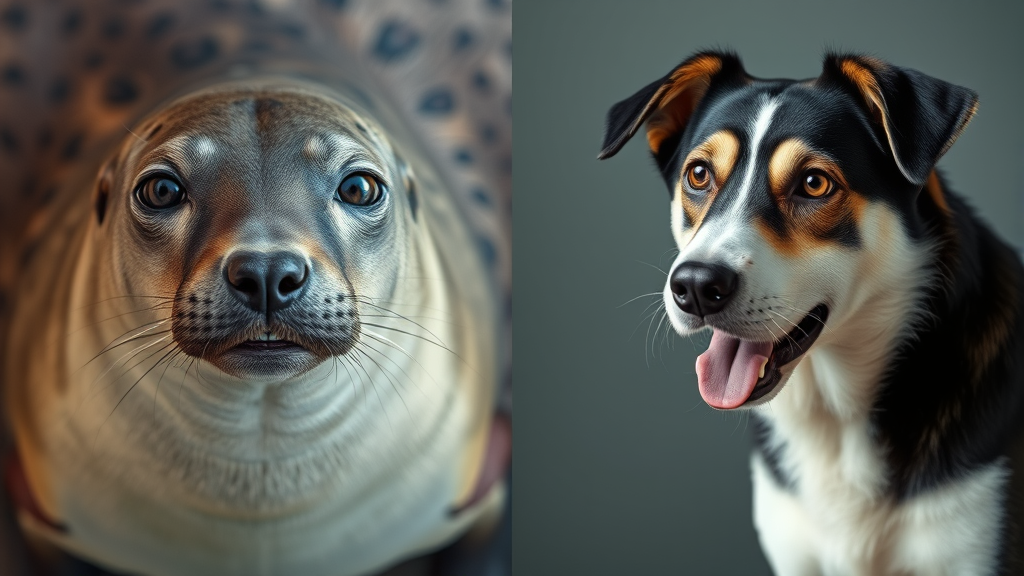
When you watch a seal gracefully swimming through the water or playfully interacting with its companions, you might notice some striking similarities to your beloved dog. The way seals bark, their expressive eyes, and their social behaviors can seem remarkably canine-like. This isn’t just your imagination – there’s actually a fascinating evolutionary connection between seals and dogs that scientists have been studying for decades.
The relationship between seals and dogs goes much deeper than surface-level similarities. Both species belong to the same taxonomic order called Carnivora, making them evolutionary cousins that share a common ancestor. Understanding this connection not only satisfies our curiosity about the natural world but also provides valuable insights into mammalian evolution, behavior, and adaptation strategies that have allowed both groups to thrive in their respective environments.
The Evolutionary Relationship Between Seals and Dogs
The connection between seals and dogs lies in their shared membership within the order Carnivora, one of the major groups of placental mammals. This taxonomic classification places them as evolutionary relatives, though they’ve diverged into different families over millions of years. Dogs belong to the family Canidae, while seals are part of the group known as pinnipeds, which includes seals, sea lions, and walruses.
Within the Carnivora order, seals and dogs are both classified under the suborder Caniformia, also known as “dog-like carnivorans.” This suborder distinguishes them from the Feliformia (cat-like carnivorans), which includes cats, hyenas, and mongooses. The Caniformia classification is particularly significant because it indicates that seals are actually more closely related to dogs than many people realize, sharing fundamental anatomical and physiological characteristics.
Molecular genetic studies have provided compelling evidence for this relationship. DNA analysis has shown that pinnipeds (seals, sea lions, and walruses) share genetic markers with terrestrial carnivores, particularly those in the dog family. Research published by the National Center for Biotechnology Information has demonstrated that the genetic divergence between seals and dogs occurred approximately 50 million years ago, making them distant but legitimate cousins in the mammalian family tree.

Tracing Back to a Common Ancestor
The story of seals and dogs begins with a common ancestor that lived during the Paleocene and Eocene epochs, roughly 50-60 million years ago. This ancestral carnivore was likely a small, weasel-like creature called Miacis, which possessed characteristics that would eventually evolve into the diverse group of carnivorous mammals we see today.
Fossil evidence suggests that early carnivorans lived primarily on land and had adaptations suited for terrestrial hunting. Over millions of years, different lineages evolved specialized adaptations for various ecological niches. While the ancestors of dogs remained terrestrial and developed pack-hunting strategies, the ancestors of seals gradually adapted to semi-aquatic and eventually fully aquatic lifestyles.
The transition from land to sea for seal ancestors was a gradual process that occurred over approximately 20 million years. Intermediate fossils show creatures with increasingly flipper-like limbs, streamlined bodies, and other aquatic adaptations. The American Museum of Natural History has documented this evolutionary journey through extensive fossil collections that demonstrate the step-by-step transformation from terrestrial carnivores to marine mammals.
This evolutionary divergence explains why seals retain many fundamental characteristics of their terrestrial relatives while also possessing unique adaptations for marine life. The timing of this split also helps scientists understand why seals share more similarities with dogs than with other marine mammals like whales or dolphins, which evolved from completely different mammalian lineages.
Physical Similarities and Adaptations
Despite their different environments, seals and dogs share numerous physical characteristics that reflect their common evolutionary heritage. Both species possess similar dental structures, with sharp canine teeth and carnassial teeth designed for processing meat. Their jaw mechanics and muscle arrangements also show remarkable similarities, reflecting their shared carnivorous ancestry.
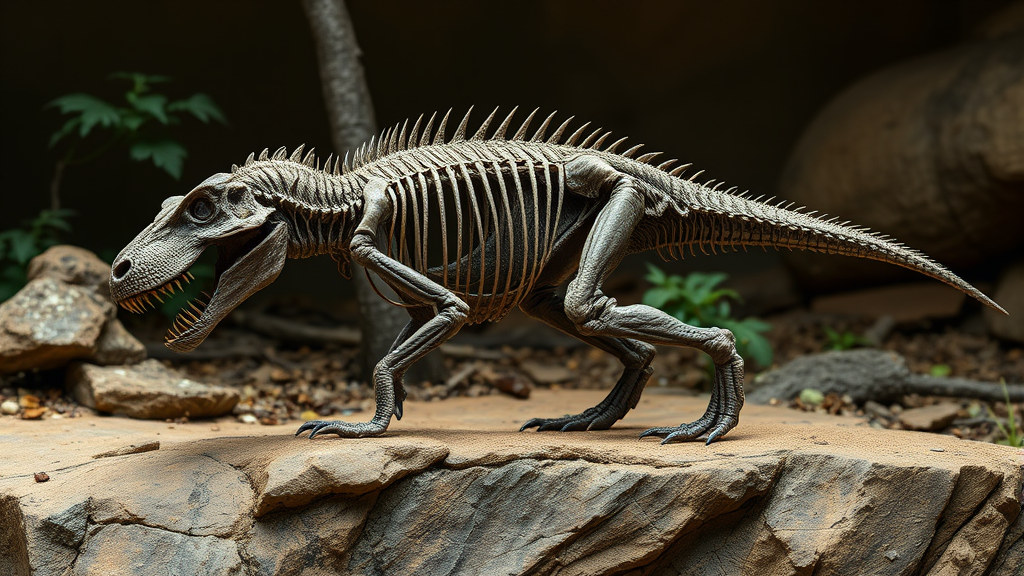
The skeletal structure of seals reveals their terrestrial origins. Their flippers contain the same basic bone structure as dog legs, with modified phalanges, metacarpals, and other limb bones that have been adapted for swimming rather than running. When examining seal skeletons, researchers can clearly identify homologous structures that correspond to those found in dogs and other terrestrial carnivorans.
Sensory adaptations also show interesting parallels. Both seals and dogs have excellent hearing capabilities, though seals have evolved specialized adaptations for underwater acoustics. Their visual systems share similar structures, including the presence of a reflective layer called the tapetum lucidum, which enhances night vision – a trait common among many carnivores. The question of are cats smarter than dogs often comes up when discussing carnivore intelligence, but seals demonstrate that intelligence can take many forms across different environments.
Reproductive and developmental patterns between seals and dogs also show similarities. Both species have similar gestation periods relative to their body sizes, and their young are born in relatively similar developmental states. Seal pups, like puppies, are born with their eyes closed and require extensive parental care during their early development.
Behavioral Connections and Social Structures
The behavioral similarities between seals and dogs are perhaps the most obvious indicators of their evolutionary relationship. Both species exhibit complex social behaviors, including hierarchical structures, cooperative activities, and sophisticated communication systems. Seals are known for their barking vocalizations, which bear a striking resemblance to dog barks and serve similar functions in social communication.
Play behavior is another strong connection between the two species. Both seals and dogs engage in elaborate play activities that serve important developmental and social functions. Young seals can be observed engaging in games that mirror the play fighting and chasing behaviors seen in puppies. This playful nature extends into adulthood for both species, indicating shared neurological and behavioral programming.
Territorial behaviors also show remarkable parallels. Male seals establish and defend territories during breeding season, using aggressive displays and vocalizations that are remarkably similar to the territorial behaviors exhibited by wild canids. Both species use scent marking, though seals have adapted this behavior for their aquatic environment.
The social intelligence displayed by both seals and dogs reflects their shared evolutionary heritage as social carnivores. While debates about are dogs better than cats often focus on loyalty and trainability, seals demonstrate many of the same cognitive abilities that make dogs such successful companions to humans.
Understanding the Carnivora Order
The order Carnivora represents one of the most diverse and successful mammalian groups, encompassing approximately 280 species worldwide. This order is divided into two main suborders: Feliformia (cat-like) and Caniformia (dog-like). Understanding this classification system helps explain why seals are more closely related to dogs than to many other marine mammals.
Within Caniformia, several families demonstrate the diversity of this evolutionary lineage. The family Canidae includes dogs, wolves, foxes, and jackals. The family Ursidae encompasses all bear species. The family Mustelidae includes weasels, otters, and badgers. Pinnipeds, including seals, represent another major family within this suborder. This classification system, supported by both morphological and genetic evidence, illustrates the evolutionary relationships among these seemingly diverse animals.
The Smithsonian Institution has extensively documented the characteristics that unite Caniformia members. These include specific skull features, tooth arrangements, and genetic markers that distinguish them from Feliformia members. The presence of these shared characteristics in both seals and dogs provides strong evidence for their evolutionary connection.
Modern carnivores have adapted to virtually every available ecological niche, from the Arctic tundra to tropical rainforests and marine environments. This adaptability reflects the fundamental success of the carnivore body plan and behavioral strategies that originated with their common ancestors. When people wonder why are dogs better than cats, they’re often comparing different evolutionary strategies within the Carnivora order.
Scientific Evidence Supporting the Connection
Multiple lines of scientific evidence support the evolutionary connection between seals and dogs. Molecular phylogenetic studies have analyzed DNA sequences from multiple genes to construct evolutionary trees that clearly show the relationship between pinnipeds and other carnivorans. These genetic studies have been corroborated by protein analysis and comparative genomics research.
Fossil evidence provides another crucial piece of the puzzle. Transitional fossils from the Oligocene and Miocene epochs show intermediate forms between terrestrial carnivores and fully aquatic pinnipeds. Notable discoveries include Enaliarctos, an early pinniped that retained many terrestrial characteristics while showing clear adaptations for aquatic life. The United States Geological Survey has documented extensive fossil evidence supporting the terrestrial origins of seals.
Comparative anatomy studies have revealed homologous structures between seals and dogs that indicate common ancestry. These include similar arrangements of inner ear structures, comparable nervous system organization, and parallel developmental patterns during embryonic growth. Researchers have used advanced imaging techniques to compare the internal anatomy of seals and dogs, revealing striking similarities in organ systems and tissue organization.
Behavioral studies have also contributed to understanding this evolutionary relationship. Researchers have documented similar learning patterns, social behaviors, and cognitive abilities in both species. The fact that seals can be trained using methods similar to those used for dogs provides additional evidence for their shared neurological heritage. Studies comparing are cats more intelligent than dogs often overlook the remarkable intelligence displayed by their marine relatives.
Modern Implications for Conservation and Research
Understanding the evolutionary relationship between seals and dogs has important implications for modern conservation efforts and scientific research. This knowledge helps researchers better understand the physiological and behavioral needs of marine mammals, leading to more effective conservation strategies and improved care in captivity.
Veterinary medicine has benefited significantly from recognizing the similarities between seals and dogs. Many medical treatments and diagnostic techniques developed for dogs have been successfully adapted for use with seals and other pinnipeds. This cross-species medical knowledge has proven invaluable for marine mammal rescue and rehabilitation efforts worldwide.
Conservation biologists use evolutionary relationships to understand ecosystem dynamics and species interdependencies. Recognizing that seals are part of the broader carnivore evolutionary story helps scientists appreciate their ecological roles and develop comprehensive conservation strategies that consider evolutionary history. The National Park Service incorporates evolutionary relationships into their marine mammal management programs.
Research into animal cognition and behavior has also benefited from understanding these evolutionary connections. Scientists studying animal intelligence, communication, and social behavior can apply insights from dog research to seal studies and vice versa. This comparative approach has revealed universal principles of mammalian behavior while highlighting unique adaptations. When researchers explore questions like is a fox a dog or a cat, they’re using the same evolutionary framework that connects seals to dogs.
Climate change research has incorporated evolutionary perspectives to predict how different species might respond to environmental changes. Understanding the evolutionary history of seals helps scientists predict their adaptive potential and vulnerability to changing ocean conditions. This knowledge is crucial for developing effective conservation strategies in an era of rapid environmental change.
Frequently Asked Questions
Are seals actually related to dogs?
Yes, seals and dogs are evolutionary relatives within the order Carnivora. They belong to the same suborder called Caniformia (dog-like carnivorans) and share a common ancestor that lived approximately 50-60 million years ago. While they’ve evolved different adaptations for their respective environments, genetic and fossil evidence clearly demonstrates their relationship.
How closely related are seals and dogs compared to other animals?
Seals are more closely related to dogs than to many other marine mammals like whales or dolphins. Within the carnivore family tree, seals share closer relationships with dogs, bears, and weasels than with cats or other feliform carnivores. The evolutionary split between seal and dog lineages occurred much more recently than their separation from other major mammalian groups.
Why do seals bark like dogs?
Seals bark because they share similar vocal anatomy and communication strategies with dogs, inherited from their common carnivorous ancestors. Both species use barking as a form of social communication, territory marking, and alarm calling. The similarity in their vocalizations reflects their shared evolutionary heritage and similar social needs.
Do seals and dogs share similar intelligence levels?
Both seals and dogs demonstrate high levels of intelligence, though adapted for their different environments. They share similar learning abilities, problem-solving skills, and capacity for training. Seals can learn complex behaviors and demonstrate self-awareness, much like dogs. Their shared cognitive abilities reflect their common evolutionary origin as intelligent, social carnivores.
Can seals and dogs interbreed?
No, seals and dogs cannot interbreed despite their evolutionary relationship. They’ve been separated for approximately 50 million years, which is far too long for reproductive compatibility. The genetic differences accumulated over this time period make interbreeding impossible, similar to how dogs cannot breed with bears or other distant carnivore relatives.
What other animals are closely related to both seals and dogs?
Other members of the Caniformia suborder include bears, weasels, otters, raccoons, and skunks. All these animals share the same evolutionary lineage as seals and dogs. Bears are particularly close relatives, and otters represent an interesting intermediate case as semi-aquatic carnivores that share characteristics with both terrestrial and marine members of this group.
How did seals evolve from land animals to marine mammals?
Seals evolved from terrestrial carnivores over approximately 20-25 million years through gradual adaptation to aquatic environments. Fossil evidence shows intermediate forms with increasingly flipper-like limbs, streamlined bodies, and enhanced swimming abilities. This transition involved modifications to their skeleton, circulatory system, and sensory organs to accommodate life in marine environments while retaining their fundamental carnivore characteristics.





