
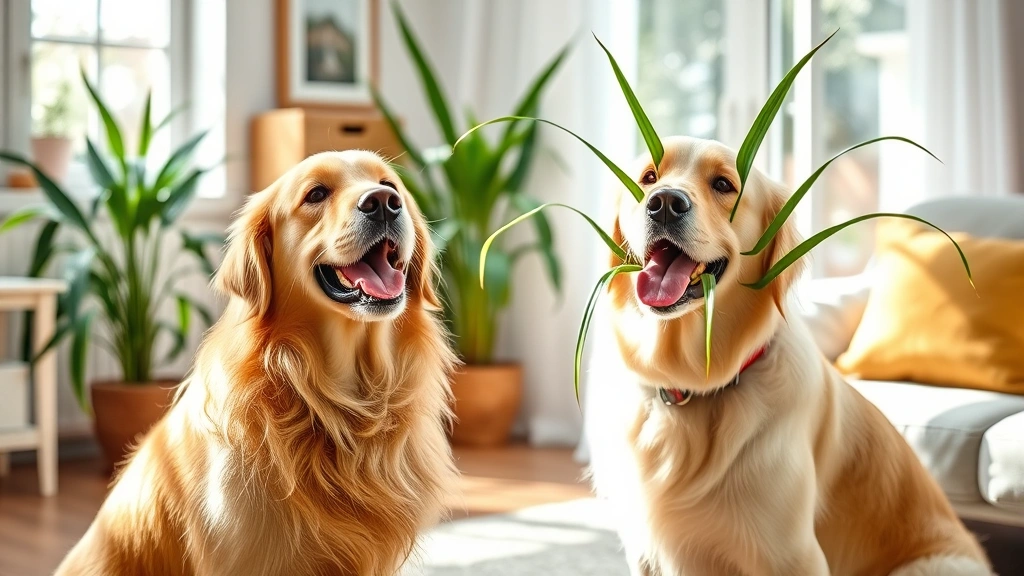
Are Spider Plants Poisonous to Dogs?
As a pet owner, one of your primary concerns is ensuring your furry friend stays safe and healthy. If you have spider plants in your home, you may have wondered whether they pose any risk to your beloved canine companion. The good news is that spider plants are generally considered safe for dogs, but there are still important details every dog owner should understand about plant safety in the home.
Spider plants (Chlorophytum comosum) are among the most popular houseplants due to their attractive appearance, ease of care, and air-purifying properties. However, their popularity doesn’t mean they’re risk-free, especially in homes with curious dogs who might be tempted to nibble on leaves or investigate the plant in unexpected ways. This comprehensive guide will help you understand whether spider plants are truly safe for your dog and what precautions you should take.
Understanding plant toxicity in dogs requires knowledge about what makes certain plants dangerous and how to recognize potential problems. Whether you’re a new dog owner or have had pets for years, learning about household hazards is crucial for maintaining a safe environment. Let’s explore everything you need to know about spider plants and your dog’s safety.
Table of Contents
- Spider Plants and Dog Safety Overview
- What the Toxicity Facts Really Show
- Why Dogs Eat Plants
- Potential Concerns Beyond Toxicity
- Safe Plant Alternatives for Dog Owners
- Prevention and Safety Tips
- Frequently Asked Questions
Spider Plants and Dog Safety Overview
Spider plants are classified as non-toxic to dogs by major veterinary and animal welfare organizations. According to the ASPCA’s comprehensive list of toxic and non-toxic plants, spider plants do not contain any compounds that are poisonous to canines. This means that if your dog accidentally ingests a leaf or two from your spider plant, it will not result in poisoning.
The AVMA (American Veterinary Medical Association) also recognizes spider plants as safe for dogs. This classification is based on extensive research and veterinary experience with thousands of pets over many years. However, safety from toxicity doesn’t mean the plant should be completely ignored in your home—there are still other considerations to keep in mind when you have both dogs and spider plants.
Many veterinarians recommend spider plants as one of the better houseplant choices for pet owners specifically because of their non-toxic nature. If you’re concerned about other plants in your home, resources like the PetMD guide on spider plant safety can provide additional peace of mind and detailed information.
What the Toxicity Facts Really Show
When we say spider plants are non-toxic, it’s important to understand what this actually means in practical terms. Non-toxic means the plant will not cause poisoning, but it doesn’t necessarily mean it’s completely harmless in all circumstances. The distinction is important for responsible pet ownership.
Spider plants contain no alkaloids, glycosides, or other toxic compounds that would harm your dog’s organs, nervous system, or digestive tract. Studies documented in veterinary literature confirm that plant poisoning in dogs rarely involves spider plants. This is why veterinarians consistently recommend them as safe choices.
However, the safety profile of spider plants is different from foods like can dogs eat cucumbers, which provide nutritional benefits. Spider plants offer no nutritional value to dogs and serve primarily as a household decoration. If your dog does consume spider plant material, it will pass through their system without being digested or absorbed in any meaningful way.
Why Dogs Eat Plants
Understanding why dogs are attracted to plants can help you better manage the situation in your home. Dogs may eat plants for several reasons, including boredom, dietary deficiencies, or simply out of curiosity. Some dogs are more prone to plant nibbling than others, depending on their personality and training.
Puppies are particularly curious about everything in their environment and often explore by putting things in their mouths. Adult dogs might eat plants when they’re anxious, bored, or seeking attention. Senior dogs may do so out of habit or if they’re experiencing cognitive changes. Recognizing the motivation behind your dog’s plant-eating behavior can help you address the root cause.
Just as you might wonder about safe foods like can dogs eat broccoli or can dogs eat corn, understanding what’s safe when your dog nibbles on things around the house is important. Providing appropriate alternatives and enrichment can reduce unwanted plant consumption.
Potential Concerns Beyond Toxicity
While spider plants aren’t poisonous, there are other reasons you might want to be cautious about where you place them in your home. If your dog eats large quantities of spider plant leaves, they may experience mild gastrointestinal upset, including vomiting or diarrhea. This isn’t due to toxicity but rather to the plant material irritating the digestive tract.
The long, thin leaves of spider plants can also potentially cause choking hazards in dogs that like to swallow things whole without chewing. Additionally, if your spider plant has been treated with pesticides or fertilizers, these chemicals could be harmful to your dog. Always ensure your plants are treated only with dog-safe products if you must use any treatments at all.
Another consideration involves the structural safety of the plant itself. Hanging spider plants might fall and injure your dog if they’re not secured properly. Heavy pots on shelves could also pose risks. Just as you’d be careful about foods like can dogs eat cheese or other household items, you should think carefully about plant placement and security.
Safe Plant Alternatives for Dog Owners
If you want to maintain a green, plant-filled home while minimizing concerns, there are many dog-safe alternatives to consider. Boston ferns, areca palms, and prayer plants are all non-toxic options that can add beauty to your space. These plants offer similar aesthetic appeal to spider plants without any of the potential concerns.
African violets and Christmas cacti are also excellent choices for dog owners. These plants are attractive, relatively easy to care for, and completely safe if your dog happens to nibble on them. You can create a dog-friendly plant collection that looks beautiful and keeps your pet safe.
When choosing plants, always verify their safety status before bringing them home. Just as you’d check whether can dogs eat cauliflower or can dogs eat zucchini before offering them as treats, you should research plants before purchasing. The Humane Society’s poisonous plants resource is an excellent reference guide.
Prevention and Safety Tips
If you want to keep your spider plants while ensuring your dog’s safety, here are practical strategies to implement:
- Place spider plants in locations your dog cannot easily access, such as high shelves or hanging baskets out of reach
- Use sturdy, weighted planters that cannot be knocked over if your dog jumps or leans against them
- Ensure any hanging plants are secured with strong hooks and chains that can support the weight and movement
- Avoid using pesticides, fertilizers, or chemical treatments on plants in homes with dogs
- Regularly trim dead leaves and remove any fallen plant material from the floor
- Provide your dog with appropriate chew toys and enrichment to reduce the urge to nibble on plants
- Train your dog to avoid plants using positive reinforcement techniques
- Monitor your dog’s behavior around plants and redirect them when necessary
Creating a safe environment requires vigilance and planning. Consult with your veterinarian about your specific dog’s behavior and any concerns you have. They can provide personalized advice based on your dog’s age, size, and temperament.
If your dog does consume spider plant material despite your precautions, observe them for signs of gastrointestinal upset. Most dogs who eat spider plant leaves experience no symptoms whatsoever. However, if your dog shows signs of persistent vomiting, diarrhea, or other concerning symptoms after consuming plant material, contact your veterinarian promptly.
Frequently Asked Questions
Is it safe to have spider plants if I have a dog?
Yes, spider plants are generally safe to have with dogs. They are non-toxic and will not poison your dog if ingested. However, you should still take precautions by placing them out of easy reach and monitoring your dog’s interaction with them. If you’re concerned about any household item, consult the WikiHow guide on identifying poisonous plants for dogs for additional safety information.
What happens if my dog eats a spider plant?
If your dog eats spider plant leaves, most likely nothing will happen. The plant is non-toxic, so poisoning is not a concern. However, if your dog eats a large amount of plant material, they might experience mild digestive upset like vomiting or diarrhea. Monitor your dog and contact your vet if symptoms persist or worsen.
Can spider plants make my dog sick?
Spider plants cannot make your dog sick through toxicity, as they contain no poisonous compounds. However, consuming large amounts of plant material could cause mild gastrointestinal irritation. If your dog has a sensitive stomach or eats unusually large quantities of the plant, digestive issues might occur.
Are spider plant babies safe for dogs?
Yes, spider plant babies (the small plantlets that grow from the parent plant) are just as safe as the main plant. They contain the same non-toxic compounds and pose no poisoning risk. However, they’re small and could potentially be a choking hazard for some dogs, so monitor your pet accordingly.
What plants are definitely poisonous to dogs?
Several common houseplants are toxic to dogs and should be avoided entirely, including lilies, sago palms, oleander, and dieffenbachia. Outdoor plants like foxglove, yew, and autumn crocus are also dangerous. For a comprehensive list, refer to the AVMA’s poisonous plants resource.
How can I keep my dog away from my spider plants?
You can keep your dog away from spider plants by placing them in elevated locations, using baby gates to restrict access to certain rooms, training your dog with positive reinforcement, and providing plenty of appropriate chew toys. Consistent redirection and supervision are key to success.
Should I be worried if my dog shows interest in my spider plant?
Don’t worry about toxicity, but do address the behavior if it becomes excessive. Your dog’s interest might indicate boredom, nutritional deficiency, or simply curiosity. Increase playtime and enrichment, consider offering dog-safe vegetables like can dogs eat cucumber, and monitor the situation. If the behavior persists or causes damage to your plant, consult a professional dog trainer for behavioral strategies.





