
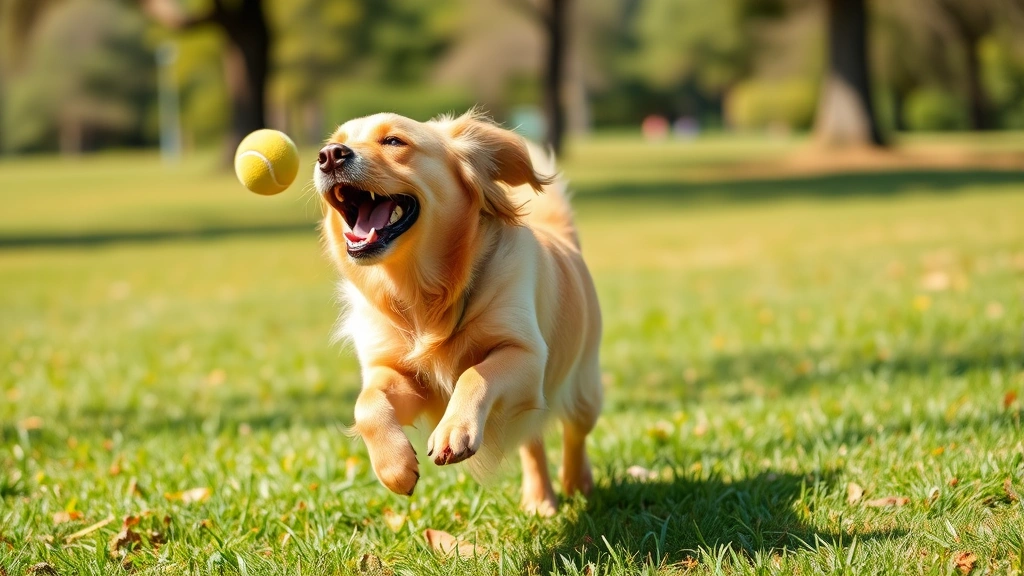
Are Tennis Balls Bad for Dogs? Safety Tips Every Pet Owner Should Know
If you’re a dog owner, you’ve probably witnessed the pure joy that erupts when your pup spots a tennis ball. That enthusiastic bounce, the excited tail wag, the determined pounce—it’s undeniably adorable. But here’s the thing: while tennis balls are one of the most iconic dog toys, they come with some genuine safety concerns that deserve your attention. The question “are tennis balls bad for dogs” isn’t as straightforward as yes or no, and that’s precisely why we’re diving deep into this topic today.
Tennis balls have become a staple in many households with canine companions, partly because they’re affordable, readily available, and most dogs absolutely love them. However, veterinarians and pet safety experts have raised legitimate concerns about their long-term use. From wear and tear on teeth to potential choking hazards, there’s more to this fuzzy yellow story than meets the eye. Understanding these risks will help you make informed decisions about your dog’s playtime and keep your furry friend safe and healthy.
In this comprehensive guide, we’ll explore the potential dangers of tennis balls, discuss which dogs are most at risk, and provide you with practical safety tips to keep your pup entertained without compromising their wellbeing. We’ll also look at some excellent alternatives that might be even better for your four-legged friend.
The Fuzzy Problem: Why Tennis Balls Aren’t Ideal
Let’s start with the basics. Tennis balls are designed for a completely different sport with completely different players—humans with opposable thumbs and the ability to understand game rules. Dogs, on the other hand, operate on pure instinct and enthusiasm. When you understand why dogs love tennis balls, you begin to see the problem: they’re obsessed with them in ways that can lead to overuse and potential injury.
The fuzzy exterior of a tennis ball is specifically designed to create friction against the court surface, but when it comes into contact with your dog’s teeth repeatedly, it acts like sandpaper. This constant abrasion can wear down tooth enamel over time, leading to dental problems that might require expensive veterinary treatment down the road. Additionally, the material composition of commercial tennis balls isn’t regulated for pet safety the way actual dog toys are.
Tennis balls are also surprisingly fragile when subjected to a dog’s powerful jaws and determined chewing habits. They can shred, break apart, and create small pieces that your dog might swallow without you even noticing. This is particularly concerning because unlike a toy designed specifically for dogs, tennis balls weren’t engineered with safety margins for accidental ingestion.
Dental Wear and Tear
One of the most significant concerns veterinarians raise about tennis balls is their impact on dental health. Dogs’ teeth are precious—they need them for eating, playing, and just being their adorable selves throughout their entire lives. Yet many pet owners don’t realize how much damage can occur from regular tennis ball play.
The fuzzy felt covering of a tennis ball acts as an abrasive surface that gradually wears away tooth enamel with each chew and fetch session. Over months or years of regular tennis ball use, this can lead to:
- Enamel erosion: The protective outer layer of teeth becomes thinner and more susceptible to decay
- Increased tooth sensitivity: Your dog may experience discomfort when eating or drinking
- Higher cavity risk: Without adequate enamel protection, cavities become more likely
- Tooth fractures: Weakened teeth are more prone to cracking or breaking
- Gum disease: Damaged teeth can lead to infections and periodontal disease
According to the American Animal Hospital Association, dental disease is one of the most common health problems seen in dogs, and preventable wear from toys like tennis balls contributes significantly to these issues. Professional dental cleanings and treatments can be expensive, often costing several hundred dollars, so prevention is definitely the better approach.
Aggressive chewers are particularly vulnerable to this type of dental damage. If your dog is the type who attacks a tennis ball with gusto rather than gently carrying it around, the risk increases substantially. Even moderate chewing over an extended period can accumulate significant wear.
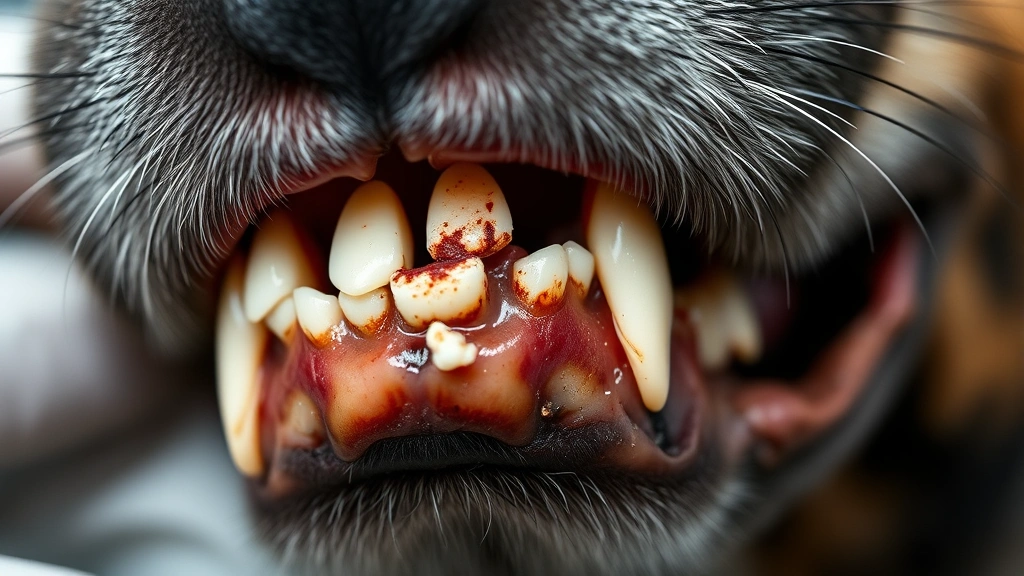
Choking and Intestinal Blockage Risks
Beyond dental concerns, the choking hazard posed by tennis balls is a serious safety issue that shouldn’t be underestimated. When a tennis ball begins to deteriorate—whether from chewing, age, or UV exposure—it can shed pieces. Your dog might swallow these fragments without you realizing it, which creates two potential problems: choking in the short term and intestinal blockage in the long term.
Intestinal blockages are medical emergencies that often require surgery to resolve. The symptoms might not appear immediately, which makes them particularly dangerous. Your dog could seem fine one day and critically ill the next. Signs of a potential blockage include:
- Vomiting or repeated gagging
- Loss of appetite
- Lethargy or unusual inactivity
- Abdominal pain or distension
- Constipation or diarrhea
- Weight loss
The ASPCA receives numerous calls annually about dogs who have ingested foreign objects, including tennis ball material. Many of these cases require expensive emergency veterinary care, and some unfortunately result in fatalities. Surgical intervention to remove a blockage can cost anywhere from $1,500 to $7,000 or more, depending on the severity and your location.
Small dogs and puppies are at particularly high risk because they have smaller digestive tracts. A piece of tennis ball material that a large dog might pass without issue could become lodged in a smaller dog’s intestines. Similarly, dogs with a tendency to gulp their toys without proper chewing are at increased risk.
Chemical and Toxic Concerns
Here’s something many dog owners don’t consider: what are tennis balls actually made from? Commercial tennis balls contain several materials and chemicals that aren’t necessarily safe for dogs to ingest. The typical tennis ball includes:
- Rubber core: Made from synthetic rubber compounds that may contain heavy metals and chemical additives
- Felt covering: Usually composed of wool and synthetic fibers, sometimes treated with dyes and chemical finishes
- Adhesives: Used to bond materials together, which may contain toxic compounds
- Chemical treatments: Some balls are treated to enhance durability or appearance
While occasional contact with these materials won’t necessarily poison your dog, regular ingestion of tennis ball fragments could expose your pet to harmful substances over time. The concern is particularly elevated for dogs who are obsessive chewers and regularly consume pieces of their tennis balls.
Additionally, older or worn tennis balls may have mold or bacteria growing on them, especially if they’ve been left outside in damp conditions. This microbial growth can cause gastrointestinal upset or infections if ingested.
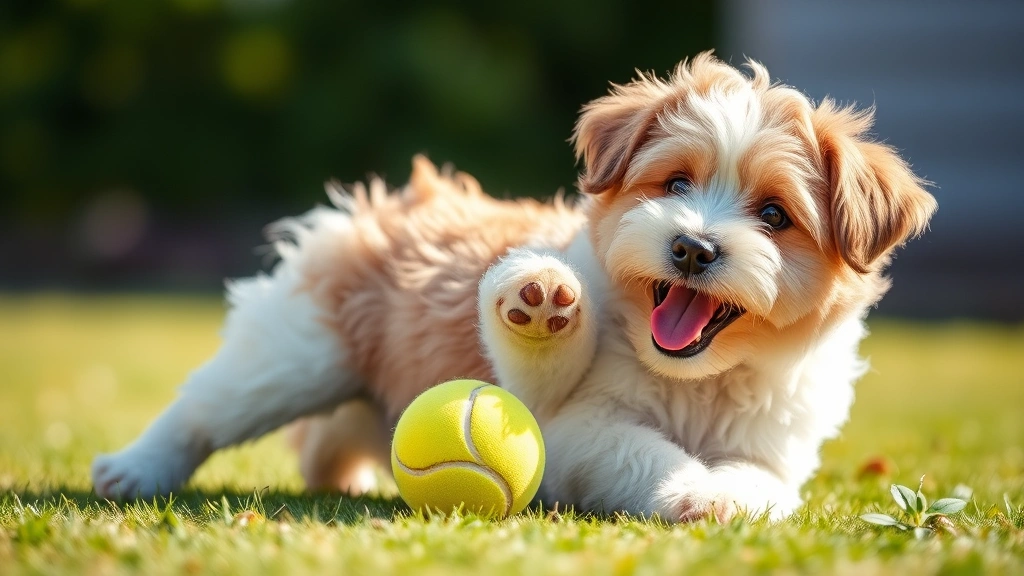
Which Dogs Are Most at Risk?
Not all dogs face equal risk when it comes to tennis ball safety. Several factors determine how vulnerable your individual pup might be:
Age matters significantly. Puppies are naturally more curious and less discriminating about what they chew and swallow. Senior dogs may have compromised dental health already, making additional wear even more problematic. Adult dogs in their prime years are generally at lower risk, though this doesn’t mean tennis balls are safe for them.
Size plays a crucial role. Small breeds like Chihuahuas, Toy Poodles, and Dachshunds face greater risks from choking and blockages because a tennis ball or its fragments are proportionally larger relative to their digestive tract. Large breeds can typically handle the size better, though they’re still susceptible to dental wear and toxin exposure.
Chewing intensity is a major factor. Aggressive chewers—breeds like Pit Bulls, German Shepherds, and Labrador Retrievers—are at significantly higher risk than gentle players. If your dog destroys a tennis ball in minutes rather than hours, they’re not a good candidate for regular tennis ball play.
Existing health conditions increase vulnerability. Dogs with a history of gastrointestinal issues, previous blockages, or dental disease should definitely avoid tennis balls. Similarly, dogs with compromised immune systems or on certain medications may be more susceptible to infections from contaminated balls.
When considering alternatives like bully sticks and other chew toys, it’s worth evaluating your specific dog’s risk profile to make the best choice for their individual needs.
Tennis Ball Safety Tips
If you’ve decided that tennis balls are part of your dog’s life (and let’s be honest, many dog owners find it hard to eliminate them completely), here are practical safety measures you can implement:
Supervision is non-negotiable. Never leave your dog alone with a tennis ball. Monitor their play to ensure they’re carrying it rather than intensely chewing it. If you notice aggressive chewing behavior, remove the ball immediately.
Choose dog-specific balls instead. If your dog loves the tennis ball experience, invest in balls specifically designed for dogs. These are made with dog-safe materials and are engineered to withstand canine play without shedding dangerous fragments. They cost only slightly more than tennis balls but provide significantly better safety.
Inspect regularly for damage. Before each play session, examine the tennis ball for tears, loose felt, or deterioration. At the first sign of wear, retire the ball. Don’t wait until it’s falling apart.
Limit play sessions. Instead of allowing unlimited tennis ball access, restrict play to specific times and durations. This reduces overall exposure and wear on your dog’s teeth.
Rotate toys frequently. Variety isn’t just the spice of life—it’s also better for your dog’s health. Rotating between different toys prevents overuse of any single type and keeps playtime interesting.
Practice fetch responsibly. While fetch is great exercise, ensure your dog isn’t obsessively focused on the ball. If they seem unable to let it go or become possessive, the activity might not be ideal for them.
Store properly when not in use. Keep tennis balls in a dry location away from moisture, sunlight, and potential contaminants. Clean them occasionally if they’re going to be used regularly.
Understanding safer alternatives like Nylabones can help you make informed decisions about your dog’s toy collection.
Better Alternatives to Tennis Balls
If you’re concerned about tennis ball safety—and you should be—there are numerous excellent alternatives that provide similar play experiences without the associated risks:
Dog-specific fetch balls: These are designed specifically for canine play and use dog-safe materials. Brands like Kong, Chuckit, and West Paw make high-quality balls that won’t shed dangerous fibers. They’re durable, often have better grip surfaces, and come in various sizes for different breeds.
Rope toys: These provide an engaging chewing experience and are generally safer than tennis balls, especially when supervising play. However, ensure your dog doesn’t ingest rope fibers, and remove the toy if it becomes frayed.
Rubber toys: Brands like Kong offer rubber toys in various shapes and sizes. They’re durable, don’t shed, and can even be filled with treats for added engagement.
Puzzle toys: These mental stimulation toys keep dogs engaged while being safer than traditional fetch balls. They also help prevent boredom-related destructive behavior.
Frisbees designed for dogs: If your dog loves the flying aspect of fetch, consider soft dog-specific frisbees that are safer to catch and carry.
Balls with better materials: Look for balls made from natural rubber or other dog-safe materials. These provide similar experiences to tennis balls without the chemical concerns.
When exploring safer chewing options, you might also consider appropriate natural chews like bones, which can provide satisfying chewing experiences when selected carefully for your dog’s size and chewing style.
The key is finding toys that match your dog’s play style and size while minimizing health risks. Every dog is different, so it might take some experimentation to find the perfect alternatives that your pup loves just as much as tennis balls.
Frequently Asked Questions
Can dogs die from swallowing tennis ball pieces?
While death from tennis ball fragments is relatively rare, it’s certainly possible, especially if a blockage goes untreated or if your dog has a severe allergic reaction to materials in the ball. More commonly, dogs experience serious medical complications requiring emergency surgery. The risk is real enough that prevention through careful supervision and toy selection is crucial.
How long does it take for a tennis ball to cause dental damage?
Dental damage accumulates gradually over time. You might not notice significant wear for months or even years of regular play, which is why prevention is so important. However, aggressive chewers could show noticeable wear within weeks. The damage is cumulative and permanent, so early intervention by eliminating or limiting tennis ball use is the best approach.
Are there any tennis balls that are safe for dogs?
Standard tennis balls designed for human play are not ideal for dogs due to the concerns discussed. However, there are balls marketed as “dog tennis balls” that use safer materials. Always read labels carefully and choose balls specifically designed and tested for canine safety rather than standard sporting equipment.
What should I do if my dog swallows tennis ball material?
Contact your veterinarian immediately, even if your dog seems fine. Describe what was ingested and when. Your vet may recommend monitoring, X-rays, or other diagnostic procedures to ensure nothing is lodged in the digestive tract. Don’t wait for symptoms to appear—prompt veterinary attention can prevent serious complications.
Can tennis balls cause other health problems besides dental and choking issues?
Beyond dental wear and choking risks, some dogs develop behavioral issues around tennis balls, such as obsessive ball chasing that prevents them from engaging in other activities or interacting with their owners. Additionally, exposure to the chemicals and dyes in tennis balls, while not immediately toxic, could contribute to long-term health issues with regular ingestion.
Is it ever safe to let my dog play with tennis balls?
Occasional supervised play with a tennis ball that’s in good condition is unlikely to cause immediate harm. However, regular or unsupervised play poses genuine risks. If your dog does play with tennis balls, keep sessions brief, supervise closely, and inspect the ball frequently for damage. Honestly, switching to safer alternatives eliminates these risks entirely.
How can I tell if my dog has an intestinal blockage from a tennis ball?
Signs include vomiting, loss of appetite, lethargy, abdominal pain, constipation, or diarrhea. Some dogs may show only subtle signs initially. If you suspect your dog has ingested tennis ball material and develops any of these symptoms, seek emergency veterinary care immediately. X-rays and ultrasounds can confirm a blockage.
Do all dogs react the same way to tennis balls?
No—individual dogs have different risk profiles based on size, age, chewing intensity, and overall health. However, the potential risks apply to all dogs to varying degrees. Even if your specific dog hasn’t had problems with tennis balls, the risks still exist. Just because your dog hasn’t experienced issues yet doesn’t mean they won’t eventually.
What’s the difference between tennis balls and dog-specific fetch balls?
Dog-specific balls are made with materials tested for canine safety, they’re engineered to resist shredding, they don’t contain the same chemicals as human tennis balls, and they’re designed to be appropriately sized for different dog breeds. They’re worth the minimal additional cost for the significantly improved safety profile.
Can I make tennis balls safer by doing something to them?
While you could try to seal or treat a tennis ball, this is unreliable and doesn’t address the underlying material concerns. The best approach is to simply eliminate regular tennis ball use rather than trying to retrofit them for safety. Investing in properly designed dog toys is a better use of your resources and provides genuine peace of mind.
If you’re noticing unusual digestive symptoms in your dog, it’s worth exploring whether they might be related to tennis ball consumption. Articles on topics like identifying worms and other parasites can help you understand your dog’s health better, though blockages from foreign objects are distinct concerns requiring immediate veterinary attention.
Should I completely ban tennis balls from my home?
Complete elimination is the safest approach, especially if you have a dog prone to chewing or swallowing non-food items. However, if you have a gentle dog who simply carries a ball around and you provide constant supervision, occasional play with a well-maintained ball is lower risk (though still not ideal). Make the decision based on your individual dog’s behavior, size, and health status.
The bottom line is this: while are tennis balls bad for dogs isn’t quite a universal “yes,” the risks are substantial enough that safer alternatives should be your default choice. Your dog’s long-term health is worth the small investment in better toys and the slight adjustment to your playtime routines. By making informed decisions now, you’re protecting your furry friend from potential dental damage, choking hazards, and intestinal blockages that could require expensive emergency veterinary care. Your pup will be just as happy—if not happier—with toys designed specifically with their safety in mind.
For more information about dog health and safety, consult the American Kennel Club and speak with your veterinarian about the best toy choices for your specific dog. Your vet can assess your individual dog’s risk factors and make personalized recommendations based on their health history and chewing habits.





