

Are Tennis Balls Bad for Dogs? Safety Tips Every Pet Owner Should Know
Tennis balls are a classic dog toy—bouncy, bright, and seemingly harmless. But here’s the thing: while your pup might go absolutely bonkers for them, tennis balls come with some genuine safety concerns that deserve your attention. We’re not saying you need to ban them from your home entirely, but understanding the risks and knowing how to use them safely is crucial for keeping your furry friend healthy and happy.
In this comprehensive guide, we’ll explore everything you need to know about tennis balls and dogs. From the materials that make them potentially problematic to practical safety tips that let your dog enjoy fetch without worry, we’ve got you covered. Whether your dog is a casual ball-chaser or a tennis ball obsessive, this article will help you make informed decisions about one of the most popular dog toys on the planet.
So grab a cup of coffee and let’s dive into the fuzzy world of tennis balls, because responsible pet ownership means asking the tough questions—even about the simple stuff.
Why Dogs Love Tennis Balls (And Why That Matters)
Understanding why dogs love tennis balls is the first step in understanding the risks. Dogs are drawn to tennis balls for several reasons: the bright yellow color catches their attention, the fuzzy texture feels interesting in their mouths, and the squeaky sound they make (sometimes) triggers their prey drive. It’s a perfect storm of canine stimulation.
The problem is that this obsession can lead dogs to chew, destroy, and ingest pieces of the ball without their owners realizing it. A dog that loves tennis balls might not see them as toys—they see them as something to conquer, shred, and consume. This distinction is important because it changes how we should approach tennis ball safety.
The good news? Your dog’s love of tennis balls isn’t inherently dangerous if you supervise play and follow proper safety protocols. But ignoring the risks is like ignoring a warning light on your dashboard—eventually, something might go wrong.
The Material Concerns: What’s Inside That Fuzzy Ball?
Tennis balls are made from several materials, and not all of them are dog-friendly. The outer covering is typically a felt material made from a wool and synthetic fiber blend. Underneath that is a rubber or synthetic rubber core, and inside is pressurized air or gas.
Here’s where it gets concerning: the felt exterior is specifically designed to be abrasive. That’s what makes it perfect for gripping the court and the racket. Unfortunately, that same abrasiveness means it can wear down a dog’s teeth with repeated chewing. Think of it like sandpaper for your dog’s mouth—effective for smoothing wood, but terrible for dental health.
The rubber core presents another issue. When dogs chew through the felt, they expose the rubber underneath. Some dogs will obsessively chew on rubber, which can lead to intestinal blockages. Additionally, the ASPCA notes that certain chemicals used in manufacturing can be concerning if ingested in large quantities.
Not all tennis balls are created equal, either. Professional-grade tennis balls may have different coatings than recreational ones. Some specialty dog tennis balls have softer, less abrasive felt designed specifically for canine use. If you’re going to use tennis balls, these dog-specific versions are a better choice than standard sports equipment.
Choking Hazards and Blockages
The most serious risk associated with tennis balls is intestinal blockage. Dogs that destroy tennis balls and swallow pieces of the felt or rubber can develop life-threatening blockages that require emergency surgery.
Small dogs are particularly vulnerable because they have smaller digestive tracts, but dogs of any size can experience blockages. The symptoms include vomiting, loss of appetite, lethargy, abdominal pain, and constipation. If your dog shows any of these signs after playing with a tennis ball, contact your veterinarian immediately.
The risk increases significantly if your dog has a habit of destroying toys or if they have a condition like pica, where dogs compulsively eat non-food items. Some dogs are just more prone to swallowing things they shouldn’t, and for these pups, tennis balls should be off-limits entirely.
Here’s a practical reality check: if your dog can demolish a tennis ball in five minutes, they shouldn’t have unsupervised access to tennis balls. Period. The risk simply isn’t worth it. Compare this to other chew toys—just as you’d be cautious about whether dogs can safely eat bones, you should think carefully about tennis ball safety.
Dental Damage and Wear
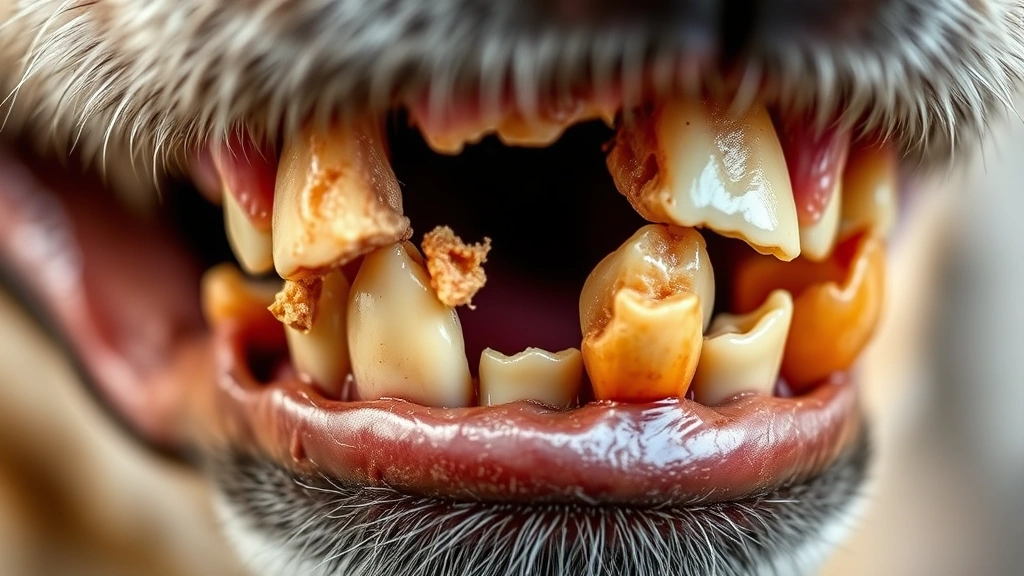
Beyond blockages, tennis balls pose a significant threat to your dog’s teeth. Veterinarians have observed that dogs who frequently chew on tennis balls develop worn, flattened teeth over time. This wear can expose the dentin beneath the enamel, leading to pain, sensitivity, and potential infection.
The abrasive felt acts like sandpaper on the tooth surface, gradually wearing away the protective enamel. Once that’s gone, the underlying tooth structure is vulnerable. Dental disease in dogs is no joke—it can lead to infections that spread to vital organs if left untreated.
Certain dog breeds are more prone to dental issues anyway, and for these dogs, anything that accelerates tooth wear should be minimized. If your dog already has dental concerns, tennis balls should be avoided in favor of safer chew options. Your veterinarian can recommend appropriate alternatives.
The cost of dental procedures for dogs can be substantial, ranging from hundreds to thousands of dollars. Prevention through careful toy selection is far more economical than treating the damage after it occurs.
Chemical Exposure and Toxins
Tennis balls are treated with various chemicals during manufacturing, including dyes and coatings that help them perform on the court. While these chemicals are generally considered safe for human use during recreational play, the situation is different when dogs chew on and ingest the material.
Dogs have different tolerances for chemicals than humans do, and their smaller body weight means a given amount of chemical exposure has a greater impact. Some of the dyes and treatments used in tennis ball manufacturing are not food-safe, which is a concern when dogs are literally eating the product.
Research from veterinary toxicology sources indicates that while occasional exposure is unlikely to cause acute poisoning, chronic ingestion of tennis ball material isn’t ideal. The cumulative effect of repeatedly chewing and consuming small amounts of treated felt and rubber isn’t fully understood, but it’s certainly not beneficial.
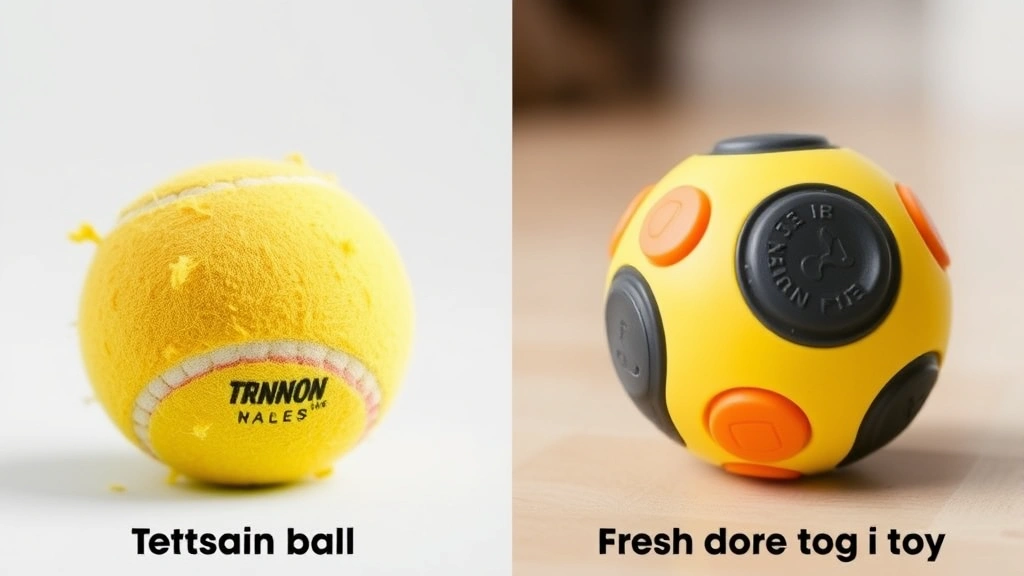
This is another reason why dog-specific tennis balls are preferable if you choose to use them. These are typically manufactured with pet safety in mind and use fewer problematic chemicals.
Safe Usage Guidelines for Tennis Balls
If you’ve decided that tennis balls are part of your dog’s toy rotation, there are ways to minimize the risks. These guidelines can help keep your pup safer while still enjoying fetch and play:
- Supervise all tennis ball play: Never leave your dog alone with a tennis ball. Watch for signs of destruction or excessive chewing, and remove the ball if your dog is shredding it.
- Limit play duration: Use tennis balls for short, supervised play sessions rather than leaving them available all day. This reduces the time your dog spends chewing on them.
- Use dog-specific tennis balls: Purchase tennis balls manufactured specifically for dogs. These typically have softer felt and fewer concerning chemicals. They’re worth the extra cost.
- Inspect regularly: Before each use, check your tennis balls for damage, wear, or holes. Discard any that are deteriorating.
- Rotate toys: Don’t let tennis balls become your dog’s only toy. Offer variety to prevent obsessive fixation on any single item.
- Know your dog: If your dog has a history of destroying toys or eating non-food items, skip tennis balls entirely and choose safer alternatives.
- Watch for warning signs: Monitor your dog’s mouth and teeth regularly. If you notice excessive wear, tooth damage, or changes in eating habits, consult your veterinarian.
- Avoid the pressurized kind: Some people cut open tennis balls to make toys. Don’t do this with pressurized balls—the sudden release can be startling and the depressurization can cause harm.
Think of these guidelines like the safety rules for bully sticks and other chew toys. Just because something is popular doesn’t mean it’s risk-free. Smart pet ownership means taking precautions.
Better Alternatives to Consider
If you’re concerned about tennis ball safety—and you have good reason to be—there are plenty of excellent alternatives that provide similar entertainment value without the risks.
Rubber fetch toys: Toys like Kong Flyer or similar rubber discs provide the same fetch experience but are made from dog-safe materials. They’re less likely to be destroyed and won’t wear down teeth the same way.
Soft plush toys: For dogs that don’t destroy toys, soft plush balls designed specifically for dogs are a better option. They lack the abrasive felt and are made with pet safety in mind.
Interactive toys: Toys that require problem-solving or mental engagement can be more stimulating than simple fetch toys. These keep dogs entertained while reducing the risk of obsessive destruction.
Just as you’d consider whether antlers are safe for dogs before offering them, take time to research alternatives. Your veterinarian can provide recommendations tailored to your specific dog’s age, size, and chewing habits.
Rope toys: These provide excellent interactive play and can be used in tug-of-war games. However, supervise play to prevent your dog from ingesting rope fibers.
Frisbees: Soft fabric frisbees designed for dogs offer fetch fun without the dental wear concerns. They’re less likely to be destroyed than tennis balls and are easier to clean.
Ball alternatives: Look for balls made specifically for dogs from companies like Nylabone, Kong, or West Paw. These are designed with canine safety as the primary concern.
The key is finding toys that satisfy your dog’s play instincts while minimizing health risks. It’s not about eliminating fun—it’s about being smart about which toys you choose.
Frequently Asked Questions
Can dogs die from swallowing tennis ball pieces?
Yes, intestinal blockages from tennis ball material can be life-threatening and may require emergency surgery. If your dog swallows significant pieces of a tennis ball, seek veterinary care immediately. Even if your dog seems fine initially, blockages can develop over time, so don’t wait for symptoms to worsen.
Are newer tennis balls safer than old ones?
Not necessarily. Manufacturing standards for tennis balls haven’t changed significantly with safety for dogs in mind. What matters more is whether the ball is manufactured specifically for dogs or for human play. Dog-specific tennis balls tend to be safer regardless of age.
What should I do if my dog swallows tennis ball material?
Contact your veterinarian immediately. Describe what your dog swallowed and when. Your vet may recommend monitoring, X-rays, or other diagnostic imaging to check for blockages. Don’t wait to see if your dog passes the material on their own—blockages require professional intervention.
Can I prevent my dog from being obsessed with tennis balls?
You can reduce obsession by limiting access and offering alternatives. If your dog has already developed an intense fixation, consider removing tennis balls from your home entirely. Offer other toys and play activities to redirect that energy. Some dogs are naturally more obsessive than others, and for these pups, prevention is the best approach.
Are tennis balls from the dollar store safer than premium ones?
Not necessarily. Cheaper tennis balls may use lower-quality materials and coatings, which could potentially be more concerning if ingested. Premium sports-brand tennis balls are typically made with better materials, but they’re still not designed for dogs to eat. Dog-specific tennis balls are your best bet regardless of price point.
How can I tell if my dog has dental damage from tennis balls?
Look for worn or flattened tooth surfaces, broken teeth, or discoloration. Your dog might also show sensitivity when eating, reluctance to chew, or bad breath. A veterinary dental exam is the most reliable way to assess damage. Regular check-ups help catch problems early.
Is it okay to use old tennis balls my dog has already played with?
Not if they’re already damaged. Once a tennis ball is torn, frayed, or showing signs of wear, it should be discarded. The risk of your dog ingesting felt or rubber fibers increases significantly with a damaged ball.
What about those squeaky tennis balls—are they safer or more dangerous?
The squeaker itself isn’t necessarily the problem, but it can increase obsessive behavior. Dogs become more driven to destroy a squeaky toy to get to the sound-making mechanism inside. For obsessive dogs, squeaky tennis balls might actually be more dangerous than regular ones.
Can I wash tennis balls to make them safer?
Washing removes surface dirt but doesn’t address the underlying safety concerns. The abrasive felt, rubber core, and chemical treatments remain unchanged. Washing might make them slightly cleaner, but it doesn’t make them safer for dogs to chew on and ingest.





