
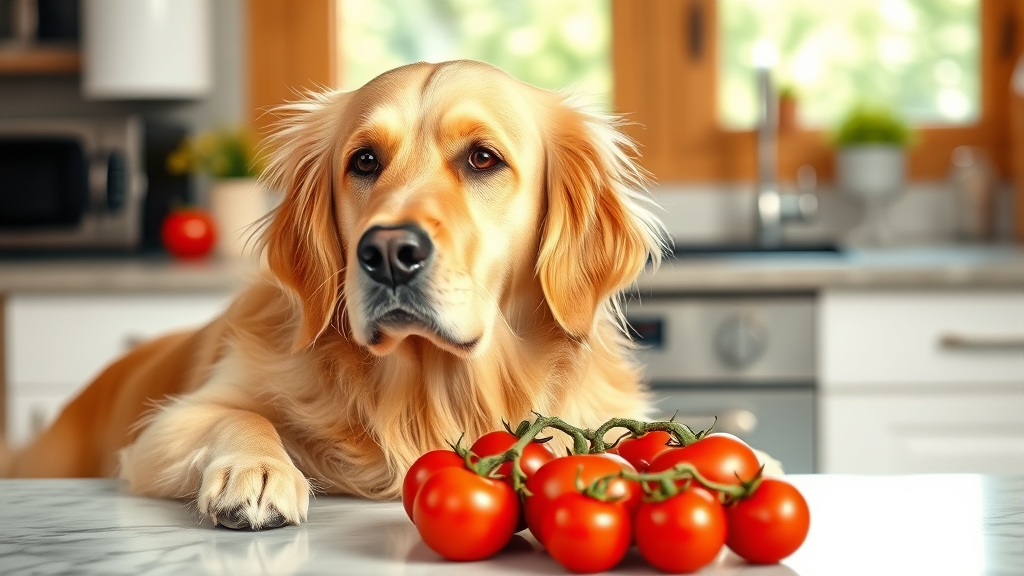
As a responsible dog owner, you’ve likely wondered about sharing your favorite foods with your furry companion. One question that frequently arises is whether tomatoes are safe for dogs to consume. The answer isn’t as straightforward as you might expect, and understanding the complexities surrounding tomatoes and canine health is crucial for every pet owner.
Tomatoes belong to the nightshade family of plants, which includes potatoes, eggplants, and peppers. While ripe tomatoes are generally considered safe for dogs in small quantities, certain parts of the tomato plant contain compounds that can be toxic to our four-legged friends. This comprehensive guide will explore everything you need to know about tomatoes and dogs, helping you make informed decisions about your pet’s diet and safety.
Understanding Tomato Plant Toxicity
The tomato plant (Solanum lycopersicum) contains natural compounds that serve as a defense mechanism against insects and other pests. These compounds, primarily solanine and tomatine, are concentrated in the green parts of the plant, including the stems, leaves, and unripe fruit. While these alkaloids are present in much lower concentrations in ripe, red tomatoes, they can still pose risks to dogs, especially smaller breeds or those with sensitivities.
According to the ASPCA’s Animal Poison Control Center, the tomato plant is listed among plants that can be toxic to dogs. The severity of toxicity depends on several factors, including the amount consumed, the part of the plant ingested, the size of the dog, and the individual animal’s sensitivity to these compounds.
It’s important to note that the toxicity level varies significantly between different parts of the tomato plant. The highest concentrations of toxic compounds are found in the green parts, while ripe, red tomatoes contain much lower levels. This distinction is crucial for pet owners who may have tomato plants in their gardens or who are considering sharing tomato-based foods with their dogs.
Ripe vs. Unripe Tomatoes: The Critical Difference
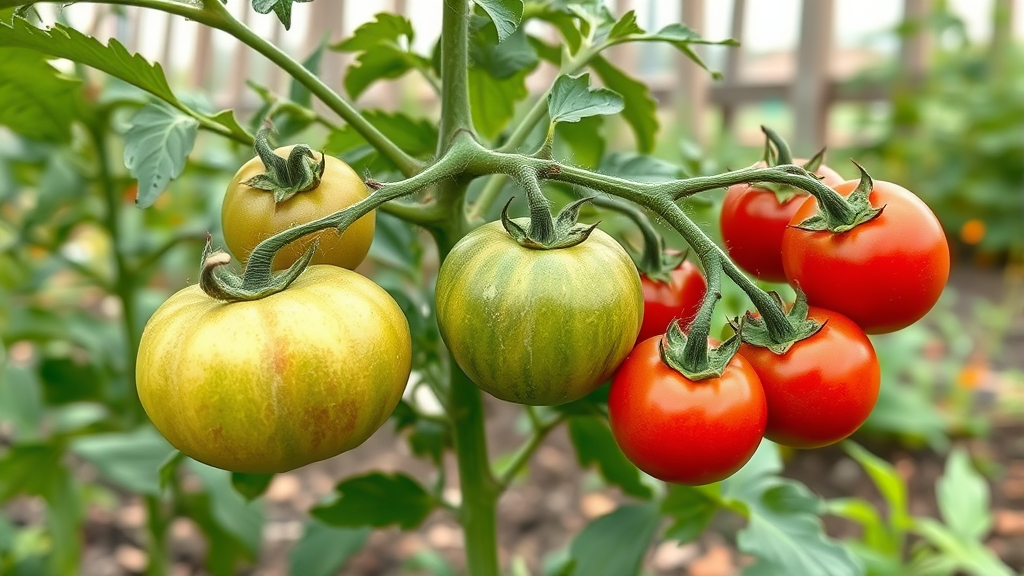
The ripeness of a tomato plays a crucial role in determining its safety for canine consumption. Ripe, red tomatoes that have fully matured on the vine contain significantly lower levels of solanine and tomatine compared to their green, unripe counterparts. As tomatoes ripen, the concentration of these toxic alkaloids naturally decreases, making fully ripe tomatoes relatively safer for dogs.
Green tomatoes, whether they’re unripe fruits or green varieties like green zebra tomatoes, contain much higher levels of toxic compounds. Even small amounts of green tomatoes can cause digestive upset in dogs, and larger quantities can lead to more serious symptoms. Pet owners should be particularly cautious during gardening season when unripe tomatoes may fall from plants and become accessible to curious dogs.
The transition from green to red doesn’t happen overnight, and tomatoes in various stages of ripening may be present in gardens simultaneously. Partially ripe tomatoes that still show green areas should be treated with the same caution as fully green tomatoes. Only completely ripe, uniformly red tomatoes should ever be considered for occasional sharing with dogs, and even then, only in very small quantities.
Solanine and Tomatine: The Dangerous Compounds
Solanine and tomatine are glycoalkaloids naturally produced by plants in the nightshade family as a defense mechanism. These compounds are bitter-tasting and toxic to many animals, including dogs. Understanding how these substances affect canine physiology is essential for recognizing potential dangers and making informed decisions about tomato consumption.
Solanine is the more well-known of the two compounds and is also found in green potatoes and potato sprouts. In dogs, solanine can cause gastrointestinal irritation, neurological symptoms, and in severe cases, respiratory distress. The compound interferes with the nervous system’s normal functioning and can lead to muscle weakness, confusion, and coordination problems.
Tomatine, while chemically similar to solanine, is specific to tomatoes and related plants. This compound can cause similar symptoms to solanine poisoning, including vomiting, diarrhea, lethargy, and abdominal pain. The National Center for Biotechnology Information has documented the effects of these alkaloids on various animal species, highlighting their potential for causing serious health issues.
Recognizing Symptoms of Tomato Poisoning
Early recognition of tomato poisoning symptoms can be crucial for your dog’s health and recovery. The severity and onset of symptoms can vary depending on the amount consumed, the part of the plant ingested, and your dog’s size and individual sensitivity. Most symptoms typically appear within a few hours of consumption, though some may take longer to manifest.
Gastrointestinal symptoms are often the first to appear and may include vomiting, diarrhea, excessive drooling, and loss of appetite. Dogs may also experience abdominal pain, which they might express through restlessness, whining, or adopting unusual postures. These digestive symptoms can range from mild discomfort to severe distress, depending on the level of toxin exposure.
Neurological symptoms can develop as the toxins affect the nervous system. These may include lethargy, weakness, confusion, difficulty walking, tremors, or seizures in severe cases. Some dogs may also experience dilated pupils, increased heart rate, or difficulty breathing. If you observe any combination of these symptoms, especially after known or suspected tomato consumption, immediate veterinary attention is warranted.

Safe Feeding Practices for Tomatoes
If you decide to occasionally share small amounts of ripe tomatoes with your dog, following safe feeding practices is essential. First and foremost, only offer fully ripe, red tomatoes that are free from any green areas. Remove all stems, leaves, and any attached green parts before offering the tomato to your dog. Wash the tomato thoroughly to remove any pesticides or dirt that might be present on the skin.
Portion control is critical when sharing tomatoes with dogs. Even ripe tomatoes should only be given as an occasional treat and in very small quantities. A few small pieces are sufficient for most dogs, and larger breeds should still receive only modest amounts. Remember that treats, including tomatoes, should never make up more than 10% of your dog’s daily caloric intake.
Preparation method matters significantly. Fresh, raw ripe tomatoes are preferable to processed tomato products, which often contain added salt, garlic, onions, or other ingredients that can be harmful to dogs. Avoid giving your dog tomato sauce, paste, juice, or any cooked dishes containing tomatoes, as these may contain additional harmful ingredients. Just as you’d be cautious about whether dogs can eat onions, you should be mindful of other ingredients in tomato-based products.
Potential Nutritional Benefits of Ripe Tomatoes
While the risks associated with tomatoes often overshadow their potential benefits, ripe tomatoes do contain several nutrients that could theoretically benefit dogs when given in appropriate amounts. Tomatoes are rich in lycopene, a powerful antioxidant that gives them their red color and may help protect against cellular damage. They also contain vitamin C, potassium, and folate, which support various bodily functions.
However, it’s important to note that dogs produce their own vitamin C, unlike humans, so they don’t require dietary sources of this vitamin. The potential benefits of the nutrients in tomatoes must be weighed against the risks, and most veterinary nutritionists agree that dogs can obtain all necessary nutrients from a well-balanced commercial dog food without the need for supplemental fruits or vegetables.
The water content in tomatoes is high, which could provide minor hydration benefits, but again, fresh water should always be the primary source of hydration for dogs. The fiber content might offer minimal digestive benefits, but there are safer, more appropriate sources of fiber for dogs that don’t carry the same risks as tomatoes.
Safe Vegetable Alternatives for Dogs
Rather than risking potential tomato toxicity, pet owners have numerous safer vegetable options to share with their dogs. Many vegetables provide excellent nutritional benefits without the associated risks of nightshade plants. Understanding which vegetables are safe can help you provide healthy, enjoyable treats for your canine companion.
Carrots are an excellent choice, as they’re low in calories, high in fiber, and contain beta-carotene. Carrots are good for dogs and can be served raw or cooked, though raw carrots provide additional dental benefits through their crunchy texture. Green beans are another safe option, providing vitamins and minerals while being low in calories, making them ideal for dogs that need to maintain or lose weight.
Cruciferous vegetables like broccoli and cauliflower can also be safe options when prepared properly. Dogs can eat broccoli in small amounts, and cauliflower is also safe for canine consumption when served plain and in moderation. Sweet potatoes, pumpkin, and corn (in moderation) are additional options that many dogs enjoy and that provide nutritional benefits.
When introducing any new vegetable to your dog’s diet, start with small amounts and monitor for any adverse reactions. Always prepare vegetables plainly, without added seasonings, oils, or other ingredients that might be harmful to dogs. Steam or boil vegetables to make them easier to digest, and always remove any seeds, pits, or inedible parts before serving.
What to Do in Emergency Situations
If you suspect your dog has consumed tomato plants, green tomatoes, or large quantities of any tomato products, quick action is essential. First, try to determine what and how much your dog consumed, as this information will be valuable to veterinary professionals. Remove any remaining tomato material from your dog’s reach to prevent further consumption.
Contact your veterinarian immediately or call the ASPCA’s Animal Poison Control Center at (888) 426-4435 for professional guidance. The American Veterinary Medical Association recommends having important contact information readily available for such emergencies. Be prepared to provide details about your dog’s size, the estimated amount consumed, and the time of consumption.
While waiting for professional guidance, monitor your dog closely for any symptoms of poisoning. Keep your dog calm and comfortable, but don’t induce vomiting unless specifically instructed to do so by a veterinary professional. Some substances can cause more damage coming back up, and the decision to induce vomiting should always be made by qualified personnel.
Document any symptoms you observe, including the time they appeared and their severity. Take photos or videos if possible, as this information can help veterinarians assess the situation more effectively. If your dog requires emergency veterinary care, bring any remaining tomato material or packaging with you to help identify exactly what was consumed.
Frequently Asked Questions
Are tomatoes bad for dogs to eat?
Tomatoes can be problematic for dogs, but the answer depends on which part of the plant and the ripeness. Ripe, red tomatoes are generally considered safe in very small amounts, but green tomatoes, stems, leaves, and other green parts of the tomato plant contain higher levels of toxic compounds called solanine and tomatine. These substances can cause gastrointestinal upset, neurological symptoms, and other health issues in dogs.
What happens if my dog eats a cherry tomato?
If your dog eats a single ripe cherry tomato, they will likely be fine, especially if they’re a larger breed. Cherry tomatoes contain the same compounds as regular tomatoes but in smaller quantities. However, monitor your dog for any signs of digestive upset such as vomiting, diarrhea, or lethargy. If your dog consumed multiple cherry tomatoes or if they were unripe (green), contact your veterinarian for guidance.
Can dogs eat cooked tomatoes or tomato sauce?
Dogs should not eat cooked tomatoes or tomato sauce. While cooking doesn’t eliminate the toxic compounds, most tomato-based products contain additional ingredients that are harmful to dogs, such as garlic, onions, excessive salt, or artificial preservatives. These added ingredients can be more dangerous than the tomatoes themselves. Stick to plain, ripe, fresh tomatoes in very small amounts if you choose to share with your dog.
How much tomato is toxic to dogs?
The toxic amount varies significantly based on your dog’s size, the part of the tomato plant consumed, and individual sensitivity. Green parts of the plant are much more toxic than ripe fruit. While there’s no established toxic dose, even small amounts of green tomatoes or plant parts can cause symptoms in sensitive dogs. It’s best to avoid tomatoes altogether or only offer tiny amounts of ripe, red tomatoes as an occasional treat.
What are the symptoms of tomato poisoning in dogs?
Symptoms of tomato poisoning typically include gastrointestinal signs such as vomiting, diarrhea, excessive drooling, and loss of appetite. Neurological symptoms may include lethargy, weakness, confusion, difficulty walking, tremors, or in severe cases, seizures. Other signs can include dilated pupils, increased heart rate, difficulty breathing, and abdominal pain. Symptoms usually appear within a few hours of consumption.
Should I be worried if my dog ate tomato leaves or stems?
Yes, you should be concerned if your dog consumed tomato leaves or stems, as these parts of the plant contain the highest concentrations of toxic compounds. Contact your veterinarian immediately for guidance, especially if your dog consumed a significant amount. Monitor your dog closely for symptoms of poisoning and be prepared to seek emergency veterinary care if symptoms develop or worsen.
Are there any dogs that should never eat tomatoes?
Dogs with known allergies or sensitivities to nightshade plants should never consume tomatoes. Additionally, dogs with existing gastrointestinal issues, kidney problems, or those taking certain medications should avoid tomatoes. Puppies, senior dogs, and very small breeds may be more susceptible to the effects of toxic compounds and should be given extra caution. When in doubt, consult with your veterinarian about your specific dog’s dietary needs and restrictions.





