
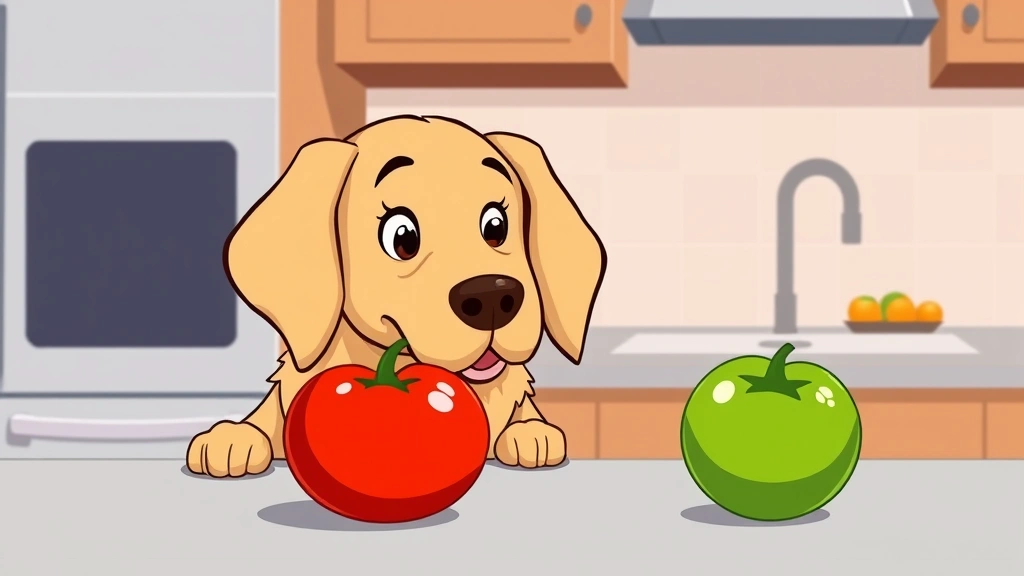
Your dog just snagged a cherry tomato off the counter. Your heart skips. You’re wondering: are tomatoes bad for dogs? The short answer? It’s complicated—and honestly, most of the time, a single tomato won’t cause a crisis. But there’s real nuance here that every dog owner needs to know.
I’ve seen dogs get into everything in the exam room, and tomatoes come up surprisingly often. The truth is, ripe red tomatoes in small amounts are generally okay for dogs. But unripe green tomatoes? That’s a different story. And there are specific situations where you absolutely need to be cautious.
Let me break down what actually happens when dogs eat tomatoes, which parts are safe, and when you should call the vet instead of scrolling Reddit.
Ripe vs. Unripe Tomatoes: The Real Difference
Here’s where most people get confused: not all tomatoes are created equal when it comes to dog safety.
Ripe tomatoes (the bright red ones at peak ripeness) are mostly safe for dogs in small amounts. They’re about 95% water, low in calories, and don’t contain harmful levels of problematic compounds. A ripe tomato is basically a hydrating snack—similar to offering your dog a piece of watermelon.
Unripe or green tomatoes are the real concern. These contain higher levels of alkaloids, particularly solanine, which is a naturally occurring pesticide that the plant produces to protect itself. Think of it as the tomato plant’s defense mechanism. When the tomato ripens and turns red, solanine levels drop dramatically. But in green tomatoes? They’re concentrated.
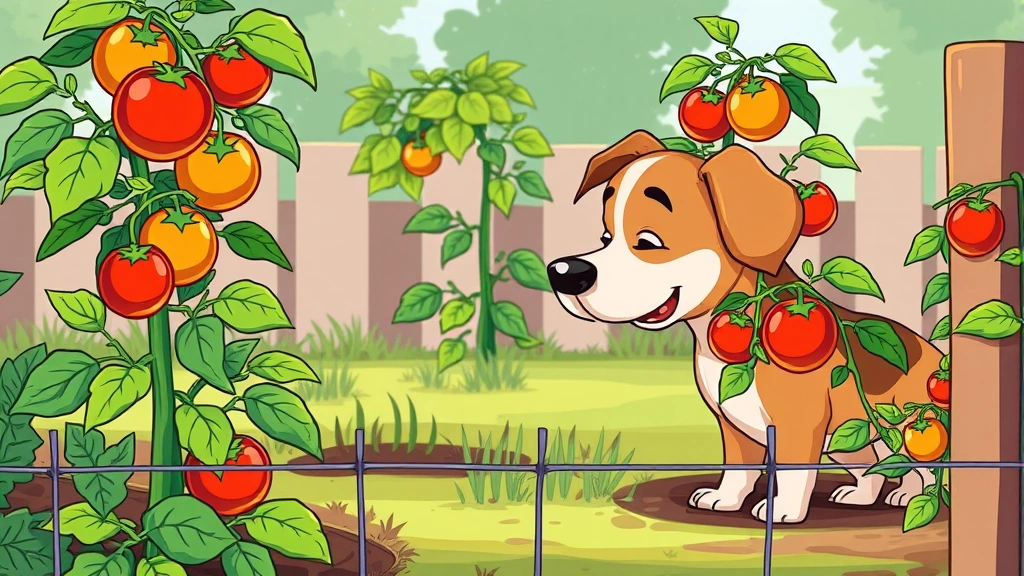
The same goes for tomato stems and leaves. If your dog gets into a tomato plant in your garden, that’s when you need to pay attention. The plant itself is more toxic than the fruit.
Pro Tip: If you grow tomatoes at home, keep the plants fenced off or in a raised bed your dog can’t access. The stems and leaves are the real hazard, not the fruit itself.
What Makes Unripe Tomatoes Toxic to Dogs
The main culprit in unripe tomatoes is solanine, an alkaloid compound. Dogs are more sensitive to solanine than humans are, which is why we can eat a green tomato salad without issues, but your dog shouldn’t have the same freedom.
Solanine affects the digestive system and the nervous system. It can cause gastrointestinal upset, and in larger doses, it can interfere with nerve function. But here’s the important part: your dog would need to eat a significant amount of unripe tomatoes to reach truly toxic levels. We’re talking multiple cups of green tomatoes, not a single bite.
According to the ASPCA Animal Poison Control Center, tomato toxicity in dogs is relatively rare because most dogs won’t eat enough green tomatoes to cause serious harm. That said, puppies and smaller breeds are at higher risk because their body weight means a smaller dose has a bigger impact.
Tomatine is another alkaloid in tomatoes (especially unripe ones), though it’s less concentrated than solanine. Together, these compounds are why veterinarians recommend caution with green tomatoes.
The ripeness matters because as tomatoes ripen, these alkaloid levels plummet. A fully ripe tomato has such low levels of solanine that it’s essentially a non-issue for most dogs.
How to Safely Give Your Dog Tomatoes
If you want to share a ripe tomato with your dog, here’s how to do it responsibly:
- Only offer ripe, red tomatoes. Skip the green ones entirely. If it’s not fully red and soft, don’t give it to your dog.
- Remove the stem and leaves. These parts contain higher alkaloid concentrations. Just give the fruit itself.
- Serve in moderation. Tomatoes should be a tiny treat, not a meal component. Think of it like a lick of peanut butter—occasional, not regular.
- Cut it into appropriate sizes. For small dogs, quarter the tomato or cut it into cherry-tomato-sized pieces. For larger dogs, you can offer a few slices. The goal is preventing choking and keeping portions small.
- Watch for digestive upset. Some dogs have sensitive stomachs. If your dog has a history of GI issues, skip tomatoes altogether. The acidity can trigger problems in sensitive dogs.
- Don’t cook tomatoes with garlic or onions. These are actually toxic to dogs, so if you’re offering cooked tomato, make sure it’s plain.
Think of tomatoes like a “sometimes” food—like how you might occasionally have a slice of pizza, but you wouldn’t make it your daily snack.
Signs Your Dog Ate Too Many Tomatoes
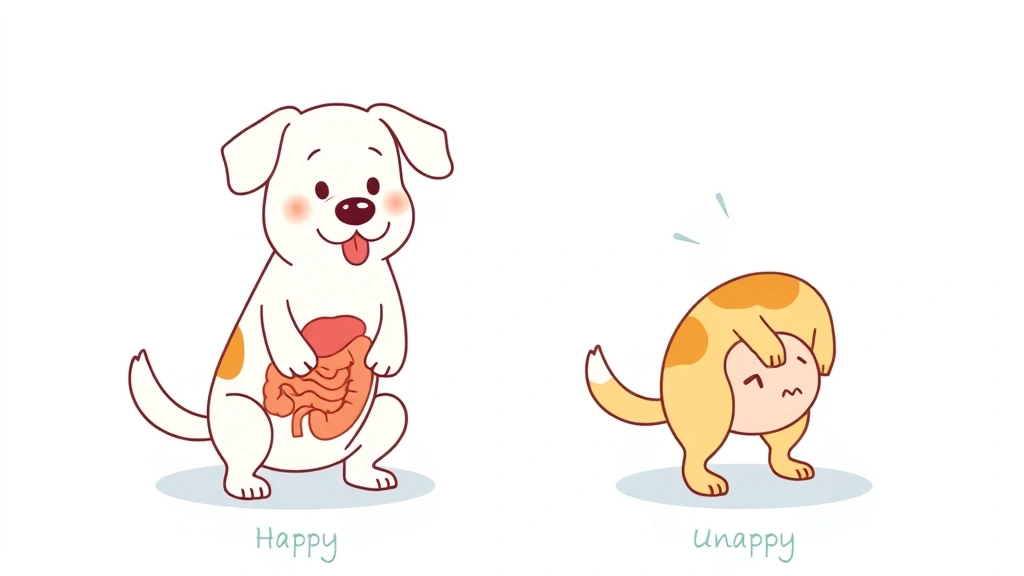
If your dog got into the garden or somehow ate a bunch of unripe tomatoes, here’s what to watch for:
- Vomiting – Usually one of the first signs. It might happen within a few hours.
- Diarrhea – Loose stools or frequent bathroom trips. The digestive system is irritated.
- Lethargy – Your dog seems unusually tired or uninterested in activities they normally love.
- Loss of appetite – They’re not interested in their normal meals.
- Abdominal pain – Whining, restlessness, or a hunched posture (like they’re in a play bow but staying there).
- Drooling excessively – More saliva than normal.
- Tremors or weakness – In severe cases (which are rare), neurological signs can appear. This is uncommon with tomatoes but possible with large quantities.
Most cases of mild tomato toxicity resolve on their own within 24-48 hours. The dog gets an upset stomach, has some diarrhea, and bounces back. But if your dog is showing multiple signs or seems really unwell, contact your vet.
Safety Warning: If your dog ate unripe tomatoes and is showing signs of toxicity, call your vet or the ASPCA Poison Control (888-426-4435) right away. They can assess based on your dog’s weight and the amount eaten.
Tomato Products: Sauce, Paste, and Juice
This is where a lot of people mess up. Just because plain ripe tomatoes are okay doesn’t mean all tomato products are safe.
Tomato sauce: Usually contains added salt, sugar, garlic, and onions. That’s a no-go for dogs. Even “plain” tomato sauce often has garlic in it. Garlic is toxic to dogs, so skip the sauce entirely.
Tomato paste: Concentrated tomatoes without the water. The problem? It’s often made from unripe tomatoes to get a better yield, meaning higher solanine levels. Plus, it’s very concentrated, so even a small amount packs a punch. Avoid it.
Tomato juice: Plain tomato juice (unsalted, no additives) is technically safer than paste, but it’s still concentrated and acidic. Most dogs don’t need it, and it offers minimal nutritional benefit.
Ketchup: Absolutely not. Ketchup has sugar, salt, vinegar, and often garlic or onion powder. It’s basically dog junk food.
Salsa: Hard pass. Onions and garlic are almost always in salsa, and those are genuinely toxic to dogs.
If you’re cooking for your dog and want to include tomato, use fresh ripe tomatoes that you’ve cooked plain (no seasonings). Even then, it should be a minor ingredient in a larger meal, not a main component.
Better Vegetable Alternatives for Dogs
If you want to give your dog vegetables, there are safer, more nutritious options than tomatoes. Here are vegetables that are genuinely good for dogs:
- Carrots: Crunchy, low-calorie, and great for teeth. Raw or cooked, both work. Dogs usually love them.
- Green beans: Low in calories, packed with fiber. Plain and unsalted is best.
- Pumpkin: Great for digestion. Plain canned pumpkin (not pie filling) is a vet favorite.
- Sweet potato: Nutrient-dense and naturally sweet. Most dogs think it’s a treat.
- Broccoli: Safe in small amounts. Check out our guide on whether dogs can eat broccoli for specifics.
- Brussels sprouts: Similar to broccoli. Learn more in our article about dogs and Brussels sprouts.
- Zucchini: Low-calorie and hydrating. Dogs usually tolerate it well.
These vegetables offer actual nutritional benefits—fiber, vitamins, minerals—without the alkaloid concerns of tomatoes. If you’re looking to add variety to your dog’s diet, these are better choices.
If your dog has specific health concerns (kidney disease, diabetes, etc.), check with your vet before adding any new vegetables. What’s safe for a healthy dog might not be appropriate for one with medical issues.
Frequently Asked Questions
Can dogs eat cherry tomatoes?
– Yes, if they’re fully ripe and red. Cherry tomatoes are small, so they’re actually easier to portion control than large tomatoes. Just remove the stem, cut it in half if your dog is small (choking hazard), and offer as an occasional treat. One or two cherry tomatoes for a medium-sized dog is fine.
What if my dog ate a green tomato from the garden?
– Stay calm. One green tomato usually won’t cause serious toxicity. Monitor your dog for the next 24-48 hours for signs of gastrointestinal upset (vomiting, diarrhea, lethargy). If your dog seems fine, they probably are. If they’re showing multiple symptoms or seem really unwell, contact your vet. If your dog ate multiple green tomatoes, definitely call the vet or poison control.
Is tomato juice safe for dogs?
– Plain, unsalted tomato juice is technically safe in tiny amounts, but there’s no real reason to give it to your dog. It offers minimal nutritional benefit and the acidity can upset sensitive stomachs. Stick with plain water for hydration.
Can dogs have tomato soup?
– No. Tomato soup typically contains cream, salt, garlic, and onions. Even “homemade” versions usually have seasonings that aren’t appropriate for dogs. Plus, the temperature can be a concern. Skip it.
My dog ate tomato-based dog food. Is that okay?
– Yes. Commercial dog foods that include tomato are formulated to be safe for dogs. The tomato is processed, and the formula is balanced. If it’s an established brand and your dog is doing well on it, there’s no concern. The issue is with whole tomatoes or concentrated products, not tomato as an ingredient in balanced pet food.
Are tomato leaves and stems toxic?
– Yes, more so than the fruit itself. Tomato plant leaves and stems contain higher concentrations of solanine and tomatine. If your dog ate tomato plant leaves or stems, monitor closely for signs of toxicity. Contact your vet if your dog seems unwell, especially if they ate a large amount.
Can puppies eat tomatoes?
– Ripe tomatoes in very small amounts are okay for puppies, but I’d recommend skipping them entirely. Puppies have developing digestive systems, and they’re more sensitive to compounds like solanine. Their smaller body weight means a smaller dose has a bigger impact. Stick with puppy-safe vegetables like carrots or green beans instead.
Is tomato bad for dogs with sensitive stomachs?
– Yes. If your dog has a history of GI issues, inflammatory bowel disease, or chronic diarrhea, skip tomatoes. The acidity and fiber can trigger flare-ups. Stick with bland, easily digestible vegetables like plain cooked sweet potato or pumpkin.
The Bottom Line: Ripe red tomatoes in small amounts are generally safe for dogs, but they’re not necessary or particularly beneficial. Unripe green tomatoes, tomato plants, and tomato products (sauce, paste, ketchup) should be avoided. If your dog got into a ripe tomato, they’re probably fine. If they ate green tomatoes or tomato plants, monitor them and contact your vet if they show signs of illness. When in doubt, choose safer vegetable alternatives like carrots, green beans, or sweet potato. Your dog won’t miss tomatoes, and you’ll have peace of mind.
For more information on what fruits and vegetables are safe for dogs, check out resources from the American Kennel Club and talk to your veterinarian about your dog’s specific dietary needs. If you’re interested in other acidic fruits, learn about whether dogs can eat lemon or dogs can have grapefruit. And if you’re exploring herbs, we’ve covered whether dogs can have basil as well. For protein options, learn about salmon and dogs for a nutritious alternative.





