

If you’ve got a furry friend who’s starting to move like they’re walking through peanut butter, arthritis prevention supplements might be your new best friend. Whether your pup is a spry youngster or a golden oldie, joint health doesn’t have to be a guessing game anymore. Let’s dive into what actually works, what’s snake oil, and how to keep those joints moving smoother than a cat on hardwood floors.
Understanding Joint Health Before the Creaky Years Hit
Here’s the thing nobody tells you about pet joints: they’re basically tiny mechanical marvels that wear down over time. Think of them like the suspension on your car—if you maintain it, you’ll cruise for years. If you ignore it, well, things get bumpy fast. Joint supplements for dogs and cats work best when you start early, ideally before your pet starts limping around like they’re auditioning for a pirate movie.
The science behind joint health is actually pretty straightforward. Your pet’s cartilage is constantly breaking down and rebuilding. When the breakdown outpaces the rebuilding, that’s when arthritis shows up uninvited to the party. This is where preventative supplements come in clutch.
The Big Three: Glucosamine, Chondroitin, and MSM
If you’ve been researching arthritis prevention supplements, you’ve probably seen these three names more times than you’ve seen your cat ignore you. Let’s break down what they actually do instead of just throwing science jargon at you.
Glucosamine is like the construction worker of the joint world. It helps rebuild cartilage and keeps things lubricated. Most vets agree it’s the MVP of joint supplements. Your pet’s body naturally produces it, but as they age, production drops faster than a cat from a countertop. Studies show it can reduce joint inflammation and improve mobility, especially when combined with other supplements.
Chondroitin is glucosamine’s sidekick. While glucosamine builds things up, chondroitin helps retain water in the cartilage, keeping it cushioned and happy. Together, they’re like a dynamic duo that actually works (unlike most superhero teams).
MSM (Methylsulfonylmethane) is the anti-inflammatory warrior. It reduces swelling and pain without making your pet loopy. Many pet owners notice their dogs move better within a few weeks of starting MSM supplements.
Omega-3 Fatty Acids: The Inflammation Fighter You Didn’t Know You Needed
Fish oil isn’t just for making your pet’s coat shinier than a freshly waxed car. Omega-3 fatty acids are serious inflammation-fighting powerhouses. They work systemically throughout your pet’s body, reducing joint inflammation from the inside out.
The cool part? Omega-3s support overall health too—better skin, healthier immune system, improved cognitive function. It’s like getting a buy-one-get-three-free deal at your local supplement store. Most quality fish oil supplements for pets provide EPA and DHA in therapeutic doses. Look for products specifically formulated for pets, since the dosing matters.
Pro tip: If your pet has a sensitive stomach, check out sensitive stomach supplements that combine joint support with digestive care. Some pets do better when their supplements support their entire system.
Turmeric and Curcumin: The Golden Anti-Inflammatory
Turmeric isn’t just for your morning latte anymore. Curcumin, the active compound in turmeric, is genuinely one of the most researched natural anti-inflammatories out there. Studies show it can be as effective as some NSAIDs for pain management, minus the potential side effects.
The catch? Turmeric has terrible bioavailability on its own, meaning your pet’s body struggles to absorb it. That’s why quality supplements combine it with black pepper (piperine) or use specialized delivery systems. Some formulations include curcumin with other joint-supporting ingredients for maximum impact.
Your older dog might notice reduced stiffness and improved flexibility within 2-4 weeks of consistent turmeric supplementation. Just remember, it’s not a miracle cure—it’s a solid preventative tool.
Hyaluronic Acid: The Lubrication Station
Ever wonder why joints move smoothly? Synovial fluid, baby. And hyaluronic acid is a major component of that fluid. It acts like WD-40 for your pet’s joints, keeping everything gliding smoothly.
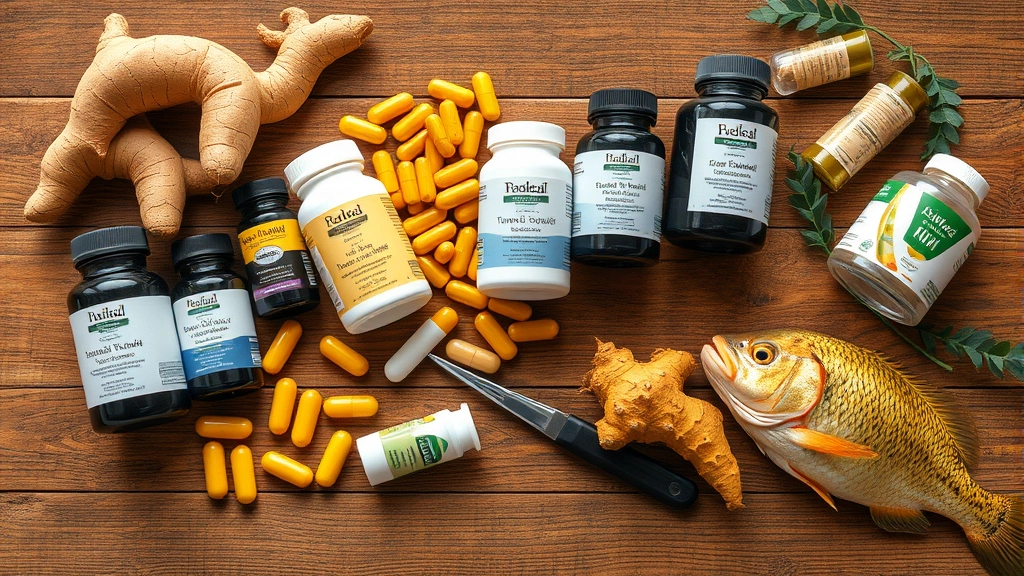
As pets age, hyaluronic acid production decreases, which is why older pets often have that stiff-when-they-first-wake-up situation. Supplementing with hyaluronic acid can help maintain joint lubrication and reduce that morning stiffness. It’s particularly helpful for large breed dogs prone to joint issues.
Collagen and Gelatin: Building Blocks for Joint Structure
Your pet’s joints are literally built from collagen. It’s the structural protein that gives cartilage its strength and flexibility. As pets age, collagen breaks down faster than it rebuilds—hence the creaky joints.
Supplementing with collagen peptides or hydrolyzed collagen provides the building blocks your pet’s body needs to maintain joint structure. Some supplements use type II collagen specifically because that’s the main type found in cartilage. It works best when combined with glucosamine and chondroitin for synergistic effects.
Interestingly, collagen supplements can also support skin, coat, and digestive health. If you’re looking for comprehensive support, explore multi-strain probiotics for pets that work alongside collagen for whole-body wellness.
Timing Is Everything: When to Start Arthritis Prevention
Here’s where most pet owners mess up: they wait until their dog is limping to start joint supplements. By then, you’re playing catch-up instead of staying ahead of the game.
Large breed dogs should start joint supplements around 6-12 months old, before growth plates fully close. Smaller breeds can typically wait until 18-24 months. Senior pets (7+ years) should definitely be on some form of joint support unless they’re unicorns with perfect joints.
The best time to start is always “now.” If your pet is already showing signs of joint issues, don’t wait another day. If they’re young and healthy, preventative supplements are still worthwhile insurance.
Choosing Quality Supplements: Not All Bottles Are Created Equal
The supplement industry is wilder than a cat in a bathtub. Some products are legit, some are basically expensive placebo. Here’s how to separate the good stuff from the garbage.
Look for third-party testing certifications (NASC, ConsumerLab). Check if the manufacturer provides certificate of analysis. Verify that active ingredient amounts are clearly listed—vague labels like “joint complex blend” are red flags. Quality matters because your pet’s body can only use what’s actually bioavailable.
Reputable brands work with veterinarians, invest in research, and are transparent about sourcing. Your vet can recommend trusted brands they’ve seen work with their patients. External resources like the American Kennel Club and PetMD offer guidance on supplement selection.
Combining Supplements for Maximum Effect
Here’s the secret sauce: single-ingredient supplements work, but combinations work better. Glucosamine plus chondroitin plus MSM plus omega-3s plus turmeric creates a synergistic effect that’s greater than the sum of its parts.
Most quality joint supplements are already formulated with complementary ingredients. If you’re building your own protocol, work with your vet to avoid redundancy or excessive dosing. Some pets benefit from liquid probiotics for pets combined with joint supplements to optimize nutrient absorption and digestive health.
Lifestyle Factors That Amplify Supplement Benefits
Supplements are powerful, but they’re not magic wands. Pair them with proper exercise, weight management, and a quality diet for best results.

Regular, low-impact exercise keeps joints mobile and muscles strong. Swimming is phenomenal for arthritic pets because it supports the joints while building strength. Maintaining healthy weight reduces stress on joints—every pound of excess weight puts extra pressure on the joints. A premium diet with adequate protein supports muscle maintenance and overall health.
Cold weather stiffness is real, so keep your pet warm and ensure they have comfortable bedding. Orthopedic beds aren’t just luxury items; they genuinely reduce joint stress during sleep.
Realistic Expectations: What Supplements Can and Cannot Do
Let’s be real: supplements won’t reverse advanced arthritis or replace necessary veterinary care. They’re preventative and supportive tools, not cure-alls. If your pet is in significant pain, your vet might recommend NSAIDs, physical therapy, or other interventions alongside supplements.
Most pets show noticeable improvement within 4-8 weeks of consistent supplementation. Some respond faster, some slower. Consistency matters way more than jumping between products. Give supplements at least 6-8 weeks before deciding they’re not working.
Frequently Asked Questions
How long does it take for arthritis prevention supplements to work?
Most pets show noticeable improvement within 4-8 weeks of consistent use. Some respond within 2-3 weeks, while others might take 12 weeks. Consistency is key—daily supplementation works better than sporadic dosing. If you don’t see improvement after 8-12 weeks, discuss with your vet about adjusting the formulation or dosage.
Are arthritis prevention supplements safe for young pets?
Absolutely. Starting supplements early is actually smart prevention. Young large breed dogs especially benefit from early joint support. Supplements are generally safe for pets of all ages when dosed appropriately. Always follow label recommendations based on your pet’s weight and age.
Can supplements replace prescription arthritis medications?
Not necessarily. Some pets do well on supplements alone, while others need pharmaceutical support for significant pain. This is a conversation for your veterinarian. Many vets recommend combining supplements with medications for optimal results, then potentially reducing medication as supplements take effect.
What’s the difference between arthritis prevention and arthritis treatment supplements?
Prevention supplements focus on maintaining joint health and slowing degeneration. Treatment supplements often contain higher concentrations of active ingredients and additional pain-relieving compounds. Prevention supplements work best when started early, while treatment supplements address existing damage.
Should I give supplements year-round or just seasonally?
Year-round supplementation is ideal for consistent joint support. Some pets experience seasonal flare-ups (winter stiffness is common), so year-round dosing prevents these episodes. Once your pet is on a supplement regimen that works, consistency is crucial for maintaining benefits.
The Bottom Line: Investing in Joint Health Now Pays Dividends Later
Arthritis prevention supplements are one of the smartest investments you can make for your pet’s long-term mobility and quality of life. Whether you’re starting preventatively with a young dog or addressing existing joint issues with a senior cat, the right supplement protocol can make a genuine difference.
The key is choosing quality products, starting early, maintaining consistency, and combining supplements with proper exercise and nutrition. Your pet’s future self will thank you for taking joint health seriously today. Check out our blog for more pet wellness information, and always consult with your veterinarian before starting any new supplement regimen.
Your pet depends on you to keep them moving smoothly through their golden years. With the right arthritis prevention supplements and lifestyle support, those years can be filled with zoomies, not limps.





