
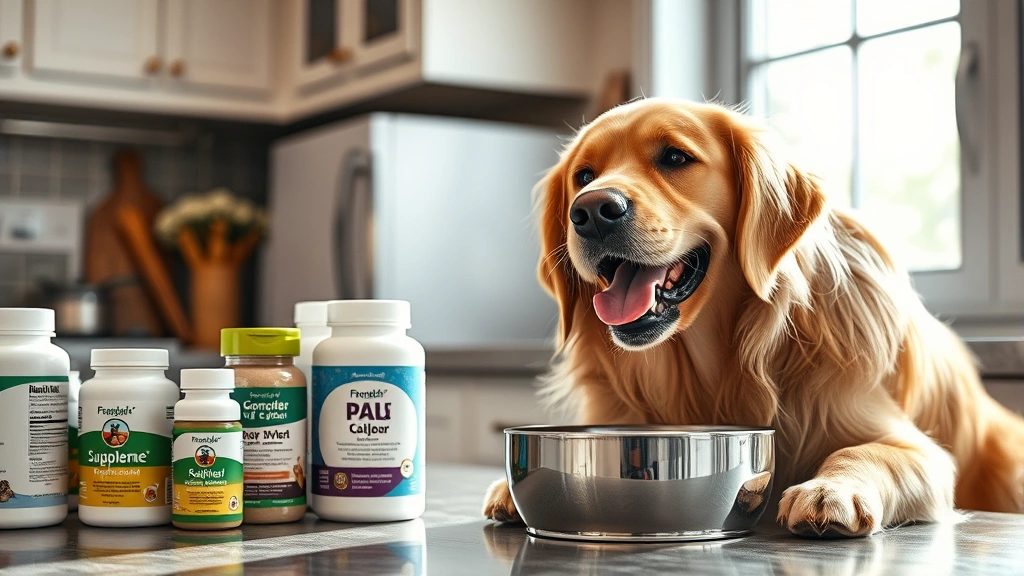
Let’s be real—vet bills can make your wallet weep like a cat in a bathtub. But here’s the good news: at-home pet treatments can help you manage your furry friend’s health without draining your bank account. Whether your pup has a minor skin issue, digestive drama, or just needs some TLC, there are legitimate, safe ways to treat common pet problems right in your living room. We’re not talking about replacing your vet (they’re still your MVP), but rather smart supplementation and care strategies that work alongside professional veterinary medicine.
Why At-Home Pet Care Is Gaining Popularity
Pet owners are increasingly turning to preventative home care and natural remedies. It makes sense—you know your pet better than anyone else, and sometimes a quick intervention at home can prevent a full-blown vet emergency. Plus, when you’re dealing with chronic conditions like digestive sensitivities or joint discomfort, home pet remedies offer ongoing support between vet visits. The key is knowing which treatments are safe, effective, and actually worth your time.
1. Probiotic Supplementation for Digestive Health
If your pet’s gut is acting like a rebellious teenager, probiotics might be your answer. These beneficial bacteria help restore digestive balance and can reduce issues like loose stools, bloating, and general tummy troubles. Multi-strain probiotics for pets are particularly effective because they introduce multiple beneficial bacteria strains that work synergistically. You can find them in powder, liquid, or capsule form. Liquid probiotics for pets are especially convenient for picky eaters since you can mix them right into food. The best part? Most pets show improvement within 2-3 weeks, and you’re literally just sprinkling or squirting something onto their meal.
2. Managing Sensitive Stomach Issues at Home
Pets with sensitive stomachs need consistent, thoughtful care. Sensitive stomach supplements designed specifically for digestive support can work wonders. These typically contain ingredients like pumpkin, sweet potato, and digestive enzymes that soothe inflamed guts and improve nutrient absorption. The beauty of home treatment here is consistency—you control exactly what goes into your pet’s body every single day. No waiting for vet appointments or paying $200 for a single prescription diet when you can support their digestion proactively at home.
3. Feline-Specific Probiotic Solutions
Cats are notoriously finicky, and their digestive systems are equally particular. Powder probiotics for cats offer a sneaky way to boost feline gut health without a battle. Since cats have a shorter digestive tract than dogs, they need specific bacterial strains formulated just for them. Powder versions are ideal because you can disguise them in wet food, broth, or even on their favorite treats. One cat owner we know sprinkles it on a small amount of tuna juice—instant compliance.
4. Natural Remedies for Skin and Coat Issues
Minor skin irritations, dry patches, and dull coats often respond beautifully to home care. Omega-3 fatty acid supplements, coconut oil (in small amounts), and oatmeal baths can transform your pet’s skin health without prescription medications. These natural pet treatments work by reducing inflammation and nourishing skin from within. The advantage? You’ll see results over weeks, not months, and your pet will smell like a tropical vacation instead of a pharmacy.
5. Joint Support and Mobility Management
Aging pets and those with joint concerns don’t always need expensive prescription medications right away. Glucosamine, chondroitin, and MSM supplements can genuinely improve mobility and reduce discomfort. These ingredients work by supporting cartilage health and reducing inflammation in joints. You can start these supplements preventatively in large-breed puppies or add them to senior pets’ routines. Many owners report their arthritic dogs climbing stairs again or playing fetch without limping—all from a simple daily supplement.
6. Dental Care and Oral Health Treatments
Dental disease is rampant in pets, but you can prevent it at home with consistent care. Enzymatic toothpaste, dental chews, and water additives designed for oral health can significantly reduce plaque and tartar buildup. Brushing your pet’s teeth daily (yes, really) is the gold standard, but even inconsistent brushing combined with dental supplements beats doing nothing. Your pet’s breath will improve, and you’ll potentially avoid expensive dental cleanings down the road.
7. Wound Care and Minor Injury Treatment
Small cuts, scrapes, and minor wounds can absolutely be managed at home with proper supplies. Keep a pet first-aid kit stocked with antiseptic wipes, antibiotic ointment, sterile gauze, and non-stick bandages. For minor wounds, gentle cleaning and keeping the area dry prevents infection better than anything else. Obviously, deep wounds or anything that won’t stop bleeding needs a vet, but minor injuries? You’ve got this. This is where at-home pet treatments shine—quick intervention prevents small problems from becoming big (and expensive) ones.
8. Stress Relief and Behavioral Support
Anxiety and stress in pets can manifest as digestive issues, aggression, or destructive behavior. Natural calming supplements containing ingredients like L-theanine, chamomile, and valerian root can help without sedation. These are particularly useful during fireworks season, thunderstorms, or when introducing new pets to the household. The beauty of these treatments is they’re non-addictive and work alongside behavior modification training.
Creating Your At-Home Pet Treatment Cabinet
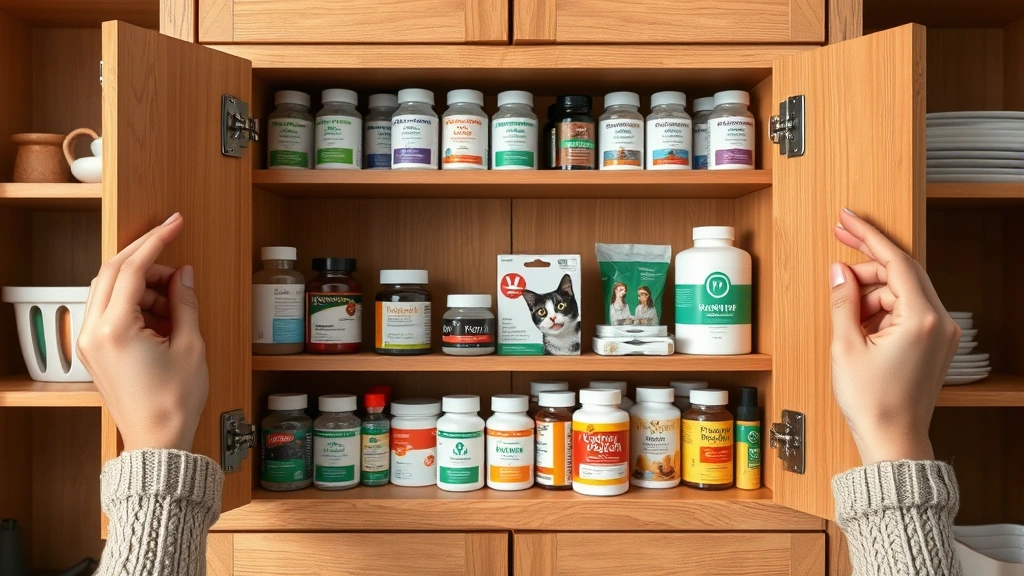
Smart pet owners maintain a well-stocked home treatment arsenal. Start with basics: quality probiotics, digestive supplements, first-aid supplies, and joint support if needed. Add items specific to your pet’s health concerns—skin supplements for itchy dogs, calming aids for anxious cats, or mobility support for senior pets. The investment upfront is minimal compared to emergency vet visits or ongoing prescription costs. Organization is key; keep everything in a cool, dry place and check expiration dates regularly.
When to Skip Home Treatment and Call Your Vet
Here’s the critical part: at-home pet treatments are supplementary, not replacements for veterinary care. If your pet shows signs of serious illness—vomiting that won’t stop, lethargy lasting more than a day, difficulty breathing, or bleeding—get to a vet immediately. Supplements work best for prevention and managing chronic, mild conditions. Think of them as your pet’s wellness insurance, not their emergency room. Your vet should always be your first call for anything serious or unexplained.
Frequently Asked Questions
Are at-home pet treatments safe?
Yes, when used appropriately. Quality supplements from reputable brands are formulated specifically for pet safety. However, always consult your vet before starting new supplements, especially if your pet is on medications. Some supplements can interact with prescriptions, so professional guidance matters.

How long does it take to see results from home treatments?
Most supplements show noticeable results within 2-4 weeks of consistent use. Joint supplements might take 6-8 weeks. Patience is essential—these work gradually by supporting your pet’s natural healing processes, not by forcing immediate changes like medications do.
Can I use human supplements for my pet?
Absolutely not. Human supplements contain different dosages, fillers, and ingredients that can be toxic to pets. Always purchase supplements specifically formulated for dogs, cats, or your specific pet species. The price difference is minimal, and safety is paramount.
Will home treatments eliminate vet visits?
No, and you shouldn’t want them to. At-home pet treatments support your pet’s health between vet visits and help prevent serious issues. Annual checkups, vaccinations, and professional diagnostics are irreplaceable. Think of home treatments as complementary care, not replacement care.
What’s the most cost-effective at-home treatment?
Probiotics offer the best bang for your buck. They’re affordable, have broad applications across multiple health issues, and work preventatively. A quality probiotic costs $15-30 monthly but can prevent digestive crises that cost hundreds to treat professionally.
The Bottom Line on At-Home Pet Treatments
At-home pet treatments represent smart, proactive pet ownership. By incorporating supplements, preventative care, and consistent wellness routines, you’re investing in your pet’s long-term health while keeping costs reasonable. Start with quality probiotics and digestive support if your pet has tummy troubles, add joint support for aging pets, and maintain basic first-aid supplies for minor emergencies. Work alongside your veterinarian, not against them. Your vet provides the expertise for serious issues; you provide the daily care and attention that keeps your pet thriving. Together, this partnership creates the healthiest, happiest life for your furry family member—without the financial devastation. Check out Your Local Scoop Blog for more pet health insights and treatment strategies.
External Resources: For more information on pet health, consult the American Kennel Club, PetMD, or your veterinary school’s extension resources.





