

Let’s be real—automatic pet feeders are basically the fairy godmothers of pet ownership. You know that guilt you feel when work runs late and Fluffy’s staring at an empty bowl? Yeah, these gadgets solve that problem faster than you can say “I’m a terrible pet parent.” Whether you’ve got a dog, cat, or both, there’s a feeder out there that’ll keep your furry friends fed on schedule while you’re crushing it at the office or actually having a social life for once.
Table of Contents
- Why Automatic Pet Feeders Are a Game-Changer for Busy Pet Parents
- Smart Feeders vs. Traditional Automatic Models: What’s the Difference?
- Top Features to Look For in the Best Automatic Pet Feeders
- Automatic Feeders for Dogs: Handling Different Breeds and Appetites
- Automatic Cat Feeders: Portion Control for Finicky Felines
- Budget-Friendly Automatic Feeders That Don’t Sacrifice Quality
- Smart Automatic Pet Feeders with App Control and Monitoring
- Installation and Setup: Making the Transition Easy
- Maintenance and Cleaning Tips for Long-Term Use
- Common Problems and Troubleshooting Tips
- Integrating Automatic Feeders with Your Pet’s Overall Health Plan
- Real-World Scenarios: When Automatic Feeders Save the Day
- Frequently Asked Questions
- Final Thoughts: Choosing Your Perfect Automatic Pet Feeder
The best part? Your pets get consistent meals, you get peace of mind, and nobody has to eat at 11 PM because you forgot breakfast. Let’s dive into the world of automated feeding and find the perfect match for your household chaos.
Why Automatic Pet Feeders Are a Game-Changer for Busy Pet Parents
Listen, we all want to be the person who hand-feeds their pet gourmet meals at exactly the right times. But reality? Most of us are juggling work, kids, social obligations, and that Netflix series everyone won’t stop talking about. Pet feeders that are automatic step in like a reliable friend who actually shows up.
These devices maintain consistent feeding schedules, which is crucial for your pet’s metabolism and digestion. Dogs and cats actually thrive on routine—it’s not just cute, it’s scientifically sound. According to the American Kennel Club, regular feeding times help prevent bloating, maintain healthy weight, and reduce behavioral issues. Plus, if your pet has specific dietary needs or health conditions, precise portion control becomes non-negotiable.
And here’s the kicker: automatic feeders can actually help with weight management. No more “just a little extra” treats because your dog gave you those eyes. The machine doesn’t negotiate.
Smart Feeders vs. Traditional Automatic Models: What’s the Difference?
Not all automatic pet feeders are created equal. You’ve basically got two camps: the simple mechanical timers and the fancy smart feeders that practically run their own startup.
Traditional automatic feeders are straightforward—load the hopper, set the timer, and boom, dinner’s served at 6 AM and 6 PM. They’re reliable, affordable, and don’t require you to download another app you’ll forget about. Perfect if you just need basic automation without the tech headache.
Smart feeders? Those are the overachievers. They connect to your phone, let you dispense food remotely, send notifications when your pet eats, and some even have cameras so you can watch your cat judge you from across the house. They’re ideal if you want real-time control or have multiple pets with different dietary needs. The trade-off is price and the slight anxiety of wondering if the WiFi will actually cooperate.
Top Features to Look For in the Best Automatic Pet Feeders
Before you just grab the first feeder you see, let’s talk about what actually matters:
Portion Control: Can you adjust the amount dispensed? Your Chihuahua doesn’t need the same portions as your German Shepherd. Look for models with precise portion settings, ideally in 1/8 cup increments.
Capacity: How long can you go between refills? A larger hopper means fewer trips to fill it, which is clutch for busy owners. Some hold enough for a week; others for just a couple days.
Noise Level: Some feeders sound like a tiny robot army assembling in your kitchen. If your pet is skittish, this matters.
Material Quality: Stainless steel or heavy-duty plastic? You want something that won’t break after your dog inevitably tips it over or your cat treats it like a toy.
Ease of Cleaning: Wet food gets gross fast. Look for removable bowls and simple assembly.
Battery Backup: Power outages happen. Does it still work if the electricity goes out?
Automatic Feeders for Dogs: Handling Different Breeds and Appetites
Dogs are basically four-legged bottomless pits with wagging tails. Your Labrador will eat like it’s the last meal on Earth, while your picky Pomeranian might need coaxing. The right automatic pet feeder accounts for these differences.
For large breeds, you need a feeder with serious capacity and durable construction. These dogs can be rough, and you don’t want them destroying their food source (yes, they’ll try). Look for models specifically rated for larger dogs with reinforced bowls.
Smaller breeds need precision portions—you don’t want to accidentally feed a 5-pound dog like it’s a 50-pounder. Some feeders have adjustable portion sizes that work great for toy breeds.
Multi-dog households? You’ve got options. Some feeders have multiple compartments or can be programmed for different times, so your senior dog gets fed separately from the energetic youngster who’d steal everything.
Pro tip: Check out PetMD’s feeding guidelines for your specific breed before setting portions. Every dog’s different, and what works for one won’t work for another.
Automatic Cat Feeders: Portion Control for Finicky Felines
Cats are basically tiny dictators who demand service on their terms. Unlike dogs, most cats do better with multiple small meals throughout the day, which is exactly why automatic pet feeders are basically catnip for cat parents.
Cats are also pickier than dogs and more prone to overeating despite their aloof demeanor. A good automatic feeder helps prevent obesity, which is a genuine health issue in cats. According to veterinary research, overweight cats face increased risks of diabetes and joint problems.
Look for cat-specific feeders with smaller portion increments—usually starting at 1/8 cup. Some models have multiple compartments if you’ve got multiple cats with different dietary needs. Wet food feeders are also available if your cat turns their nose up at kibble.
The bonus? Automatic feeders can help with pet health monitoring by maintaining consistent eating patterns, which makes it easier to spot when something’s off.
Budget-Friendly Automatic Feeders That Don’t Sacrifice Quality
You don’t need to drop $300 on an automatic feeder. Seriously. Some of the best options cost between $30-$80 and work just as well as the premium models.
Basic mechanical feeders with simple timers are your budget champions. They’re reliable, easy to use, and require zero app downloads. If you just need twice-daily feeding and don’t care about remote access, these are your jam.
Mid-range options ($80-$150) often include better build quality, larger hoppers, and more programming flexibility. You get smart features without the premium price tag.
The expensive smart feeders ($200+) are worth it if you genuinely use the features—camera access, remote dispensing, detailed eating logs. But if you’re just looking for basic automation, save your money.
Honestly? A $50 feeder that gets used is better than a $300 one gathering dust because it’s too complicated.
Smart Automatic Pet Feeders with App Control and Monitoring
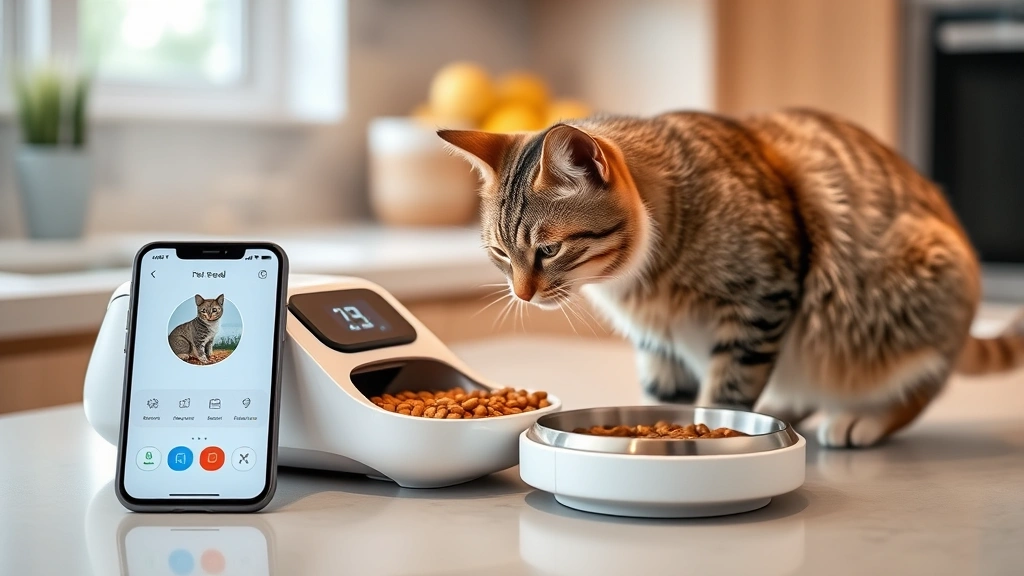
Welcome to the future where your phone controls your pet’s dinner. Smart automatic pet feeders connect via WiFi and let you dispense food from literally anywhere. Working late? Give your dog a snack from your desk. On vacation? Make sure your pet sitter actually fed them.
The real value comes from monitoring. You get notifications when your pet eats, how much they consumed, and detailed feeding history. This is genuinely helpful if you have multiple pets and need to track who’s eating what, or if your pet has health issues requiring dietary monitoring.
Some models include cameras so you can watch your pet eat (because apparently that’s entertaining). Others integrate with smart home systems—imagine telling Alexa to feed your dog.
The downsides? They’re pricier, require WiFi stability, and you’ll need to actually charge them or replace batteries. If your internet goes down, you might not be able to use remote features. But for tech-savvy pet parents who want maximum control, these are incredible.
Installation and Setup: Making the Transition Easy
Most automatic pet feeders take about 10 minutes to set up, assuming you read the instructions (you won’t, but they’re there). Here’s the basic process:
First, choose your location. Ideally somewhere away from your pet’s sleeping area but accessible for refilling. A quiet corner away from high traffic works great. Fill the hopper with your pet’s regular food—don’t mix old and new food together, as it can cause digestive upset.
Set your desired meal times and portion sizes. Start conservative—you can always adjust if your pet seems hungry. Most pets need a day or two to adjust to the new routine, so don’t panic if they seem confused initially.
If it’s a smart feeder, download the app and connect it to your WiFi. Make sure your batteries are fresh or it’s charging properly. Test a few cycles before relying on it completely.
Keep your pet’s regular feeding schedule for the first week while they adjust. This prevents stress and digestive issues. Then gradually shift to the automatic schedule.
Maintenance and Cleaning Tips for Long-Term Use
Automatic feeders need love too. Regular maintenance keeps them running smoothly and prevents bacterial growth that could upset your pet’s stomach.
Empty and wash the bowl daily, especially if using wet food. The hopper should be emptied and cleaned weekly—old kibble can go stale and attract pests. Use warm soapy water and dry completely before refilling.
Check moving parts monthly for debris or food buildup. Some feeders have removable gears or mechanisms that need occasional cleaning. Refer to your manual (I know, boring) for specific guidance.
Battery-operated feeders need fresh batteries every few months depending on usage. Smart feeders should be charged according to manufacturer recommendations. Keep the charging port clean and dry.
Store extra food in airtight containers away from moisture and pests. Stale food defeats the purpose of having a fancy feeder.
Common Problems and Troubleshooting Tips
Your automatic feeder stops working at 3 AM because Murphy’s Law is real. Here’s how to handle common issues:
Feeder Jamming: Usually caused by food debris or moisture. Empty the hopper completely, clean thoroughly, and refill with fresh food. Check that kibble size matches the feeder’s specifications.
Inconsistent Portions: The hopper might be overfilled, or food could be packed down. Try shaking the feeder gently before each cycle. Some foods are denser than others, so adjust portions accordingly.
App Connection Issues: Restart your router and the feeder. Make sure you’re within WiFi range. Sometimes you just gotta turn it off and on again.

Pet Tampering: If your dog or cat keeps tipping it over, try a heavier model or placing it against a wall. Some pets are just determined troublemakers.
Food Spoilage: Dry kibble lasts longer than wet food. If using wet food, use smaller portions and clean immediately after each meal. Wet food can spoil quickly in the hopper.
Integrating Automatic Feeders with Your Pet’s Overall Health Plan
A feeder is just one piece of the puzzle. For optimal pet health, combine automatic feeding with proper pet multivitamins and comprehensive nutrition. Many pets benefit from supplements that support joint health, digestion, and overall wellness.
If your pet has specific health conditions, consult your vet before switching to automatic feeding. Some conditions require special meal timing or portion control that a feeder can help manage.
Track your pet’s weight monthly. Automatic feeders are great for portion control, but they’re not magic. If your pet gains weight, adjust portions. If they seem hungry, increase slightly. Every pet’s metabolism is different.
Consider pet travel supplements if your pet travels frequently or has dietary gaps. Automatic feeders work great for home, but travel requires different solutions.
Real-World Scenarios: When Automatic Feeders Save the Day
Picture this: You’re stuck in a meeting that ran 45 minutes late. Your dog isn’t destroying the house because dinner’s already happened. Your feeder is the MVP here.
Or you’ve got a cat with diabetes that needs precise meal timing to coordinate with insulin shots. An automatic feeder ensures consistency, which is literally life-saving for cats with medical conditions.
Multiple pets with different dietary needs? One feeder per pet, programmed independently. No more guessing who ate what or whether the senior dog got pushed away from the bowl by the youngster.
You’re traveling and your pet sitter is unreliable? A smart feeder with remote access means you can verify meals actually happened. Peace of mind is priceless.
Your pet has anxiety around meal times or resource guarding issues? A consistent schedule from an automatic feeder can actually help reduce behavioral problems over time.
Frequently Asked Questions
Are automatic pet feeders safe for all pets?
Generally yes, but with caveats. Pets with certain health conditions (like diabetes) need specific meal timing that a feeder can provide. However, very young puppies or kittens might do better with hand-feeding initially. Pets prone to choking need supervision. Always introduce any new feeding method gradually and monitor your pet’s response. When in doubt, ask your vet.
Can I use wet food in an automatic feeder?
Some feeders accommodate wet food, but it’s trickier than kibble. Wet food spoils faster, requires more frequent cleaning, and can jam mechanisms. If you want to use wet food, get a feeder specifically designed for it, and plan to clean it daily. Honestly, most automatic feeders work better with quality dry food.
What’s the best automatic feeder for a picky eater?
Picky eaters need consistency and patience. Start with a basic feeder that dispenses their preferred food at regular times. The routine often helps picky eaters eat better. You might also consider a feeder that allows you to mix different food types or adjust portions easily. Some pets are just stubborn though—that’s a personality thing, not a feeder limitation.
How often should I refill the hopper?
Depends on your feeder’s capacity and your pet’s portion size. A large-capacity feeder for a small dog might go a week between refills. A small feeder for a large dog might need daily refilling. Plan for weekly deep cleaning regardless, so frequent refilling actually keeps food fresher.
Will an automatic feeder help my overweight pet lose weight?
It can help with portion control, which is crucial for weight management. But it’s not a magic solution. You still need to ensure portions are appropriate for your pet’s target weight, eliminate extra treats, and provide exercise. Combine a feeder with proper nutrition and activity, and you’ll see results. Check out over-the-counter pet supplements that support healthy metabolism as part of a comprehensive approach.
Can I use an automatic feeder while traveling?
Not really for extended trips. Automatic feeders are designed for home use with regular electricity or batteries. For travel, you need portable solutions or a pet sitter. Smart feeders let you monitor from afar, but you still need someone physically present for water changes and litter box maintenance.
Final Thoughts: Choosing Your Perfect Automatic Pet Feeder
Automatic pet feeders aren’t luxuries—they’re practical tools that improve your pet’s nutrition consistency and your own peace of mind. Whether you choose a simple mechanical timer or a fancy WiFi-enabled smart feeder depends on your lifestyle, budget, and specific needs.
Start by honestly assessing what you actually need. Do you want basic automation or remote control? How much can you spend? What’s your pet’s size and dietary needs? Answer these questions and you’ll narrow down your options significantly.
Remember that the best feeder is the one you’ll actually use consistently. A $40 model that fits your routine beats a $300 fancy one gathering dust. And don’t forget that automatic feeding is just one part of comprehensive pet care—combine it with proper nutrition, supplements when needed, regular vet checkups, and plenty of love.
Your pet doesn’t care how fancy the feeder is. They just care that food shows up on schedule. And honestly? That’s something to feel good about. Now go find the perfect feeder and stop feeling guilty about that late meeting.





