
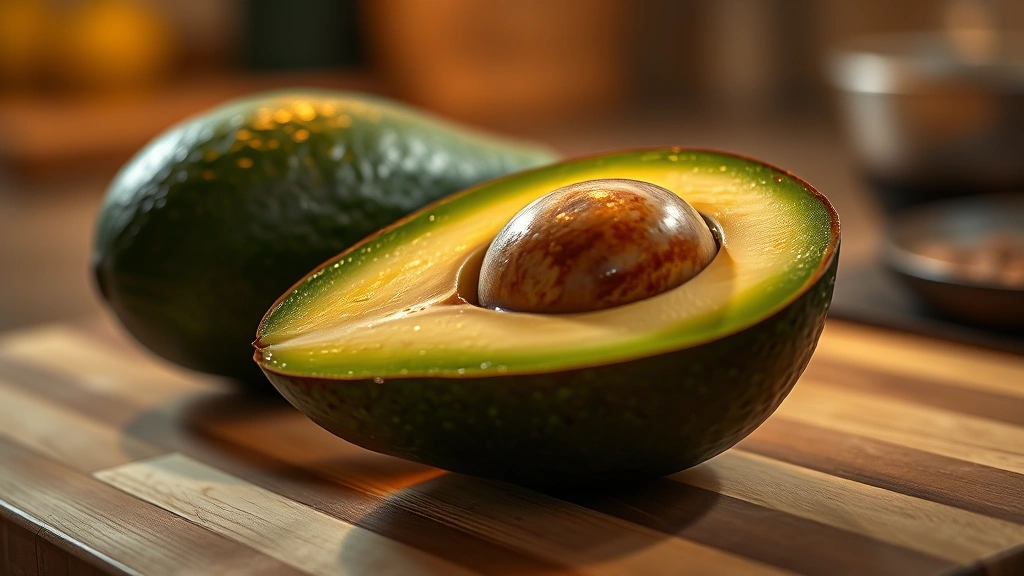
Let’s be real—avocado and pets don’t mix, and if you’ve been casually tossing guac ingredients around your kitchen while your dog gives you those puppy dog eyes, it’s time to have a serious chat. I’m not here to judge your snacking habits, but I am here to make sure your furry friend doesn’t end up at the emergency vet because of a trendy superfood.
Table of Contents
- Why Is Avocado Toxic to Pets?
- Dogs and Avocado: What Every Dog Owner Should Know
- Cats and Avocado Toxicity: A Feline Concern
- The Avocado Pit and Seed Danger
- Guacamole, Avocado Oil, and Other Avocado Products
- Small Amounts: Are They Really Safe?
- Signs Your Pet Has Eaten Avocado
- Safe Alternatives to Avocado for Your Pet
- Prevention: Pet-Proofing Your Kitchen
- When to Call the Vet: Avocado Toxicity Emergency Protocol
- Understanding Food Allergies and Toxicity Differences
- Frequently Asked Questions
- Final Thoughts: Keeping Your Pet Safe From Avocado
Why Is Avocado Toxic to Pets?
Here’s the deal: avocados contain a compound called persin, which is a fungicidal toxin found in the fruit, leaves, seed, and bark of the avocado tree. For humans, persin is basically a non-issue—we munch on avocado toast without a care in the world. But for our four-legged companions? It’s a different story entirely.
Persin can cause vomiting, diarrhea, and in more serious cases, pancreatitis in dogs and cats. The highest concentration of persin is found in the pit and leaves, but the flesh itself isn’t completely harmless either. The toxicity level depends on the amount consumed and your pet’s size, but why risk it when there are so many safer alternatives?
Dogs and Avocado: What Every Dog Owner Should Know
Dogs are notorious for eating things they shouldn’t. If your pup managed to snag a piece of avocado from your plate, don’t panic immediately—a tiny nibble probably won’t cause serious harm. However, consuming larger quantities or, heaven forbid, the pit, is a legitimate emergency.
Symptoms of avocado toxicity in dogs include vomiting, diarrhea, abdominal pain, decreased appetite, and lethargy. In severe cases, you might notice difficulty breathing or fluid accumulation in the chest. If your dog has consumed a significant amount of avocado, contact your veterinarian or poison control right away. This is especially important when considering your dog’s caloric needs for dogs and ensuring their diet remains balanced and safe.
Cats and Avocado Toxicity: A Feline Concern
Cats are pickier eaters than dogs, so they’re less likely to voluntarily consume avocado. However, if your cat somehow gets into your avocado stash, the same persin toxin applies. Cats may experience similar symptoms: vomiting, diarrhea, and gastrointestinal distress. Given that cats have more sensitive digestive systems than dogs, it’s crucial to keep all avocado products completely out of reach.
The good news? Most cats will reject avocado due to its texture and taste. But if you have a particularly adventurous feline, prevention is always better than a trip to the emergency clinic.
The Avocado Pit and Seed Danger
If you think the flesh is the problem, the pit is downright dangerous. The large, woody pit is a choking hazard and can cause intestinal obstruction if swallowed. Even if your pet doesn’t choke, the high concentration of persin in the seed makes it the most toxic part of the entire fruit. Additionally, the pit’s size means it could require surgical removal if ingested.
Always dispose of avocado pits in a secure trash can that your pets can’t access. Better yet, keep them in an outdoor bin if possible. One curious nose in the kitchen trash can lead to thousands of dollars in veterinary bills.
Guacamole, Avocado Oil, and Other Avocado Products
Here’s where it gets tricky for pet owners who love their guac. Commercial guacamole often contains garlic and onions, which are toxic to both dogs and cats. Even if the avocado itself wouldn’t be a huge problem in tiny amounts, the additives make it absolutely off-limits. Your pet doesn’t need the extra salt and spices anyway—they’re not exactly health-conscious snackers.
Avocado oil, on the other hand, is generally considered safer since the persin is removed during processing. However, it’s still high in fat, and feeding it to your pet serves no nutritional purpose. Stick to their regular diet and avoid the confusion altogether. For guidance on safe feeding practices, check out our article on rotating protein sources for balanced nutrition.
Small Amounts: Are They Really Safe?
Pet poison control databases suggest that small amounts of avocado flesh are less likely to cause serious toxicity in large dogs, but “less likely” doesn’t mean “safe.” The safest approach is zero tolerance. Why gamble with your pet’s health when there are countless pet-safe treats available?

The risk increases significantly with smaller pets like cats, rabbits, and small dog breeds. A tiny Chihuahua consuming the same amount as a 80-pound Labrador faces much greater danger. When it comes to pet obesity prevention, unnecessary treats—especially toxic ones—should be eliminated entirely.
Signs Your Pet Has Eaten Avocado
Knowledge is power, so here are the warning signs to watch for after suspected avocado ingestion: vomiting (usually within a few hours), diarrhea, abdominal pain or discomfort, loss of appetite, lethargy or unusual tiredness, difficulty breathing, or fluid accumulation in the chest cavity in severe cases.
If you notice any combination of these symptoms, especially within 12 hours of potential avocado consumption, contact your veterinarian immediately. Have information ready about the amount consumed, what part of the avocado (flesh, pit, leaves), and when it happened. Your vet may induce vomiting or recommend observation depending on the situation.
Safe Alternatives to Avocado for Your Pet
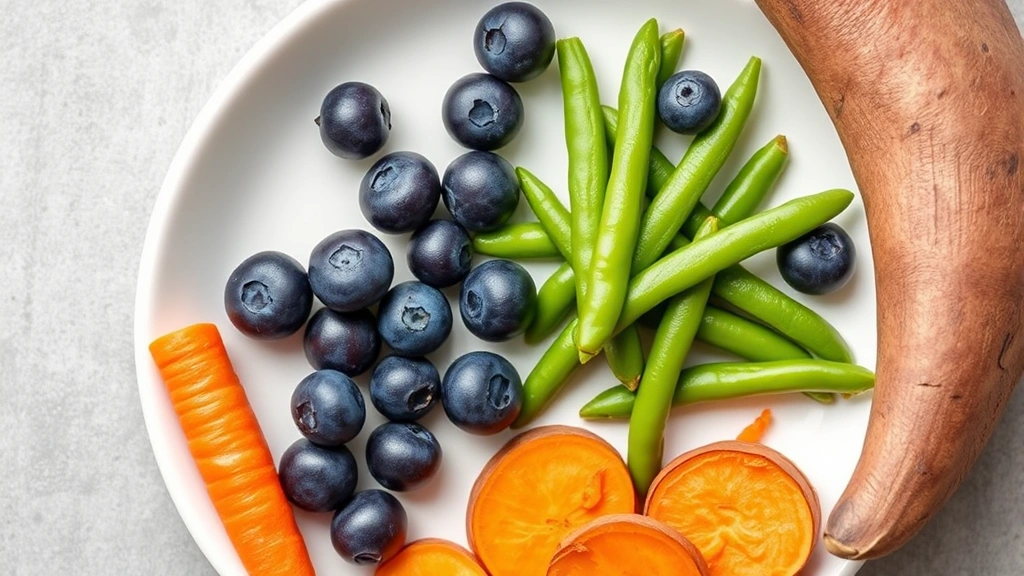
Your pet doesn’t need avocado to live a happy, healthy life. Instead, consider these safe, nutritious alternatives: carrots (excellent for teeth and low in calories), apples (without seeds), blueberries (packed with antioxidants), green beans, sweet potatoes, and plain pumpkin. These options provide actual nutritional benefits without the toxicity risk.
For protein variety, explore rotating protein sources to keep your pet’s diet interesting and balanced. You can also check out our guide on breed specific feeding needs to ensure you’re providing appropriate nutrition.
Prevention: Pet-Proofing Your Kitchen
The best medicine is prevention. Keep avocados, guacamole, and anything containing avocado in secure locations away from curious pets. Store them in the refrigerator in sealed containers or on high shelves where pets can’t access them. When preparing meals, don’t leave avocados unattended on countertops—one moment of distraction is all it takes.
Educate everyone in your household about the dangers of avocado and pets. Kids might not realize that feeding the dog “just a little bite” could be harmful. Make it a household rule: no avocado products for pets, period. It’s a simple rule that could save your pet’s life.
When to Call the Vet: Avocado Toxicity Emergency Protocol
Call your veterinarian or animal poison control (ASPCA: 888-426-4435) if your pet has consumed: any amount of avocado pit or seed, more than a small piece of avocado flesh, guacamole or any avocado product containing other ingredients, or avocado leaves or tree bark.
According to the PetMD toxicity database, the severity depends on the amount and your pet’s weight. Your vet may recommend observation, activated charcoal, or in severe cases, gastric lavage (stomach pumping). Don’t wait to see if symptoms develop—immediate contact is always the safer choice.
Understanding Food Allergies and Toxicity Differences
It’s important to distinguish between food allergies and toxicity. A food allergy is an immune response, while toxicity is poisoning from a harmful substance. Avocado toxicity is not an allergic reaction—it’s actual poisoning. This is why even pets without known food sensitivities can be harmed by avocado. For more information on distinguishing these issues, read our article on food allergies and feeding routine.
Frequently Asked Questions
Is avocado ever safe for pets?
No. While the flesh in tiny amounts might not cause immediate serious harm in large dogs, there’s no safe threshold. The safest approach is complete avoidance. The pit, leaves, and seed are definitively toxic and should never be accessible to pets.
How much avocado is toxic to dogs?
Toxicity depends on the dog’s weight and what part was consumed. Generally, the flesh is less dangerous than the pit, but even small amounts can cause gastrointestinal upset. Smaller dogs face greater risk from smaller quantities. When in doubt, contact your vet.
Can cats eat avocado?
No. Cats should never consume avocado. Their smaller size and more sensitive digestive systems make them more vulnerable to persin toxicity. Keep all avocado products completely away from feline family members.
What should I do if my pet ate avocado?
Contact your veterinarian or animal poison control immediately. Provide details about the amount consumed, what part was eaten, and when it happened. Don’t wait for symptoms to develop—early intervention is crucial.
Is avocado oil safe for pets?
Avocado oil is generally safer than whole avocado since persin is removed during processing, but it offers no nutritional benefit to pets and is high in fat. There’s no reason to feed it to your pet.
What are signs of avocado poisoning in pets?
Watch for vomiting, diarrhea, abdominal pain, decreased appetite, lethargy, difficulty breathing, and fluid accumulation in the chest. These symptoms typically appear within hours of consumption.
Are avocado leaves dangerous?
Yes. Avocado leaves contain high concentrations of persin and are toxic to pets. Keep your pet away from avocado plants entirely, especially if you grow them at home.
Final Thoughts: Keeping Your Pet Safe From Avocado
The relationship between avocado and pets is simple: they don’t have one. While humans enjoy the nutritional benefits of this trendy superfood, our pets don’t need it and shouldn’t have it. The risks far outweigh any potential benefits, especially when so many safe alternatives exist.
Make your kitchen a pet-safe zone by keeping all avocado products securely stored and out of reach. Educate your family members about the dangers, and never assume that “just a little bit” is harmless. Your veterinarian will thank you for being proactive, and your pet will thank you by living a long, healthy, avocado-free life.
Remember: when it comes to pet nutrition, stick with foods designed for your furry friends. Save the guacamole for yourself and keep your pet’s focus on treats that won’t land them in the emergency clinic. Your wallet—and your pet—will be much happier for it.





