
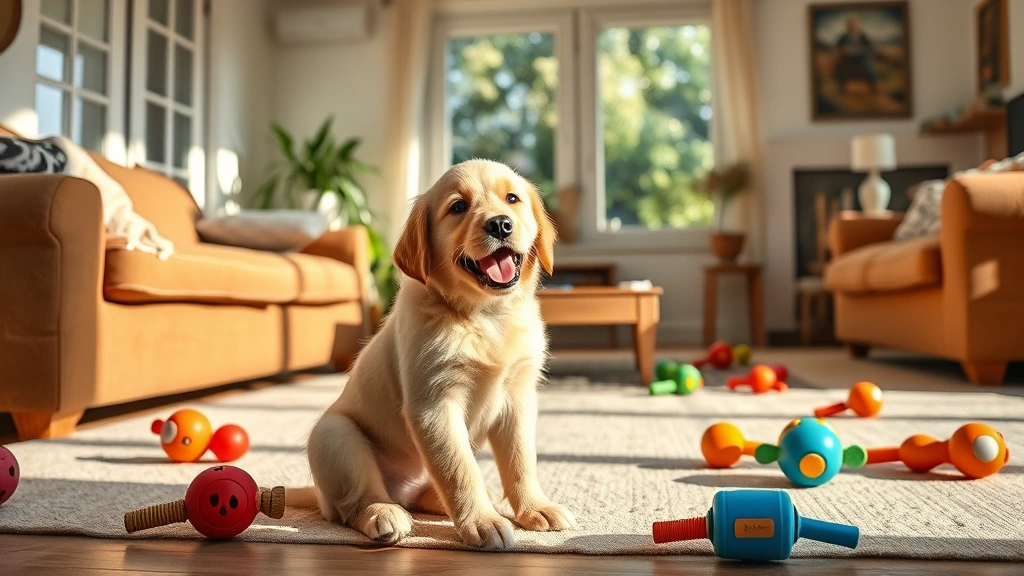
Your baby dog just arrived home, and you’re probably experiencing equal parts joy and panic. That tiny furball is depending on you for everything—food, shelter, vaccines, training, socialization. It’s a lot. But here’s the truth: most new puppy owners survive this phase, and so will you. This guide covers the real, practical stuff you need to know to raise a healthy, well-adjusted baby dog without losing your mind.
Whether you’re bringing home an 8-week-old puppy or a young rescue, a baby dog requires specific care that differs dramatically from adult dogs. The first year is critical for development, health, and behavior. Get it right, and you’ll have a solid foundation. Miss some steps, and you’ll be dealing with preventable problems later.
Veterinary Care: The Non-Negotiable Foundation
Your baby dog’s first vet visit should happen within the first week of bringing them home. This isn’t optional. A vet will check for congenital issues, parasites, and establish a baseline health record. Think of it as your puppy’s health passport.
The vaccination schedule is your roadmap for the first 16 weeks. According to the American Kennel Club, puppies typically need a series of shots starting at 6-8 weeks of age, with boosters every 3-4 weeks until 16 weeks old. What shots do dogs need depends on your location and lifestyle, but core vaccines (DHPP and rabies) are mandatory everywhere. Your vet will customize the schedule based on your baby dog’s risk factors.
Deworming is another critical task. Baby dogs are born with intestinal parasites or pick them up from their environment. Your vet will prescribe a deworming protocol—typically at 2, 4, 6, and 8 weeks of age, then monthly until 6 months old. Don’t skip this. Worms steal nutrients and can cause serious complications.
Pro Tip: Keep a health record folder. Track vaccination dates, deworming treatments, and any health concerns. You’ll need this info for boarding, training classes, and future vet visits. Digital copies are lifesavers.
Flea and tick prevention starts early. Talk to your vet about age-appropriate options. Some products aren’t safe for very young puppies, so don’t just grab something off the shelf. Your baby dog’s safety depends on using the right product at the right time.
Schedule a spay or neuter procedure for around 6 months of age, though some large breeds benefit from waiting until growth plates close. Discuss timing with your vet—it matters more than you think.
Nutrition for Growing Puppies
A baby dog’s nutritional needs are completely different from an adult dog’s. Puppies are building bones, organs, and brain tissue. They need more calories per pound of body weight and specific ratios of calcium and phosphorus.
Choose a high-quality puppy formula—not adult dog food. Look for PetMD’s recommendations on AAFCO certification, which ensures the food meets established nutritional standards. Large breed puppies especially need carefully balanced calcium to prevent developmental orthopedic disease (DOD). If you have a large baby dog, don’t guess—ask your vet which brand they recommend.
Feeding frequency matters. Here’s a general timeline:
- 8-12 weeks: 4 meals per day
- 12-16 weeks: 3 meals per day
- 16 weeks-6 months: 2-3 meals per day
- 6 months+: 2 meals per day
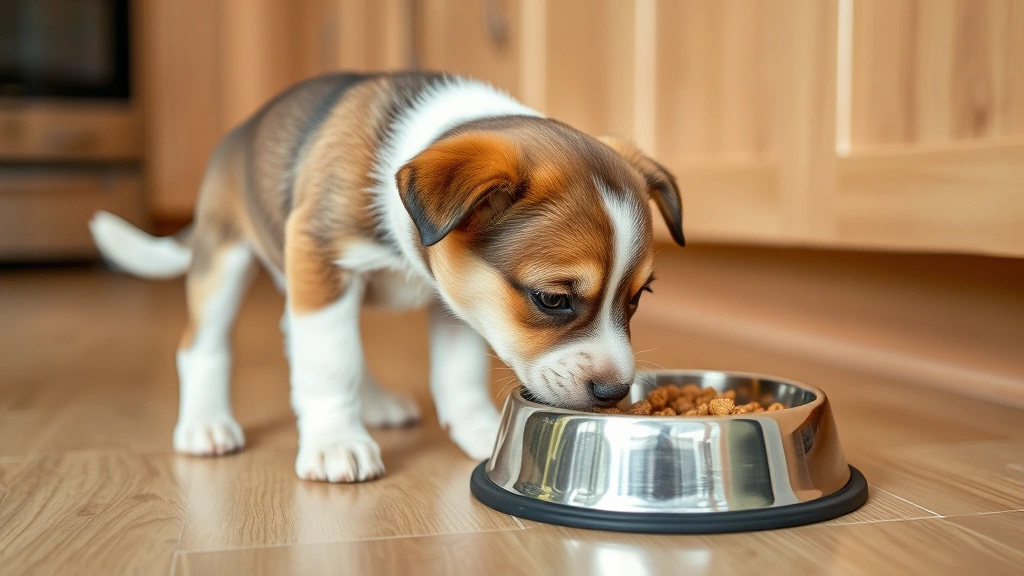
Don’t free-feed a baby dog (leaving food out all day). Scheduled meals help with house training and prevent bloat. Measure portions carefully. Overfeeding is one of the fastest ways to create an overweight adult dog, and obesity causes joint problems, diabetes, and heart disease.
Water should be available constantly, but monitor intake. A baby dog that drinks excessively might have a urinary tract infection or other issue—mention it at your next vet visit.
Treats are fine, but they shouldn’t exceed 10% of daily calories. Many new owners accidentally overfeed treats and wonder why their baby dog gets chunky. Do the math. A 10-pound puppy eating 400 calories per day has a treat budget of 40 calories. That’s less than you think.
Safety Warning: Never give your baby dog human food without vet approval. Chocolate, grapes, raisins, onions, garlic, and xylitol are toxic. Even “safe” foods like chicken can cause problems if they replace balanced nutrition.
House Training Your Baby Dog
House training a baby dog is frustrating. Expect accidents. Your puppy’s bladder is tiny and their control is nonexistent. This is normal, not a sign of stupidity or stubbornness.
The golden rule: a baby dog can hold their bladder for approximately one hour per month of age, plus one. A 3-month-old puppy can hold it for about 4 hours. Plan bathroom breaks accordingly. Take your baby dog out:
- First thing in the morning
- After every meal (usually 15-30 minutes)
- After playtime or excitement
- After naps
- Before bedtime
- At least every 2-4 hours during the day
When your baby dog goes potty outside, celebrate like they just won an Olympic medal. Use a consistent phrase (“go potty” or “do your business”), reward immediately with treats and praise, and make it a party. Your enthusiasm teaches them this is the goal.
Accidents happen indoors. Don’t punish. Punishment creates fear and confusion, not learning. If you catch them in the act, calmly interrupt, take them outside, and reward if they finish there. If you find an accident after the fact, clean it with enzymatic cleaner and move on. Your baby dog won’t understand why you’re upset about something they did hours ago.
Crate training accelerates house training. Dogs naturally avoid soiling their sleeping area. A properly sized crate (big enough to stand, turn around, and lie down, but not so large they can potty in one corner and sleep in another) becomes your baby dog’s safe space and your secret weapon for preventing accidents when you can’t supervise.
Socialization During the Critical Window

The socialization window for a baby dog closes around 16 weeks of age. What happens during this period shapes their entire adult personality. This is non-negotiable for raising a confident, well-adjusted dog.
Socialization doesn’t mean letting your baby dog play with every dog they meet. It means controlled exposure to different people, environments, sounds, textures, and experiences. Your goal is to teach your puppy that the world is safe and interesting.
Expose your baby dog to:
- Different types of people (children, elderly folks, people with beards, sunglasses, hats)
- Various environments (parks, sidewalks, cars, vet clinics, pet stores)
- Different sounds (traffic, vacuum cleaners, thunderstorms, fireworks)
- Surfaces (grass, concrete, gravel, tile, carpet)
- Other vaccinated, friendly dogs and cats
Puppy kindergarten classes are goldmines for this. Your baby dog gets supervised play with other puppies, handling by strangers, and exposure to a new environment—all in one session. Check with your vet before enrolling to ensure the facility maintains high health standards.
Keep experiences positive. If your baby dog seems scared, don’t force them. Gradual exposure at their pace builds confidence. A traumatic experience during this window can create lasting fear or aggression.
Pro Tip: Take photos and videos of your baby dog during this phase. You’re documenting a critical developmental period, and it’s gone before you know it.
Basic Training and Behavior Management
Training a baby dog starts the moment they arrive home. Every interaction is teaching them something. The question is whether you’re teaching them what you want or what you don’t want.
Start with the basics: sit, stay, come, and leave it. These commands prevent dangerous situations and build your relationship. Use positive reinforcement—treats, praise, play. Your baby dog learns faster and happier this way. Punishment-based training creates fear and unpredictable behavior.
Consistency is everything. If everyone in your household uses different commands, your baby dog gets confused. Decide on one word for each behavior and stick with it. “Sit” not “sit down” or “be quiet.” Communicate clearly.
Biting during play is normal for a baby dog—they’re learning to control their jaw. When they bite too hard, yelp loudly, stop playing, and walk away. This mimics how littermates teach each other bite inhibition. Redirect to a toy instead of your hand.
Jumping on people is cute when your baby dog weighs 5 pounds. It’s not cute when they’re 70 pounds. Prevent it from the start. Ignore jumping, reward calm greetings. Friends and family need to follow this rule too, or your training falls apart.
Leash training happens in short sessions. Your baby dog doesn’t understand leashes initially. Make it fun. Let them explore while attached, reward calm walking, and celebrate success. A 5-minute walk where your puppy learns the leash is fun beats a 30-minute battle.
Grooming and Hygiene for Young Dogs
Start grooming your baby dog early. Regular brushing, nail trimming, ear cleaning, and baths teach them that handling is normal and safe. A puppy that’s comfortable being touched becomes an adult dog that’s easy to groom and vet-friendly.
Brushing frequency depends on coat type. Double-coated breeds need daily brushing to prevent mats. Short-haired breeds need weekly brushing. Start with a soft brush and keep sessions short and positive. Your baby dog should associate grooming with treats and praise, not restraint and stress.
Nail trimming is essential. Long nails affect posture and joint health. Trim every 3-4 weeks, or when you hear clicking on hard floors. If you’re nervous, your vet or groomer can show you the technique. Do dogs whiskers grow back—yes, they do—but avoid cutting them during grooming. They’re sensory organs.
Ear cleaning prevents infections. Check ears weekly for redness, odor, or discharge. Clean with a vet-approved solution if needed. How to tell if your dog has ear mites includes excessive scratching and dark debris in the ear canal. Mention any concerns at your vet visit.
Bathing a baby dog doesn’t need to happen frequently—once a month is usually enough unless they’re dirty. Use lukewarm water and dog-specific shampoo. Is baby shampoo safe for dogs? No. Dog skin has a different pH than human skin. Baby shampoo disrupts their natural oils and can cause irritation. Use products formulated for dogs.
Dental care starts now. Brush teeth 3-4 times per week with dog-specific toothpaste. Dental disease is preventable and affects overall health. A baby dog that’s comfortable with tooth brushing becomes an adult dog with healthy teeth.
Common Health Issues in Puppies
Knowing what’s normal and what’s concerning helps you respond appropriately. Some issues are minor; others need immediate vet attention.
Diarrhea: Common in baby dogs, especially after diet changes or stress. Feed bland food (boiled chicken and rice) for 24 hours. If it persists beyond 48 hours, contains blood, or your puppy seems lethargic, call your vet. Dehydration happens fast in puppies.
Vomiting: Occasional vomiting might be normal, but repeated vomiting is not. It can indicate parasites, food sensitivity, or something serious. Document when it happens and call your vet.
Lethargy: A baby dog should be a furry tornado most of the time. If yours is sleeping excessively or unresponsive, something’s wrong. This warrants a vet call.
Limping or lameness: Puppies are clumsy, but persistent limping suggests pain. Large breed puppies are prone to hip dysplasia and other joint issues. Early detection matters. Get it checked.
Coughing or difficulty breathing: These are emergencies. Get to a vet immediately. Don’t wait.
Seizures: If your baby dog collapses, stiffens, or has uncontrolled muscle movements, call your vet or emergency clinic right away. Video the episode if you can—it helps with diagnosis.
Urinary issues: Frequent accidents, straining to urinate, or blood in urine indicate a urinary tract infection or other problem. This needs treatment.
Safety Warning: Never give your baby dog medication without vet approval. Can you give dogs baby aspirin? Technically, vets sometimes prescribe aspirin for dogs, but dosing is specific and requires professional guidance. Don’t self-medicate your puppy.
Keep your vet’s number and your nearest emergency clinic’s number saved in your phone. You’ll need them at 2 AM when your baby dog eats something weird.
Frequently Asked Questions
At what age can I take my baby dog outside?
– After the first vaccine series (around 16 weeks), your baby dog has reasonable protection. Before that, avoid areas where unknown dogs have been (dog parks, pet stores). Controlled exposure in your yard and on quiet streets is fine. Your vet will advise based on local disease prevalence.
How much exercise does a baby dog need?
– A rough guideline: 5 minutes of exercise per month of age, twice daily. A 3-month-old puppy needs about 15 minutes of exercise twice daily. Avoid long runs or jumping until growth plates close (12-18 months depending on breed). Too much exercise too early causes joint problems. Free play in a safe area is better than forced exercise.
Can I travel with my baby dog?
– Short car rides are fine after your puppy adjusts. Long trips stress puppies and expose them to unfamiliar environments before they’re fully vaccinated. Wait until after the vaccine series is complete. Always use a crate or harness in the car—loose puppies are dangerous.
Is it normal for my baby dog to eat poop?
– Yes, it’s gross but normal. Puppies explore the world with their mouths. Pick up feces immediately, supervise closely, and redirect to toys. It usually stops as they mature. If it persists beyond 6 months, mention it to your vet—it can indicate nutritional deficiency or other issues.
How do I know if my baby dog is getting enough food?
– Feel their ribs. You should be able to feel them with light pressure but not see them prominently. Their waist should be visible from above. If you’re unsure, ask your vet. They’ll assess body condition and adjust portions as needed.
What’s the best crate size for my baby dog?
– Measure your puppy’s length from nose to tail base, add 2-4 inches, and match that length. Height should allow them to stand without their head touching the roof. Many people buy a large crate and use a divider to adjust size as the puppy grows. This prevents waste and keeps the crate appropriately sized.
Is pet insurance worth it for a baby dog?
– Yes, usually. Puppies are accident-prone and susceptible to certain genetic conditions. Enrolling a young, healthy puppy locks in lower premiums and avoids pre-existing condition exclusions. Read the fine print—coverage varies dramatically.
How often should I bathe my baby dog?
– Once a month is typical unless they’re visibly dirty or have skin issues. Over-bathing strips natural oils and can cause dry, itchy skin. Use dog-specific shampoo and lukewarm water. Most puppies don’t need frequent baths.
When do puppy teeth fall out?
– Baby teeth start falling out around 12-16 weeks and are usually replaced by 6-7 months. If a baby tooth doesn’t fall out when the adult tooth erupts, mention it to your vet—it might need extraction to prevent bite problems.
Can my baby dog sleep in my bed?
– Technically yes, but it complicates house training and can create dependency issues. A crate next to your bed is a compromise—your puppy feels close to you but sleeps in their own space. This works better for long-term independence.





