
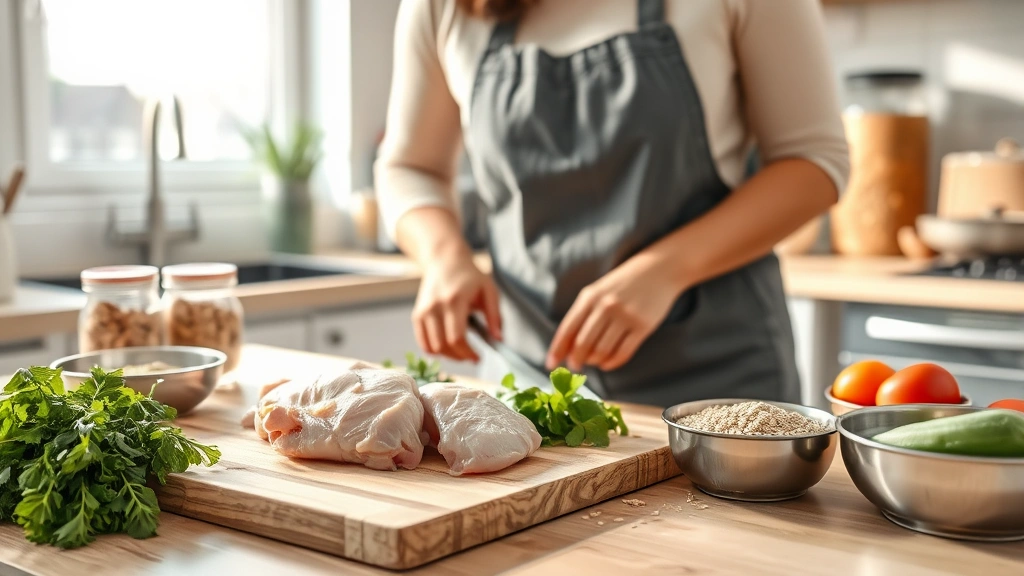
A batch cooking feeding schedule is a game-changer for pet parents who want to serve nutritious homemade meals without spending every evening in the kitchen like some sort of furry food service worker. Whether you’ve got a picky pup, a cat with the dietary needs of a celebrity, or a whole menagerie of mouths to feed, meal prepping for your pets can save time, money, and your sanity.
Table of Contents
- Why Your Pet Deserves a Batch Cooking Feeding Schedule
- Tip #1: Choose Your Protein Wisely for Your Feeding Schedule
- Tip #2: Balance Your Batch Cooking Feeding Schedule with Vegetables and Grains
- Tip #3: Master the Art of Portion Control in Your Feeding Schedule
- Tip #4: Establish a Consistent Feeding Schedule That Works
- Tip #5: Storage and Food Safety in Your Batch Cooking Routine
- Adjusting Your Feeding Schedule for Life Stages
- Handling Special Dietary Needs in Your Batch Cooking Plan
- Money-Saving Strategies for Batch Cooking Pet Food
- Frequently Asked Questions
- Summary: Making Your Batch Cooking Feeding Schedule Work
Why Your Pet Deserves a Batch Cooking Feeding Schedule
Let’s be real: feeding your pet shouldn’t feel like running a restaurant. A batch cooking feeding schedule means you prepare larger quantities of food once or twice a week, then portion it out according to your pet’s needs. It’s like meal prep for humans, except your dinner guests have four legs and judge you less harshly.
The benefits go beyond convenience. When you control what goes into your pet’s bowl, you know exactly what they’re eating—no mystery meat by-products or fillers that make you squint at ingredient labels. Plus, homemade pet food schedules often cost less than premium commercial options while delivering superior nutrition.
Tip #1: Choose Your Protein Wisely for Your Feeding Schedule
The foundation of any batch cooking feeding schedule starts with protein. Dogs and cats need quality animal-based proteins, but the type matters. Chicken, beef, turkey, and fish are all solid choices. Some pet parents rotate proteins to prevent food boredom and ensure varied nutrient profiles.
Here’s the thing: buy in bulk when proteins are on sale. A whole chicken costs less per pound than pre-cut breasts. Ground turkey freezes beautifully. Fish like salmon provides omega-3s that make your pet’s coat shinier than a newly waxed sports car. When you’re planning your batch cooking feeding schedule, think about what proteins your pet tolerates best and what fits your budget.
Pro tip: If your pet has specific dietary needs, consult resources like AAFCO guidelines to ensure nutritional completeness in your homemade recipes.
Tip #2: Balance Your Batch Cooking Feeding Schedule with Vegetables and Grains
Proteins get all the glory, but vegetables and grains are the supporting cast that makes the whole show work. A proper batch cooking feeding schedule includes roughly 50% protein, 25% vegetables, and 25% grains or starchy vegetables (though some pets do better grain-free—check with your vet).
Sweet potatoes, carrots, green beans, and peas are pet-friendly vegetables that bulk up meals affordably. Brown rice and oats provide fiber and sustained energy. Avoid onions, garlic, and grapes like they’re your pet’s kryptonite—they’re toxic. When building your feeding schedule, think variety. Rotating vegetables prevents nutritional imbalances and keeps meals interesting.
A batch cooking feeding schedule that includes diverse vegetables also supports digestive health. Your pet’s gut bacteria love the fiber, and you’ll notice improvements in their coat quality and energy levels within weeks.
Tip #3: Master the Art of Portion Control in Your Feeding Schedule
Here’s where many well-intentioned pet parents go sideways: portion sizes. A batch cooking feeding schedule only works if you’re feeding the right amounts. An overweight dog isn’t cute—it’s a health liability that leads to joint problems, diabetes, and a shortened lifespan.
Use the size-based portion control method: small dogs (under 15 lbs) typically need 1-1.5 cups daily, medium dogs (15-30 lbs) need 1.5-2.5 cups, and large dogs (30+ lbs) need 2.5-4 cups, depending on activity level and metabolism. Your vet can help you dial in the exact amount for your individual pet.
When you’re batch cooking, portion into daily servings and freeze them. This removes guesswork and prevents you from accidentally overfeeding because you’re tired and just eyeballing it at dinner time. Frozen portions also stay fresher longer.
Tip #4: Establish a Consistent Feeding Schedule That Works
Consistency is the secret sauce of pet nutrition. Dogs and cats thrive on routine—it regulates their digestion, prevents overeating, and reduces anxiety. Your batch cooking feeding schedule should align with your pet’s natural rhythms.
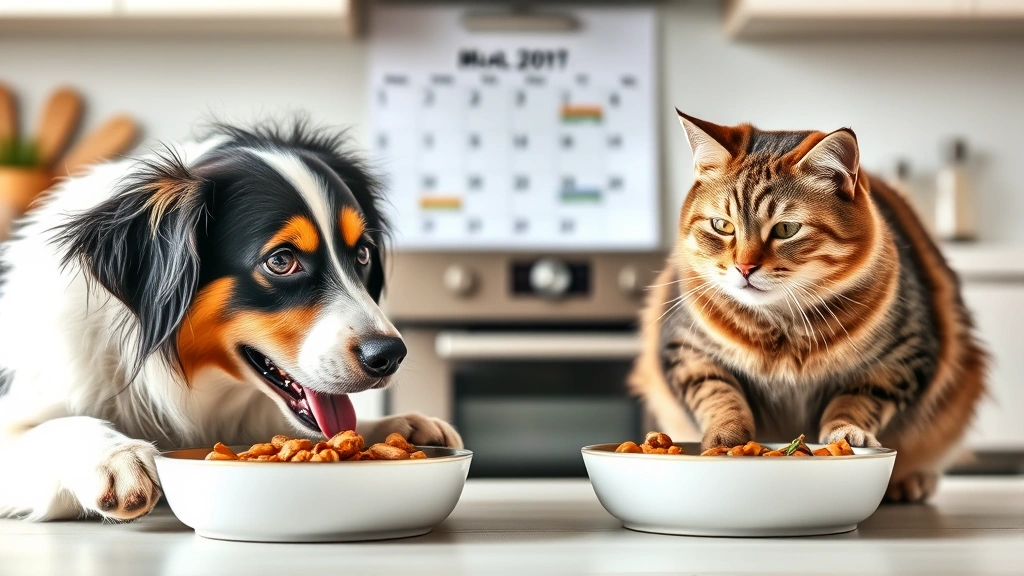
Most adult dogs do well with two meals daily (morning and evening). Puppies and senior dogs might need three smaller meals. Cats are grazers by nature but benefit from scheduled meals if they’re overweight. When you’re planning your feeding schedule, consider your work hours, your pet’s activity level, and any health conditions.
A consistent schedule also makes it easier to monitor your pet’s appetite and digestion. If your usually enthusiastic eater suddenly refuses food, that’s a red flag worth investigating. The pet food transition schedule is crucial when you’re switching from commercial to homemade meals—do it gradually over 7-10 days to avoid digestive upset.
Tip #5: Storage and Food Safety in Your Batch Cooking Routine
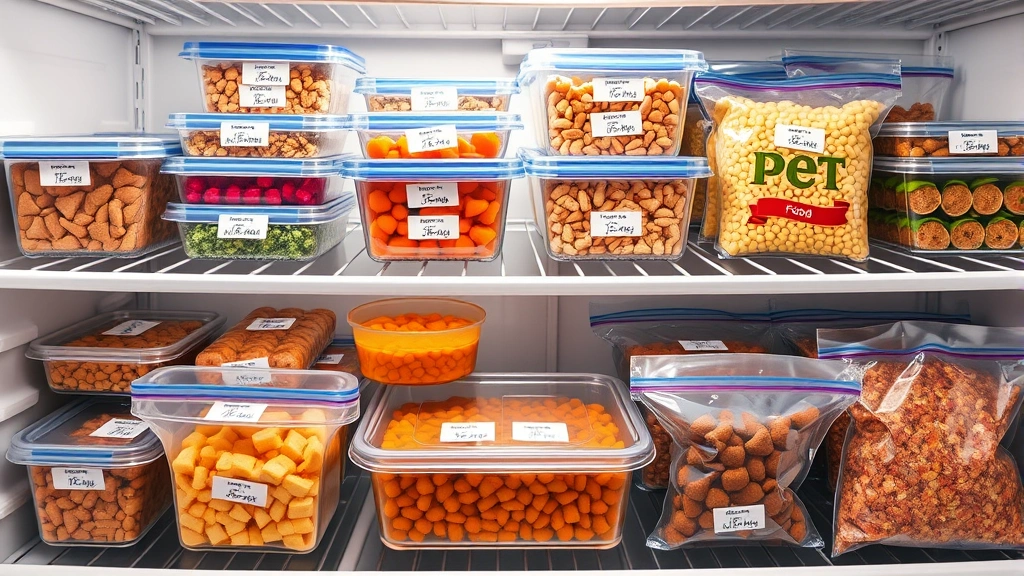
You can’t have a batch cooking feeding schedule without understanding how to store food properly. Cooked pet food lasts 3-4 days in the refrigerator, but freezing extends shelf life to 3 months. Ice cube trays work great for portioning cat food or small dog portions. Larger portions freeze well in glass containers or freezer bags (label everything with dates).
Thaw frozen meals in the refrigerator overnight, never on the counter—bacteria love room temperature just as much as your pet does. If you’re feeding raw (BARF diet), follow even stricter food safety protocols. The BARF diet feeding frequency requires careful handling to prevent foodborne illness in both pets and humans.
Keep your cooking area clean, use separate utensils for pet food preparation, and wash your hands thoroughly. Your batch cooking feeding schedule is only as good as your food safety practices.
Adjusting Your Feeding Schedule for Life Stages
Your pet’s nutritional needs change throughout their life. Puppies need more calories and specific calcium-phosphorus ratios for proper bone development. Adult dogs maintain steady nutritional needs. Senior dog feeding routines often require lower calories, joint-supporting supplements, and more easily digestible ingredients.
When you’re batch cooking, adjust recipes seasonally and as your pet ages. A batch cooking feeding schedule for a 2-year-old Lab looks different than one for that same dog at age 10. Your vet can recommend age-appropriate adjustments.
Handling Special Dietary Needs in Your Batch Cooking Plan
Some pets have allergies, sensitivities, or medical conditions that complicate meal planning. Food allergies feeding routines require elimination diets and careful ingredient tracking. If your pet is allergic to chicken, you can’t just swap it into your standard batch cooking feeding schedule.
Work with your veterinarian to identify trigger foods, then build your batch cooking feeding schedule around safe ingredients. Keep detailed records of what you’ve fed and any reactions. This information is gold when troubleshooting digestive issues or skin problems.
For pets with medical conditions like kidney disease or diabetes, your vet might recommend specific recipes or supplements. Your batch cooking feeding schedule becomes part of their medical management, not just convenience.
Money-Saving Strategies for Batch Cooking Pet Food
One of the best reasons to implement a batch cooking feeding schedule is the cost savings. Buy proteins when they’re on sale and freeze them. Shop bulk sections for grains and vegetables. Compare prices per pound, not per package.
A batch cooking feeding schedule for a large dog might cost $3-5 daily versus $6-10 for premium commercial food. Over a year, that’s $1,000+ in savings. Even factoring in electricity for cooking and freezing, you’re ahead financially while feeding your pet better food.
Don’t forget to factor in supplements. Calcium, taurine (for cats), and omega-3s might be necessary additions to homemade diets. Your vet can recommend specific supplements that complete your batch cooking feeding schedule nutritionally.
Frequently Asked Questions
How often should I batch cook for my pet?
Most pet parents batch cook weekly or bi-weekly. Weekly cooking keeps food fresher and allows you to adjust recipes based on how your pet responds. Bi-weekly works if you have freezer space and your pet tolerates variety well. Start with weekly until you get into a rhythm.
Can I use the same batch cooking feeding schedule for multiple pets?
It depends on your pets’ ages, sizes, and health status. You can prepare the same base recipe but portion differently for size. However, if you have a senior dog and a young puppy, their nutritional needs differ significantly. You might prep one base meal and customize portions with supplements or ingredient adjustments.
What’s the best way to transition to a batch cooking feeding schedule?
Transition gradually over 7-10 days, mixing increasing amounts of homemade food with their current diet. Watch for digestive changes like diarrhea or vomiting. If your pet’s stomach is sensitive, transition even more slowly (14 days). Some pets adjust in days; others need weeks.
Do I need to add supplements to my batch cooking feeding schedule?
Possibly. Homemade diets can lack certain nutrients, especially calcium and taurine (critical for cats). Have your vet review your recipes and recommend supplements. A blood panel after 6-8 weeks on homemade food shows if you’re hitting nutritional targets.
Is batch cooking more expensive than commercial pet food?
Usually not. Quality homemade meals typically cost 30-50% less than premium commercial food while providing superior nutrition. Budget brands might be cheaper initially, but you often pay in veterinary bills from poor nutrition.
Can I batch cook raw food for my pet?
Yes, but raw feeding requires stricter food safety protocols. Keep raw food frozen until 24 hours before feeding. Use separate cutting boards and utensils. Wash hands and surfaces thoroughly. Raw feeding isn’t for everyone, but many pets thrive on it when done correctly.
Summary: Making Your Batch Cooking Feeding Schedule Work
A batch cooking feeding schedule transforms pet nutrition from a daily chore into a manageable weekly task. You’ll save money, improve your pet’s health, and gain peace of mind knowing exactly what they’re eating. Start with quality proteins, balance with vegetables and grains, master portion control, maintain consistency, and prioritize food safety.
Your pet doesn’t care if their food came from a fancy commercial brand or your kitchen—they care that it tastes good and makes them feel great. A well-planned batch cooking feeding schedule delivers both. Begin with one week of meal prep, adjust based on your pet’s response, and watch them thrive on food prepared with love and intention.
For authoritative guidance, check out PetMD’s nutrition resources and consult your veterinarian before making major dietary changes. Your vet is your best resource for ensuring your batch cooking feeding schedule meets your specific pet’s nutritional needs.





