
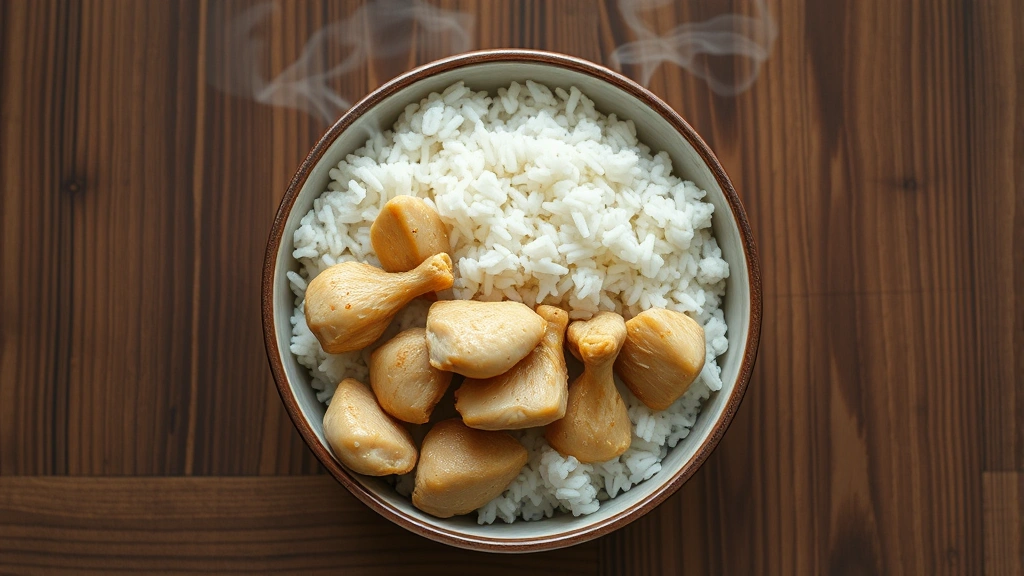
When your furry friend is under the weather, bland diet recipes for sick pets become your secret weapon for nursing them back to health. Whether your dog or cat is recovering from gastroenteritis, surgery, or just has a sensitive stomach acting up, knowing how to whip up the right comfort food can make all the difference between a speedy recovery and prolonged misery.
Table of Contents
- Why Bland Diets Matter for Recovering Pets
- The Golden Rule: Consult Your Vet First
- Recipe #1: The Classic Chicken and Rice Combo
- Recipe #2: Turkey and Sweet Potato for Sensitive Tummies
- Recipe #3: Pumpkin Puree and Boiled Eggs
- Recipe #4: Beef Broth and Carrots for Hydration
- Recipe #5: Plain Fish and Rice for Omega-3 Boost
- Portion Sizes and Feeding Guidelines
- What NOT to Include in Bland Diets
- Signs Your Pet is Ready to Transition Back
- Supplements and Additions to Consider
- Storage and Food Safety Tips
- Frequently Asked Questions
- Final Thoughts: Patience Pays Off
Why Bland Diets Matter for Recovering Pets
Listen, I get it—when your pet is sick, you want to do everything right. A bland diet isn’t about punishment; it’s about giving your pet’s digestive system a break from processing complex, heavy foods. Think of it like putting your pet on a “digestive vacation” where their gut can heal without working overtime.
Bland foods are low in fat, easy to digest, and gentle on the stomach. They reduce inflammation in the GI tract and help restore normal bowel function faster than feeding your pet their regular kibble. Plus, most sick pets actually find these meals more appealing than their usual food—it’s like comfort food, but actually good for them.
The Golden Rule: Consult Your Vet First
Before you start channeling your inner pet chef, talk to your veterinarian. Seriously. Your vet needs to rule out serious conditions and give you the green light for home-cooked meals. They might recommend specific ingredients or portion sizes based on your pet’s weight, age, and medical history. This is especially important if your pet has underlying conditions like diabetic pet feeding schedules to follow.
Recipe #1: The Classic Chicken and Rice Combo
This is the MVP of bland diet recipes for sick pets, and for good reason. It’s simple, effective, and most pets actually enjoy it.
Ingredients:
- 2 cups boneless, skinless chicken breast
- 2 cups white rice (cooked)
- 1 tablespoon of fish oil (optional, for omega-3s)
Instructions:
- Boil the chicken breast in water until fully cooked (no seasoning, no salt)
- Shred or dice the chicken into bite-sized pieces
- Cook white rice according to package directions using plain water
- Mix the chicken and rice in a 1:2 ratio (one part chicken to two parts rice)
- Let it cool completely before serving
- Store leftovers in the fridge for up to three days
The beauty of this recipe is its simplicity. Your pet’s stomach won’t have to work hard to break down these ingredients, and the combination provides easily digestible protein and carbs. Serve small portions throughout the day rather than one big meal.
Recipe #2: Turkey and Sweet Potato for Sensitive Tummies
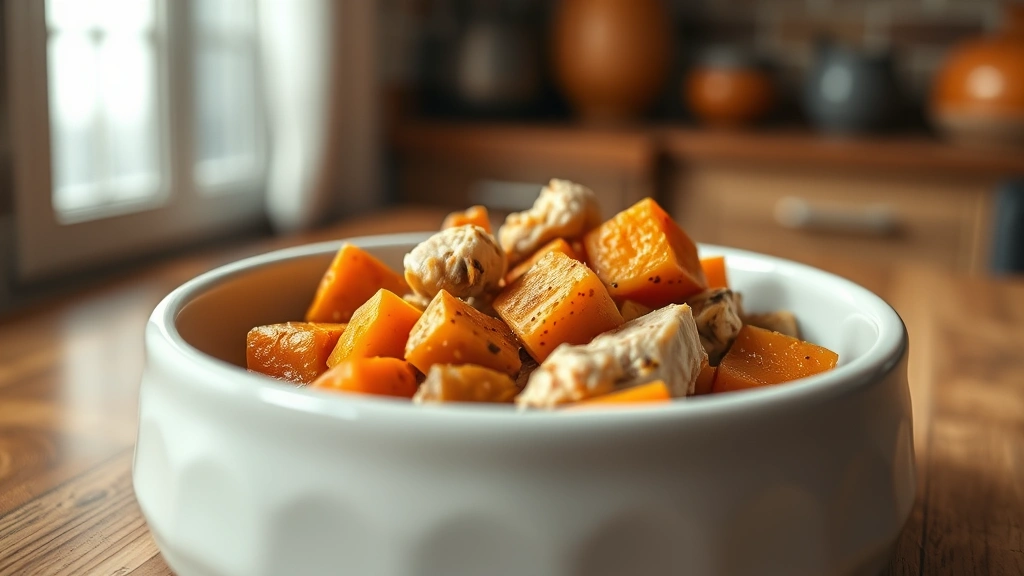
If your pet is bored with chicken or has a sensitivity to it, turkey is an excellent alternative. Sweet potatoes add a touch of nutrition without overwhelming the digestive system.
Ingredients:
- 1.5 cups ground turkey (lean)
- 2 medium sweet potatoes, peeled and diced
- 2 cups low-sodium chicken or vegetable broth
Instructions:
- Heat a non-stick pan and brown the ground turkey over medium heat (no oil needed)
- In a separate pot, boil sweet potato pieces until soft (about 15 minutes)
- Combine the turkey and sweet potatoes
- Add broth to reach desired consistency
- Simmer for 5 minutes, then cool before serving
Sweet potatoes are packed with vitamins and fiber, which helps regulate digestion. This recipe is particularly good for pets recovering from diarrhea. Follow proper pet food transition schedules when introducing this recipe to ensure smooth digestion.
Recipe #3: Pumpkin Puree and Boiled Eggs
Pumpkin is basically the superhero of bland diet recipes for sick pets. It’s packed with soluble fiber and helps with both diarrhea and constipation—yes, really.
Ingredients:
- 1 cup plain pumpkin puree (not pie filling)
- 2 boiled eggs, mashed
- 1 cup cooked white rice
- ½ cup plain, unsweetened yogurt (optional)
Instructions:
- Boil eggs until hard-cooked, then peel and mash
- Combine pumpkin puree, mashed eggs, and cooked rice
- If using yogurt, stir it in gently (the probiotics are great for gut health)
- Mix until you reach a consistent texture
- Serve at room temperature in small portions
Eggs provide high-quality protein and are incredibly easy to digest. The combination of pumpkin’s fiber and egg’s protein makes this recipe especially effective for restoring normal bowel function. Just remember to use plain pumpkin puree—the pie filling has added sugar and spices that will upset your pet’s stomach further.
Recipe #4: Beef Broth and Carrots for Hydration
When your pet is sick, hydration is just as important as nutrition. This recipe tackles both.
Ingredients:
- 2 cups low-sodium beef broth
- 2 carrots, peeled and finely diced
- ½ cup cooked ground beef (lean)
- 1 cup cooked white rice
Instructions:
- Heat beef broth in a pot (don’t boil)
- Add diced carrots and simmer until soft (about 10 minutes)
- Stir in cooked ground beef and rice
- Let cool before serving
- The broth keeps the meal moist and helps with hydration
Carrots add natural sweetness and fiber without being too harsh on the digestive system. The broth ensures your pet stays hydrated, which is crucial during recovery. This recipe is particularly helpful if your pet has been vomiting or has diarrhea.
Recipe #5: Plain Fish and Rice for Omega-3 Boost
Fish is a fantastic protein source for sick pets, especially those with inflammatory bowel issues.
Ingredients:
- 1.5 cups boneless, skinless white fish (cod or tilapia)
- 2 cups cooked white rice
- 1 cup low-sodium fish or vegetable broth
Instructions:
- Poach fish in plain water until cooked through (about 8-10 minutes)
- Flake the fish into small pieces, removing any remaining bones
- Mix flaked fish with cooked rice and broth
- Stir gently and cool before serving
- Portion into small servings
Fish contains omega-3 fatty acids that reduce inflammation and support immune function. This recipe is particularly beneficial for older pets or those with chronic digestive issues. Check out our guide on geriatric pet feeding tips for more information on feeding senior pets during recovery.
Portion Sizes and Feeding Guidelines
Here’s where people often mess up: they serve too much. When your pet is sick, less is more. Start with small portions—about ¼ to ½ cup per meal, depending on your pet’s size—and feed four to six times daily. Yes, that’s a lot of meals, but it gives your pet’s digestive system time to process small amounts without getting overwhelmed.
Gradually increase portion sizes as your pet improves. Most vets recommend staying on a bland diet for 3-7 days before slowly transitioning back to regular food. Use our feeding schedules for pets resource to create a structured plan for your recovery period.
What NOT to Include in Bland Diets
Let me be crystal clear: avoid these foods like they’re toxic (because for sick pets, they basically are):
- Garlic and onions: These contain compounds that damage red blood cells
- Fatty meats: Too hard on the digestive system
- Dairy (except plain yogurt): Most sick pets are lactose intolerant
- Spices and seasonings: Especially salt, pepper, and anything “flavored”
- Grapes and raisins: Toxic to dogs and cats
- Chocolate: Obviously toxic
- High-fiber foods: Counterintuitive, but these can irritate sick stomachs
Signs Your Pet is Ready to Transition Back
Your pet won’t stay on a bland diet forever (though they might wish they could). Watch for these signs that they’re ready to return to regular food:
- Normal, solid stools for at least 2-3 days
- Increased energy and appetite
- No vomiting or retching
- Playful behavior returning
- Vet gives the all-clear
When transitioning back, do it gradually over 7-10 days. Mix increasing amounts of regular food with the bland diet to avoid triggering a relapse. Think of it like slowly returning to the gym after being sick—you don’t go from zero to hero overnight.
Supplements and Additions to Consider
Once your vet approves, consider adding multi-strain probiotics for pets to support gut health during recovery. Probiotics help restore the beneficial bacteria in your pet’s digestive system that might have been damaged during illness.
Other beneficial additions (with vet approval) include:

- Plain, unsweetened pumpkin puree (1-2 tablespoons per meal)
- Plain yogurt with active cultures (1-2 tablespoons per meal)
- Bone broth (unsalted, no onions or garlic)
- Fish oil for omega-3 support
For pets with chronic conditions, consult resources on chronic condition management supplements to ensure you’re supporting long-term digestive health.
Storage and Food Safety Tips
Homemade bland diet recipes for sick pets need proper storage to prevent bacterial growth:
- Refrigerate immediately: Don’t leave cooked meals at room temperature for more than 2 hours
- Use within 3 days: Homemade pet food doesn’t have preservatives
- Freeze for longer storage: Portion into ice cube trays or small containers and freeze for up to 3 months
- Thaw properly: Move to the fridge the night before serving, or thaw in warm water
- Never reuse leftovers: If your pet doesn’t finish a meal within 30 minutes, toss it
Food safety matters just as much for pets as it does for humans. A food-borne illness on top of an already-sick pet is the last thing you need.
Frequently Asked Questions
Can I use canned pumpkin instead of fresh pumpkin?
Yes! Canned pumpkin puree is actually more convenient and just as effective as fresh. Just make sure it’s plain pumpkin puree, not pumpkin pie filling, which contains added sugar and spices.
How long should my pet stay on a bland diet?
Most pets need 3-7 days of bland food while they recover. However, this depends on the severity of their condition and your vet’s recommendations. Always follow your veterinarian’s guidance rather than guessing.
Is it okay to use store-bought broth for these recipes?
Yes, but choose low-sodium options. Regular broths contain too much salt, which isn’t ideal for sick pets. Read the label carefully and avoid any broth with garlic, onions, or xylitol (an artificial sweetener).
What if my pet refuses the bland food?
Some pets are picky, even when sick. Try warming the food slightly to enhance the aroma, or add a tiny bit of plain, unsalted chicken broth to make it more appealing. If your pet still refuses food, contact your vet immediately.
Can I add vegetables to bland diet recipes?
Some vegetables are safe, but keep it minimal. Carrots, green beans, and plain pumpkin are okay. Avoid cruciferous vegetables like broccoli and cabbage, which can cause gas and bloating.
Should I add vitamins or supplements to homemade bland diets?
Only with your vet’s approval. While homemade meals are nutritious, they might lack certain vitamins and minerals. Your vet might recommend specific supplements during the recovery period.
Is white rice better than brown rice for sick pets?
Yes. White rice is more easily digestible and less likely to irritate an already-sensitive stomach. Brown rice has more fiber, which can be too harsh during acute illness. Save the brown rice for when your pet has fully recovered.
Final Thoughts: Patience Pays Off
Nursing a sick pet back to health requires patience, attention to detail, and a willingness to cook homemade meals. It’s not glamorous, and it definitely requires more effort than opening a can of regular food, but the results are worth it.
Bland diet recipes for sick pets aren’t just about nutrition—they’re about showing your furry friend that you care enough to put in the work. These five recipes have helped countless pets recover from digestive upset, surgery, and illness. Your pet will be back to their normal, chaotic selves before you know it, and you’ll have the satisfaction of knowing you helped them get there.
Remember: always work with your veterinarian, follow portion guidelines, and watch for signs of improvement. Every pet is different, and what works for one might need tweaking for another. Stay patient, stay consistent, and your sick pet will be back to their happy, healthy self soon.





