
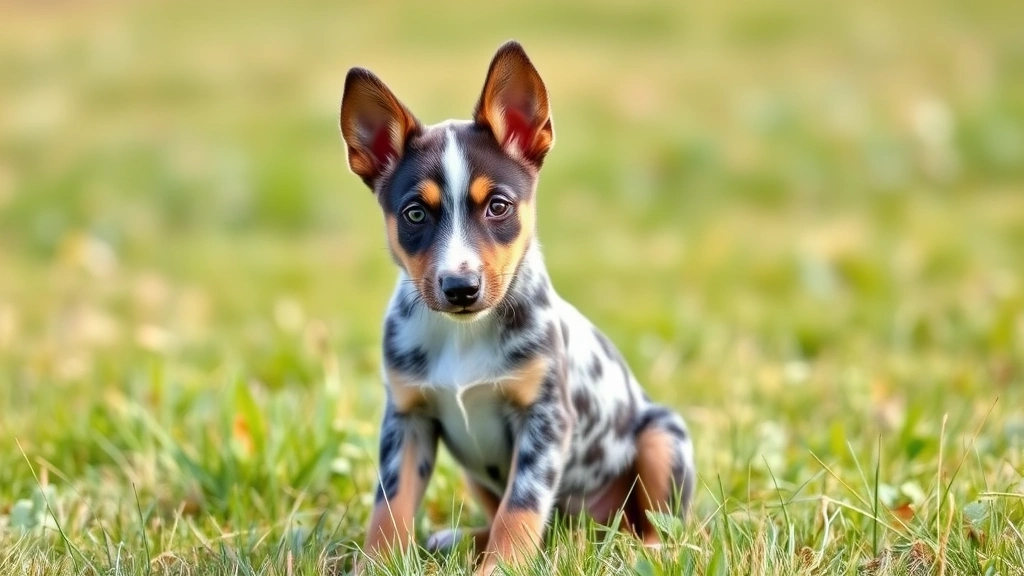
Looking for blue cattle dog breeders? You’re probably imagining that stunning gray-blue coat, those alert ears, and that tireless energy. Here’s the real talk: finding a blue cattle dog breeder who’s actually ethical and responsible isn’t as simple as a Google search. There are backyard breeders, puppy mills, and legitimate operations—and the difference matters more than you’d think, especially when you’re investing thousands of dollars and a decade-plus of your life with this dog.
I’ve worked with enough Blue Heelers (Australian Cattle Dogs with that blue merle coat) to know what separates the good blue cattle dog breeders from the ones you should avoid. This guide walks you through exactly what to look for, red flags to watch, and how to navigate this process without getting scammed or ending up with a dog with serious health problems.
What Are Blue Cattle Dogs?
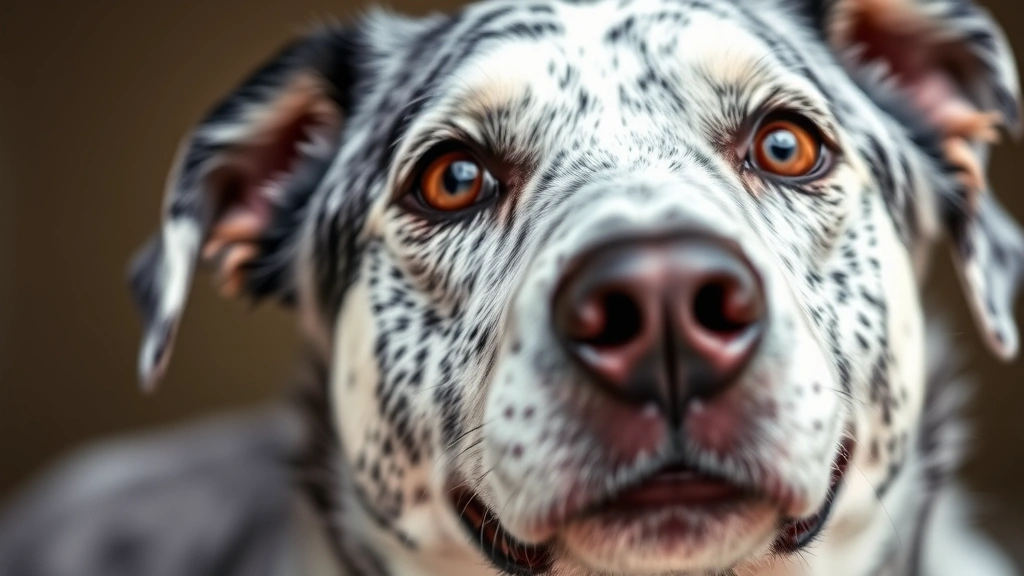
Blue cattle dogs—officially called Australian Cattle Dogs with blue merle coloring—are working dogs bred for herding livestock in Australia. They’re not a separate breed; they’re the blue-coated variety of the Australian Cattle Dog. The “blue” refers to their mottled gray coat pattern, which can look almost purple or slate-colored depending on the light.
These dogs are compact, muscular, and built for endurance. They typically weigh 30-50 pounds and stand 17-20 inches tall. But here’s what matters more than looks: they’re intense. These aren’t couch potatoes. A blue cattle dog needs a job—whether that’s actual herding, agility training, or serious daily exercise. Without an outlet, they’ll herd your kids, nip at your ankles, and destroy your house out of boredom.
According to the American Kennel Club (AKC), Australian Cattle Dogs are ranked #31 in popularity, and the blue variety is especially sought after. That popularity has unfortunately attracted a lot of irresponsible blue cattle dog breeders. When demand is high, so is the temptation to cut corners.
Finding Reputable Blue Cattle Dog Breeders
Start with the AKC Marketplace. This isn’t foolproof—AKC registration doesn’t guarantee a good breeder—but it’s a starting point. Reputable blue cattle dog breeders are almost always registered with the AKC or breed-specific clubs.
Next, find the Australian Cattle Dog Club of America (ACDCA). They maintain a list of breeders who follow ethical standards. These aren’t casual hobby breeders; they’re people who’ve invested years in the breed, compete in shows or trials, and genuinely care about improving the breed’s health and temperament.
Here’s what good blue cattle dog breeders do:
- Screen buyers thoroughly (yes, they’ll interview you)
- Provide health guarantees in writing
- Test breeding dogs for genetic issues before breeding
- Have a waiting list (not puppies available immediately)
- Take dogs back if the adoption doesn’t work out
- Provide ongoing support and mentorship
- Compete with their dogs in shows, trials, or working events
Ask for references. Seriously. Call or email previous puppy buyers and ask them about their experience. A breeder who hesitates to provide references? That’s a sign to move on.
Search for blue cattle dog breeders on Facebook groups dedicated to Australian Cattle Dogs. Join these communities and ask for recommendations. Real dog owners will tell you who’s legit and who’s sketchy. They’ll also warn you about breeders they’ve had bad experiences with.
Red Flags to Avoid
Some blue cattle dog breeders aren’t actually breeders—they’re businesses. Here’s what to watch for:
- Puppies always available: Ethical breeders have waiting lists. If a breeder always has puppies in stock, they’re likely breeding too frequently or running a puppy mill operation.
- Multiple litters at once: This is a massive red flag. One dog, one litter at a time, with recovery time between pregnancies.
- No health testing documentation: If they can’t show you OFA (Orthopedic Foundation for Animals) or PennHIP results for hip/elbow dysplasia, or eye certification from CERF, walk away.
- No contract: A real contract protects both you and the breeder. It should outline health guarantees, spay/neuter requirements, and what happens if you can’t keep the dog.
- Unwilling to answer questions: Defensive breeders are hiding something.
- Selling through pet stores or online marketplaces: Legitimate blue cattle dog breeders don’t use these channels.
- No facility visit allowed: You should be able to see where the dogs live. If a breeder won’t let you visit, that’s suspicious.
- Pressure to buy immediately: “This is the last blue one available” or “I have another family interested” are sales tactics, not signs of a good breeder.
Trust your gut. If something feels off, it probably is. There are plenty of good blue cattle dog breeders out there—don’t settle for a sketchy one just because you’re impatient.
Health Testing Matters
This is where blue cattle dog breeders separate from the pack. Ethical breeders test their breeding dogs for genetic conditions before producing puppies. It’s not optional; it’s essential.
Australian Cattle Dogs are prone to:
- Hip and elbow dysplasia: A developmental orthopedic disease that causes arthritis. Testing through OFA or PennHIP is standard.
- Progressive Retinal Atrophy (PRA): An eye disease that leads to blindness. Breeders should have CERF (Canine Eye Registration Foundation) certification.
- Deafness: Especially in blue merles. A BAER test (Brainstem Auditory Evoked Response) should be performed on puppies.
- Collie Eye Anomaly (CEA): Another eye condition. Genetic testing is available.
- Hemangiosarcoma: A type of cancer. While not preventable through testing, reputable breeders track it in their lines.
Ask blue cattle dog breeders to show you documentation of health testing. Not just “my dog is healthy”—actual test results from recognized organizations. This is non-negotiable.
Pro Tip: Request a health guarantee that covers genetic issues for at least 2 years. Some reputable breeders offer lifetime guarantees for serious conditions like hip dysplasia.
According to the Orthopedic Foundation for Animals (OFA), you can actually search their database to verify a breeder’s dogs have been tested. This is a free resource—use it.
Cost Expectations
Blue cattle dog puppies from reputable blue cattle dog breeders typically cost $800-$2,000. Sometimes more, depending on the breeder’s reputation, location, and the dog’s pedigree.
Yes, that’s expensive. But here’s why:
- Health testing for breeding dogs ($500-$1,500 per dog)
- Breeding veterinary care and ultrasounds
- Quality nutrition and supplements during pregnancy
- Puppy care: food, vaccines, socialization
- Time spent screening buyers and providing support
If a blue cattle dog breeder is charging $300-$400, they’re cutting corners somewhere. Either the dogs aren’t health tested, they’re breeding too frequently, or both. You might save money upfront, but you could spend $5,000+ treating hip dysplasia or other genetic issues later.
Cheap puppies are expensive dogs.
That said, cost alone doesn’t guarantee quality. Some breeders charge premium prices without doing health testing. Ask questions. See documentation. Price should reflect the care and testing, not just demand.
Questions to Ask Blue Cattle Dog Breeders
When you contact blue cattle dog breeders, come prepared. Here are the questions that matter:
- “Can you show me health testing documentation for both parents?” Ask for OFA, PennHIP, CERF, and any genetic testing results. Legitimate breeders will have this ready.
- “How often do you breed your dogs?” Ethical breeders don’t breed every heat cycle. Most wait 1-2 years between litters.
- “Can I visit your facility and meet the parents?” A good breeder will welcome this. If they won’t, move on.
- “What’s your return policy?” If life circumstances change, can you return the dog? Ethical breeders will take their dogs back, no questions asked.
- “Do you provide a health guarantee?” Get it in writing. What conditions are covered? For how long?
- “Can you provide references from previous buyers?” Contact them. Ask about their experience.
- “What’s your breeding goal?” Are they breeding for health, temperament, working ability, or just selling puppies? The answer reveals a lot.
- “Will you mentor me on training and care?” Good blue cattle dog breeders stay involved and offer guidance.
- “Are puppies spayed/neutered before going home?” Some breeders do this to prevent accidental breeding. Others leave it to the buyer. Both approaches are legitimate, but it’s worth knowing.
- “What do you feed your dogs, and what do you recommend for puppies?” This shows they think about nutrition.
If a breeder gets defensive or dismissive, that’s a red flag. Legitimate blue cattle dog breeders expect these questions and answer them thoroughly.
Alternatives: Rescue and Adoption
Not everyone needs a puppy. If you’re open to an adult dog, rescue organizations are fantastic. There are breed-specific Australian Cattle Dog rescues across the country. You can also check general rescue sites like Petfinder.com and filter by breed.
Advantages of rescue:
- Lower cost (typically $50-$300)
- Adult dogs are past the chaotic puppy stage
- Rescue organizations often provide behavioral history and medical records
- You’re saving a life
- Many rescued dogs are already trained
The downside? You might not know the dog’s exact background or genetic history. But many rescue dogs are surrendered due to life circumstances, not behavioral issues. And honestly, a well-matched rescue dog can be just as rewarding as a breeder puppy.
If you do go the rescue route, ask questions about the dog’s history, any medical issues, and behavioral tendencies. Good rescues will be honest about what you’re getting.
Preparing Your Home for a Blue Cattle Dog
Before you bring a blue cattle dog home—whether from a breeder or rescue—understand what you’re signing up for. These dogs are not for everyone.
Blue cattle dogs need:
- Exercise: At least 1-2 hours daily. A backyard isn’t enough; they need mental and physical stimulation.
- A job: Herding, agility, dock diving, obedience training—something to channel their energy.
- Socialization: Early and ongoing exposure to people, dogs, and environments. They can be reserved or suspicious of strangers if not properly socialized.
- Training: They’re smart and independent-minded. A firm, consistent hand is necessary.
- Space: While they’re small, they need room to move. An apartment with minimal outdoor access is not ideal.
If you’re working 8 hours a day and don’t have a plan for exercise and enrichment, a blue cattle dog isn’t the right fit. Consider a lower-energy breed instead. Take a quiz to see what dog would suit you if you’re unsure.
Also, be prepared for the nipping. Blue cattle dogs herd by nipping at heels—it’s instinct. Training redirects this behavior, but it doesn’t disappear entirely. Families with small children should be aware.
Safety Warning: Blue cattle dogs have a high prey drive. Small pets like cats, rabbits, or guinea pigs can trigger herding or hunting behavior. Careful introduction and supervision are essential.
On the nutrition front, quality matters. Ask your breeder what they feed and why. Carrots are fine for dogs as treats, but the bulk of their diet should be high-quality dog food with appropriate protein levels for an active breed. Acai is safe in moderation, but stick to vet-recommended options for regular nutrition.
Vaccinations are critical. Make sure your puppy is up-to-date on DHLPP vaccines and rabies. Ask your breeder what vaccines the puppy has already received, and schedule a vet visit within the first week to establish care.
Frequently Asked Questions
How do I know if a blue cattle dog breeder is legitimate?
– Legitimate blue cattle dog breeders are registered with the AKC or breed clubs, perform health testing, screen buyers, provide contracts, and maintain relationships with puppy buyers long-term. They won’t have puppies constantly available and will welcome facility visits.
What health issues should I ask about?
– Ask about hip/elbow dysplasia (OFA or PennHIP testing), progressive retinal atrophy (CERF certification), deafness (BAER testing for puppies), and Collie Eye Anomaly. Request documentation from recognized testing organizations, not just the breeder’s word.
Is a $400 blue cattle dog puppy a good deal?
– No. Reputable blue cattle dog breeders charge $800-$2,000 because of health testing, proper breeding practices, and ongoing support. Cheap puppies often come with hidden health or behavioral issues that cost far more to address later.
Can I find a blue cattle dog through rescue?
– Yes. Breed-specific Australian Cattle Dog rescues exist nationwide. Check Petfinder.com and search for “Australian Cattle Dog” rescue in your area. You’ll save money and might find a great dog that just needed a second chance.
What’s the difference between a blue cattle dog and an Australian Cattle Dog?
– They’re the same breed. “Blue cattle dog” refers to Australian Cattle Dogs with blue merle coloring. The breed also comes in red merle or red speckle. Temperament and care are identical regardless of coat color.
How long do blue cattle dogs live?
– Typically 12-16 years with proper care. Health-tested dogs from responsible blue cattle dog breeders tend to have fewer genetic issues and longer, healthier lives.
Do blue cattle dogs shed a lot?
– Yes, they shed year-round, with heavier shedding twice a year during coat blows. Regular brushing helps manage it. If shedding is a dealbreaker, this breed isn’t for you. For comparison, check how other breeds shed.
What should I look for in a puppy contract?
– A good contract includes health guarantees (typically 2+ years for genetic issues), return policy, spay/neuter requirements, breeding restrictions, and what happens if you can’t keep the dog. It should be written and signed by both parties.
How do I avoid puppy mills when searching for blue cattle dog breeders?
– Avoid breeders who have multiple litters simultaneously, always have puppies available, won’t let you visit, pressure you to buy, or can’t provide health testing documentation. Buy from AKC-registered breeders affiliated with breed clubs instead.
Should I get a male or female blue cattle dog?
– Both genders make excellent companions. Males tend to be slightly larger and more independent; females can be more focused on their owner. Temperament varies more by individual dog and breeding than by gender. Ask your breeder about the specific puppy’s personality.
What if I find a blue cattle dog puppy online for $200?
– That’s almost certainly a scam or a puppy mill. Legitimate blue cattle dog breeders don’t sell puppies at that price. You’ll either lose your money or receive a sick puppy with serious genetic issues. Report the listing and move on.





