

When you drop off your furry friend at a boarding facility, one of the most critical things you’ll need to communicate is your pet’s boarding facility feeding instructions. Getting this right can mean the difference between a happy, well-adjusted pup and a stressed-out, upset stomach situation. Let’s dive into everything you need to know about keeping your pet properly fed while they’re away from home.
Table of Contents
- Why Boarding Facility Feeding Instructions Matter So Much
- The Pre-Boarding Consultation: Your First Step
- Essential Information to Include in Your Instructions
- Handling Special Dietary Needs at Boarding Facilities
- Treats, Snacks, and the Gray Area
- Managing Feeding-Related Anxiety and Stress
- Documenting Everything in Writing
- Special Considerations for Multi-Pet Boarding
- Communicating with Staff: Before, During, and After
- Red Flags: When a Facility Isn’t Taking Feeding Seriously
- Technology and Feeding Documentation
- Preparing Your Pet for Boarding Feeding Success
- Frequently Asked Questions
- Summary: Making Boarding Facility Feeding Instructions Work
Why Boarding Facility Feeding Instructions Matter So Much
Your pet isn’t just any animal—they’re your family member with specific dietary needs, preferences, and quirks. Maybe Fluffy gets anxious without their usual kibble, or Rex has a sensitive stomach that requires premium food. When you leave detailed pet boarding feeding guidelines, you’re essentially handing the facility a roadmap to keep your pet comfortable and healthy.
Boarding staff deal with dozens of animals daily. Without clear instructions, they might accidentally feed your dog the wrong amount, forget about special dietary requirements, or miss crucial timing cues. This is why written, detailed instructions aren’t just helpful—they’re essential.
The Pre-Boarding Consultation: Your First Step
Before your pet even arrives at the facility, schedule a consultation. This is your chance to discuss your pet’s complete dietary profile. Talk about portion sizes, feeding times, and any allergies or sensitivities. A professional boarding facility will ask detailed questions because they understand that proper nutrition directly impacts your pet’s behavior and well-being during their stay.
During this meeting, ask about the facility’s experience with special diets. Do they handle raw diets? Can they manage prescription food? Are they comfortable with pet supplement dosage guidance for animals on additional supplements? Getting these answers upfront prevents last-minute stress.
Essential Information to Include in Your Instructions
Your boarding facility feeding instructions should include the following details:
Specific Food Brand and Type: Don’t just say “dog food.” Write down the exact brand, formula, and bag size. Include a photo of the bag if possible. Brands matter—switching from Purina Pro Plan to a random store brand can cause digestive upset.
Portion Sizes: Specify exact amounts in cups or grams. “A scoop” isn’t precise enough because different scoops vary in size. If your dog eats 1.5 cups twice daily, write exactly that.
Feeding Schedule: Most dogs do best on consistent schedules. Specify morning and evening feeding times. If your pet has unique needs, like feeding before or after exercise, mention that too.
Water Access: Clarify whether your pet should have constant access to fresh water or if water should be limited at certain times (sometimes necessary for housetrain-resistant dogs).
Handling Special Dietary Needs at Boarding Facilities
Not all pets eat standard kibble. Some have allergies, medical conditions, or owner preferences that require special attention. If your dog needs prescription food for kidney disease, digestive issues, or allergies, bring enough for the entire stay plus extra. Label it clearly with your pet’s name and feeding instructions.
For pets on raw diets or homemade meals, discuss storage and handling with the facility beforehand. Many boarding facilities have freezer space and can manage frozen raw portions if you provide them pre-portioned. Check out our guide on pet supplement storage for additional preservation tips that might apply to specialized diets.
If your pet requires medication with food, or needs specific meal timing for health reasons, emphasize this in your written instructions. Some facilities charge extra for specialized dietary management—it’s worth the investment for your pet’s health.
Treats, Snacks, and the Gray Area
Here’s where things get tricky. Should the boarding staff give treats? Which treats are acceptable? Some pets will refuse to eat their regular food if they know treats are available. Others need treats for training purposes or anxiety management.
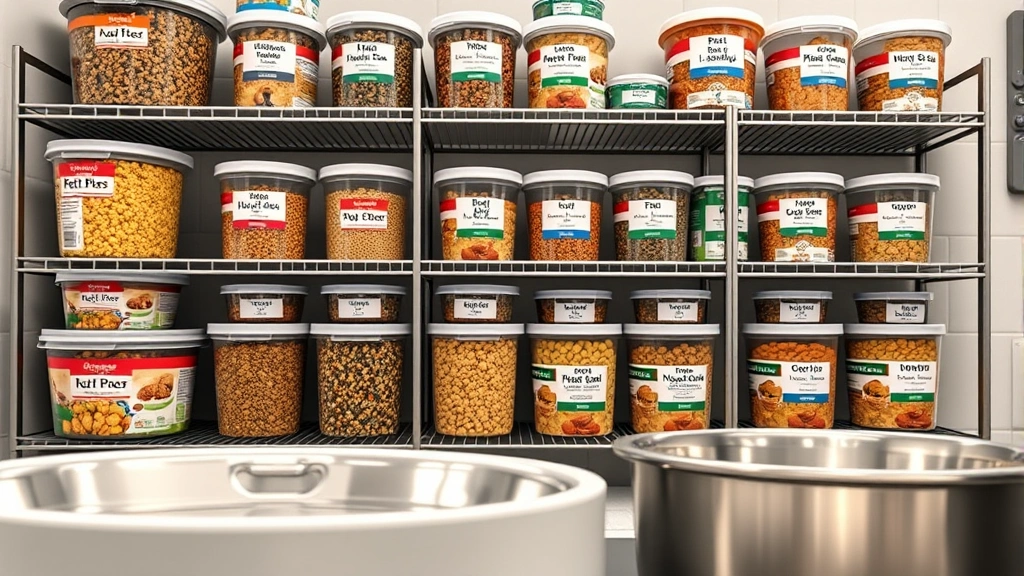
In your pet boarding feeding guidelines, specify whether treats are allowed, which types, and how many per day. You can bring specific treats from home or authorize the facility to use their own. If your pet has food allergies, explicitly state which treats to avoid.
Pro tip: Bring some high-value treats that your pet loves. Boarding staff can use these during training sessions or to help your pet settle in, which actually makes the entire experience less stressful.
Managing Feeding-Related Anxiety and Stress
Some pets are anxious eaters, especially in new environments. They might not eat their first day or two at a boarding facility. This is completely normal. Include a note about your pet’s eating habits under stress. Does your dog usually eat less when nervous? Does she prefer eating alone? Should staff try hand-feeding if she refuses her bowl?
If your pet has severe anxiety, discuss whether the facility recommends consulting a veterinarian about anti-anxiety medication during the stay. This isn’t admitting defeat—it’s being a responsible pet parent. Proper pet first aid guidance includes understanding when professional help is necessary.
Documenting Everything in Writing
Don’t rely on verbal instructions alone. Create a detailed written document that includes:
- Your pet’s name and photo
- Your contact information and emergency contact
- Veterinarian’s name and phone number
- Complete feeding schedule with portion sizes
- Food brand and type (with a photo of the bag)
- Any allergies or dietary restrictions
- Medication administration with food (if applicable)
- Treat allowances and specific treat names
- Behavioral notes about eating (anxious, picky, etc.)
- Any special feeding equipment needed (elevated bowls, slow feeders, etc.)
Provide this document in both digital and printed formats. Laminate the printed version if the facility allows—it’ll survive spills and repeated handling.
Special Considerations for Multi-Pet Boarding
If you’re boarding multiple pets, each needs individual feeding instructions. Some facilities feed pets separately to ensure each one eats their proper portion (especially important if one pet is on a diet). Others might allow group feeding. Specify your preference and any behavioral notes about how your pets interact during meals.
If your pets have significant size differences or different dietary needs, emphasize that they should be fed separately. A 10-pound Chihuahua and a 90-pound Labrador have vastly different caloric needs, and mixing their food portions could cause serious health issues.
Communicating with Staff: Before, During, and After
Arrive early on drop-off day and walk through feeding logistics with staff. Show them exactly where food is stored, demonstrate portion sizes, and answer any questions they have. This personal touch ensures nothing gets lost in translation.
During your pet’s stay, ask about feeding updates. Did your dog eat well? Any digestive issues? This feedback helps you understand how your pet responds to boarding stress and informs future stays.
After pickup, discuss how feeding went. This information is valuable for your veterinarian if you notice any digestive issues post-boarding. It also helps you choose better facilities in the future.
Red Flags: When a Facility Isn’t Taking Feeding Seriously
If a boarding facility dismisses your detailed feeding instructions, doesn’t ask clarifying questions, or seems unwilling to accommodate special diets, that’s a red flag. Quality facilities understand that proper nutrition is non-negotiable for pet welfare.
Similarly, if staff can’t tell you what your pet ate during their stay, or if they seem confused about your instructions, consider finding a different facility. Your pet’s health and comfort depend on staff taking feeding seriously.

Technology and Feeding Documentation
Many modern boarding facilities use apps or digital systems to track feeding times and amounts. Ask if your facility offers this. Some even send photos or videos of your pet eating, which provides peace of mind. If your facility uses digital tracking, confirm that your detailed feeding instructions are entered correctly in their system.
For pets on medications or pet supplement interactions, digital documentation is especially important. It creates a clear record of what was administered when, which is critical if any health issues arise.
Preparing Your Pet for Boarding Feeding Success
Before boarding, ensure your pet is comfortable eating in various environments. Practice feeding your dog in different locations, from different bowls, and at different times. This flexibility helps them adapt to boarding facility feeding routines.
Also, consider a pre-boarding vet checkup. If your pet has underlying digestive issues or health conditions, your vet can provide additional guidance for the boarding facility and ensure your pet is in good health before the stay.
Frequently Asked Questions
What if my pet refuses to eat at the boarding facility?
Refusal to eat for the first day or two is normal due to stress. Ensure your detailed feeding instructions include notes about your pet’s behavior under stress. If refusal continues beyond 2-3 days, contact your veterinarian. The boarding facility should contact you if they notice persistent refusal to eat.
Can boarding facilities accommodate raw diets?
Many can, but not all. Always ask during your pre-boarding consultation. If they can accommodate raw diets, provide pre-portioned, clearly labeled meals. Discuss storage, thawing, and handling procedures in detail.
Should I bring food from home or use the facility’s food?
Bringing your pet’s regular food from home is typically best, especially for the first boarding experience. This eliminates digestive upset from food changes and ensures your pet eats familiar food when stressed.
What about water during boarding?
Fresh water should be available at all times unless your veterinarian or behavioral specialist recommends otherwise. Include this in your written instructions, and confirm the facility’s water policy.
How do I handle feeding if my pet is on medication?
Provide clear written instructions about which medications require food and the exact timing. Some medications need to be given with a meal, while others require an empty stomach. Your veterinarian can clarify this, and you should include it in your boarding facility feeding instructions.
Can the facility give my pet treats?
That’s entirely up to you. Specify which treats are allowed, how many per day, and whether staff should use treats for training or anxiety management. Bring approved treats from home if you prefer.
Summary: Making Boarding Facility Feeding Instructions Work
Proper boarding facility feeding instructions aren’t just helpful—they’re essential for your pet’s well-being during their stay. By providing detailed, written instructions that cover everything from portion sizes to special dietary needs, you’re setting both your pet and the boarding facility up for success.
Remember: quality boarding facilities welcome detailed instructions and take feeding seriously. They understand that proper nutrition directly impacts your pet’s behavior, health, and overall boarding experience. Don’t hesitate to be thorough, ask questions, and follow up on how your pet ate during their stay.
Your pet depends on you to communicate their needs clearly, even when you’re not there. Take the time to create comprehensive feeding instructions, and you’ll have peace of mind knowing your furry friend is properly cared for while you’re away.





