

Your senior dog or cat might be moving a little slower these days, but brain health for aging pets doesn’t have to decline along with their joints. If you’ve noticed your furry friend forgetting where the food bowl is or seeming confused about bedtime routines, you’re not alone—cognitive decline in older pets is incredibly common, but it’s also incredibly preventable. The good news? There are proven, science-backed strategies to keep those aging brains sharp, engaged, and thriving well into their golden years.
Understanding Canine and Feline Cognitive Decline
Before we dive into solutions, let’s talk about what actually happens to your pet’s brain as they age. Cognitive dysfunction in senior pets—sometimes called “doggy dementia” or feline cognitive dysfunction—affects roughly 28% of dogs aged 11-15 years and even more cats in their twilight years. The culprit? A buildup of protein plaques, reduced blood flow to the brain, and declining neurotransmitter production. Think of it like rust forming on an old engine; it doesn’t happen overnight, but without maintenance, performance suffers. Your aging pet’s brain experiences similar wear and tear, which is why proactive intervention matters so much.
The Power of Antioxidants and Omega-3 Fatty Acids
Here’s where nutrition becomes your secret weapon for cognitive support. Antioxidants like vitamin E, vitamin C, and beta-carotene fight free radicals that damage brain cells. Meanwhile, omega-3 fatty acids—particularly DHA and EPA—are like premium fuel for your pet’s neural engine. Studies show that pets receiving omega-3 supplementation demonstrate improved cognitive function and better memory retention. Look for fish-based supplements or foods rich in these nutrients. A multi-strain probiotics for pets can also support gut health, which research increasingly links to brain function through the gut-brain axis. When your senior pet’s digestive system is thriving, their cognitive performance often follows suit.
Mental Stimulation: The Brain Gym Your Pet Needs
Bored brains deteriorate faster than engaged ones—this applies to pets just as much as humans. Your aging companion needs regular mental exercise to maintain neural plasticity and cognitive sharpness. Puzzle toys, scent games, training sessions, and interactive play aren’t just fun; they’re neurological maintenance. Even a 15-minute daily puzzle session can make a measurable difference in cognitive function. Cats benefit from hunting simulations and food-dispensing toys, while dogs thrive on nosework games and learning new tricks (yes, old dogs absolutely can learn new tricks—in fact, they should). The key is variety; rotate toys and activities to keep that brain constantly challenged and engaged.
Quality Sleep and Environmental Enrichment
Senior pets need more sleep than their younger counterparts, but that doesn’t mean they should sleep their cognitive abilities away. The quality of sleep matters enormously. A comfortable, quiet sleeping space supports restorative sleep cycles critical for memory consolidation and brain health. Additionally, environmental enrichment—windows to watch birds, safe outdoor time, rotating toys, and social interaction—keeps aging brains stimulated without causing stress. Consider that your pet’s environment should be both calming and engaging; it’s a delicate balance that prevents both understimulation and overstimulation.
The Role of Gut Health in Cognitive Function
You might wonder what your pet’s digestive system has to do with their brain. Everything, actually. The gut-brain connection is one of the most exciting discoveries in veterinary medicine. When your senior pet has digestive issues or poor gut flora balance, it can directly impact their cognitive function and mood. This is where sensitive stomach supplements become particularly valuable for aging pets. A healthy microbiome produces neurotransmitters like serotonin and GABA, which are essential for mood regulation and cognitive clarity. If your senior pet struggles with digestion, addressing that issue might simultaneously improve their mental sharpness. Products like liquid probiotics for pets offer easy administration for pets with swallowing difficulties, making supplementation accessible even for the most finicky seniors.
Medication and Supplements Specifically for Cognitive Support
Beyond general nutrition, several supplements and medications have strong evidence supporting their use for aging pet cognition. Phosphatidylserine, L-carnitine, and SAMe (S-adenosylmethionine) all show promise in clinical studies. Your veterinarian might also recommend prescription medications like selegiline (Anipryl) for dogs with diagnosed cognitive dysfunction. These interventions work best when combined with lifestyle changes; think of supplements as one tool in a comprehensive toolkit rather than a standalone solution. Always consult your vet before starting any supplement regimen, especially if your pet takes other medications.

Exercise: Gentle Movement for Brain and Body
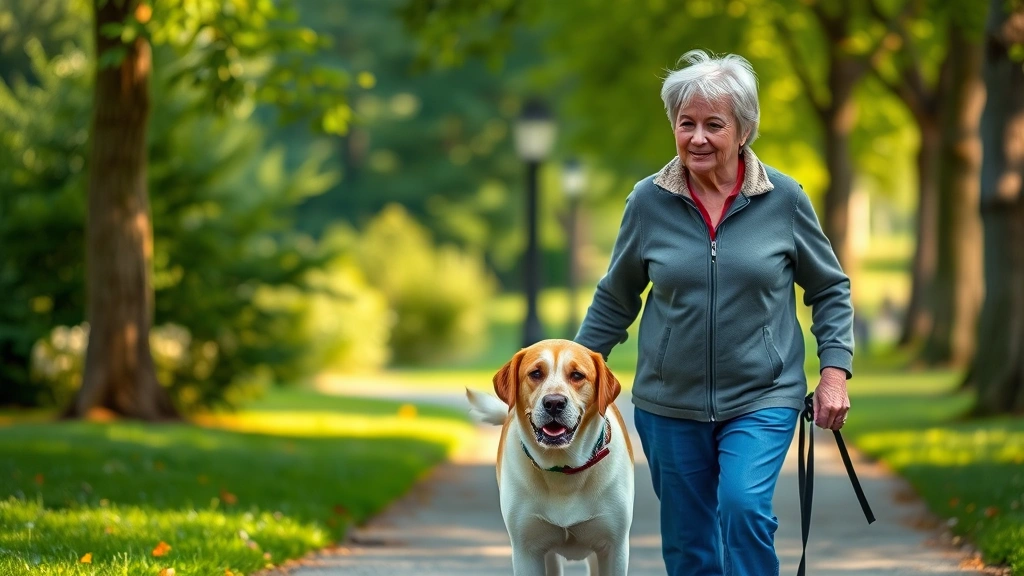
While your senior pet shouldn’t be running marathons, regular gentle exercise is crucial for cognitive health. Physical activity increases blood flow to the brain, promotes the growth of new neurons, and supports overall neurological function. Short, frequent walks tailored to your pet’s mobility level work better than occasional intense exercise sessions. Swimming is particularly excellent for arthritic senior pets because it provides cardiovascular and cognitive benefits without joint stress. Even 20 minutes of moderate activity several times weekly can significantly impact brain health and help prevent cognitive decline.
Monitoring Changes and When to Seek Veterinary Care
Staying alert to cognitive changes helps you catch problems early when intervention is most effective. Warning signs include disorientation, changes in sleep-wake cycles, loss of house training, decreased social interaction, and apparent memory loss. Some changes are normal aging; others warrant veterinary evaluation. Your vet can rule out medical conditions like thyroid disease or urinary tract infections that mimic cognitive dysfunction. Regular wellness exams become even more critical for senior pets, ideally twice yearly rather than annually. Early detection and intervention can add years of quality cognitive function to your pet’s life.
Creating a Brain-Healthy Routine for Your Senior Pet
The most effective approach combines multiple strategies into a consistent daily routine. Morning puzzle toys, midday walks, afternoon training sessions, evening social interaction, and nighttime cuddles create a rhythm that supports cognitive health. Add quality nutrition with appropriate supplements, ensure regular veterinary check-ups, and maintain environmental enrichment. This holistic approach addresses brain health from multiple angles simultaneously. Your senior pet thrives when their routine provides mental stimulation, physical activity, quality nutrition, and emotional connection—all essential components of optimal cognitive function.
The Long-Term Benefits of Brain Health Investment
Investing in your aging pet’s cognitive health isn’t just about preventing decline; it’s about maximizing the quality and enjoyment of their remaining years. A mentally sharp senior pet is more engaged with family, happier, and often healthier overall. The connection between cognitive function and physical health is profound; pets who remain mentally active tend to maintain better appetite, mobility, and overall vitality. Your effort today in supporting brain health translates directly into more joyful moments with your beloved companion tomorrow. For additional digestive support that complements cognitive health efforts, consider powder probiotics for cats if you have feline seniors, as these are often easier to administer than pills.
Frequently Asked Questions
At what age should I start focusing on brain health for aging pets?
While cognitive decline typically becomes noticeable around age 7-8 for dogs and 10+ for cats, brain health support should ideally begin in middle age (around 5-6 years for dogs, 8+ for cats). Prevention is far easier than treatment, so starting early gives you the best outcomes. However, it’s never too late to implement cognitive support strategies—senior pets benefit from brain-boosting interventions at any age.
Can diet alone improve my senior pet’s cognitive function?
Diet is foundational and incredibly important, but optimal results come from combining nutrition with mental stimulation, exercise, and social engagement. A premium diet rich in antioxidants and omega-3s creates the nutritional foundation, while enrichment activities build the cognitive reserve. Think of diet as necessary but not sufficient on its own.
How long does it take to see improvements in cognitive function?
Some improvements appear within weeks, particularly in energy levels and engagement. More significant cognitive improvements typically develop over 2-3 months of consistent intervention. Patience is important; brain changes happen gradually, but consistency compounds benefits over time.
Are there specific breeds more prone to cognitive decline?
Larger breed dogs show slightly higher rates of cognitive dysfunction, possibly due to faster aging. However, all breeds and all senior pets benefit from cognitive support strategies. Individual variation matters more than breed tendencies, so tailor your approach to your specific pet’s needs and abilities.
Is cognitive dysfunction reversible in senior pets?
Complete reversal is unlikely once significant decline has occurred, but progression can be slowed dramatically and sometimes halted entirely with appropriate intervention. Early detection and proactive management offer the best outcomes. Many pet parents report their senior pets regaining lost cognitive abilities when interventions begin promptly.
Summary: Your Action Plan for Brain Health in Aging Pets
Brain health for aging pets requires a multifaceted approach combining excellent nutrition, mental stimulation, appropriate exercise, quality sleep, and regular veterinary care. Start with a consultation with your vet to rule out underlying medical issues and establish a baseline for your senior pet’s cognitive function. Implement dietary improvements focusing on antioxidants and omega-3 fatty acids, introduce regular puzzle toys and training sessions, and ensure your pet maintains appropriate physical activity. Monitor changes carefully and adjust your approach based on your individual pet’s response. Most importantly, remember that your consistent effort and attention directly translate into more vibrant, engaged years with your beloved companion. The investment in brain health today pays dividends in quality time tomorrow. For more information about supporting your senior pet’s overall wellness, check out our blog for comprehensive pet health resources.





