
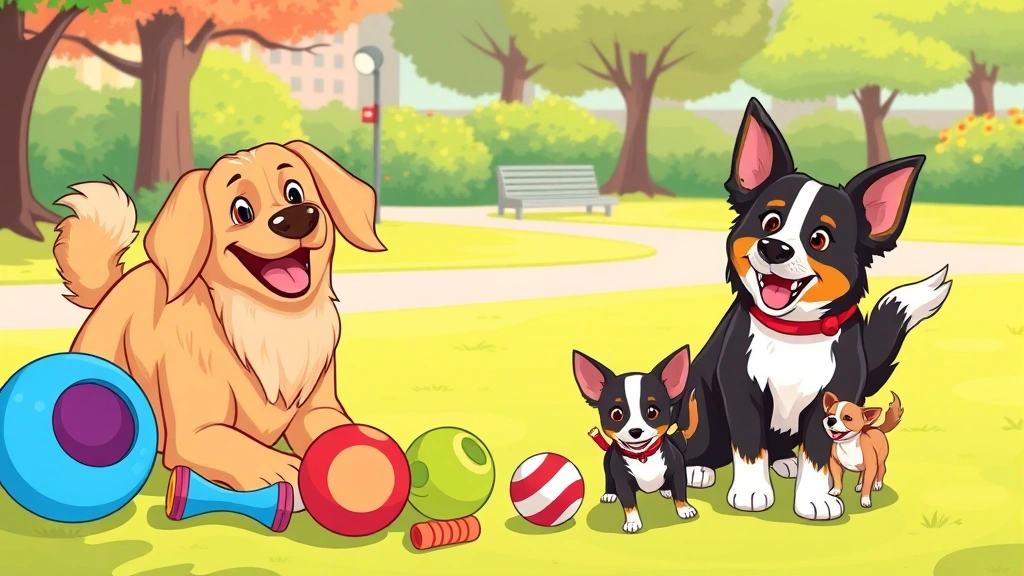
Your dog stares at you with those eyes. The toy in their mouth is shredded. Again. If you’ve got a breed dog—whether it’s a high-energy working breed, a stubborn chewer, or a delicate lap dog—you know that not all toys are created equal. The right breed dog toys aren’t just about keeping your pup entertained for five minutes. They’re about preventing boredom, protecting your furniture, and honestly, saving your sanity.
Here’s the thing: a Golden Retriever doesn’t play the same way a Chihuahua does. A Border Collie’s brain works differently than a Bulldog’s. And that German Shepherd who destroys everything? She needs breed-specific breed dog toys that match her drive and durability needs. Picking the wrong toy is like giving a Formula 1 driver a tricycle—it’s not going to work.
In this guide, I’ll walk you through exactly how to choose breed dog toys that actually last, keep your specific breed engaged, and fit your budget. Let’s dig in.
Understanding Your Breed’s Play Style
Before you buy a single breed dog toy, you need to understand what your dog actually does. This isn’t about what the package says. It’s about watching your dog in action.
Some breeds are natural hunters. Terriers, for example, have prey drive hardwired into their DNA. They don’t just want to carry a toy—they want to shake it, kill it, and destroy it. A soft plush toy is going to be confetti in thirty seconds. Meanwhile, a Pekingese might just want something to carry around and sleep with. Different needs entirely.
High-energy working breeds like Border Collies, Australian Shepherds, and Belgian Malinois (if you’re considering one, check out how much a Belgian Malinois costs before committing) need mental stimulation more than physical toys sometimes. These dogs are literally bred to think for eight hours a day. A tennis ball won’t cut it. They need puzzles, games, and interactive breed dog toys that make them work their brain.
Brachycephalic breeds (flat-faced dogs like Bulldogs and Pugs) have different needs too. They can overheat easily, so intense play sessions aren’t ideal. They need toys they can engage with at their own pace, without overexertion.
Pro Tip: Watch your dog for 15 minutes without toys. Does she pace? Does he grab things? Does she carry stuff in her mouth? This tells you everything about what breed dog toys will actually work for your specific dog.
Understanding whether dogs can get bored is crucial too. Spoiler: they absolutely can. And bored dogs destroy things. A lot of behavior problems people think are aggression or anxiety are actually just boredom. The right breed dog toys solve this at the source.
Best Breed Dog Toys by Breed Category
Let’s break down breed dog toys by actual breed types, because one size definitely does not fit all.
Sporting and Hunting Breeds
Retrievers, Pointers, Setters, and Spaniels love carrying things. They were literally bred to retrieve birds. These dogs need breed dog toys that satisfy that instinct. Soft plush toys with squeakers work, but make sure they’re durable enough to handle constant carrying and occasional aggressive shaking.
- Best choice: Durable canvas or reinforced plush toys with rope handles. Brands like Kong Extreme (black rubber) and West Paw Zogoflex make toys specifically for this.
- Why it works: These dogs want something substantial to carry. They’ll mouth it, but they’re not usually destructive shredders like terriers are.
- Bonus: Many of these breeds also love water, so waterproof breed dog toys are a solid investment.
Terriers and Hunting Dogs
Terriers are a different beast. Jack Russell Terriers, Pit Bulls, Staffordshire Bull Terriers, and similar breeds have serious prey drive and jaw strength. They don’t just play with toys—they attack them. These dogs need the toughest breed dog toys on the market.
- Best choice: Heavy-duty rubber toys like Kong Extreme Black, Nylabone Power Chew, or rubber balls designed for large dogs.
- Why it works: These materials can handle serious chewing and shaking without falling apart into pieces your dog could swallow.
- Reality check: Even the toughest breed dog toys eventually break with these dogs. Inspect regularly and replace when you see damage.
Working and Herding Breeds
Border Collies, Australian Shepherds, German Shepherds, and similar breeds need breed dog toys that engage their brain. These are the dogs that will literally herd your children if you don’t give them a job.
- Best choice: Puzzle toys, interactive games, and toys that require problem-solving. Outward Hound puzzle toys, Kong Wobbler, and snuffle mats are game-changers for these breeds.
- Why it works: These breed dog toys keep their minds busy, which is what they actually crave. A tired brain is better than tired legs.
- Pro move: Rotate toys weekly. New toys = novelty = engagement for smart dogs.
Toy and Small Breeds
Chihuahuas, Yorkies, Pomeranians, and Maltese dogs need breed dog toys that match their size and play style. They’re not trying to destroy things (usually). They want to carry, pounce, and play tug.
- Best choice: Smaller rubber toys, plush toys with squeakers, and lightweight tug toys.
- Why it works: Size-appropriate breed dog toys prevent choking and are actually fun for their little mouths.
- Avoid: Large breed toys that are too heavy or too big for them to interact with meaningfully.
Giant Breeds
Great Danes, Mastiffs, and Saint Bernards need breed dog toys built for size and weight. These gentle giants still want to play, but they need toys that can handle their mass.
- Best choice: Large rubber balls, heavy-duty ropes, and Kong Extreme Black (the extra-large version).
- Why it works: These toys won’t get lost in their mouths or accidentally swallowed whole.
- Bonus: Many giant breeds are lower energy, so they’re happy with toys they can carry or lay on, not just chase.
Durability: What Actually Holds Up
Here’s what I see in the clinic: people buy cheap breed dog toys, their dog destroys them in an hour, and then they’re annoyed. The toy didn’t fail—it was never designed for that dog’s needs.
Material matters more than brand. A lot.
Rubber toys (especially Kong’s black Extreme line) are the gold standard for durability. They’re expensive upfront ($15-30), but they last months or years depending on your dog. Compare that to a $5 plush toy that’s destroyed in a week, and the math works out.
Nylon toys like Nylabone are solid for chewers, but watch for small pieces breaking off. Some dogs will swallow them, which can cause blockages. Not ideal, but they do last longer than soft toys.
Rope toys are great for tug games and lighter chewers, but dogs can unravel them and swallow the fibers. Use these under supervision.
Plush toys with reinforced seams and quality stuffing hold up better than bargain-bin options. Look for toys with double-stitched seams and avoid anything with plastic eyes or noses that can be chewed off.
Safety Warning: Just because a toy is labeled “indestructible” doesn’t mean it is. Every dog is different. A toy that lasts years for one dog might be shredded in minutes by another. Supervise new toys for the first few sessions, and inspect regularly for damage.
Pro move: buy breed dog toys in bulk during sales and rotate them. A toy your dog is bored with becomes interesting again after two weeks in storage.
Safety First: Avoiding Choking Hazards
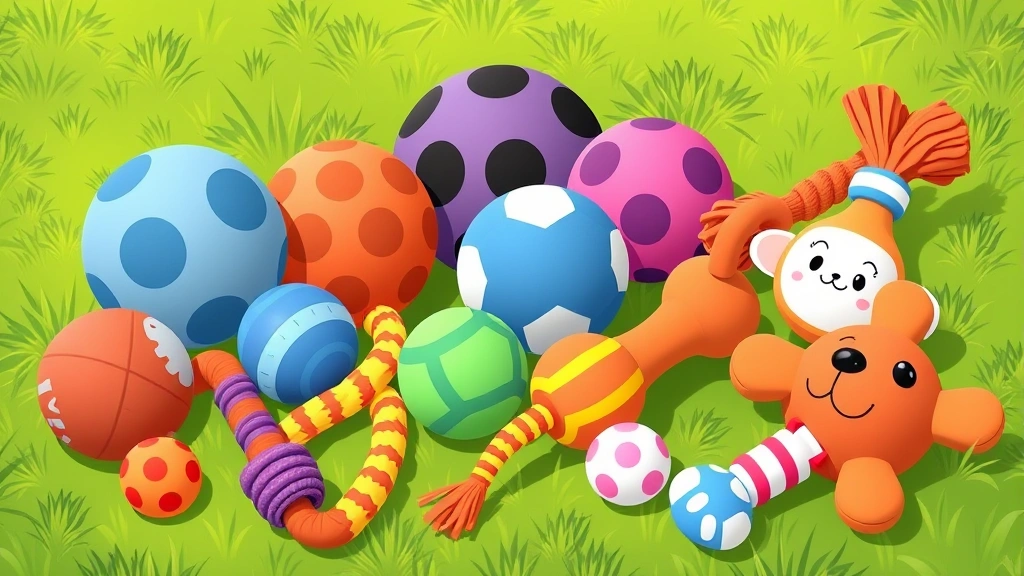
This is where real talk matters. Toy safety isn’t boring—it’s literally life or death.
The biggest risk with breed dog toys is pieces breaking off and getting stuck in the throat or intestines. Blockages are expensive (we’re talking $2,000-5,000 surgery) and dangerous.
- Avoid toys with: Plastic eyes, noses, or decorations that can be chewed off. Squeakers that come loose. Stuffing that isn’t securely contained. Anything with small parts.
- Check regularly: Even durable breed dog toys wear down. If you see cracks, tears, or pieces coming loose, throw it out. It’s not worth the vet bill.
- Size matters: A toy should be too large to fit entirely in your dog’s mouth. For small dogs, this is easier. For large dogs, you need genuinely large toys.
- Supervision: New toys, especially for aggressive chewers, should be introduced under supervision. Watch how your dog interacts with it before leaving them alone.
According to the American Kennel Club’s guide on toys and play, choosing appropriately sized and durable breed dog toys is one of the most important safety decisions you’ll make.
If you’re considering breed dog toys that involve natural materials, check out whether antlers are safe for dogs. Natural doesn’t always mean safe.
Budget-Friendly Breed Dog Toys That Work
Quality breed dog toys don’t have to break the bank. You just need to be smart about it.
The Math Behind Toy Cost
A $30 Kong Extreme lasts 6-12 months for a heavy chewer. That’s roughly $2.50-5 per month. A $5 plush toy that lasts a week? That’s $20+ per month. The expensive toy is actually cheaper.
Budget Strategies
- Buy during sales: Prime Day, Black Friday, and back-to-school sales often have pet supplies at 20-40% off. Stock up on breed dog toys you know work.
- Buy bulk: Multi-packs of toys are usually cheaper per unit than singles.
- Rotate toys: Novelty is free. Put toys away for two weeks, then bring them back. Your dog thinks they’re new.
- DIY breed dog toys: Frozen carrots, ice cubes in a Kong, or old towels tied in knots work great and cost almost nothing.
- Check secondhand: Facebook Marketplace and Craigslist sometimes have gently used breed dog toys. Just make sure they’re clean and undamaged.
Pro Tip: Ask your vet which breed dog toys they recommend. Many vets have favorites based on what they see working in practice, and they might have samples or recommendations for budget-friendly options.
Puzzle and Interactive Toys for Smart Breeds
If your dog is smart (and most purebred dogs are), breed dog toys that make them think are non-negotiable.
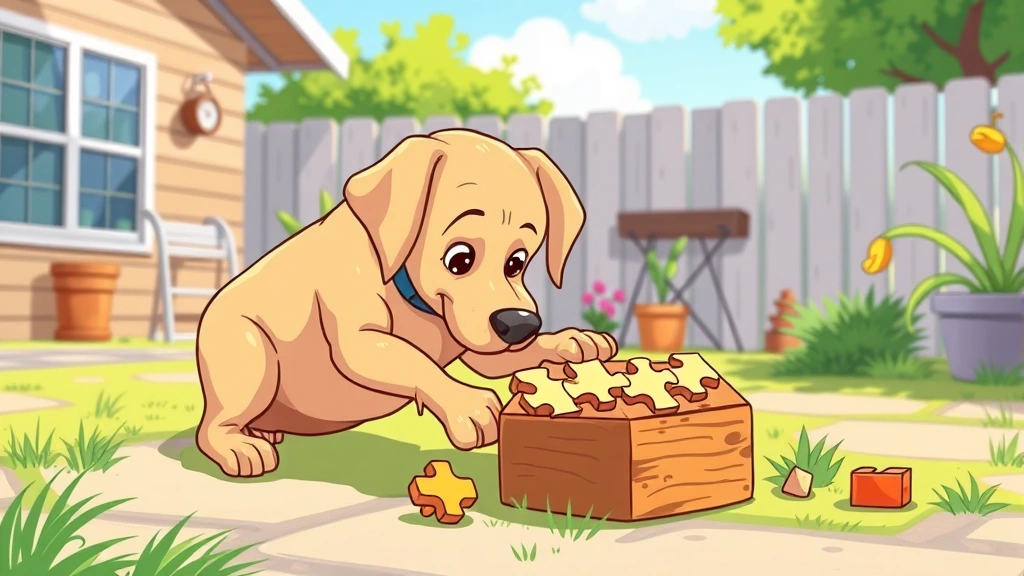
Puzzle toys force your dog to work for treats or toys. They engage the problem-solving part of the brain, which tires dogs out way faster than physical activity alone. A 30-minute puzzle session can exhaust a Border Collie more than an hour of fetch.
Types of Puzzle Breed Dog Toys
- Hide-and-seek toys: Snuffle mats and puzzle mats where you hide treats in fabric folds. Dogs use their nose to find them.
- Sliding puzzles: Outward Hound makes several where dogs slide covers to reveal treat compartments.
- Treat-dispensing balls: Kong Wobbler, Snuffle balls, and similar toys release treats as your dog plays.
- Layered toys: Toys with multiple compartments or layers that require different strategies to access treats.
- DIY puzzles: Muffin tins with tennis balls covering the cups, toilet paper tubes stuffed with treats and folded closed, or towels rolled with treats inside.
Start with easier puzzles and gradually increase difficulty. A dog that figures out a puzzle too easily gets bored again. The goal is to keep them just slightly challenged.
Keeping Toys Clean and Rotating Stock
Breed dog toys collect bacteria, saliva, and dirt. Gross, but true. Cleaning them regularly keeps your dog healthier and extends toy life.
Cleaning Different Toy Types
- Rubber toys: Wash in hot soapy water or run through the dishwasher (top rack). Kong makes a toy washer for this.
- Plush toys: Check the label. Many are machine-washable in cold water, gentle cycle. Air dry.
- Rope toys: Wash in hot water and air dry completely. Damp rope toys can grow mold.
- Puzzle toys: Hand wash the parts you can access. Don’t submerge electronic toys.
Rotation Strategy
Keep 4-6 breed dog toys in active rotation. Every week or two, put one away and bring a different one out. This maintains novelty without overwhelming your dog with options.
Some dogs do better with fewer choices. If your dog gets anxious with lots of toys visible, keep just 2-3 out and rotate the rest.
Also, consider whether your dog needs different breed dog toys for different situations. A toy for solo play might be different from a toy for interactive play with you. A toy for crate time might be different from a toy for outdoor play.
Frequently Asked Questions
How do I know if a breed dog toy is safe?
– Look for toys without loose parts, small pieces, or decorations that can be chewed off. Choose size-appropriate breed dog toys (too large to fit entirely in your dog’s mouth). Check the label for age and size recommendations. Supervise new toys during the first few sessions. Inspect regularly for damage and replace worn toys immediately. When in doubt, ask your vet.
What’s the difference between breed dog toys and regular dog toys?
– Breed dog toys are designed with specific breed characteristics in mind. A toy for a Terrier accounts for high prey drive and strong jaws. A toy for a Border Collie engages their intelligence. Regular dog toys are often one-size-fits-all and may not match your specific dog’s needs, play style, or durability requirements.
How often should I replace breed dog toys?
– Replace toys when you see visible damage like cracks, tears, or pieces coming loose. This timeline varies wildly—some dogs destroy toys in days, others keep them for years. Inspect toys weekly and replace as needed rather than on a set schedule. A damaged toy is a choking hazard, so don’t wait.
Are expensive breed dog toys always better?
– Not necessarily. Expensive toys from reputable brands are usually better quality and more durable, but price isn’t everything. A $30 Kong might last longer than a $50 designer toy if the designer toy has weak seams or small parts. Focus on material quality, durability, and appropriateness for your dog’s play style rather than price alone.
Can I give my dog human toys or household items as breed dog toys?
– Some household items work fine (frozen carrots, old towels tied in knots, ice cubes). Avoid anything with small parts, plastic decorations, or materials that splinter. Never give your dog toys designed for human children—they often have unsafe materials or small parts. When in doubt, stick with toys made for dogs.
What should I do if my dog swallows part of a breed dog toy?
– Contact your vet immediately. Small pieces might pass naturally, but some can cause blockages. Your vet might want to monitor your dog or do imaging. Don’t wait to see if it passes on its own—blockages are serious and expensive to treat surgically. It’s better to be cautious.
How do I choose breed dog toys for a dog with food allergies?
– Stick with non-food-based breed dog toys (rubber, rope, plush). If you use treat-dispensing toys, use treats your dog can safely eat. Check toy materials for allergens—some toys contain wheat, corn, or other common allergens in their manufacturing. Always read ingredient lists and material compositions carefully.
Are breed dog toys good for anxiety?
– Yes, the right breed dog toys can help. Interactive and puzzle toys engage the brain and reduce stress. Toys to carry or cuddle (like plush toys) can be comforting. However, toys alone won’t fix serious anxiety. If your dog has severe anxiety, talk to your vet about a comprehensive treatment plan that might include training, behavior modification, and possibly medication.
External Resources: For more information on dog play and toy selection, check the PetMD guide to dog toys and the ASPCA’s toy safety recommendations. You can also reference The Humane Society’s guide to choosing toys.





