

When it comes to keeping your furry friend healthy and happy, understanding breed specific feeding needs is absolutely crucial. Not all dogs are created equal, and what works perfectly for your neighbor’s Chihuahua might make your Great Dane sick as a dog (pun intended). Different breeds have vastly different nutritional requirements based on their size, metabolism, activity level, and genetic predispositions. Let’s dive deep into why your pup’s breed matters more than you might think when it comes to mealtime.
Table of Contents
- Why Breed Matters More Than You Think
- Large Breed Dogs and Their Special Requirements
- Small Breed Nutrition: Tiny Dogs, Big Appetites
- Working and Sporting Breeds Need Extra Fuel
- Brachycephalic Breeds: Breathing Room and Digestive Support
- Toy Breeds: Tiny Powerhouses with Big Nutritional Needs
- Senior Dogs: Adjusting Nutrition for the Golden Years
- Breed-Specific Health Concerns and Nutrition
- Reading Labels: Understanding Breed-Specific Formulas
- Transitioning Between Foods and Breed-Specific Diets
- Frequently Asked Questions
- Conclusion: Tailoring Nutrition to Your Dog’s Unique Breed
Why Breed Matters More Than You Think
Your dog’s breed isn’t just about appearance and personality—it fundamentally shapes their nutritional needs. A 6-pound Toy Poodle has completely different caloric requirements than a 150-pound Saint Bernard. But it goes beyond just size. Different breeds were developed for specific purposes: hunting, herding, guarding, or companionship. These original purposes created distinct metabolic patterns and nutritional demands that persist today, even in our couch-potato pups.
Giant breeds like Great Danes and German Shepherds grow at alarming rates during puppyhood, requiring carefully balanced calcium and phosphorus to prevent orthopedic issues. Small breeds like Chihuahuas and Maltese dogs have faster metabolisms and higher caloric needs per pound of body weight. Understanding these differences helps you avoid costly vet bills down the road.
Large Breed Dogs and Their Special Requirements
Large and giant breed dogs require a completely different nutritional approach than their smaller counterparts. These massive pups need food specifically formulated to support controlled growth and joint health. Overfeeding a large breed puppy is one of the quickest ways to cause permanent joint damage and orthopedic problems.
Large breed formulas should contain restricted calcium (around 0.8-1.2% on a dry matter basis) and phosphorus levels to prevent developmental orthopedic disease. The protein-to-fat ratio also matters significantly. These breeds benefit from moderate protein levels (around 22-24% for puppies) rather than the super-high protein diets that work for smaller breeds.
Hip dysplasia, elbow dysplasia, and other joint issues plague large breeds, which is why many owners turn to hip and joint supplements as preventative care. Coupling proper nutrition with appropriate preventative care supplements can make a real difference in your dog’s long-term mobility and comfort.
Small Breed Nutrition: Tiny Dogs, Big Appetites
Don’t let their size fool you—small breed dogs have surprisingly high metabolic rates and caloric requirements relative to their body weight. A Chihuahua might weigh 5 pounds but needs significantly more calories per pound than a 100-pound Labrador. This is why small breed formulas pack more calories into smaller portions.
Small breeds also face unique dental challenges. Their teeth are crowded into tiny mouths, making them prone to plaque buildup and dental disease. Many quality small breed formulas include kibble size and texture designed to support dental health. Additionally, small breeds are more prone to hypoglycemia, so they need consistent feeding schedules and shouldn’t go long periods without eating.
The risk of obesity is also higher in small breeds since owners tend to overfeed them with treats. Those “tiny” treats add up quickly when you’re dealing with a 5-pound dog. A single dog treat might represent 10% of a small breed’s daily caloric intake, whereas the same treat is negligible for a 70-pound dog.
Working and Sporting Breeds Need Extra Fuel
If you’ve got a Border Collie, Australian Shepherd, Labrador Retriever, or any other working or sporting breed, you’re dealing with a completely different nutritional beast. These dogs were bred for high activity levels and often have metabolisms that match their work ethic. They need higher protein and fat content to sustain energy levels and maintain muscle mass.
Working breed formulas typically contain 25-30% protein and 15-20% fat, compared to standard adult formulas with 18-22% protein and 8-15% fat. The extra calories and nutrients support muscle recovery, sustained energy, and mental acuity. If you’re training your sporting dog for competitions or field work, you might need to adjust portions seasonally—more food during heavy training periods, slightly less during off-season.
These breeds also benefit from veterinarian recommended supplements that support joint health and recovery, especially as they age. Consult your vet about appropriate pet supplement dosage guidance for your specific working dog.
Brachycephalic Breeds: Breathing Room and Digestive Support
Bulldogs, Pugs, French Bulldogs, and other brachycephalic (flat-faced) breeds have unique feeding challenges beyond just their adorable smooshed faces. These breeds often struggle with digestion due to their compressed airways and shortened digestive tracts. They’re prone to bloating, gas, and food sensitivities that can make mealtime uncomfortable.
Brachycephalic breeds benefit from smaller, more frequent meals rather than one or two large meals daily. The food should be easy to digest and formulated to reduce gas production. Many owners find that slightly elevated food bowls help reduce the amount of air their brachycephalic pup ingests while eating.

These breeds are also prone to obesity, which exacerbates their breathing difficulties. Maintaining a lean body condition is genuinely important for their quality of life and longevity. If your brachycephalic buddy struggles with weight, discuss feeding strategies and appropriate over the counter pet supplements with your veterinarian.
Toy Breeds: Tiny Powerhouses with Big Nutritional Needs
Toy breeds like Yorkshire Terriers, Maltese dogs, and Pomeranians are basically furry little metabolic furnaces. Despite their minuscule size, they need nutrient-dense food packed with quality ingredients. Their small stomachs mean they can’t process large volumes of food, so every bite needs to count nutritionally.
Toy breed formulas should feature high-quality protein sources and appropriate fat levels to support their quick metabolisms. Hypoglycemia is a genuine concern in toy breeds, especially puppies, so consistent feeding schedules are essential. These little guys shouldn’t go more than 4-6 hours without food during the day.
Dental health is another critical concern for toy breeds. Their teeth are even more crowded than other small breeds, making them susceptible to early tooth loss. Look for formulas that support dental health, and consider dental chews as part of their daily routine.
Senior Dogs: Adjusting Nutrition for the Golden Years
As your dog ages, their nutritional needs shift dramatically. Senior dogs typically need fewer calories due to decreased activity levels and slower metabolism, but they require higher protein to maintain muscle mass. This seems contradictory, but it’s actually the key to keeping senior dogs healthy and mobile.
Senior formulas often include joint support ingredients, antioxidants for cognitive function, and easier-to-digest proteins. If your aging pup has dental issues, softer kibble or wet food becomes necessary. Many senior dogs also develop sensitivities to ingredients they tolerated fine when younger, so you might need to experiment with different formulas.
This is an excellent time to discuss pet supplement interactions with your vet, especially if your senior dog is on medications. Some supplements can interact negatively with common senior dog medications, so professional guidance is crucial.
Breed-Specific Health Concerns and Nutrition
Certain breeds are genetically predisposed to specific health issues that can be managed through diet. German Shepherds and other deep-chested breeds are prone to bloat (gastric dilatation-volvulus), which can be partially managed by feeding smaller, more frequent meals and avoiding rapid eating. Dalmatians have unique uric acid metabolism requiring special diets to prevent kidney stones. Dachshunds are prone to obesity and back problems, necessitating careful portion control.
Golden Retrievers and Labrador Retrievers are notorious for weight gain and have higher cancer rates, making lean body condition and antioxidant-rich diets particularly important. Cavalier King Charles Spaniels often develop heart conditions that benefit from specific nutritional support. Understanding your breed’s predispositions helps you make proactive dietary choices that can literally add years to your dog’s life.
Reading Labels: Understanding Breed-Specific Formulas
Not all dog foods labeled “large breed” or “small breed” are created equal. You need to understand what you’re actually reading on that label. The guaranteed analysis shows minimum protein and fat percentages and maximum fiber and ash percentages. For breed-specific feeding, these percentages matter tremendously.
Look for named meat sources (like “chicken” or “beef”) rather than vague terms like “meat meal” or “animal by-products.” The ingredient list tells you the quality of the food. Whole proteins should appear before grains, and you should recognize most ingredients as actual food, not chemical compounds.
Don’t get fooled by marketing terms like “premium” or “gourmet”—these aren’t regulated terms. Instead, look for AAFCO certification, which indicates the food meets minimum nutritional standards. For breed-specific feeding needs, consulting with your veterinarian or a veterinary nutritionist helps ensure you’re choosing appropriate formulas.
Transitioning Between Foods and Breed-Specific Diets
When switching your dog to a breed-specific formula, you can’t just dump the new food in their bowl and hope for the best. Abrupt diet changes cause digestive upset, vomiting, and diarrhea. Instead, transition gradually over 7-10 days, slowly increasing the proportion of new food while decreasing the old food.
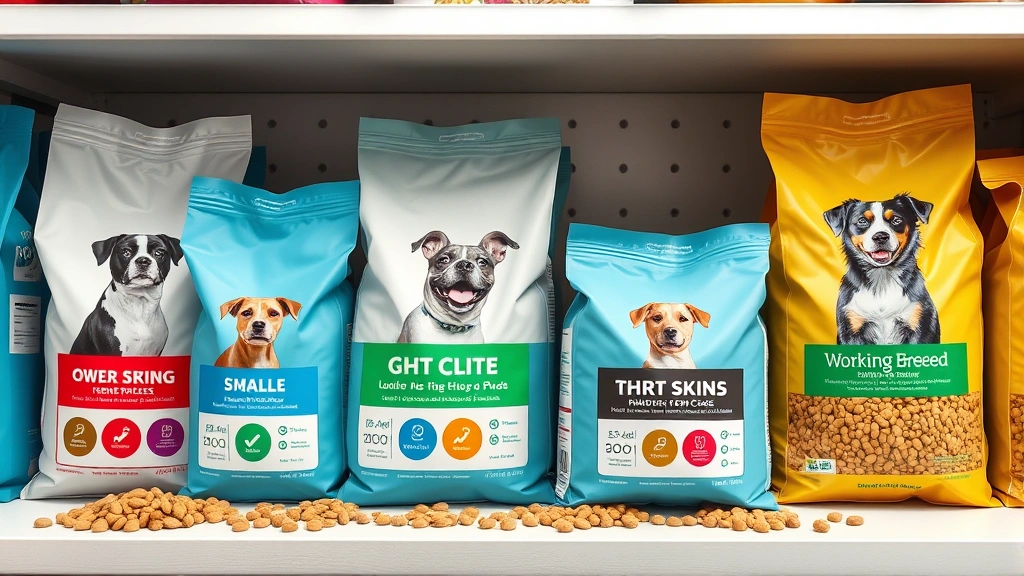
Monitor your dog’s response carefully during transitions. You’re looking for consistent stool quality, good energy levels, and a shiny coat. If your dog struggles with the new food, give their digestive system more time to adjust, or consider a different formula. Some dogs have sensitivities that require specific ingredient profiles.
Keep track of portion sizes during transitions. Breed-specific formulas often have different caloric densities, so you might need to adjust serving sizes even when switching between brands of the same formula type.
Frequently Asked Questions
Can I feed my large breed dog regular adult dog food?
Technically yes, but it’s not ideal. Regular adult formulas often contain too much calcium and phosphorus for large breed puppies, potentially causing developmental orthopedic disease. For adult large breed dogs, regular food might work, but large breed formulas are specifically balanced for their unique needs.
How much should I feed my breed-specific dog?
Feeding amounts vary based on the specific formula, your dog’s age, activity level, and metabolism. Always follow the feeding guidelines on your dog’s food bag, then adjust based on your dog’s body condition. You should be able to feel their ribs without pressing hard, but not see them prominently.
Are breed-specific formulas necessary or just marketing?
They’re genuinely necessary, especially for large/giant breeds and toy breeds. These breeds have significantly different nutritional requirements that standard formulas don’t address. For medium-sized mixed breeds, standard formulas might work fine, but breed-specific options provide optimal nutrition.
Can I mix different breed-specific formulas?
You can, but it defeats the purpose of breed-specific feeding. Mixing formulas makes it difficult to ensure your dog receives the specific nutrient ratios they need. If you’re switching brands, do a proper transition rather than mixing.
What if my dog has a sensitive stomach and breed-specific formulas don’t work?
Work with your veterinarian to identify potential sensitivities. You might need limited ingredient diets, novel protein sources, or prescription diets. Some breed-specific formulas are available in limited ingredient versions designed for sensitive dogs.
How often should I reassess my dog’s diet?
Reassess annually, or whenever your dog’s life circumstances change (age, activity level, health status). Puppies need different nutrition than adults, adults need different nutrition than seniors. Regular vet checkups help ensure your feeding strategy remains appropriate.
Conclusion: Tailoring Nutrition to Your Dog’s Unique Breed
Understanding breed specific feeding needs isn’t just about following recommendations—it’s about genuinely caring for your dog’s long-term health and quality of life. From the massive Great Dane requiring controlled growth nutrition to the tiny Chihuahua with a lightning-fast metabolism, every breed deserves food formulated specifically for their unique requirements.
Start by identifying your dog’s breed characteristics and any genetic predispositions to health issues. Choose a high-quality formula specifically designed for your dog’s size category and life stage. Monitor your dog’s response closely, adjusting as needed based on body condition, energy levels, and overall health. When in doubt, consult with your veterinarian or a veterinary nutritionist—they can provide personalized recommendations that your generic dog food bag never could.
Your dog’s nutrition is one of the most impactful factors you can control for their health. By respecting breed-specific feeding needs and making informed dietary choices, you’re investing in years of happy, healthy companionship with your beloved pup.





