

If you’ve got a bully breed—whether it’s an American Bully, Pit Bull, English Bulldog, or French Bulldog—you know these dogs need serious nutrition to stay healthy and strong. Bully Max dog food is specifically formulated for these muscular pups, and it’s one of the most talked-about options in the bully community. But is it actually worth the investment? I’ve seen a lot of owners struggle with finding the right food for their bulky buddies, and I want to give you the real talk on whether Bully Max dog food lives up to the hype.
What Is Bully Max Dog Food?
Bully Max is a high-protein dog food brand specifically designed for bully and muscular breeds. The company markets itself as the solution for owners who want their dogs to build lean muscle, maintain energy, and develop that impressive physique these breeds are known for. Unlike generic dog foods, Bully Max dog food focuses on premium protein sources and caloric density—meaning more calories per cup to support active, muscular dogs.
The brand comes in both kibble and wet food options, with the kibble being the most popular choice among bully owners. What sets Bully Max dog food apart is that it’s not just another “premium” label slapped on a bag. The formulation actually addresses the specific needs of breeds like American Bullies, which have higher muscle mass and require more calories than your average dog.
Here’s the thing: these breeds don’t need a diet meant for a Golden Retriever or a Beagle. They need something tailored to their genetics and body composition. That’s where Bully Max dog food comes in—it’s built from the ground up for bully-type dogs.
Ingredients Breakdown: What’s Actually Inside
Let’s get into the nitty-gritty. The first ingredient in most Bully Max dog food formulas is meat-based protein—usually beef, chicken, or fish. This is important because dogs need amino acids, and whole meat sources provide complete amino acid profiles that plant-based proteins can’t match alone.
A typical Bully Max dog food ingredient list includes:
- Beef or Chicken Meal – Concentrated protein source, more protein-dense than whole meat
- Whole Grains – Provides carbs for energy and fiber for digestion
- Fish Oil – Omega-3 fatty acids for coat health and joint support
- Probiotics – Supports digestive health, which is crucial for nutrient absorption
- Vitamins and Minerals – Calcium, phosphorus, and other essentials for bone and muscle development
The quality of Bully Max dog food ingredients is above average. You won’t find a bunch of fillers or by-products that don’t contribute to your dog’s nutrition. That said, some formulas do include grains (corn, wheat, soy), which can be problematic for dogs with sensitivities. If your bully has a grain allergy, you’ll want to check the specific formula before buying.
One thing I appreciate about Bully Max dog food is the transparency. The company lists what goes into each batch, and you can actually contact them if you have questions about sourcing. That level of accountability matters when you’re spending premium prices.
Nutritional Profile for Muscle Development
Here’s where Bully Max dog food really shines. The protein content typically ranges from 30-40%, which is significantly higher than standard dog foods (which usually sit at 18-25%). For a bully breed, this is exactly what you need.
The fat content is also elevated—usually between 18-22%—which provides the calories these muscular dogs burn through during play, training, and just existing with a larger body mass. According to the Association of American Feed Control Officials (AAFCO), adult dogs need a minimum of 18% protein and 5% fat, but bully breeds genuinely benefit from higher levels.
Bully Max dog food also includes essential fatty acids, which support:
- Coat shine and skin health
- Joint flexibility and mobility
- Brain function and cognitive health
- Immune system strength
The caloric density of Bully Max dog food is around 400-420 calories per cup, which is higher than many mainstream brands. This means you’re feeding less volume but getting more nutrition per serving. For owners of large, active bullies, this can actually save money despite the higher per-pound cost.
Pros and Cons of Bully Max Dog Food
The Good Stuff:
- Designed specifically for bully breeds – Not a one-size-fits-all formula; it’s built for muscular dogs
- High protein content – Supports lean muscle maintenance and development
- Quality ingredients – Meat-based proteins, healthy fats, and added probiotics
- Good digestibility – Most owners report fewer digestive issues compared to lower-quality foods
- Visible results – Many owners see improvements in coat quality, energy levels, and muscle definition within weeks
- Customer support – The company is responsive and actually cares about customer feedback
The Challenges:
- Price tag – Bully Max dog food is expensive. Expect to pay $60-80+ per bag depending on size and formula
- Not ideal for all bullies – If your dog has a sensitive stomach or grain allergies, some formulas might not work
- Availability – You can’t find it at every pet store; mostly online or specialty retailers
- Caloric density requires portion control – Owners sometimes overfeed because they’re used to feeding larger volumes, leading to weight gain
- Transition period can be rough – Some dogs experience digestive upset when switching to Bully Max dog food, even though it’s high-quality
Real talk: if your bully is already healthy and thriving on a mid-range food, you might not see dramatic changes. But if you’ve got a picky eater, a dog with a dull coat, or a bully that seems to lack energy, Bully Max dog food can be transformative.
Feeding Guidelines and Portions
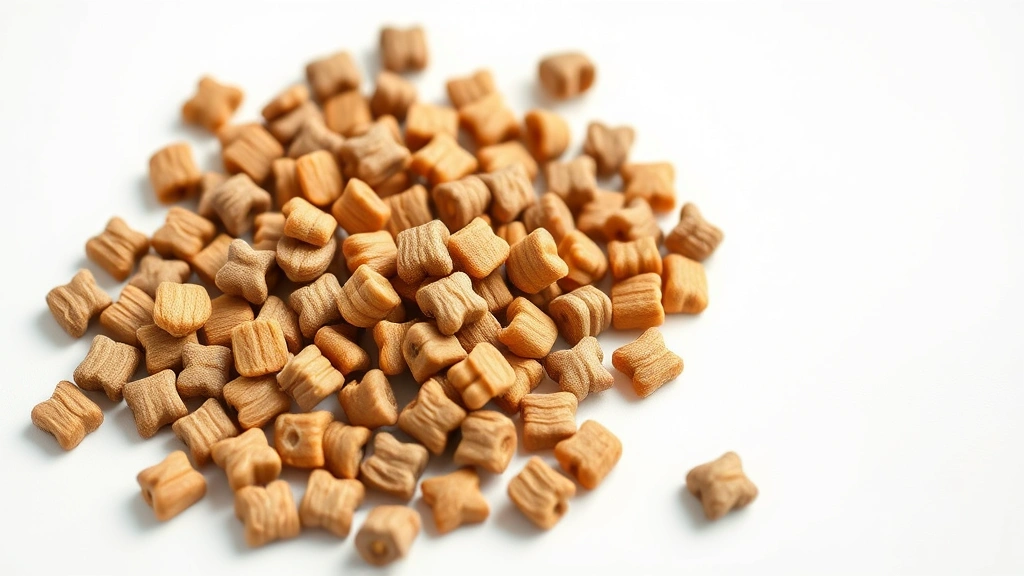
This is where a lot of owners mess up. Because Bully Max dog food is calorie-dense, you need to feed less than you would with a standard dog food. The general guideline is:
- Puppies – 3-4 cups per day, divided into multiple meals
- Adult dogs (50-80 lbs) – 2-3 cups per day
- Large adults (80+ lbs) – 3-4 cups per day
- Senior dogs – 2-2.5 cups per day
But here’s the catch: these are starting points. Every dog is different. An active bully that trains regularly might need more; a couch potato might need less. The best approach is to feed the recommended amount for a week, then assess your dog’s body condition.
You should be able to feel your dog’s ribs without pressing hard, but not see them prominently. That’s the sweet spot. If your bully is getting chunky, dial back the portions. If you can see ribs clearly, increase slightly.
Pro Tip: Split meals into two portions (morning and evening) rather than one big meal. This aids digestion and keeps energy levels stable throughout the day, especially for younger, more active bullies.
Also, don’t forget that treats count toward daily calories. If you’re giving your bully training treats, chew toys, or snacks, reduce the kibble amount accordingly. A common mistake is feeding full portions of Bully Max dog food plus treating like they’re on a cheaper food—that’s how dogs get overweight fast.
Cost Analysis: Is It Worth It?
Let’s be honest: Bully Max dog food is pricey. A 30-pound bag typically costs $65-80, which works out to about $2-2.50 per pound. Compare that to mainstream brands at $0.80-1.20 per pound, and you’re looking at roughly double the cost.
But here’s where the math gets interesting. Because Bully Max dog food is more calorie-dense and nutrient-concentrated, you’re feeding less volume. A 30-pound bag might last 3-4 weeks for a medium-sized bully, whereas a cheaper food might last only 2-3 weeks because you’re feeding more cups per day.
Over a year, you’re probably looking at:
- Budget food: $800-1,000 annually
- Bully Max dog food: $1,200-1,500 annually
The difference is real, but it’s not astronomical. And here’s what you’re actually paying for:
- Better digestion = fewer vet visits for GI issues
- Higher quality ingredients = better absorption and less waste (literally less poop)
- Targeted nutrition = healthier skin, coat, joints, and muscles
- Customer support = actual humans who care
If your bully is currently on a low-quality food and you’re dealing with itchy skin, dull coat, or digestive problems, switching to Bully Max dog food could save you money in vet bills. But if your dog is already thriving, the premium might not be justified.
How It Compares to Other Bully Foods
Bully Max dog food isn’t the only option out there. Let’s see how it stacks up.
Bully Max vs. Merrick: Merrick dog food is also high-quality and grain-inclusive, with good protein levels (26-38% depending on formula). Merrick is slightly cheaper and easier to find, but Bully Max is more specifically tailored for bully breeds. For a general high-quality option, Merrick works; for bully-specific nutrition, Bully Max edges ahead.
According to the AAFCO guidelines, both meet nutritional standards, but Bully Max has higher caloric density.
Bully Max vs. Standard Premium Brands: Most premium brands aren’t designed with bully breeds in mind. They’re formulated for “all life stages” or “active dogs,” which is too broad. Bully Max dog food is laser-focused, which matters when you’re trying to optimize muscle development and coat quality.
Bully Max vs. Budget Brands: There’s no comparison. Budget brands use cheaper protein sources, more fillers, and fewer quality ingredients. You might save money upfront, but you’ll likely deal with digestive issues, dull coats, and more frequent vet visits. Most owners who switch from budget food to Bully Max dog food see noticeable improvements within 4-6 weeks.
If you want to compare other diet options, Pedigree is a budget option that most vets don’t recommend for bullies. It’s cheaper, but the ingredient quality and nutritional profile don’t support the needs of muscular breeds.
How to Transition Your Dog to Bully Max
Switching dog foods abruptly is a recipe for digestive upset. Even though Bully Max dog food is high-quality, your dog’s gut bacteria are adapted to their current food. You need to transition gradually over 7-10 days.
The Transition Schedule:
- Days 1-2: 75% old food, 25% Bully Max dog food
- Days 3-4: 50% old food, 50% Bully Max dog food
- Days 5-6: 25% old food, 75% Bully Max dog food
- Days 7+: 100% Bully Max dog food
If your dog has a sensitive stomach, extend this to 10-14 days. Some dogs are fine with faster transitions; others need to go slower. Watch for loose stools or vomiting. If you see either, slow down the transition.
During the transition, you might notice:
- Softer stools (usually temporary)
- Increased or decreased appetite (normal as they adjust)
- More energy (this is the good stuff kicking in)
- Improved coat shine (usually visible within 2-3 weeks)
Safety Warning: Never switch food cold turkey. Your dog’s digestive system needs time to adjust to new bacteria and nutrient profiles. Sudden switches can cause diarrhea, vomiting, and nutrient malabsorption.
Also, if your bully is on medication or has health conditions, check with your vet before switching. Some medications interact with specific nutrients, and your vet should know what you’re feeding.
Frequently Asked Questions
Is Bully Max dog food good for puppies?
– Yes, Bully Max makes a specific puppy formula. It’s formulated with the right calcium-to-phosphorus ratio for growing bones and includes DHA for brain development. However, don’t use the adult formula for puppies—the calcium levels are different, and overfeeding calcium can cause skeletal problems in large-breed pups. Stick with the puppy-specific formula until they’re 12-18 months old, depending on breed.
Can I mix Bully Max with other foods?
– You can, but it defeats the purpose. Bully Max dog food is formulated as a complete diet. Mixing it with other foods, especially lower-quality ones, dilutes the nutritional benefits. If you want to add variety, consider rotating between different Bully Max formulas rather than mixing with other brands. You could also add small amounts of supplements like dog-safe yogurt for probiotics, but keep it to 5-10% of daily calories.
Does Bully Max dog food cause weight gain?
– Not if you feed the right portions. Because it’s calorie-dense, overfeeding is easy. Stick to the recommended portions and adjust based on your dog’s body condition. Some owners see their bullies gain weight because they’re feeding full portions of Bully Max plus treats like they’re on a lower-calorie food. The food itself is nutrient-dense, not fattening—user error is usually the culprit.
Is Bully Max better than raw diets?
– That’s a personal choice, but Bully Max dog food is more convenient and carries less food safety risk. Raw diets require careful handling to avoid bacterial contamination and need proper nutrient balancing. Bully Max dog food is AAFCO-certified, meaning it meets established nutritional standards. If you’re interested in raw feeding, talk to a veterinary nutritionist first—don’t just guess on proportions.
How long does it take to see results?
– Most owners notice improvements in coat quality and energy levels within 2-4 weeks. Muscle development and body composition changes take 6-8 weeks of consistent feeding plus appropriate exercise. If your bully is training regularly, you might see faster results. If they’re sedentary, diet alone won’t build muscle—exercise is essential.
Can senior bullies eat Bully Max?
– Yes, but you might want to adjust portions. Senior dogs typically need fewer calories because they’re less active. Some older bullies benefit from the joint support (omega-3s and glucosamine) that Bully Max includes. However, if your senior dog has kidney issues or other health problems, check with your vet first. Some health conditions require prescription diets.
Where can I buy Bully Max dog food?
– Primarily online through the official Bully Max website, Amazon, and specialty pet retailers. You won’t find it at most big-box pet stores like PetSmart or Petco. Online ordering is usually the most convenient, though shipping can add to the cost. Some local specialty pet shops carry it, so call ahead before assuming you need to order online.
What’s the shelf life of Bully Max dog food?
– An unopened bag stays fresh for about 12-18 months from the manufacturing date. Once opened, use it within 4-6 weeks. Store in a cool, dry place—not in direct sunlight or damp areas. Some owners transfer kibble to airtight containers, which helps maintain freshness and prevents pest access.

Does Bully Max have grain-free options?
– Most Bully Max formulas include grains, but they do offer limited grain-inclusive options. If your bully has a grain allergy, check the specific formula before buying. Grain-free diets have been linked to heart health concerns in some dogs, so unless there’s a specific allergy, grain-inclusive formulas are generally safer. Talk to your vet if you’re concerned about grain sensitivity.
Is Bully Max good for dogs with sensitive stomachs?
– It can be. The high digestibility and probiotic content help most dogs, but some sensitive-stomach pups might still have trouble. The transition period is crucial—go slow, and monitor closely. If your bully has a diagnosed food allergy (like to chicken or beef), make sure the Bully Max formula you choose avoids that protein. When in doubt, ask your vet before switching.





