

Understanding caloric needs for dogs is one of the most important responsibilities you’ll have as a pet parent—right up there with remembering their birthday and pretending you didn’t see them steal food off the counter. Just like humans, dogs require a specific amount of daily calories to maintain optimal health, energy levels, and that adorable wagging tail we all love. But here’s the thing: figuring out exactly how many calories your furry friend needs isn’t as simple as reading a bag of kibble and calling it a day.
Table of Contents
- Why Caloric Needs for Dogs Matter More Than You Think
- Calculating Daily Caloric Requirements: The Science Behind It
- Factors That Influence Your Dog’s Caloric Needs
- Puppy Caloric Needs: Feeding Your Growing Furball
- Adult Dog Caloric Needs: The Maintenance Sweet Spot
- Senior Dogs and Their Changing Caloric Requirements
- Activity Level: The Game-Changer in Caloric Calculations
- Weight Management and Caloric Adjustment
- Different Feeding Approaches and Their Caloric Implications
- Health Conditions That Alter Caloric Needs
- Signs Your Dog Isn’t Getting Enough Calories
- Signs Your Dog Is Getting Too Many Calories
- Frequently Asked Questions
- Conclusion: Getting Your Dog’s Calories Just Right
Whether you’re raising a tiny Chihuahua who weighs less than your morning coffee or a Great Dane that could double as a small horse, caloric requirements vary dramatically. Getting this balance right means the difference between a healthy, energetic pup and one dealing with weight issues, lethargy, or nutritional deficiencies. So let’s dig into this essential guide and make sure your dog is getting exactly what they need to thrive.
Why Caloric Needs for Dogs Matter More Than You Think
Your dog’s caloric intake directly impacts their lifespan, quality of life, and overall well-being. Overfeeding leads to obesity, which opens the door to diabetes, joint problems, and heart disease. Underfeeding? That’s a one-way ticket to malnutrition and a sad, lethargic pup who’d rather nap than play fetch. The sweet spot is finding that perfect caloric balance tailored specifically to your individual dog.

Think of calories as fuel. Your dog needs enough to power their daily activities, maintain healthy muscles and organs, and support their immune system. But they don’t need extra fuel just sitting in their tank, turning into fat reserves.
Calculating Daily Caloric Requirements: The Science Behind It
The most accurate way to determine daily caloric needs for dogs involves the Resting Energy Expenditure (REE) formula, multiplied by an activity factor. The basic REE calculation is: 70 × (body weight in kg)^0.75. Then multiply that number by your dog’s activity level factor (typically 1.2 to 1.8, depending on how active they are).

Sounds complicated? It is. That’s why many vets use simplified charts instead. As a general rule of thumb, most adult dogs need between 25-30 calories per pound of body weight daily. A 50-pound dog, for example, would need approximately 1,250-1,500 calories per day. But this is just a starting point—individual dogs vary significantly.
Factors That Influence Your Dog’s Caloric Needs
Several variables affect how many calories your dog actually requires. Age is huge: puppies need significantly more calories per pound than adult dogs because they’re building muscle and bone. Senior dogs often need fewer calories as their metabolism slows down. Activity level matters tremendously—a working Border Collie burns way more calories than a couch-potato Bulldog.

Metabolism varies between individual dogs, just like it does in humans. Some dogs are naturally lean machines while others gain weight if you just look at them funny. Health status plays a role too. Dogs recovering from illness, pregnant females, or those with certain health conditions have different caloric needs. Climate even factors in—dogs in cold environments burn more calories staying warm.
Puppy Caloric Needs: Feeding Your Growing Furball
Puppies are basically tiny, furry calorie-burning furnaces. They need roughly twice the calories per pound of body weight compared to adult dogs because they’re growing rapidly. A growing puppy might need 40-50 calories per pound of body weight daily, depending on their breed and growth rate.
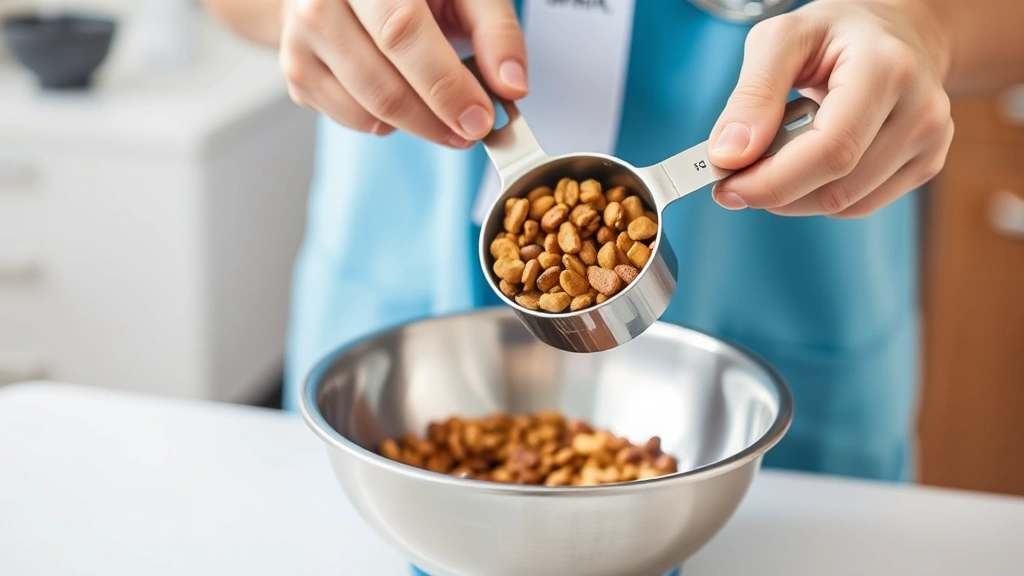
Large breed puppies are trickier—they grow so fast that overfeeding can actually cause developmental orthopedic problems. It’s better to slightly underfeed large breed puppies and let them grow at a steady, controlled pace. Check with your veterinarian about proper puppy nutrition, as this stage sets the foundation for lifelong health.
Adult Dog Caloric Needs: The Maintenance Sweet Spot
Adult dogs in their prime (roughly 1-7 years old, depending on breed) have more stable caloric needs. This is your window to nail the feeding routine. Most adult dogs thrive on 25-30 calories per pound of body weight daily, but activity level makes a huge difference.

A moderately active 60-pound dog might need 1,500-1,800 calories daily, while a highly active dog of the same weight could need 2,000+ calories. Weekend warriors who get intense exercise need more fuel than dogs who get casual walks. Monitor your dog’s body condition—you should be able to feel their ribs easily without seeing them prominently, and they should have a visible waist when viewed from above.
Senior Dogs and Their Changing Caloric Requirements
As dogs age, their metabolism naturally slows down. Senior dogs typically need 10-15% fewer calories than younger adults, though this varies. The tricky part is that while they need fewer calories, they often need more nutrients—particularly protein and certain supplements. Check out Premium Pet Supplements to support your aging companion’s nutritional needs.

Many senior dogs become less active, which further reduces caloric needs. But some seniors develop health conditions requiring special diets. Regular Pet Health Monitoring helps catch changes early and adjust feeding accordingly.
Activity Level: The Game-Changer in Caloric Calculations
Here’s where things get personal. A couch potato Pug needs far fewer calories than an agility-competition-winning Border Collie. Activity level multipliers typically range from 1.2 (sedentary) to 1.8+ (highly active working dogs).

Sedentary dogs: 1.2-1.4 multiplier. These pups get occasional walks and mostly lounge around. Moderately active dogs: 1.5-1.6 multiplier. They get regular walks and playtime. Highly active dogs: 1.7-1.8+ multiplier. These are your hiking buddies, agility competitors, and working dogs. If your dog falls into the highly active category, they might need significantly more calories than standard recommendations suggest.
Weight Management and Caloric Adjustment
If your dog is overweight, don’t just slash calories dramatically. A gradual reduction of 10% is typically safe and effective. Similarly, if your dog is underweight, increase calories slowly. Sudden changes can upset their digestive system and metabolism. Aim for steady, gradual weight changes of about 1-2% of body weight per week.

Track your dog’s weight monthly and adjust portions accordingly. Many owners overfeed treats without realizing treats should comprise no more than 10% of daily caloric intake. That means a 50-pound dog should get no more than 150 calories from treats daily, leaving 1,100-1,350 calories for their main meals.
Different Feeding Approaches and Their Caloric Implications
Commercial kibble, wet food, raw diets, and home-cooked meals all have different caloric densities. Premium kibbles are often more nutrient-dense, meaning smaller portions provide adequate calories. Budget brands might require larger portions to meet caloric needs. Wet food is less calorie-dense due to water content, so dogs eating primarily wet food need larger volumes.

Raw diets require careful calculation to ensure proper caloric and nutritional balance. Home-cooked diets need consultation with a veterinary nutritionist to ensure they’re complete and balanced. Whatever feeding approach you choose, the fundamental principle remains: match calories to your dog’s needs based on their individual characteristics.
Health Conditions That Alter Caloric Needs
Certain health conditions significantly impact caloric requirements. Hyperthyroidism increases caloric needs. Hypothyroidism decreases them. Diabetes, digestive disorders, and chronic kidney disease all require special dietary considerations. Dogs recovering from surgery or illness often need extra calories for healing.

Pregnant and nursing females need substantially more calories—sometimes 25-50% more during late pregnancy and nursing. If your dog has any health condition, work closely with your veterinarian to adjust caloric intake appropriately. Consider Veterinarian Recommended Supplements to support specific health needs alongside proper caloric intake.
Signs Your Dog Isn’t Getting Enough Calories
Underfeeding symptoms include excessive weight loss, visible ribs and hip bones, dull coat, lethargy, and reduced muscle mass. Some dogs become anxious or obsessed with food. Puppies might have stunted growth. If you notice these signs, increase portions gradually and monitor changes. Work with your vet to rule out underlying health issues causing poor nutrition absorption.
Signs Your Dog Is Getting Too Many Calories
Overfeeding symptoms are more obvious: weight gain, inability to feel ribs easily, sagging belly, difficulty moving or exercising, and excessive panting. Overweight dogs often have reduced lifespans and increased risk of serious health conditions. If your dog is gaining weight, reduce portions by 10-15% and increase exercise gradually. Monitor progress over 4-6 weeks before making additional adjustments.
Frequently Asked Questions
How many calories does my dog need per day?
Most adult dogs need 25-30 calories per pound of body weight daily, but this varies based on age, activity level, metabolism, and health status. A 50-pound moderately active adult dog typically needs 1,250-1,500 calories daily. Always consult your veterinarian for personalized recommendations based on your specific dog.

Should I count calories for dog treats?
Absolutely. Treats should comprise no more than 10% of your dog’s daily caloric intake. That means a 50-pound dog should get maximum 150 calories from treats, leaving the remaining calories for their main meals. Many owners unknowingly overfeed treats, contributing to weight gain.
How do I know if my dog is at a healthy weight?
At a healthy weight, you should easily feel your dog’s ribs without pressing hard, but not see them prominently. Your dog should have a visible waist when viewed from above and a tucked abdomen when viewed from the side. Your veterinarian can assess body condition and recommend adjustments if needed.

Do different dog breeds have different caloric needs?
Not directly based on breed, but breeds vary in size, metabolism, and typical activity levels. Large breeds might need more total calories due to size, but small breeds often need more calories per pound. Working breeds typically need more calories than companion breeds. Individual variation matters more than breed stereotypes.
How often should I adjust my dog’s caloric intake?
Monitor your dog’s weight monthly and adjust portions as needed. Major life changes—aging, activity level changes, health issues—warrant caloric adjustments. Seasonal changes might require minor tweaks. Regular weigh-ins at your vet help track trends and catch problems early.

Can I free-feed my dog and let them self-regulate calories?
Most dogs cannot self-regulate calories effectively. Free-feeding often leads to overeating and obesity. Portion-controlled, scheduled feeding is more reliable for maintaining healthy caloric intake. Some dogs have better self-control than others, but measured portions are the safest approach for most pets.
What’s the best way to transition to a new caloric intake?
Change portions gradually over 7-10 days. If increasing calories, add small amounts to each meal. If decreasing, reduce slightly each day. Gradual changes prevent digestive upset and allow you to monitor how your dog responds. Track weight changes weekly and adjust as needed.
Conclusion: Getting Your Dog’s Calories Just Right
Understanding and properly managing caloric needs for dogs is fundamental to responsible pet ownership. There’s no one-size-fits-all answer—your dog’s ideal caloric intake depends on their unique combination of age, size, activity level, metabolism, and health status. Start with general guidelines (25-30 calories per pound for adults), adjust based on your individual dog’s response, and monitor their body condition regularly.
Work closely with your veterinarian to establish a feeding plan tailored to your dog’s specific needs. Regular weigh-ins, body condition assessments, and honest conversations about your dog’s activity level help ensure they’re getting optimal nutrition. Remember that proper caloric intake, combined with quality food and appropriate exercise, sets the foundation for a long, healthy, happy life together.
Your dog depends on you to make informed feeding decisions. By taking the time to understand their caloric needs, you’re investing in their health, longevity, and quality of life. And that’s something worth getting right. For additional support with your dog’s nutritional needs, consider exploring Mobility Supplements for Dogs if your pup needs extra joint support as they age.





