

Can Dogs Eat Cucumber? Vet-Approved Answer
Yes, dogs can safely eat cucumber! This refreshing vegetable is one of the safest human foods you can share with your furry friend. Cucumbers are low in calories, contain virtually no harmful substances, and can even offer some nutritional benefits when given appropriately. Whether you’re looking for a healthy treat or a way to keep your dog cool during summer months, cucumber is an excellent choice that most veterinarians approve of.
As a pet owner, it’s natural to wonder what foods are safe for your canine companion. The good news is that cucumbers pose virtually no toxicity risk to dogs, making them a guilt-free snack option. Unlike some vegetables that require careful preparation or portion control, cucumbers are straightforward and dog-friendly. In this comprehensive guide, we’ll explore everything you need to know about feeding cucumber to your dog, including preparation methods, health benefits, potential concerns, and practical serving suggestions.
Are Cucumbers Safe for Dogs?
Absolutely! Cucumbers are completely safe for dogs to eat. According to veterinary nutritionists and the ASPCA, cucumbers contain no toxic compounds that could harm your dog. They’re non-toxic to canines and present minimal choking hazards when prepared correctly. This makes cucumber one of the most straightforward vegetables to offer your pet without worry.
The flesh of the cucumber is perfectly safe for dogs of all sizes and ages. Even puppies and senior dogs can enjoy cucumber as an occasional treat. What makes cucumbers so dog-friendly is their simple composition—they’re mostly water and fiber with minimal sugar content. This straightforward nutritional profile means there are very few reasons to avoid giving cucumber to your dog, assuming proper preparation and reasonable portion sizes.
If you’re introducing cucumber for the first time, start with a small piece to ensure your individual dog tolerates it well. While allergies to cucumber are rare in dogs, every pet has unique sensitivities. Most dogs take to cucumber immediately and show enthusiasm for this crunchy treat.

Nutritional Benefits of Cucumber
Cucumbers offer several nutritional advantages for your dog, particularly when you’re looking for low-calorie treat options. A typical cucumber contains approximately 95% water, making it an excellent choice for keeping your dog hydrated, especially during warm weather. This high water content also means cucumber is extremely low in calories—roughly 16 calories per 100 grams—making it ideal for weight management in dogs prone to obesity.
Beyond hydration, cucumbers provide essential vitamins and minerals that support canine health. They contain vitamin K, which supports bone health and blood clotting; vitamin C, an antioxidant that boosts immune function; and potassium, which aids heart and muscle function. Additionally, cucumbers contain phytonutrients and flavonoids that have anti-inflammatory properties, potentially benefiting dogs with joint issues or general inflammation.
The fiber content in cucumber skin supports digestive health by promoting healthy gut bacteria and regular bowel movements. For dogs with digestive sensitivity, the gentle nature of cucumber makes it easier on the stomach compared to richer treats. The combination of water, fiber, and minimal fat makes cucumber particularly beneficial for dogs that need to maintain a healthy weight while still enjoying flavorful snacks.
Unlike many other treats, cucumber won’t contribute to dental problems or tartar buildup. The crunchy texture can even provide mild mechanical cleaning of teeth, though it shouldn’t replace regular dental care routines.
How to Prepare Cucumber for Dogs
Proper preparation ensures your dog enjoys cucumber safely and maximizes the treat’s benefits. Start by selecting fresh, firm cucumbers from your local grocery store or farmer’s market. Avoid cucumbers that are soft, discolored, or showing signs of age, as these may harbor bacteria or mold.
Washing: Rinse the cucumber thoroughly under cool running water to remove dirt, pesticide residue, and bacteria. Use your hands to gently rub the surface while rinsing. This step is crucial, especially if you’re using conventionally grown cucumbers.
Peeling: While the skin is safe for dogs, consider peeling the cucumber for smaller dogs or those with sensitive digestion. The skin contains most of the fiber and nutrients, but removing it makes the cucumber easier to digest. For large dogs with robust digestive systems, keeping the skin on provides additional nutritional benefits.
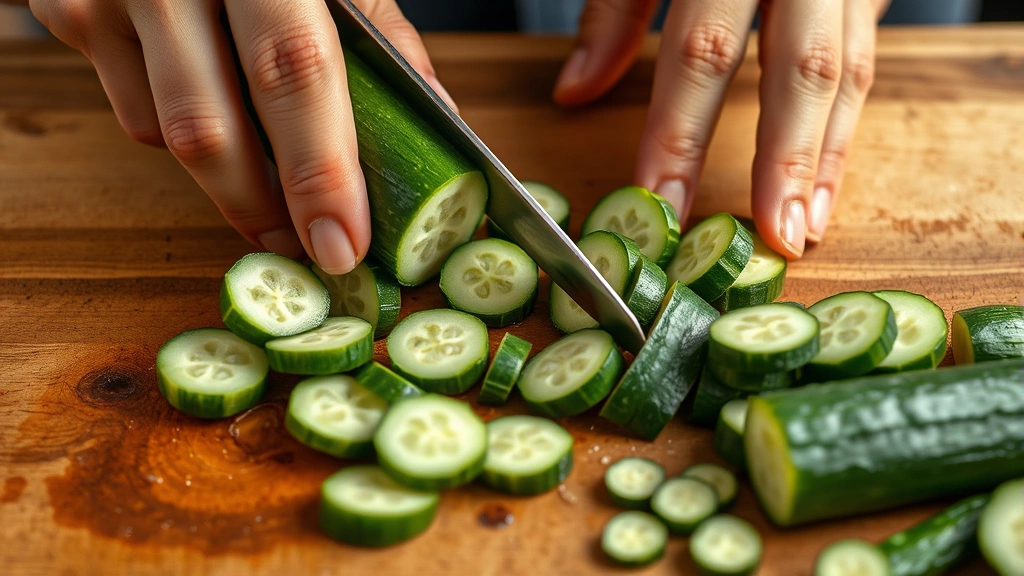
Cutting: Cut the cucumber into appropriate-sized pieces based on your dog’s size. For small dogs, cut into thin slices or small chunks about the size of a pea. Medium to large dogs can handle larger pieces, but avoid serving the entire cucumber whole. Cutting also reduces choking risk, particularly for enthusiastic eaters who might not chew thoroughly.
Removing Seeds: Most dogs tolerate cucumber seeds without issue, but if your dog has a sensitive stomach, scoop out the central seed core using a spoon or knife. This step isn’t necessary for most dogs but can help if you notice digestive upset.
Organic vs. Conventional: Organic cucumbers eliminate concerns about pesticide residue, but thoroughly washing conventional cucumbers is equally effective. Choose whichever option fits your budget and preference.
Serving Size and Frequency
The appropriate amount of cucumber depends on your dog’s size, age, and overall diet. A general rule of thumb is that treats, including cucumber, should comprise no more than 10% of your dog’s daily caloric intake. This ensures that healthy meals remain the primary nutritional source.
For small dogs (under 20 lbs), offer 2-3 small cucumber slices as an occasional treat. For medium dogs (20-60 lbs), 3-4 larger pieces or slices are appropriate. Large dogs (over 60 lbs) can enjoy up to half a cucumber cut into manageable pieces. These serving sizes provide variety in your dog’s treat rotation without overwhelming their digestive system.
You can offer cucumber to your dog 2-3 times per week without concern. This frequency allows you to use cucumber as a regular part of your treat rotation while maintaining dietary balance. Some owners use cucumber as a daily treat for dogs on weight management programs, which is acceptable given its minimal caloric content.
During summer months, many owners freeze cucumber pieces to create a refreshing, hydrating treat. Frozen cucumber chunks can soothe teething puppies and provide relief to dogs overheating. Simply slice cucumber and place pieces in the freezer for 2-3 hours before serving.
Potential Risks and Considerations
While cucumber is exceptionally safe, a few minor considerations exist. The primary risk involves choking, particularly in small dogs or enthusiastic eaters. Cutting cucumber into appropriately sized pieces and supervising your dog while eating prevents this issue entirely.
Some dogs with extremely sensitive stomachs may experience mild digestive upset from the fiber or water content in cucumber. If your dog has a history of digestive issues, introduce cucumber gradually in very small amounts. Monitor for signs of vomiting, diarrhea, or abdominal discomfort. If problems persist, discontinue offering cucumber and consult your veterinarian.
Cucumber seeds rarely cause issues but may be difficult for some dogs to digest. If your dog has chronic digestive problems, removing the seed core before serving can help. Additionally, the high water content in cucumber means it has minimal nutritional density compared to other vegetables like carrots or broccoli, so it shouldn’t replace more nutrient-dense treat options.
Never season cucumber with salt, garlic, onion, or other seasonings. Plain cucumber is the safest option. Pickled cucumbers are absolutely off-limits due to high sodium content and potential spices that could upset your dog’s stomach.
Comparing Cucumber to Other Vegetables
Understanding how cucumber compares to other safe vegetables helps you make informed decisions about your dog’s treat rotation. Carrots offer similar safety but contain more nutrients and natural sugars. Broccoli provides more protein and vitamins but should be offered in smaller quantities due to compounds that can cause stomach upset in large amounts. Corn is digestible but offers less nutritional value than cucumber.
Compared to cauliflower, cucumber is gentler on the digestive system and causes fewer instances of gas. Cauliflower provides more nutrients but can lead to flatulence in some dogs. Cucumber’s high water content makes it superior for hydration during summer months.
When considering carrots and their benefits for dogs, remember that while carrots offer more concentrated nutrition, cucumbers provide a lighter alternative with fewer calories. A balanced approach includes offering both vegetables in rotation to provide variety and different nutritional profiles.
The best vegetable choice depends on your dog’s individual needs. For weight management, cucumber excels. For dental health and nutritional density, carrots are superior. For variety and digestive support, rotating between multiple vegetables ensures your dog receives broad nutritional benefits.
Creative Ways to Serve Cucumber
Beyond simple slices, numerous creative serving methods can increase your dog’s enjoyment of cucumber:
- Frozen Treats: Freeze cucumber slices or chunks for a refreshing summer snack. Layer cucumber pieces with dog-safe foods in ice cube trays for variety.
- Cucumber Water: Add thin cucumber slices to your dog’s water bowl during hot weather to encourage hydration and add subtle flavor.
- Cucumber and Peanut Butter: Spread unsalted, xylitol-free peanut butter on cucumber slices for added protein and fat (use sparingly due to caloric content).
- Mixed Veggie Snacks: Combine cucumber with other dog-safe vegetables like carrots or green beans for a nutritious veggie medley.
- Cucumber Puree: Blend cucumber and freeze in ice cube trays for dogs with dental issues or those requiring soft foods.
- Training Rewards: Use small cucumber pieces as low-calorie training treats during exercise sessions or behavior training.
- Stuffed Kong: Fill a Kong toy with cucumber chunks and freeze for extended enrichment and mental stimulation.
These creative serving methods prevent treat boredom while maintaining nutritional balance and keeping calories minimal. Experiment with different preparations to discover your dog’s preferences.
FAQ
Can puppies eat cucumber?
Yes, puppies can safely eat cucumber. The vegetable is gentle on developing digestive systems and poses no toxicity risk. Start with very small pieces and ensure proper supervision. Frozen cucumber can soothe teething discomfort in young puppies.
Is cucumber better than other treats for overweight dogs?
Cucumber is excellent for overweight dogs due to its minimal caloric content and high water volume, which creates satiety. It allows dogs to enjoy treat experiences while supporting weight management goals. Combine cucumber treats with regular exercise and portion-controlled meals for optimal results.
Can dogs eat cucumber skin?
Yes, cucumber skin is completely safe and contains most of the fiber and nutrients. For small dogs or those with sensitive digestion, you may choose to peel the cucumber, but this step isn’t necessary for most dogs.
What should I do if my dog eats too much cucumber?
Excessive cucumber consumption may cause mild diarrhea or vomiting due to the high water content. Monitor your dog for 24-48 hours and ensure adequate hydration. If symptoms persist or worsen, contact your veterinarian. In most cases, excessive cucumber causes temporary digestive upset that resolves independently.
Are pickled cucumbers safe for dogs?
No, pickled cucumbers are not safe for dogs. The high sodium content and added spices can cause digestive upset and electrolyte imbalances. Stick to fresh, unseasoned cucumber only.
Can dogs with kidney disease eat cucumber?
Yes, cucumber is actually beneficial for dogs with kidney disease due to its low sodium and potassium content. However, always consult your veterinarian before introducing new foods to dogs with medical conditions, as individual dietary needs vary.
How does cucumber compare to commercial dog treats?
Cucumber is superior to many commercial treats in terms of caloric content and lack of artificial ingredients. However, commercial treats often contain added nutrients and proteins that cucumber lacks. Use cucumber as a supplement to, not a replacement for, balanced commercial treats.
Can senior dogs eat cucumber?
Yes, senior dogs can safely enjoy cucumber. The soft texture (especially if cooked or frozen) is gentle on aging teeth and digestive systems. The hydration benefits are particularly valuable for older dogs who may not drink enough water.





