
Can a Dog Eat Doritos?
As a pet owner, you’ve likely experienced that moment when your dog gives you those irresistible puppy-dog eyes while you’re snacking on your favorite treats. Doritos, with their vibrant colors and bold flavors, are undeniably tempting to share with our furry companions. However, the question of whether dogs can safely consume Doritos is one that deserves careful consideration. While an occasional Dorito crumb won’t cause immediate harm to most dogs, these popular corn chips are not an appropriate food choice for your canine friend and can pose several health risks.
Understanding what makes Doritos problematic for dogs requires examining their ingredients, nutritional content, and the specific health concerns they present. This comprehensive guide will help you understand why these snacks should be kept away from your dog’s food bowl, what dangers they pose, and what healthier alternatives you can offer instead. Whether you’re concerned about a Dorito your dog already consumed or you’re looking to prevent future incidents, this article provides the veterinary guidance you need.
Pet nutrition is a crucial aspect of responsible dog ownership, and making informed decisions about treats is part of that responsibility. By learning about foods to avoid and understanding your dog’s dietary needs, you’re taking an important step toward ensuring your beloved companion lives a long, healthy life.
Table of Contents
What Are Doritos and What Do They Contain?
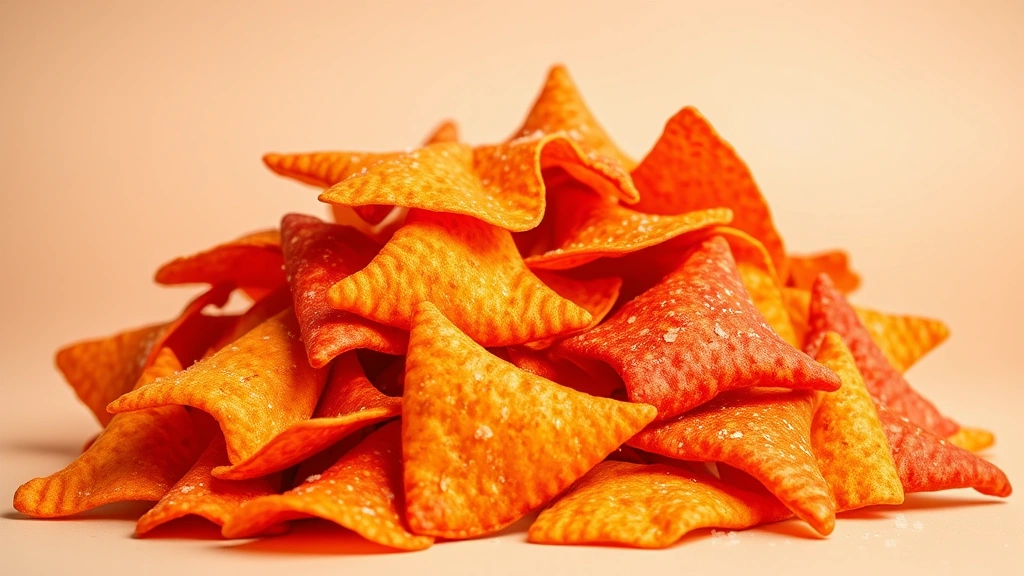
Doritos are a popular brand of flavored tortilla chips that have been a staple snack in American households for decades. These triangular chips are made primarily from corn, vegetable oil, and various seasonings that give them their distinctive taste and appearance. The most common varieties include Nacho Cheese, Cool Ranch, and various spicy flavors that appeal to human taste buds but are completely inappropriate for canine consumption.
The basic composition of Doritos includes cornmeal, vegetable oil, salt, and a complex blend of artificial flavors, colors, and preservatives. While corn itself can be safe for dogs in moderation (as discussed in our article about can dogs eat corn), the processing and additives in Doritos transform these simple ingredients into something problematic for your pet. The combination of excessive salt, artificial ingredients, and high fat content makes these chips unsuitable for dogs of any size or age.
Different Dorito varieties contain different seasonings and additives, but they all share common problematic elements. The Nacho Cheese variety contains cheese powder, which relates to our discussion on can dogs have cheese—while some plain cheese can be tolerated in small amounts, the processed cheese flavoring in Doritos is quite different from natural cheese and contains additional harmful additives.
Toxic and Harmful Ingredients in Doritos
Several ingredients commonly found in Doritos pose potential dangers to dogs. Understanding these harmful components helps explain why veterinarians universally recommend keeping these snacks away from your pets. The ingredient list on a bag of Doritos reads more like a chemistry experiment than a food product, with numerous artificial additives that dogs’ digestive systems are not equipped to process safely.
One of the most concerning ingredients is garlic powder, which appears in many Doritos varieties. Garlic is toxic to dogs and can damage their red blood cells and cause hemolytic anemia. Similarly, onion powder, found in some flavored varieties, is equally dangerous. These ingredients are fine for human consumption but can cause serious health complications in canines. Additionally, certain Dorito varieties contain xylitol in some limited-edition flavors, which is extremely toxic to dogs and can cause rapid insulin release and severe hypoglycemia.
The seasoning blends in Doritos often include multiple spices and artificial flavoring agents that can upset a dog’s stomach. These artificial colors, such as Red 40 and Yellow 5, have been linked to behavioral issues and allergic reactions in some dogs. The preservatives like BHA and BHT add another layer of concern, as these chemicals have raised health questions in both human and veterinary nutrition circles.
Health Risks of Dogs Eating Doritos
The health risks associated with dogs consuming Doritos extend beyond simple digestive upset. Depending on the amount consumed and your dog’s individual health status, these snacks can lead to serious medical complications. Pet owners should be aware of both immediate and long-term health consequences that can result from allowing their dogs to consume these processed corn chips regularly.
Immediate effects of eating Doritos may include vomiting, diarrhea, and abdominal discomfort. Dogs have more sensitive digestive systems than humans, and the rich combination of fats, salt, and artificial additives can overwhelm their system. The high fat content in Doritos can contribute to pancreatitis, a serious and potentially life-threatening inflammation of the pancreas. Pancreatitis causes severe abdominal pain and can lead to hospitalization and extensive veterinary treatment.
Long-term consumption of salty snacks like Doritos can lead to obesity, which opens the door to numerous health problems including joint disease, diabetes, and heart disease. The excessive sodium content strains the kidneys and can lead to hypertension. For senior dogs or those with pre-existing health conditions, the risks are even more pronounced. Dogs with heart disease, kidney problems, or digestive sensitivities are particularly vulnerable to the negative effects of these snacks. If you’re wondering about other salty snacks, you might also want to review whether can dogs eat pretzels, which share similar salt concerns.
Sodium and Salt Content Concerns
One of the most significant dangers in Doritos is their exceptionally high sodium content. A single ounce of Doritos contains approximately 150-180 mg of sodium, which represents a substantial portion of a dog’s daily sodium requirement. Most dogs need only about 100-200 mg of sodium per day, depending on their size and age, making a small handful of Doritos potentially excessive.
Excessive sodium intake in dogs can lead to hypernatremia, a condition where sodium levels in the blood become dangerously elevated. This can cause increased thirst, urinary problems, and in severe cases, neurological issues. The kidneys work overtime to process excess salt, and chronic high sodium intake can lead to kidney disease over time. For dogs with existing heart conditions or hypertension, additional sodium is particularly dangerous and can exacerbate their conditions.
Pet parents should recognize that what seems like a small amount to a human can represent a significant portion of a dog’s daily nutritional intake. A 20-pound dog eating just 10 Doritos could consume 10-15% of their daily sodium allowance from that single snack. This is why portion control and snack selection are so important for maintaining your dog’s health and longevity.
Artificial Additives and Flavoring
The artificial flavoring and coloring additives in Doritos represent another significant concern for canine health. While regulatory agencies have approved these additives for human consumption, dogs metabolize these chemicals differently, and their long-term effects on canine health are not fully understood. Some veterinary nutritionists raise concerns about the cumulative effect of artificial additives in commercial snacks on dogs’ overall health.
Monosodium glutamate (MSG) and other flavor enhancers can cause sensitivity reactions in some dogs, leading to vomiting, diarrhea, and lethargy. These reactions might not be immediately apparent but can develop over time with repeated exposure. Some dogs may also experience allergic reactions to specific dyes or preservatives used in Doritos production. Signs of food sensitivities include itching, skin rashes, ear infections, and gastrointestinal upset.
The artificial flavoring compounds in Doritos are designed to be highly palatable to humans, creating a snack that is nearly impossible for some dogs to resist. This palatability doesn’t indicate safety—in fact, it can make the problem worse by encouraging dogs to seek out these unhealthy treats. Understanding that palatability and safety are entirely separate concepts is crucial for responsible pet ownership.
What to Do If Your Dog Eats Doritos
If your dog has consumed Doritos, your first action should be to determine how many they ate and which variety. A single Dorito or a few crumbs from the floor is unlikely to cause serious problems in most dogs, but larger quantities warrant more concern. Contact your veterinarian if your dog has eaten a significant amount, particularly if they’re a small breed, a puppy, or a senior dog with health conditions.
Monitor your dog closely for the next 12-24 hours for signs of gastrointestinal distress, including vomiting, diarrhea, loss of appetite, or abdominal pain. Lethargy or unusual behavior can also indicate a problem. If your dog shows any of these symptoms, contact your veterinarian immediately. If you know the Dorito variety contained garlic or onion powder, or if you suspect xylitol was included, this is an emergency situation requiring immediate veterinary attention, as these ingredients can cause serious harm.
In the short term, withhold food for 6-12 hours to allow the digestive system to settle, then offer bland food like plain boiled chicken and rice if your dog doesn’t vomit. Ensure your dog has access to fresh water throughout this period. Moving forward, store Doritos and other salty snacks in secure locations where your dog cannot access them, and educate family members about the importance of not sharing these treats with your pet. For perspective on other problematic snacks, you might also want to learn about can dogs have bacon, which shares some similar high-fat concerns.
Healthy Snack Alternatives for Dogs
Fortunately, numerous healthy and delicious snack options exist that satisfy your desire to treat your dog without compromising their health. These alternatives provide nutritional value while still being enjoyable for your pet. Building healthy snacking habits now prevents long-term health problems and strengthens your bond with your dog through positive reinforcement.
Fresh fruits and vegetables make excellent low-calorie treats. Carrots provide natural crunchiness and are wonderful for dental health. Apples (without seeds), blueberries, watermelon, and pumpkin are nutritious options dogs typically enjoy. Green beans, sweet potato, and plain cooked broccoli offer nutritional benefits without excessive calories. These whole foods contain fiber, vitamins, and minerals that support your dog’s health—something Doritos can never provide.
Commercial dog treats designed specifically for canine nutrition offer another good option. Look for treats with short ingredient lists and minimal artificial additives. Freeze-dried meat treats, dental chews, and training treats formulated for dogs provide appropriate nutritional profiles. You can also prepare homemade dog treats using ingredients like peanut butter (xylitol-free), pumpkin, and oats. Many simple recipes create delicious treats that your dog will love without the health risks associated with human snacks.
When offering treats of any kind, remember that treats should constitute no more than 10% of your dog’s daily caloric intake, with the remaining 90% coming from balanced, complete commercial dog food or veterinarian-approved homemade diets. This ratio ensures your dog receives all necessary nutrients while still enjoying occasional special snacks. If you’re interested in understanding more about appropriate food choices, our article on can dogs eat bacon discusses other common human foods and their appropriateness for dogs.
Frequently Asked Questions
Are any Dorito flavors safe for dogs?
No Dorito flavor is truly safe for dogs. While plain corn chips without added seasonings might cause less immediate harm than flavored varieties, the salt content, fat content, and processing make even plain Doritos inappropriate for canine consumption. Every flavor variety contains problematic ingredients, whether artificial seasonings, garlic, onion, or excessive sodium. According to veterinary guidelines from the American Kennel Club, Doritos should not be part of any dog’s diet.
What symptoms indicate my dog needs emergency veterinary care after eating Doritos?
Seek emergency veterinary care if your dog exhibits severe vomiting or diarrhea, signs of severe abdominal pain (whining, restlessness, hunched posture), difficulty breathing, tremors, or loss of consciousness. If you know the Doritos contained garlic, onion, or xylitol, treat it as a medical emergency regardless of symptoms, as these ingredients can cause delayed serious complications. Lethargy that persists beyond 12 hours or refusal to eat for more than 24 hours also warrants professional evaluation.
Can small dogs be poisoned by a few Doritos?
Small dogs are at greater risk from Doritos due to their lower body weight and smaller organ systems. While a few Doritos crumbs might not cause poisoning in a small dog, the risk is proportionally higher than for larger dogs. A handful of Doritos represents a much larger percentage of a small dog’s daily caloric and sodium intake, increasing the likelihood of negative effects. Toy breeds and miniature dogs warrant extra vigilance in keeping snacks away from their reach.
Will one Dorito chip hurt my dog?
A single Dorito chip is unlikely to cause serious harm to most healthy adult dogs. However, this doesn’t mean it’s safe or advisable to share. One chip occasionally won’t cause immediate problems, but it establishes a habit and precedent that can lead to your dog consuming larger quantities. Additionally, if that single chip is from a variety containing garlic or onion powder, even one could potentially cause problems for sensitive dogs. The best approach is to never share Doritos with your dog, even in small amounts.
Why do dogs find Doritos so appealing?
Dogs find Doritos appealing due to their strong aroma, high fat content, and intense flavoring—all of which trigger canine appetite. The artificial flavoring compounds are specifically designed to be highly palatable, and dogs’ sense of smell is approximately 10,000 times more sensitive than humans’, making these scents nearly irresistible to them. The high fat content also triggers dopamine release in the brain, creating a rewarding sensation that makes dogs seek out these snacks repeatedly.
Are there any circumstances where Doritos could be beneficial for dogs?
No circumstances exist where Doritos would be beneficial for dogs. They provide no nutritional value that cannot be obtained from appropriate dog foods or healthier treats. The risks associated with sodium, fat, artificial additives, and potentially toxic ingredients like garlic and onion far outweigh any perceived benefit. Even from a training perspective, using Doritos as training treats would be counterproductive, as they could harm your dog’s health while providing no superior motivational value compared to safer alternatives.
How can I prevent my dog from eating Doritos?
Prevent access by storing Doritos in secure locations where your dog cannot reach them, such as high shelves or locked cabinets. Educate all family members and visitors about the importance of not sharing snacks with your dog. Train your dog with reliable commands like “leave it” and reward them for ignoring dropped food. Provide appropriate alternatives so your dog has satisfying snack options available. Consistent management and training create a safer environment and protect your dog from accidental exposure. You might also want to understand what other common snacks to avoid, such as reviewing information about can dogs eat cheese to understand processed cheese products.
Should I consult my vet about my dog eating Doritos?
Contact your veterinarian if your dog ate a significant quantity of Doritos, if they show any symptoms of illness afterward, or if you’re uncertain about the variety consumed. Veterinarians appreciate proactive communication about potential toxin exposure and can provide guidance specific to your dog’s age, size, and health status. Having this conversation also establishes a baseline if your dog develops symptoms later, helping your vet provide more accurate diagnosis and treatment if needed.





