
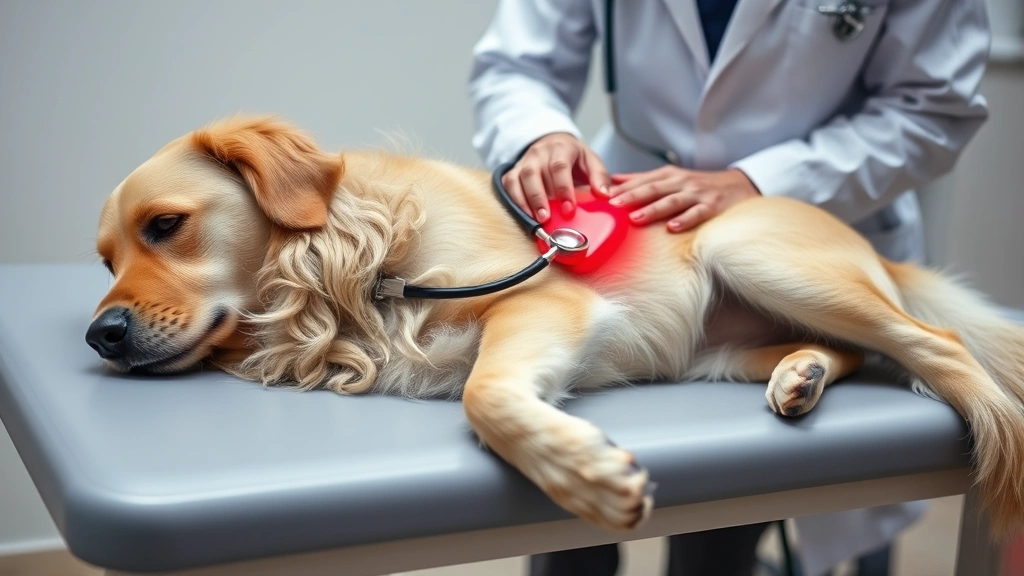
Can Dogs Have Heart Attacks? Vet Insights on Canine Cardiac Health
Yes, dogs can experience heart attacks, though the condition presents differently in canines than in humans. Myocardial infarction—the medical term for a heart attack—occurs when blood flow to the heart muscle is severely restricted, causing tissue damage. While less common in dogs than in people, heart attacks remain a serious veterinary emergency that requires immediate professional intervention. Understanding the signs, risk factors, and prevention strategies can help you protect your beloved companion from this life-threatening condition.
As a responsible pet owner, recognizing the warning signs of cardiac distress could mean the difference between life and death. Dogs experiencing heart problems may show subtle symptoms that gradually worsen over time, or they might suffer acute cardiac events with minimal warning. This comprehensive guide explores everything you need to know about canine heart attacks, including how they develop, which breeds are most vulnerable, and what steps you can take to maintain your dog’s cardiovascular health.
Do Dogs Get Heart Attacks?
Heart attacks in dogs are medically possible and do occur, though they’re statistically less frequent than in humans. The canine cardiovascular system functions similarly to ours, meaning the same fundamental mechanisms that trigger heart attacks in people can affect dogs. When coronary arteries become blocked or severely narrowed, oxygen-rich blood cannot reach the heart muscle, leading to tissue death and potential cardiac failure.
The incidence of heart attacks in dogs varies by age, breed, and overall health status. Senior dogs and those with pre-existing cardiac conditions face elevated risk. Some studies suggest that approximately 10% of dogs develop heart disease during their lifetime, though not all cases progress to acute myocardial infarction. Dogs with underlying conditions like dilated cardiomyopathy, heart valve disease, or coronary artery abnormalities are particularly vulnerable to experiencing a cardiac event.
Unlike humans, where heart attacks often result from atherosclerotic plaque buildup, dogs more commonly experience heart attacks secondary to other cardiac diseases. This distinction is crucial for understanding prevention and treatment approaches. A dog’s genetics, diet, exercise level, and stress exposure all influence cardiac health and heart attack risk.
Causes of Canine Heart Attacks
Several underlying conditions can predispose dogs to heart attacks. Understanding these causes helps veterinarians and owners identify at-risk individuals before acute events occur. The primary causes of canine myocardial infarction include:
- Dilated Cardiomyopathy (DCM): This progressive disease weakens the heart muscle, reducing its pumping efficiency. Large breed dogs are particularly susceptible, and certain dietary factors have been investigated as contributing elements. Maintaining proper nutrition is essential—learn more about can dogs eat broccoli and other heart-healthy foods for your canine companion.
- Coronary Artery Disease: While less common in dogs than humans, coronary artery narrowing or blockage can occur, restricting blood flow to heart tissue.
- Heart Valve Disease: Degenerative valve conditions impair the heart’s ability to pump efficiently, increasing cardiac workload and heart attack risk.
- Myocarditis: Inflammation of the heart muscle from viral, bacterial, or immune-mediated causes can lead to acute cardiac events.
- Arrhythmias: Irregular heartbeats reduce cardiac output and can trigger acute ischemic events.
- Nutritional Deficiencies: Insufficient taurine or carnitine levels compromise heart function. Some breeds require specific nutritional support—explore can dogs eat corn and other dietary considerations for cardiac health.
- Extreme Stress or Trauma: Acute stress can trigger takotsubo cardiomyopathy (stress-induced heart attack) in susceptible dogs.
- Toxin Exposure: Certain toxins and medications can damage heart tissue.
Obesity significantly increases heart disease risk in dogs. Excess weight forces the heart to work harder, elevating blood pressure and increasing oxygen demand. Maintaining a healthy weight through proper diet and exercise represents one of the most effective prevention strategies available to pet owners.

Recognizing the Symptoms
Identifying heart attack symptoms in dogs requires careful observation, as signs can be subtle or mimic other conditions. Acute cardiac events may present with sudden onset symptoms, while chronic heart disease develops gradually. Common warning signs include:
- Difficulty Breathing: Rapid, labored, or shallow breathing, especially during rest or mild activity
- Lethargy: Unusual tiredness, reluctance to exercise, or decreased interest in activities
- Coughing: Persistent dry cough, particularly noticeable at night or when lying down
- Collapse: Sudden loss of consciousness or inability to stand
- Pale Gums: Reduced blood circulation may cause gum discoloration
- Rapid or Irregular Heartbeat: Palpitations or irregular rhythm noticeable during physical contact
- Weakness: Hind leg weakness or inability to exercise normally
- Abdominal Distention: Swelling in the belly from fluid accumulation
- Loss of Appetite: Reduced interest in food or treats
- Fainting Episodes: Syncope or brief periods of unresponsiveness
During an acute heart attack, dogs may exhibit severe distress including extreme anxiety, difficulty breathing, and potential collapse. If your dog shows any of these emergency signs—particularly sudden collapse, severe respiratory distress, or loss of consciousness—seek immediate veterinary care. Time is critical in cardiac emergencies, and prompt intervention significantly improves survival chances.
Some dogs experience prodromal symptoms for days or weeks before a major cardiac event. These subtle signs include decreased exercise tolerance, mild coughing, or occasional lethargy. Recognizing these early warnings and consulting your veterinarian can help prevent progression to acute myocardial infarction.

Breed Susceptibility
Certain dog breeds show genetic predisposition to heart disease and increased heart attack risk. Large and giant breed dogs face elevated vulnerability to dilated cardiomyopathy, which frequently precedes myocardial infarction. Breeds with particular cardiac concerns include:
- Doberman Pinschers
- Boxers
- Great Danes
- German Shepherds
- Saint Bernards
- Newfoundlands
- Cocker Spaniels
- Portuguese Water Dogs
- Dalmations
- Irish Wolfhounds
Small breed dogs more commonly develop valve disease, which can progress to acute cardiac events. Cavalier King Charles Spaniels particularly struggle with mitral valve disease, often developing symptoms by middle age. Toy breeds including Chihuahuas and Pomeranians also show increased valve disease prevalence.
Genetic testing is now available for some breeds, allowing breeders and owners to identify at-risk individuals early. If you own a breed predisposed to cardiac disease, discuss genetic screening with your veterinarian. Regular cardiac examinations become especially important for these high-risk breeds, potentially catching problems before they become life-threatening.
Diagnosis and Treatment
Veterinary diagnosis of heart attacks involves multiple diagnostic tools. Your veterinarian will begin with a physical examination, listening for heart murmurs, arrhythmias, or abnormal lung sounds. Additional diagnostic procedures include:
- Electrocardiogram (ECG): Records electrical activity to detect rhythm abnormalities and ischemic changes
- Echocardiogram (Ultrasound): Provides detailed imaging of heart structure and function, revealing wall motion abnormalities
- Chest X-rays: Assesses heart size and identifies pulmonary edema or fluid accumulation
- Blood Tests: Measures cardiac biomarkers like troponin, indicating heart muscle damage
- Blood Pressure Monitoring: Identifies hypertension contributing to cardiac stress
- Holter Monitor: Records heart rhythm over extended periods to detect intermittent arrhythmias
Treatment approaches depend on the underlying cause and severity of cardiac damage. Acute heart attack management focuses on stabilizing the dog and restoring adequate circulation. Veterinarians may administer oxygen therapy, medications to support heart function, and pain management. Long-term management typically involves:
- ACE inhibitors or other cardiac medications to reduce heart workload
- Diuretics to manage fluid accumulation
- Beta-blockers to regulate heart rate and reduce oxygen demand
- Antiplatelet medications to prevent clot formation
- Dietary modifications and nutritional supplements
- Strict activity restriction during recovery
Prognosis varies significantly based on damage extent and underlying cause. Some dogs recover well with appropriate treatment, while others experience complications. Your veterinarian can provide individualized prognosis and treatment recommendations based on your dog’s specific situation.
Prevention Strategies
Preventing heart attacks requires a comprehensive approach addressing multiple risk factors. While you cannot eliminate all cardiac disease risk, proactive measures significantly reduce heart attack likelihood:
Maintain Healthy Weight: Obesity dramatically increases cardiac stress. Feed measured portions and provide regular exercise. Understanding proper nutrition helps—learn whether can dogs eat cauliflower and other vegetables support healthy weight maintenance.
Provide Regular Exercise: Age-appropriate physical activity strengthens the heart and improves cardiovascular efficiency. Avoid excessive exercise in extreme heat or cold, which stresses the cardiac system.
Schedule Preventive Veterinary Care: Annual wellness exams for adult dogs and semi-annual exams for seniors allow early detection of cardiac problems. Your veterinarian can recommend breed-specific screening protocols.
Optimize Nutrition: Feed high-quality dog food meeting AAFCO standards. Certain breeds benefit from taurine supplementation. Discover whether are carrots good for dogs and other whole foods can complement your dog’s cardiac health regimen. Also explore can dogs eat pumpkin for heart-healthy nutritional options.
Manage Stress: Chronic stress elevates blood pressure and increases cardiac strain. Provide calm environments and consistent routines.
Control Blood Pressure: Monitor for hypertension, which significantly increases heart disease risk. Medication and lifestyle modifications help manage elevated pressure.
Minimize Toxin Exposure: Avoid known cardiac toxins including certain medications, pesticides, and heavy metals.
Treat Underlying Conditions: Manage diabetes, hypothyroidism, and other diseases that impact cardiac health.
Consider Genetic Screening: For predisposed breeds, genetic testing identifies at-risk individuals allowing closer monitoring and early intervention.
Recovery and Long-Term Care
Dogs surviving acute heart attacks require careful management to prevent recurrence and support ongoing cardiac function. Recovery timelines vary, with some dogs showing improvement within weeks while others require months of gradual rehabilitation.
Immediate Post-Event Care: Following acute myocardial infarction, strict rest is essential. Limit activity to short, controlled walks on leash. Avoid excitement, rough play, and strenuous exercise. Your veterinarian will provide specific activity guidelines based on your dog’s condition.
Medication Compliance: Administer prescribed cardiac medications exactly as directed. Never skip doses or adjust dosing without veterinary guidance. Regular medication management significantly improves long-term outcomes.
Dietary Management: Continue feeding heart-healthy diets as recommended by your veterinarian. Some dogs benefit from low-sodium diets, while others need specific nutrient ratios. Maintain consistent feeding schedules.
Monitoring and Follow-up: Attend all scheduled veterinary appointments. Your veterinarian may recommend repeat echocardiograms to assess recovery progress. Report any concerning symptoms immediately.
Environmental Modifications: Minimize stressors and maintain calm household environments. Provide comfortable resting areas and avoid sudden temperature changes.
Gradual Activity Resumption: As your dog recovers, gradually increase activity under veterinary guidance. Never rush this process, as premature exertion can trigger complications.
Many dogs live quality lives for months or years following heart attacks with appropriate management. Your dedication to post-event care directly influences your dog’s prognosis and quality of life.
FAQ
What should I do if I suspect my dog is having a heart attack?
Seek emergency veterinary care immediately. Call your veterinary clinic or emergency animal hospital and describe symptoms. Do not delay—time-sensitive treatment significantly improves survival chances. Keep your dog calm during transport and avoid unnecessary exertion.
Can puppies have heart attacks?
While rare, puppies can experience cardiac events, particularly those with congenital heart defects. Myocarditis from viral infections occasionally affects young dogs. However, heart attacks more commonly occur in middle-aged and senior dogs with degenerative cardiac disease.
Is heart disease hereditary in dogs?
Yes, certain cardiac conditions show strong genetic predisposition. Dilated cardiomyopathy, valve disease, and specific arrhythmias run in families. Responsible breeders screen parents for cardiac disease before breeding. If your dog has cardiac disease, discuss inheritance patterns with your veterinarian.
Can diet prevent heart disease in dogs?
Proper nutrition significantly reduces heart disease risk. High-quality diets, appropriate caloric intake, and adequate taurine and carnitine levels support cardiac health. However, diet alone cannot prevent all heart disease, particularly in genetically predisposed breeds.
How much exercise is safe for a dog with heart disease?
Exercise requirements vary based on disease severity and individual tolerance. Your veterinarian will provide specific recommendations. Generally, short, gentle walks prove safer than strenuous activity. Avoid exercise in extreme temperatures and monitor for respiratory distress or fatigue.
What is the survival rate for dogs having heart attacks?
Survival rates depend on attack severity, underlying cause, and treatment speed. With prompt, appropriate treatment, many dogs survive acute events. Long-term prognosis varies widely, with some dogs living months or years post-event while others experience complications. Your veterinarian can discuss individual prognosis.
Are there warning signs before a heart attack occurs?
Many dogs show subtle signs before acute heart attacks, including decreased exercise tolerance, mild coughing, or occasional lethargy. Recognizing these prodromal symptoms and seeking veterinary evaluation can prevent progression to acute myocardial infarction. Regular check-ups help catch early warning signs.





